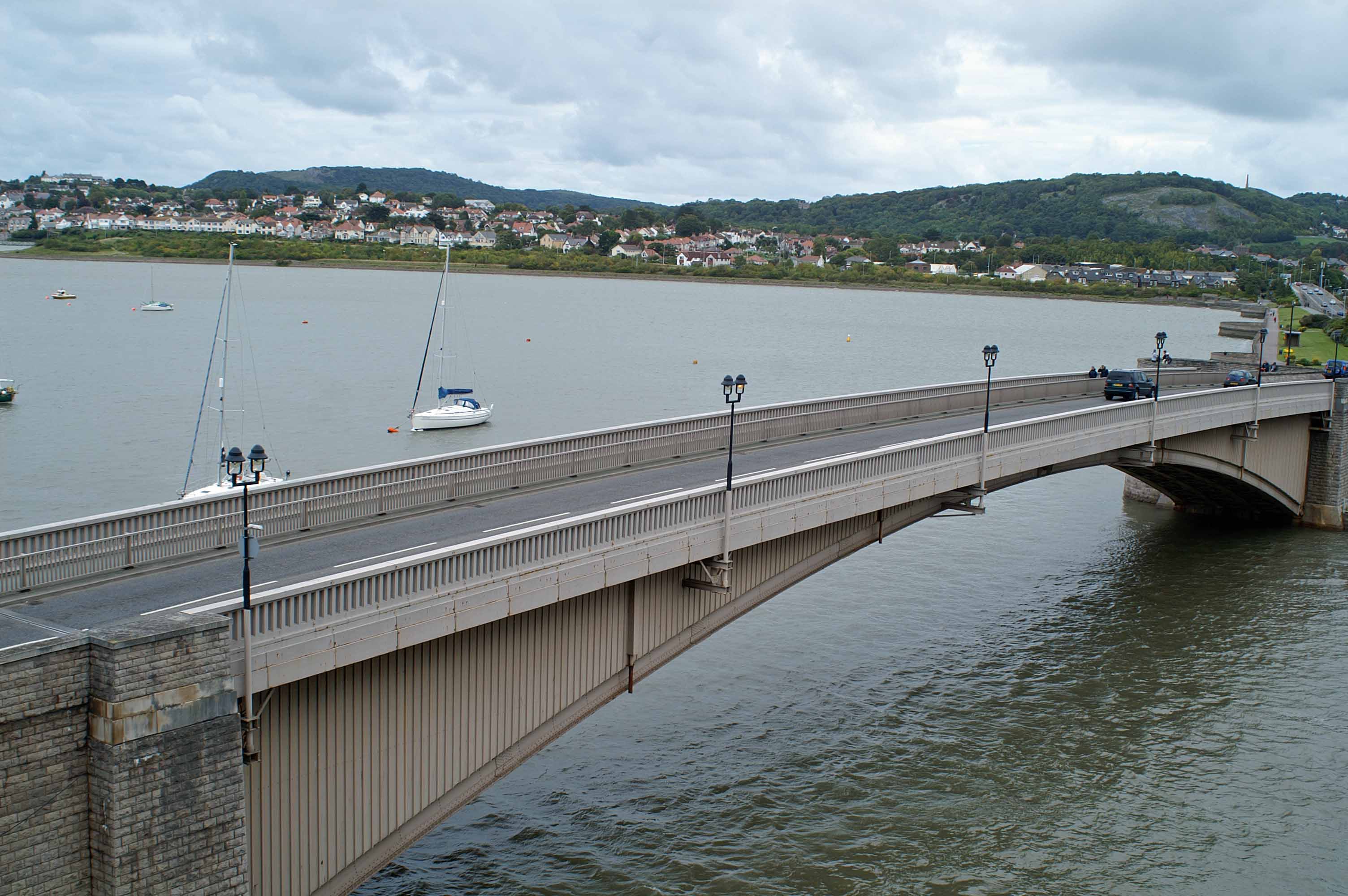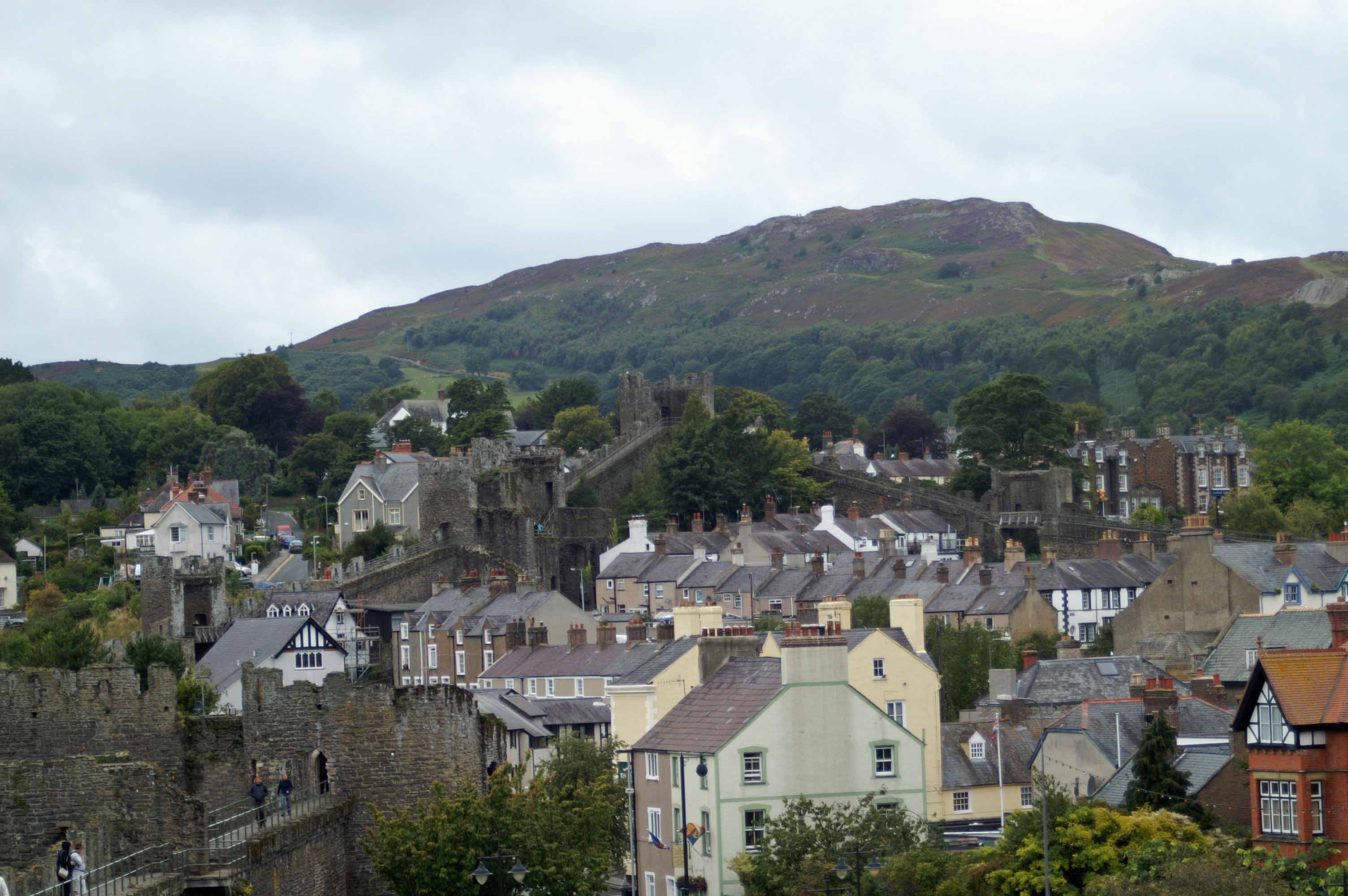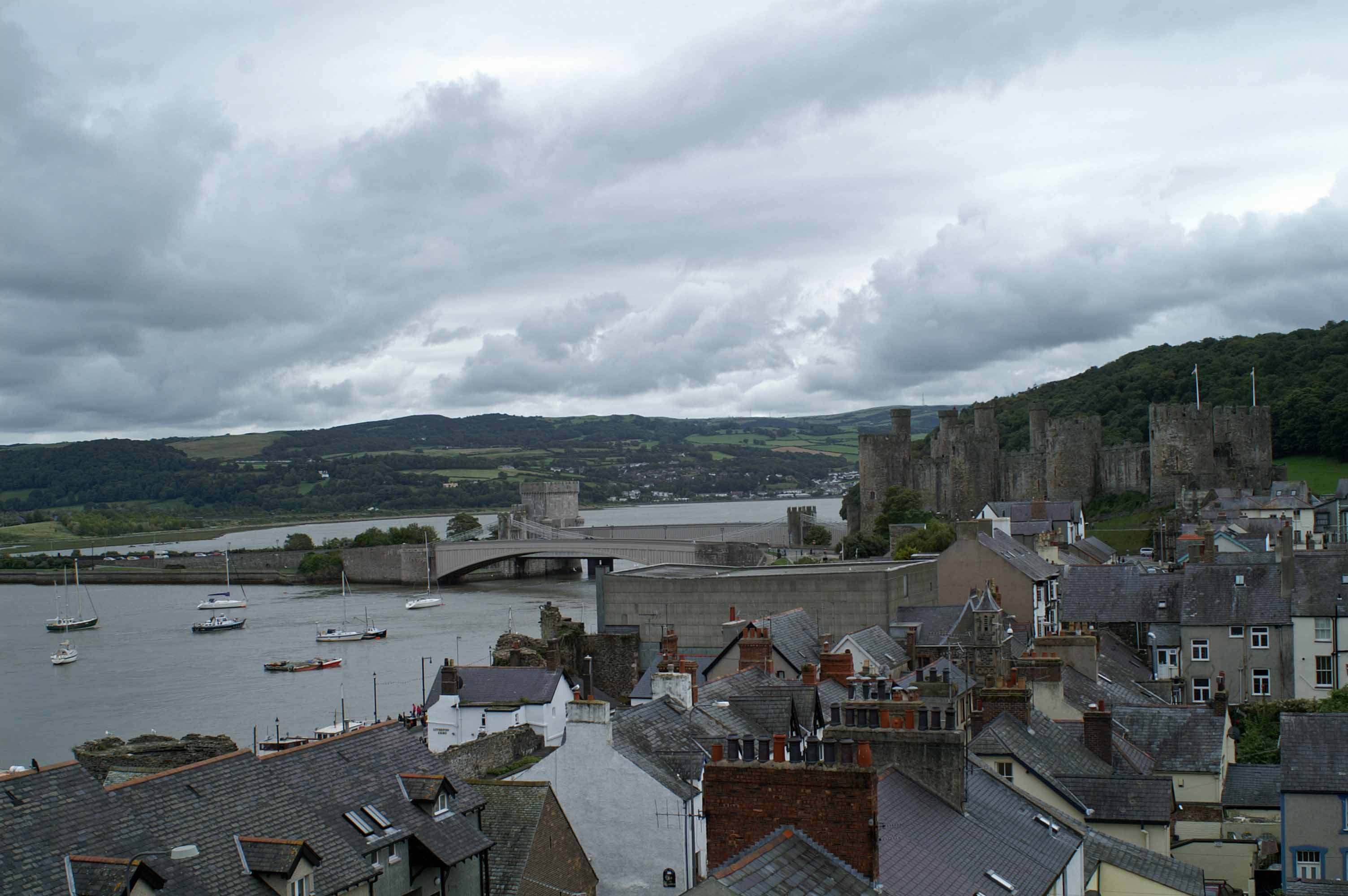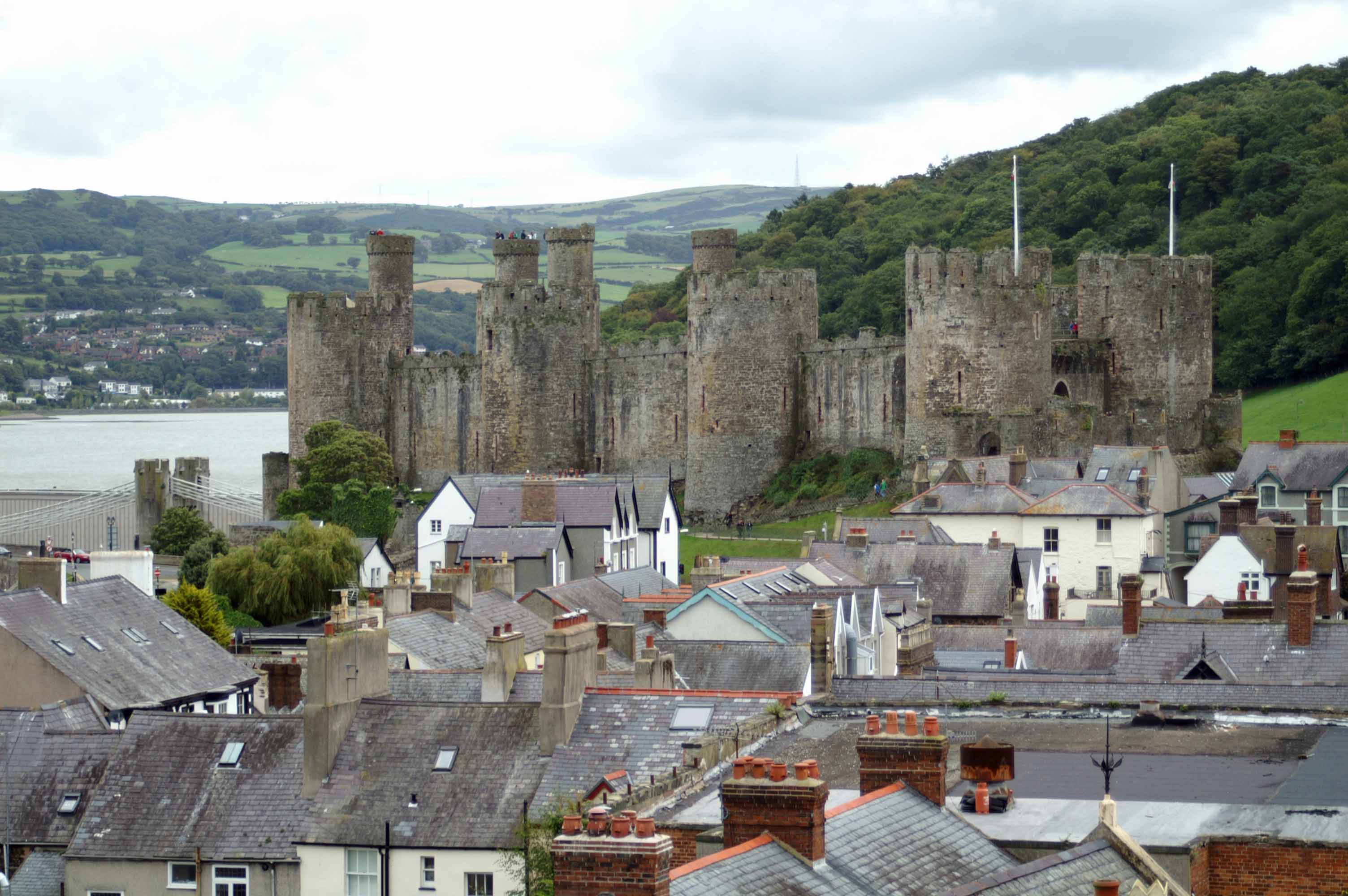
• Home
  • about
  • about the photographs
  • Local Nature Reserves
    • Bryn Euryn Local Nature Reserve
    • Mynydd Marian
  • Wales Coast Path
    • Grey Seals in North Wales
    • St.Trillo’s Chapel
    • Wildflowers of North Wales Coastal Paths, Cliffs and Dunes

everyday nature trails

everyday nature trails

Monthly Archives: September 2011

Berry bounty for birds

26 Monday Sep 2011

Posted by theresagreen in Birds, Nature

≈ Leave a comment

Tags

berries eaten by birds, birds that eat berries, blackberries, blackbird, holly berries, house sparrow, red berries, rowan berries, sloes

This year seems to be an exceptionally bountiful one for berries, which is very good news for birds, insects and other animals that can stock up before winter’s chill descends. Dormice, squirrels, foxes and badgers are very fond of autumn fruit and nuts, as are migratory birds fattening up for winter, and insects such as the hawthorn picture wing fly and micro-moths which feed on spindle berries.

Way back in July I photographed Rowan trees laden with berries that were being eaten by Bullfinches, and the first of  the blackberries were already ripe. The rowan berries are all gone now, but other trees and hedgerows are bursting with hawthorn berries (haws), holly berries, wild rose hips, blackberries, elderberries, spindle berries and more.

13/7/11-Rowan berries

Gardens are contributing to the berry bounty too, the pyracantha hedge in our garden has been attractively garlanded with orange berries for a few weeks now and although birds have been picking at them, this past week they have been positively feasting. The House Sparrows in particular have flocked in, quite literally, arriving all together and tucking in to feed while chirping and chattering noisily to one another. Their mass visits have given me the opportunity to asses the Sparrow numbers; the most birds I’ve counted at one visit so far has been 22, but there may have been even more on the other side of the hedge where there are more berries.
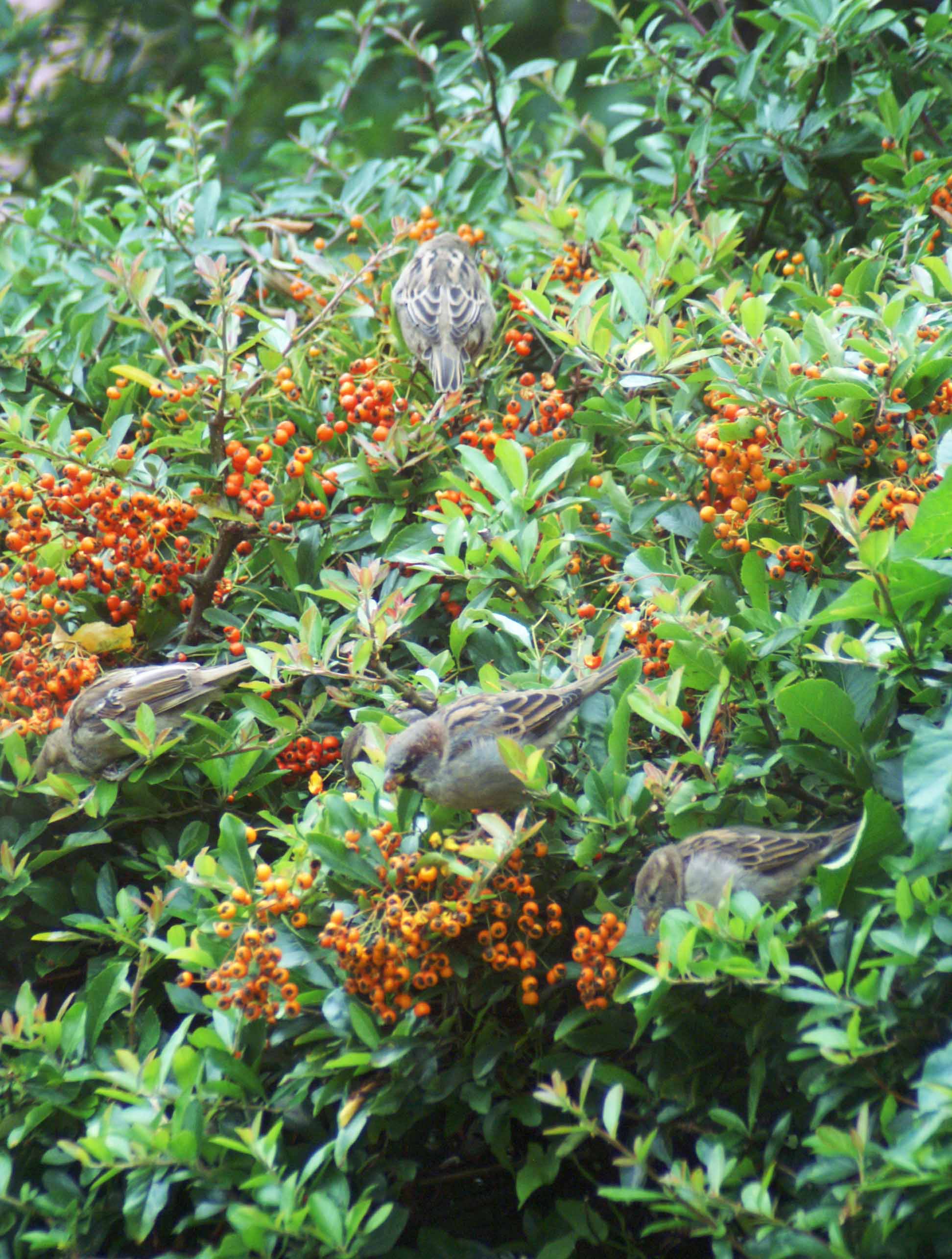
House Sparrows tucking into pyracantha berries

Blackbirds have also sampled a few of the berries; they have a great liking for most berries and seem to have inbuilt radar that unerringly detects the exact moment they are ready to eat.

Blackbirds are very partial to berries

The RSPB website has an interesting page on the subject of birds and berries, from which I’ve picked out the following bits of information:

Birds and berries

The intricate relationship between birds and berries has developed into a mutual dependence for survival.Some plants use berries as a clever way to entice birds and other animals to distribute their seeds. A plant that produces berries surrounds its seed in juicy, fleshy pith, rewarding the birds that eat them with vitamins and energy.
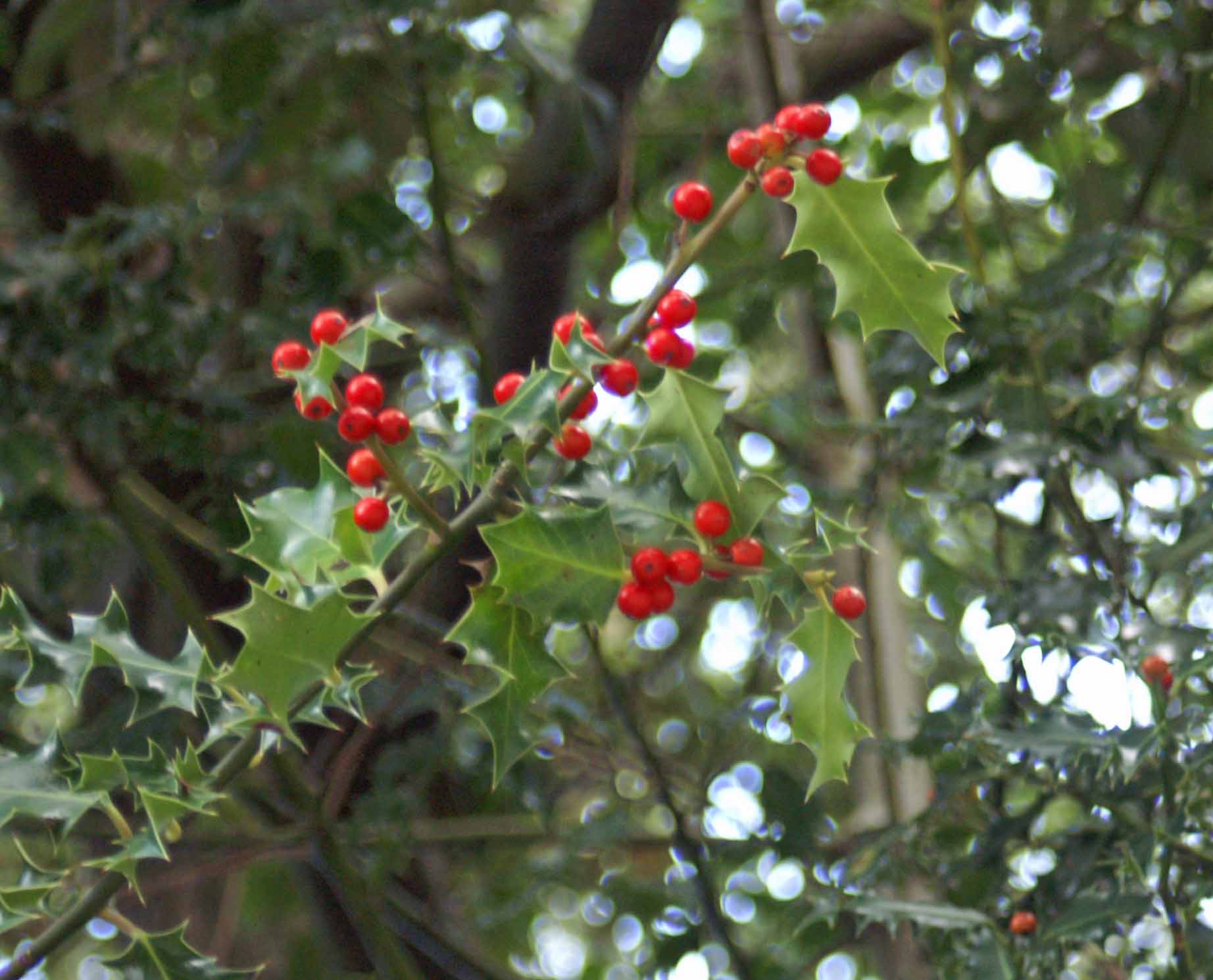
24/9/11-Holly berries

Berries are an important food source for many birds during the winter, especially when the ground is too frozen to hunt worms or snails, and there are few insects about.

Some birds, like song and mistle thrushes, blackbirds, redwings and fieldfares, find most of their winter food from berries.

Most berries are either red or black. This makes the berries easier for birds to find them. Evergreens, and plants that produce berries when their leaves are still green generally produce red berries, which show up well against a green background. Black coloured berries are thought to show up better against leaves that have turned yellow or brown.
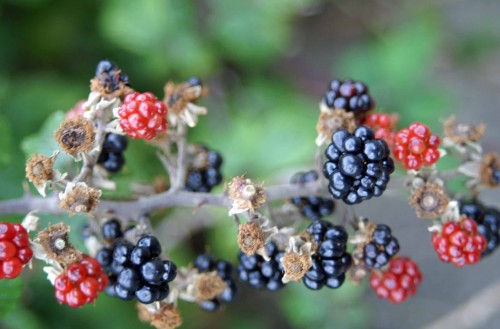
Blackberries

Blackberries are not true berries. They are aggregate fruits, which are fruits grouped together that contain seeds from different ovaries of a single flower.

Birds in a bush

Thrushes and waxwings prefer berries with smaller seeds, like rowan, as they are really only interested in the flesh, whereas other birds, like hawfinches, can make use of the seed itself, and so are attracted to berries with large seeds, such as hawthorn, blackthorn, cherries, and bullace (wild plum).

18/9/11-Blackthorn fruit, or sloes

Prunus spinosa (blackthorn or sloe) is a species of Prunus native to Europe, western Asia, and locally in northwest Africa. It is also locally naturalised in New Zealand and eastern North America.

The fruits, or sloes are blue-black n colour, small and sour. They are traditionally used to make sloe gin, jam and jelly, and are usually picked after the first frosts in late October/early November.

Fruits such as sloes that have a single stone are also not true berries, botanically they are known as ‘drupes‘. Drupes are fleshy fruits produced from a (usually) single-seeded ovary with a hard stony layer (called the endocarp) surrounding the seed. Other drupes are plums, peaches,apricots and cherries.

Share this:

  • Share on Facebook (Opens in new window) Facebook
  • Share on Pinterest (Opens in new window) Pinterest
  • Share on X (Opens in new window) X
Like Loading...

Last of the summer nectar

23 Friday Sep 2011

Posted by theresagreen in Insects, Nature, nature photography, wildflowers

≈ 1 Comment

Tags

Bryn Euryn Nature Reserve, carder bumblebee, common rockrose, hoverflies, knapweed, late summer wildflowers, red-tailed bumblebee

18/9/11-A hoverfly on wild clematis flower

18/9/11-Carder bumblebee on Knapweed

18/9/11-Red-tailed bumblebee on thistles

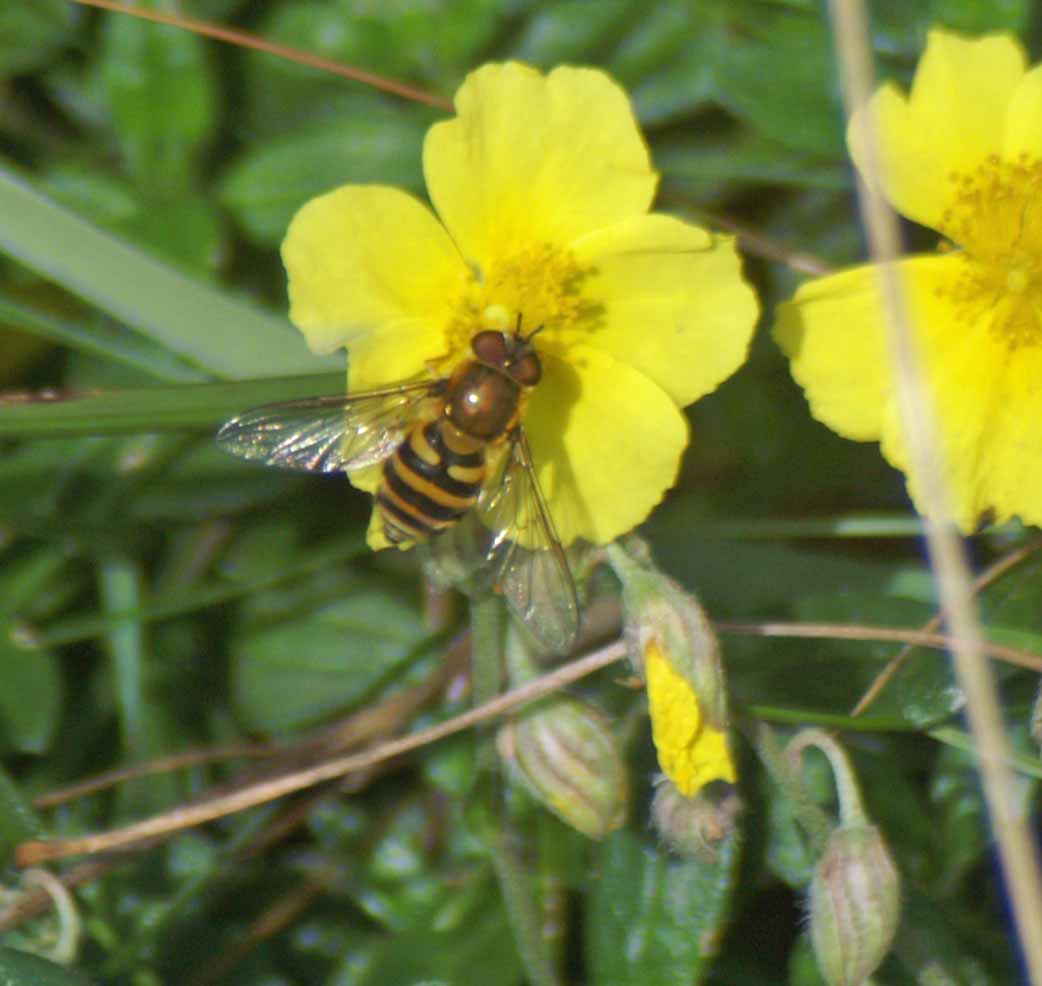
18/9/11-A hoverfly on Common Rockrose

Share this:

  • Share on Facebook (Opens in new window) Facebook
  • Share on Pinterest (Opens in new window) Pinterest
  • Share on X (Opens in new window) X
Like Loading...

Baby seal update

23 Friday Sep 2011

Posted by theresagreen in Nature, nature of woodlands, Seals

≈ 2 Comments

Tags

baby grey seal, baby grey seal rescue, grey seal, guidelines on seal rescue, seals around welsh coasts, welsh mountain zoo

An account of the baby seal rescue was reported in the local paper yesterday, with a picture of a baby Grey seal, (not sure if it was actually him) on the front page, and one of my photos of the actual rescue accompanying the article.

Hopefully the article will help to raise awareness of the proximity to us of these lovely animals and of our responsibility to their welfare. The breeding season for Grey seals is underway now and will mostly go smoothly and escape our notice, but there will be times when intervention is necessary.

Help may at times be called for when it is not necessary, so the RSPCA have published guidelines on their website on how to tell if a baby seal is really in trouble and what to do in that event:

Meanwhile, happily all seems to be going well for the rescued seal pup; now relocated to the safety of the Seal Unit at the Welsh Mountain Zoo, he has been given the name ‘Jakey’ and I have no doubt at all that he is being very well cared for there.

Raising a baby seal is a huge undertaking and I imagine, very labour intensive. In a natural situation, pups would drink about 3 litres a day of their mother’s milk, which is about 60% fat, and their weight increases rapidly, they put on about 35 to 40kg in their first 3 weeks. At the Zoo, rescued pups are fed a special fish-paste diet to begin with, then will be taught to eat whole fish in around a month’s time. He will need to be carefully monitored and the aim is to release him back into the sea sometime in the New Year.

Share this:

  • Share on Facebook (Opens in new window) Facebook
  • Share on Pinterest (Opens in new window) Pinterest
  • Share on X (Opens in new window) X
Like Loading...

Irresistible ivy

22 Thursday Sep 2011

Posted by theresagreen in butterflies, Nature, nature photography

≈ 2 Comments

Tags

bluebottle, Drone fly, hoverflies, importance of ivy to late summer insects, ivy flowers, marmalade hoverfly, Red Admiral

Ivy plants are flowering locally and are drawing in crowds of insects, particularly hoverflies but also bumblebees and butterflies. The flowers are not completely out yet, so I’m sure that there will be more to see shortly, if we have some sunshine, but the following are what I’ve spotted so far.
15/9/11-Red Admiral

Ivy flowers are produced from late summer until late autumn, the individual flowers are small and clustered in 3–5 cm diameter umbels. They are greenish-yellow in colour and very rich in nectar  and an important late autumn food source for many insects.

A bright shiny bluebottle fly

The most numerous insects drawn to the flowers were from various species of hoverfly.

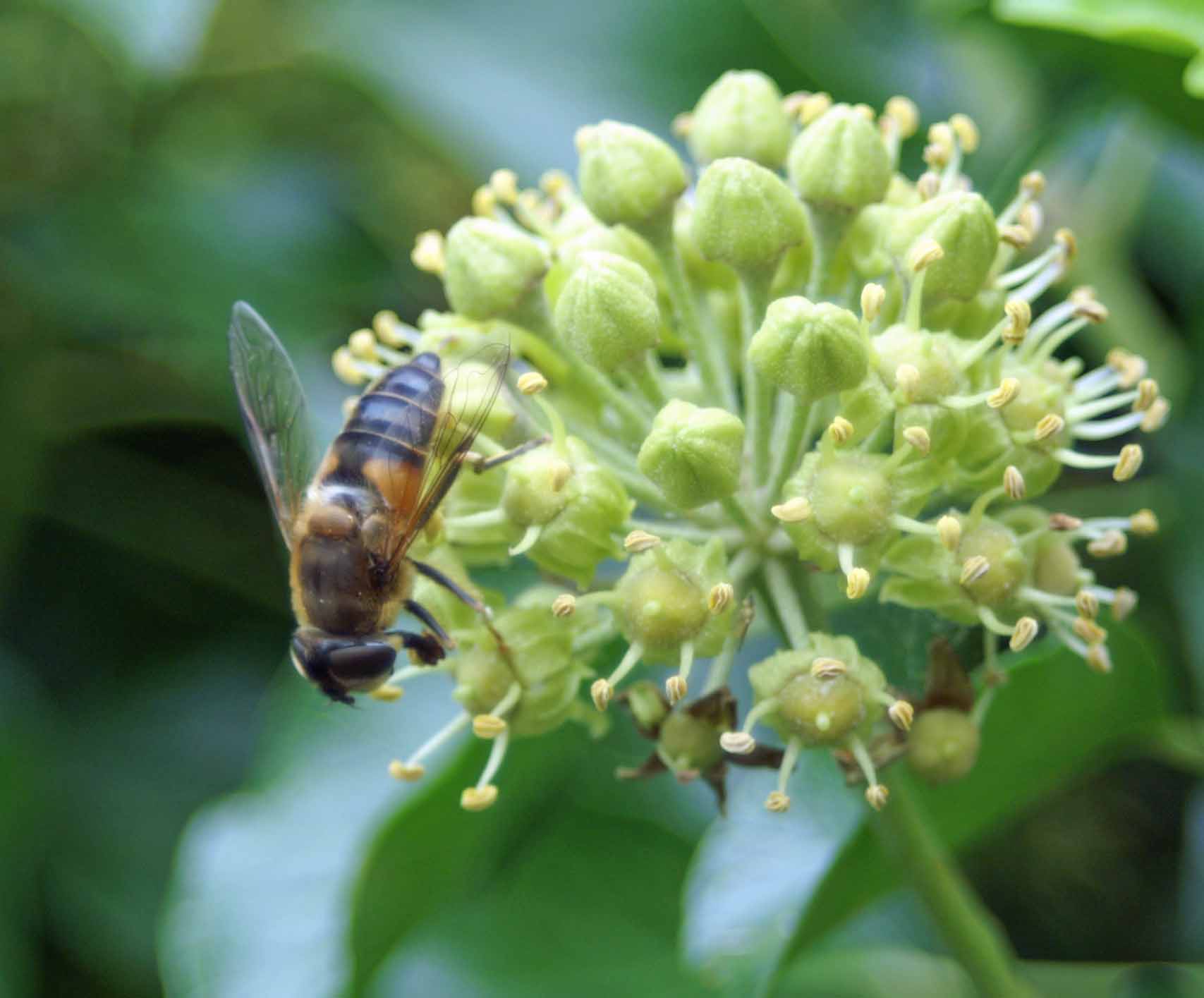
Tapered Drone Fly-Eristalis pertinax

15/9/11-A larger yellow and black hoverfly, not yet identified

15/9/11-Hoverfly-syrphus ribesii

Marmalade Hoverfly-Episyrphus balteatus

Share this:

  • Share on Facebook (Opens in new window) Facebook
  • Share on Pinterest (Opens in new window) Pinterest
  • Share on X (Opens in new window) X
Like Loading...

Hungry Herring Gulls

21 Wednesday Sep 2011

Posted by theresagreen in birds of the seashore, Birdwatching on North Wales coast, Nature, Nature of Wales, Rhos-on-Sea

≈ 2 Comments

Tags

colwyn bay beach, herring gull, herring gull feeding behaviour, herring gull juveniles begging for food, larus argentus

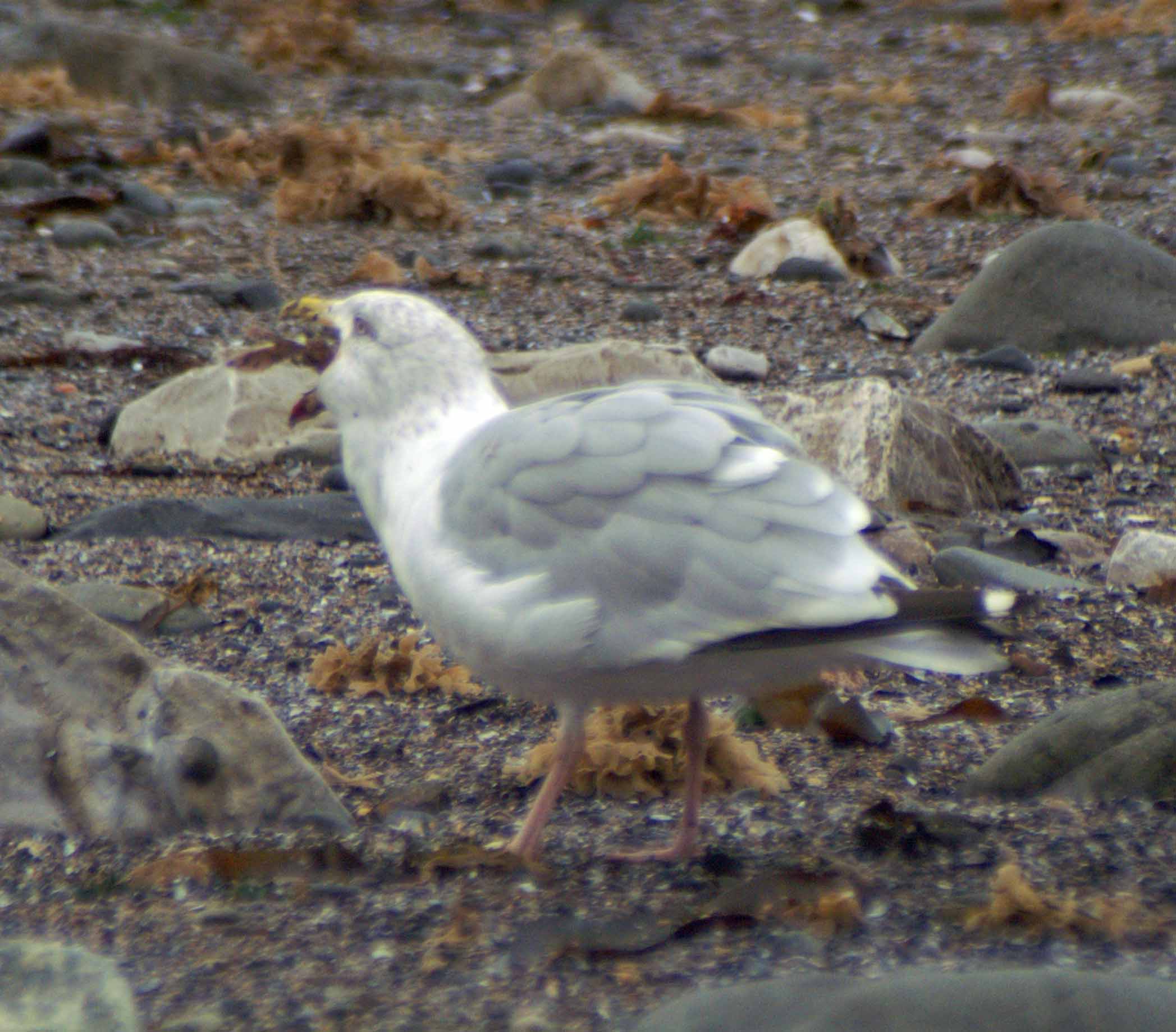
Walking along the sea shore the other day I came across a Herring Gull in the process of eating a fish. I have no idea what species of fish it was, all I can say is that it was a flat fish and either whole or almost-whole, either way, large enough for me to be amazed that a bird could even attempt swallow it.

17/9/11-The gull with most of the fish in its gullet

17/9/11- It was not going down easily, so it had to come back up again

17/9/11-A second attempt -and this time the fish disappeared

17/9/11- All that remained was a lump in the gull's crop - it should keep him going till at least lunchtime

Herring Gulls are  omnivores and opportunists like most Larus gulls, and will scavenge from rubbish dumps, landfill sites, and sewage outflows; food obtained this way may comprise up to half of the bird’s diet. Despite their name, they have no special preference for herrings — in fact, examinations have shown that echinoderms and crustaceans comprised a greater portion of these gulls’ stomach contents than fish.

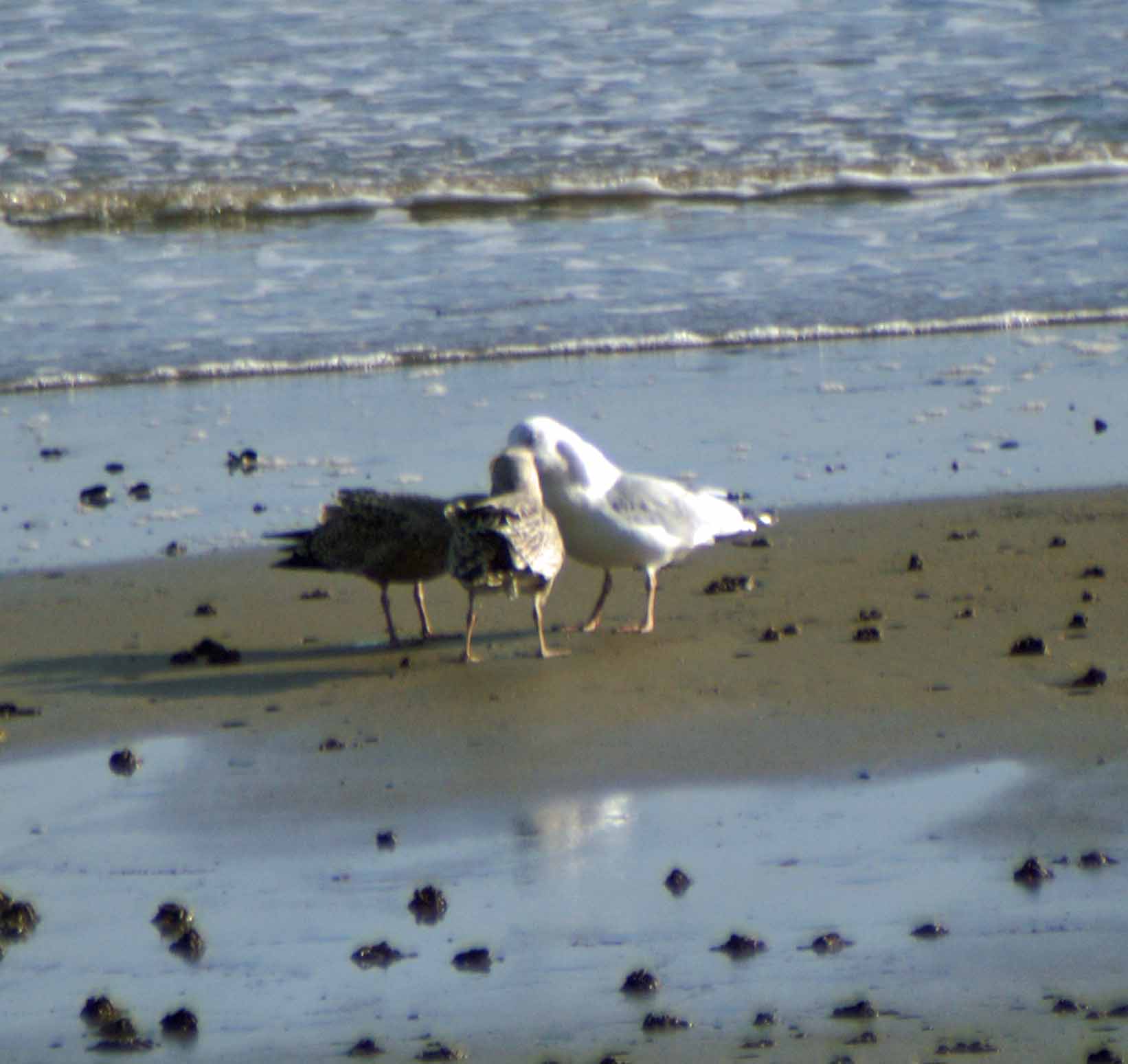
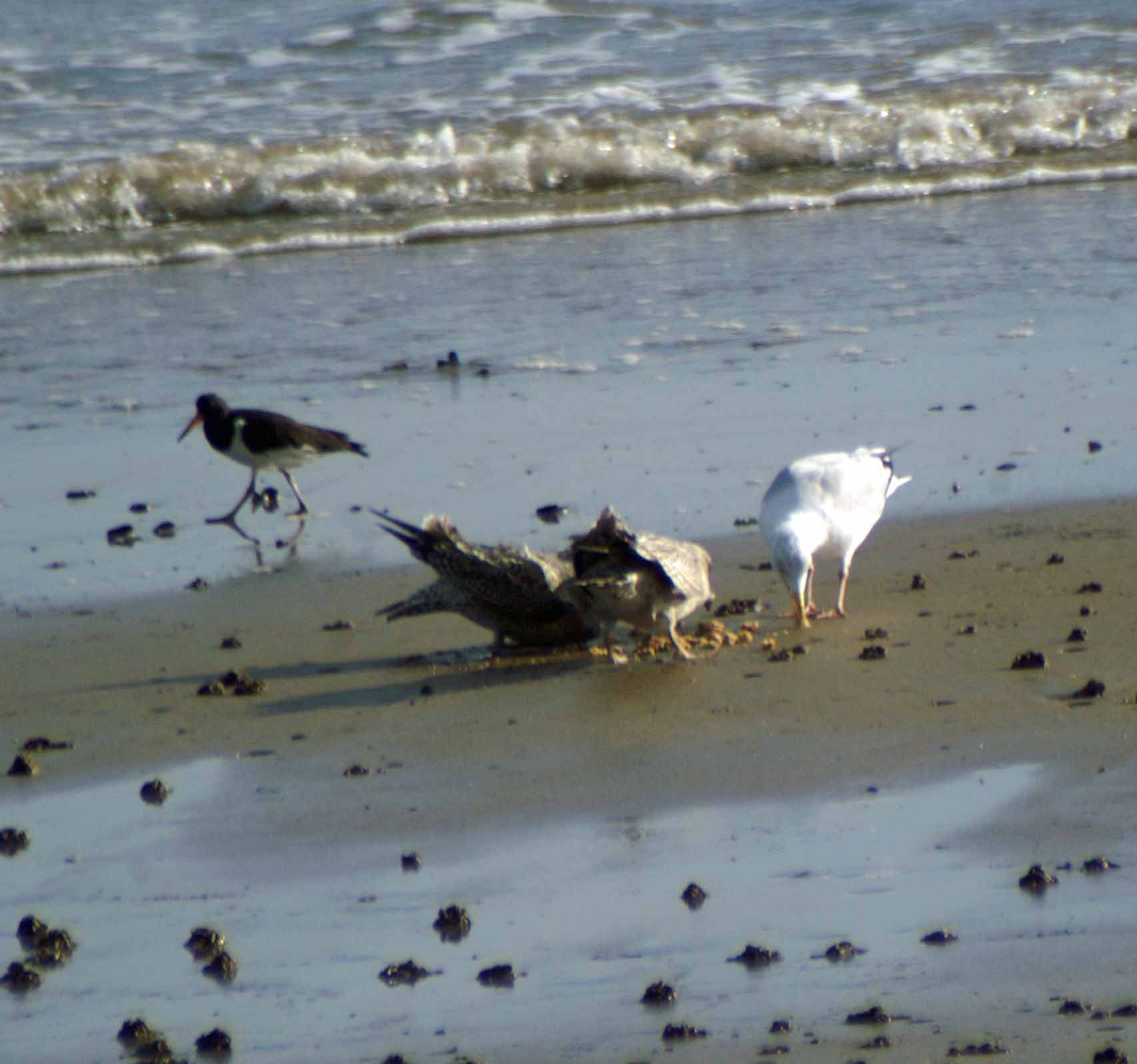
On Colwyn Bay seashore I witnessed more gull feeding behaviour, this time two juveniles were begging an adult, presumably a parent, to feed them.

Young Herring gulls persuading a parent to feed them

Juveniles use their beaks to “knock” on the red spot on the beaks of adults to indicate hunger. Parents typically disgorge food for their offspring when they are “knocked”.

Parent gulls will feed their offspring for up to 6months if they continue to beg

Chicks are generally fed by their parents until they are 11–12 weeks old but the feeding may continue up to six months of age, if the young gull continues to beg. The male feeds the chick more often than the female before fledging, the female more often post-fledging.

The adult was persuaded to disgorge what it had eaten onto the sand

The young birds begging did the trick and the adult disgorged whatever it had eaten onto the beach, which did not look at all appetising from where I was standing, but the three birds seemed to be happy with it.

Share this:

  • Share on Facebook (Opens in new window) Facebook
  • Share on Pinterest (Opens in new window) Pinterest
  • Share on X (Opens in new window) X
Like Loading...

Baby seal rescue

19 Monday Sep 2011

Posted by theresagreen in Nature, nature photography, Rhos-on-Sea, Seals

≈ 1 Comment

Tags

grey seals, observing seals, seals, seals around welsh coasts, welsh mountain zoo, white baby seals, white baby seals on seashore

The insistent barking of his dog alerted its owner to the plight of a young Grey Seal trapped beneath the huge boulders of the extra sea defence in front of the promenade wall at Rhos-on-Sea on Thursday morning. He put in a call that resulted in the arrival of a team from the Welsh Mountain Zoo Seal Rescue Unit to assess the situation; they will only intervene when it is absolutely crucial to the survival or well-being of an animal.

In this instance help was needed as the hapless youngster had worked its way through spaces between the rocks, ultimately becoming trapped. It was clear that the seal was unable to retrace its path back to the shore and was therefore also out of the reach of its mother. Someone said that the mother, spotted swimming offshore earlier, had been frightened away by a jet-skier, but in any case she would not have approached her baby whilst we were anywhere nearby.

The baby seal was still on shore level, but due to the slope of the boulders, from a rescue perspective he was at the bottom of a deep hole and underneath a rock. One of the team, Michelle, was small enough to squeeze down to reach the seal, but getting him out was another matter. A baby Grey Seal is born weighing in at around 14-15kg (30lbs), so no lightweight and the awkwardness of this one’s position further added to the problem. With no lifting equipment available, some creative thinking was called for and someone had the inspiration to try improvising a hoist from dog leads. There were plenty available amongst the small crowd of concerned onlookers that had stayed to offer moral support throughout the rescue and although not ideal, Michelle managed to loop one around the seal’s well-padded body and pass it up to the girls at the top, who carefully hauled him out.

The baby was finally lifted out

It was unharmed and seemed fit and healthy, but the fresh appearance of his still-attached umbilical cord indicated that it was very young – probably no more than a day or so old.

The baby seal was carefully lifted

It was placed carefully on a rock

The fresh umbilical cord shows the baby is no more than a day or so old

The baby was placed at the sea edge in the hope that its mother would return to it

It was hoped that by placing him on the shore close to the rocks that the mother would soon find him.

Alone on the seashore the baby seal looked very small and vulnerable

A LITTLE LATER

Passing the spot a short time later I heard him calling and spotted him in the water where he appeared to be struggling and was being knocked against the rocks by the waves of the incoming tide. There was still no sign of the mother; although she may have been nearby, any sight she had of people would be perceived as dangerous to her baby or herself and she would not approach, so the area needed to be very quiet.

LATE AFTERNOON

Later again I returned to the promenade and heard the loud and plaintive calls of the baby seal as I crossed the road. They seemed to be coming from very close to the spot he had originally been rescued from and as I couldn’t see him from above, I walked along the shore edge to try to find where he was exactly.  I was pleased to see Michelle who had received another call reporting that the seal was still there and sounding distressed. She climbed up onto the rocks and had a look around, but the seal had now stopped calling and could have been anywhere. She told me the RSPCA would return on Friday morning and if the seal was still there that they would take it to the Seal Sanctuary to be cared for.

THE NEXT DAY

I heard from Michelle, who is Head Keeper at the Welsh Mountain Zoo who had carried out the hard part of the first rescue attempt, she said:

” This rescue was one I’ll never forget. My muscles ache, I have bruises in odd places after climbing down the rocks into a small dark place. But it was worth it! I went down again after work (about 8pm), located it and with help from passers by and this time a catch pole that I brought with me, we got the seal out. It was in the wrong place and weaker than in the morning, so I brought it back to the seal unit where it is now much quieter as it’s not hungry anymore”.

Michelle Pywell

Welsh Mountain Zoo – National Zoo of Wales

Colwyn Bay, Conwy LL28 5UY

ABOUT THE NORTH WALES SEA RESCUE CENTRE

Since the zoo opened in 1962 a wide variety of injured and orphaned native species have been brought in for care and rehabilitation. Most of this care, in recent years, has concentrated on young grey and occasionally common seals.

This work is carried out in collaboration with the RSPCA, and in 1997 the North Wales Seal Rescue Centre was opened at the zoo. The centre has two filtered pools and an indoor intensive care unit. This development, funded by zoo friends and supporters, has resulted in an improvement in the care given, and an increase in the number of animals treated, before their release back into the sea.

The RSPCA has advice on what to do if you think you may have spotted a baby seal in trouble: http://www.rspca.org.uk/utilities/faq/-/question/ENQWADStrandedSealPupsOnOwn


Share this:

  • Share on Facebook (Opens in new window) Facebook
  • Share on Pinterest (Opens in new window) Pinterest
  • Share on X (Opens in new window) X
Like Loading...

Turnstones

19 Monday Sep 2011

Posted by theresagreen in wading birds

≈ 4 Comments

Tags

bird migration, birds on the seashore, brown black and white bird with orange legs, migrant birds, rhos-on-sea, small wading birds, Turnstone, turnstone flock

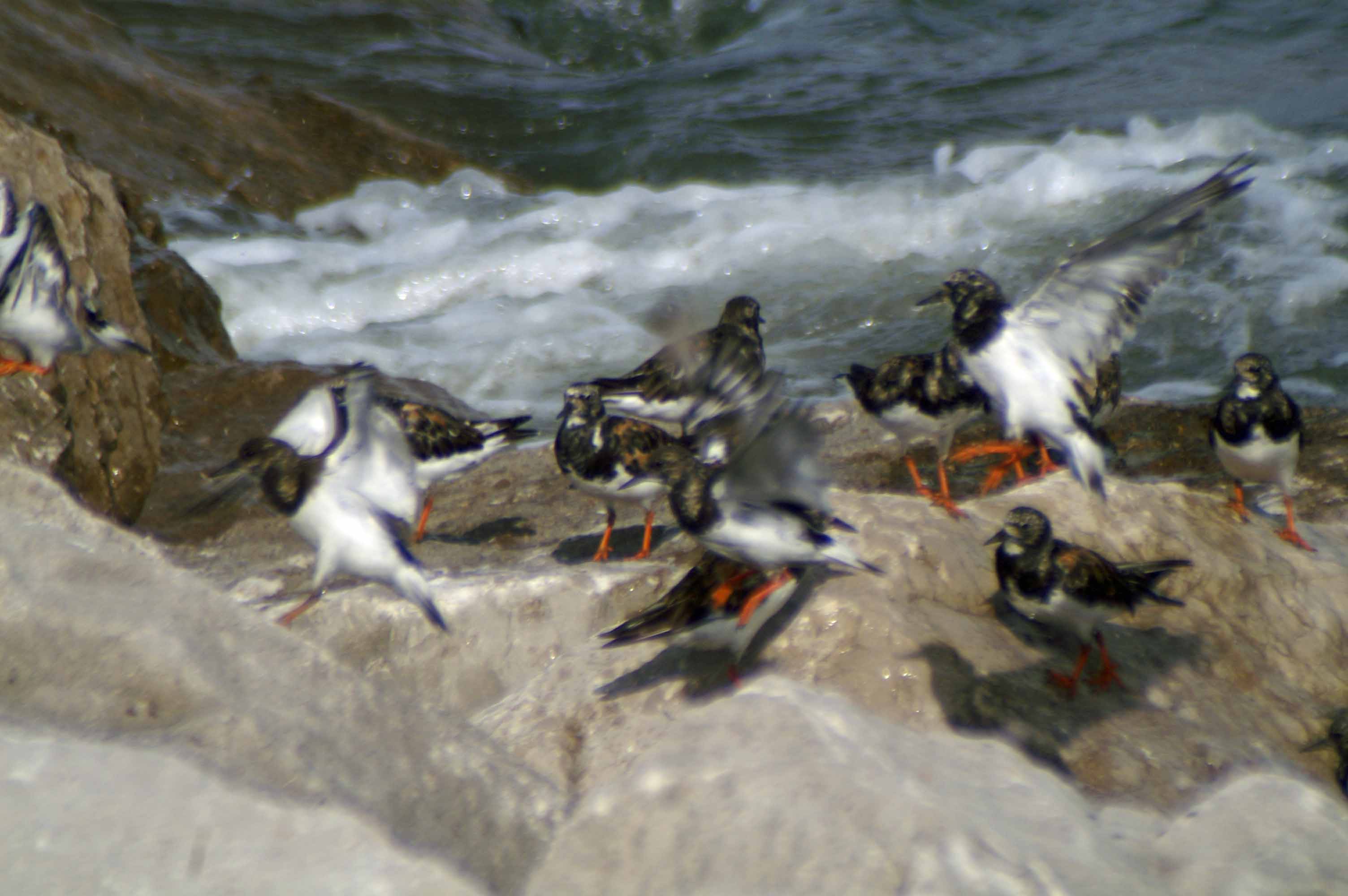
The tide was high this morning when I arrived at the promenade, so I was not expecting to see many birds about foraging on the shore, but I’m happy enough to just watch the sea, so I looked out over the railings anyway . I’m glad I did that, as there beneath me, a whole flock of Turnstones were perched atop the sea-defence boulders immediately below. The birds were either resting quietly or catching up on their preening as they waited for the tide to turn and expose the rock shore once more.

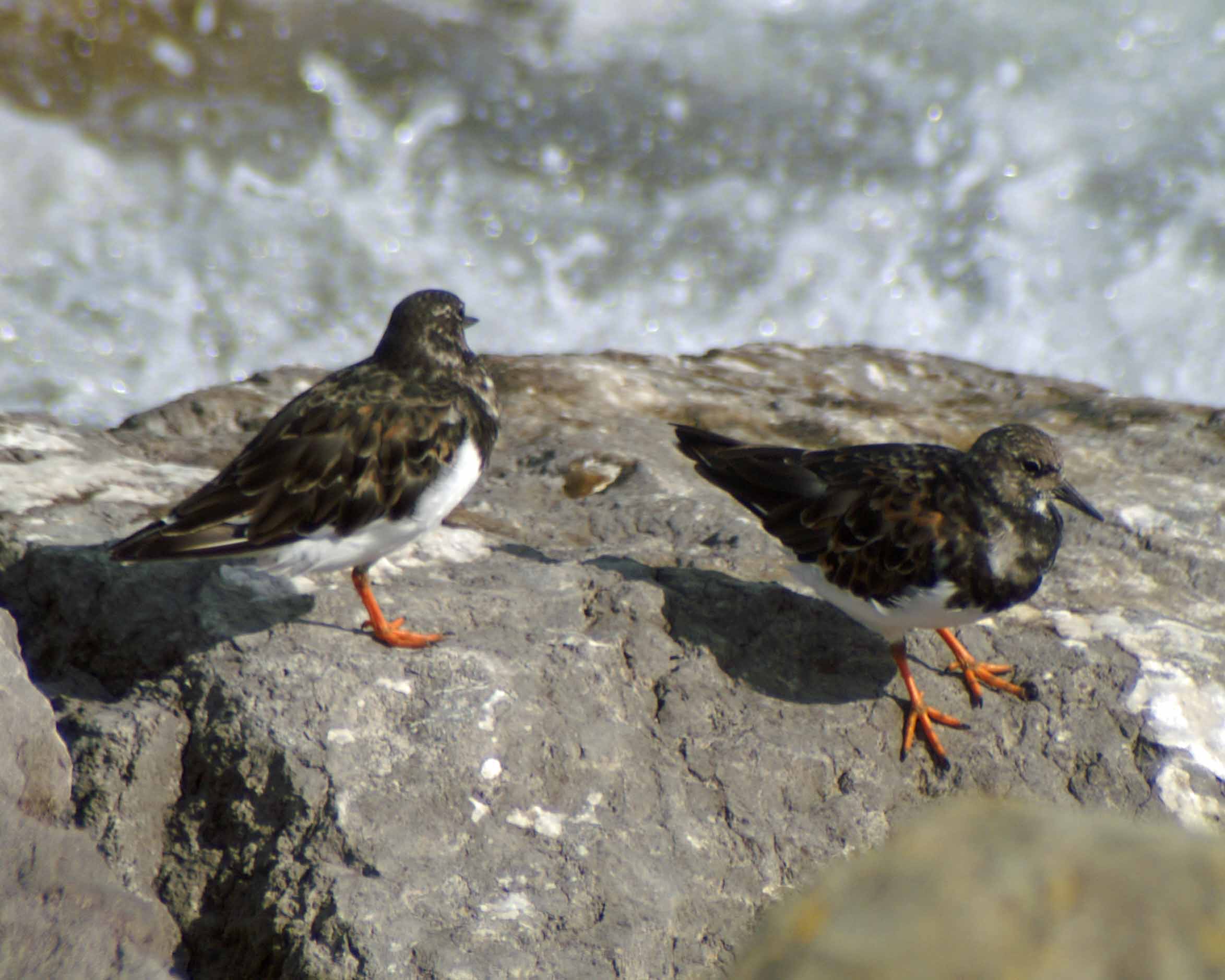
11/9/11- Turnstone dozing

Turnstone-Arenaria interpres

Turnstones are distinctive medium-sized waders. They are high Arctic breeders, and are migratory. They are chunky powerful birds that have strong necks and bills that are well suited to their feeding technique. As the name implies, these species readily turn stones, shells or seaweed looking for hidden invertebrates. They eat insects, crustaceans and molluscs.
11/9/11-Members of the flock were resting or preening their feathers

As the birds were obligingly still, I counted 70 birds in varying sized groups spread along a length of the rocks, but there may have been more below and out of my sight.
11/9/11-The birds' rest was temporarily disturbed by a splashing wave

It would be interesting to know where the birds have come from as these particular birds have not been here for long. Turnstones are present around our coastline for most of the year. Birds from Northern Europe pass through in July and August and again spring, then Canadian and Greenland birds arrive in August and September and remain until April and May. Non-breeding birds may stay through the summer.

11/9/11-Plumage is mottled shades of brown, black, grey and chestnut brown. The head is patterned either brown and white or black and white. Underparts are white. Legs are orange.

Turnstones spend most of their time foraging creeping and fluttering over rocks, picking out food from under stones.

Their appearance is striking in flight, with white patches on the back, wings and tail.

Where to see them

Turnstones are found all around the UK coastline. They are strictly coastal,and are seen on stony, sandy and muddy shores beaches and are often found together with other waders such as Purple Sandpipers. The birds particularly like feeding on rocks covered with seaweed, and will feed along seawalls and jetties.


Share this:

  • Share on Facebook (Opens in new window) Facebook
  • Share on Pinterest (Opens in new window) Pinterest
  • Share on X (Opens in new window) X
Like Loading...

Northern Wheatears stop-over

18 Sunday Sep 2011

Posted by theresagreen in Birdwatching on North Wales coast, Nature

≈ Leave a comment

Tags

bird migration, birds on rocks, Northern Wheatear, northern wheatear migration, northern wheatear non-breeding plumage, oenanthe oenanthe, penrhyn bay

Summer is definitely on the wane and signs of encroaching autumn are becoming increasingly apparent on an almost daily basis. The hoped-for Indian Summer has yet to arrive and the weather continues to be as unpredictable as ever. It keeps life interesting though and the new season has already brought forth some amazing sightings of birds that threaten to dominate the blog now if I’m not careful. I thought I might feature one particular species of bird every week or so, beginning with the Northern Wheatear as they are clearly on migration now and sightings will probably be sporadic and for a brief time only.

9th September

Walking along the promenade between Rhos-on-Sea and Penrhyn Bay I stopped to watch some Pied Wagtails that were chasing flies along a length of the wall and over the big boulders of the sea defense. I love their agility and grace and could watch them for ages, but today I was distracted from their antics by the presence of a less common visitor, a handsome Northern Wheatear.

9/9/11-A very strongly-coloured individual

The Northern Wheatear or Wheatear (Oenanthe oenanthe) is a small passerine bird that was formerly classed as a member of the thrush family Turdidae, but is now more generally considered to be an Old World flycatcher, Muscicapidae. It is the most widespread member of the wheatear genus  Oenanthe in Europe and Asia.

9/9/11-Wheatears are larger than a European Robin at 14.5-16cm in length. Both sexes have a white rump with a black inverted 'T' pattern at the end of the tail.

The Northern Wheatear is a migratory insectivorous species breeding in open stony country in Europe and Asia with footholds in northeastern Canada and Greenland as well as in northwestern Canada and Alaska. It nests in rock crevices and rabbitburrows. All birds winter in Africa.

9/9/11-Wheatears have the typical upright stance of Members of the thrush family

I am more used to seeing these birds in their summer breeding plumage; in Spain they breed in the mountains, and in Wales I have seen them in mainland Pembrokeshire and on Skomer Island,when males and females have been easy to separate. The distinctive plumage of the summer male has grey upperparts, buff throat and black wings and face mask. However, in autumn it resembles the female apart from the black wings. The female is pale brown above and buff below with darker brown wings.

I’m not altogether sure what sex the ones I saw belong to – the difference in the strength of colour on the breasts was quite marked, with some individuals being a very warm pink-orange and others a paler buff-pink.

9/9/11- The Wheatears feed on insects and larvae

The male has a whistling, crackly song. Its call is a typical chat chack noise.

Migration 

The birds I am seeing here will be on their return journey to Africa where they will spend the winter, stopping over to take advantage of any available food to fuel the next stage of their journey south.

9/9/11- Glimpsed from this angle, the Wheatear may be confused with a European Robin

The Northern Wheatear makes one of the longest journeys of any small bird, crossing ocean, ice, and desert. It migrates from Sub-Saharan Africa in Spring over a vast area of the northern hemisphere that includes northern and central Asia, Europe, Greenland, Alaska, and parts of Canada. In Autumn all return to Africa, where their ancestors have wintered.

Birds of the large, bright Greenland race, leucorhoa, makes one of the longest transoceanic crossings of any passerine. In spring most migrate along a route (commonly used by waders and waterfowl) from Africa via continental Europe, the British Isles, and Iceland to Greenland. However, autumn sightings from ships suggest that some birds cross the North Atlantic directly from Canada and Greenland to southwest Europe (a distance of up to 2500 km). Birds breeding in eastern Canada are thought to fly from Newfoundland to the Azores (a distance of 1600 km) before flying onwards to Africa. Other populations from western Canada and Alaska migrate by flying over much of Eurasia to Africa.

Share this:

  • Share on Facebook (Opens in new window) Facebook
  • Share on Pinterest (Opens in new window) Pinterest
  • Share on X (Opens in new window) X
Like Loading...

Conwy castle, bridge and town wall walk

18 Sunday Sep 2011

Posted by theresagreen in Nature

≈ Leave a comment

Tags

castle towers, Conwy castle, conwy town walls, medieval town, river conwy, suspension bridge, Thomas Telford bridge, Welsh Castles, World Heritage Sites

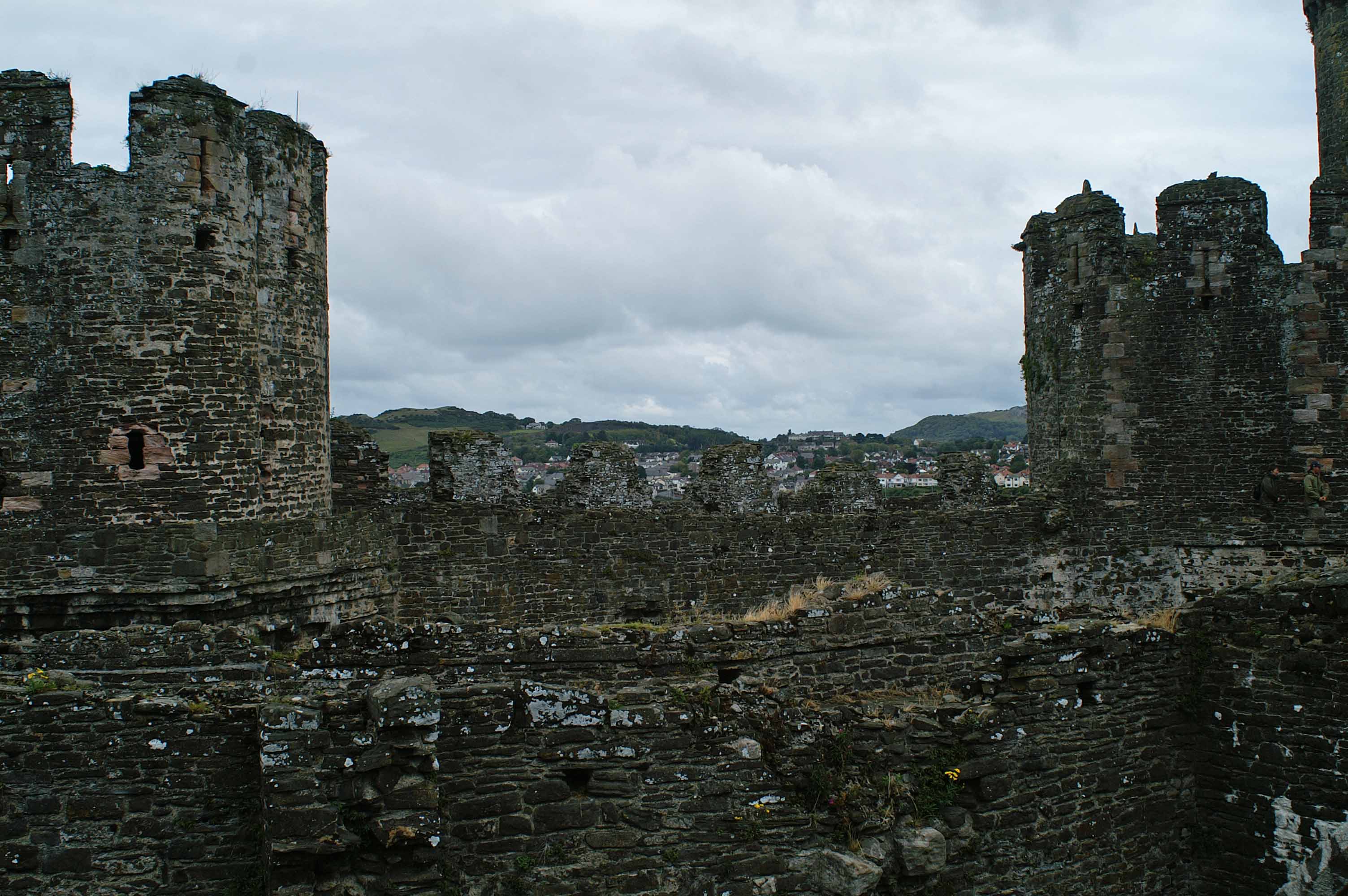
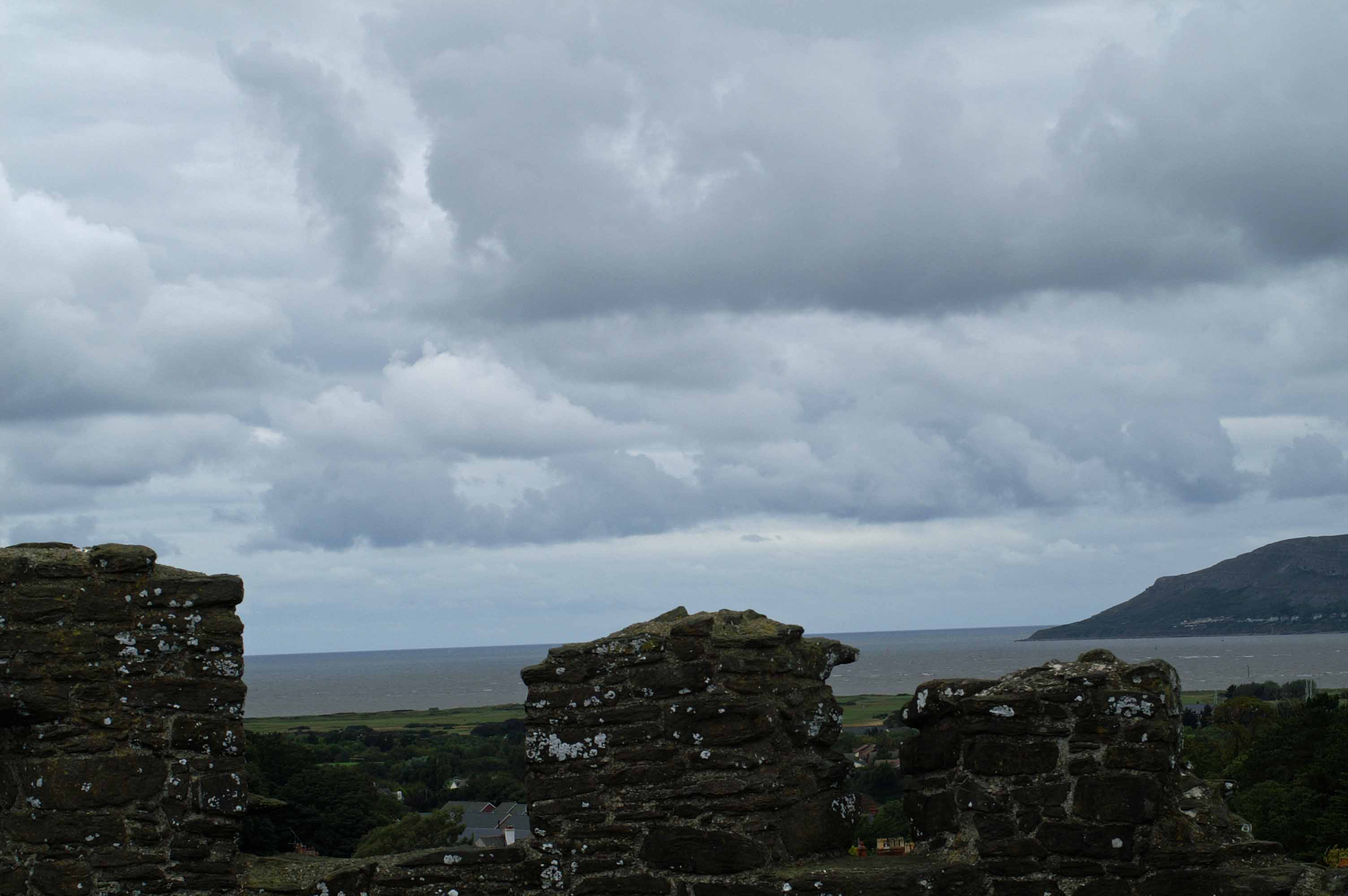
I hadn’t been inside Conwy castle until today and found it fascinating. It is very well preserved, particularly the towers which are well worth the effort of climbing via their spiral stone staircases to see the fantastic panoramic views.

29/8/11-Conwy castle & railway bridge

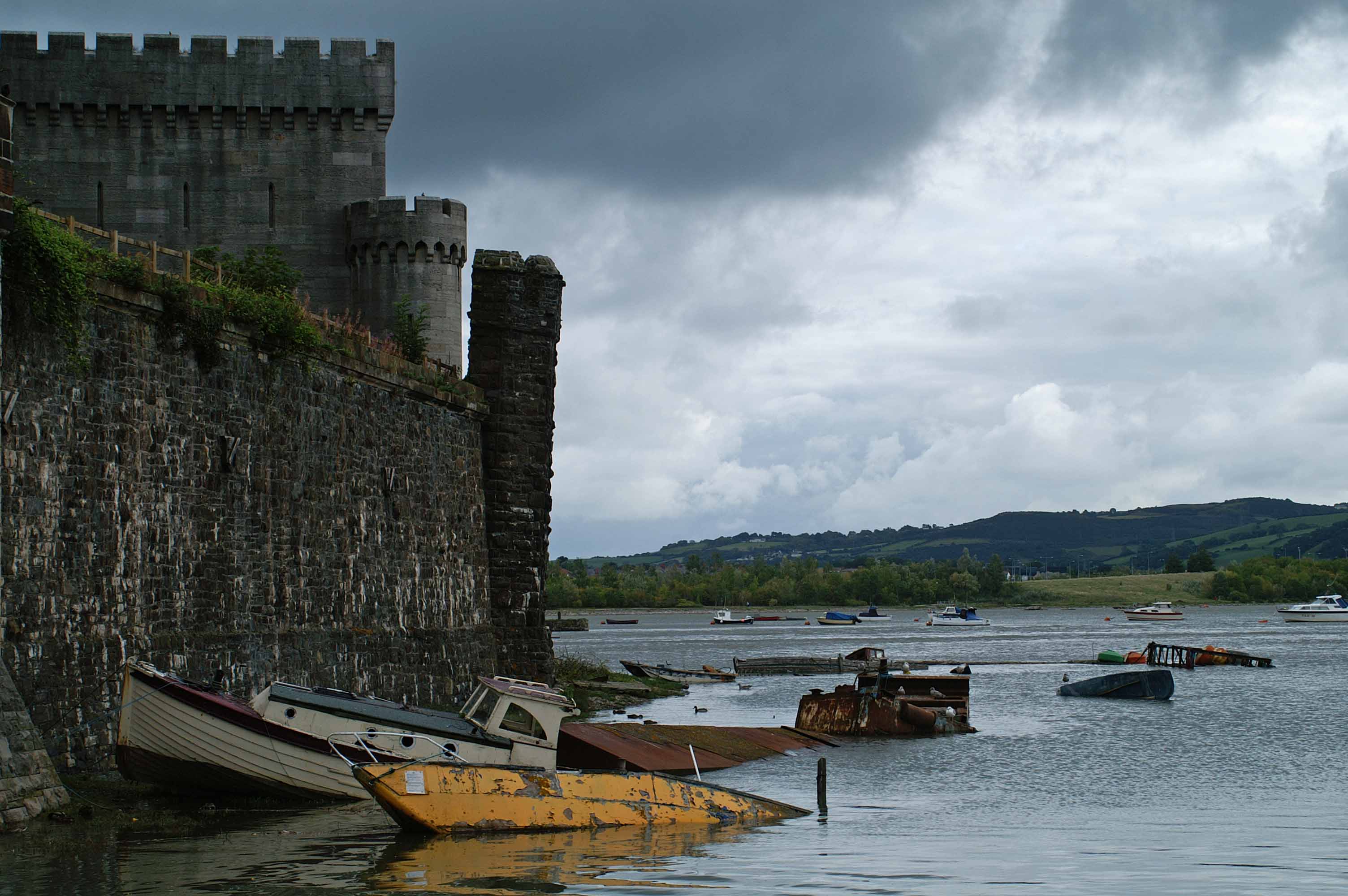
29/8/11-Castle wall, river and boats

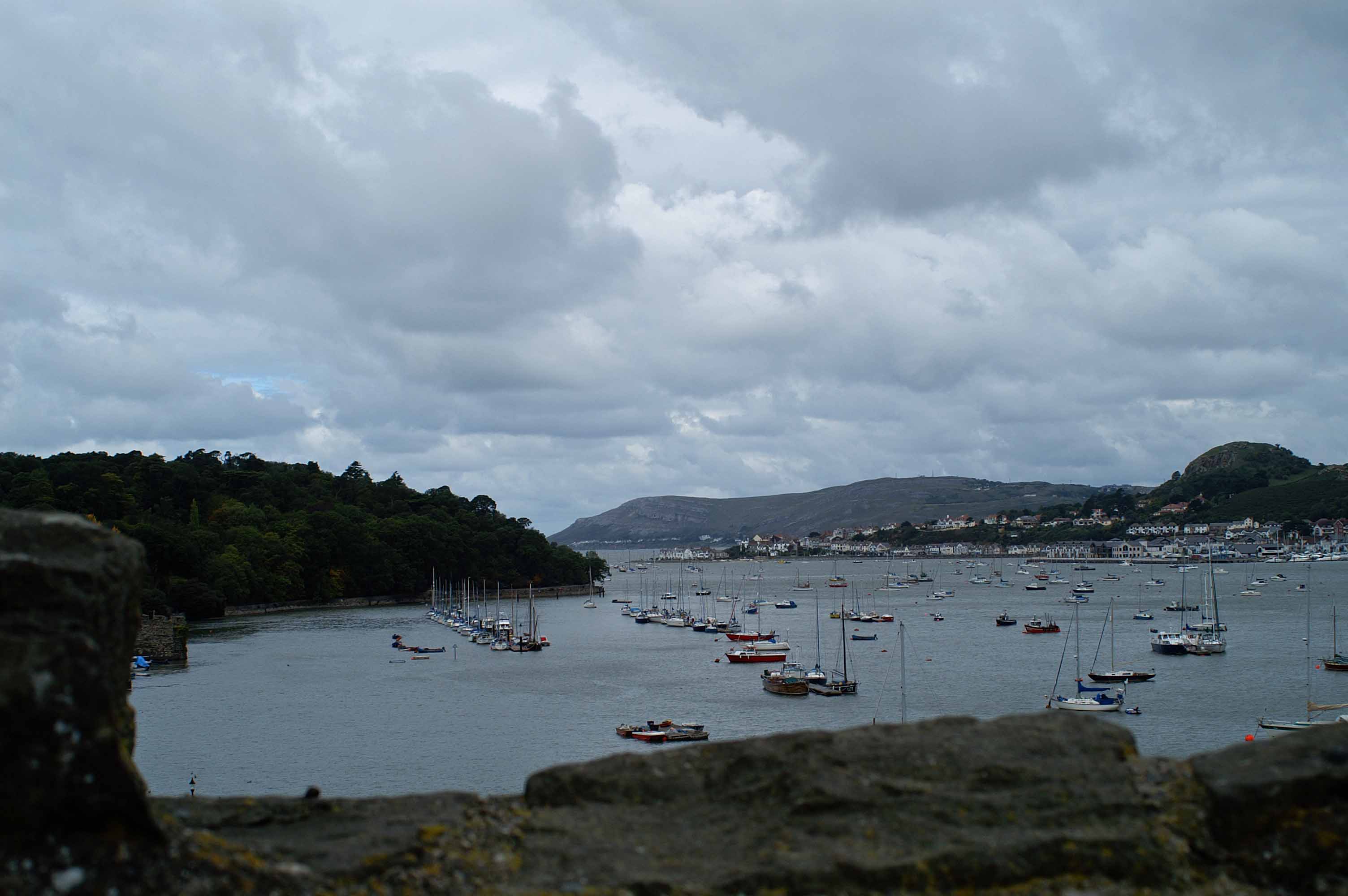
29/8/11-View from castle wall of the harbour and river to estuary

29/8/11-View of harbour from castle wall

29/8/11-Castle walls and towers

29/8/11-Castle tower tops

29/8/11-Sea view

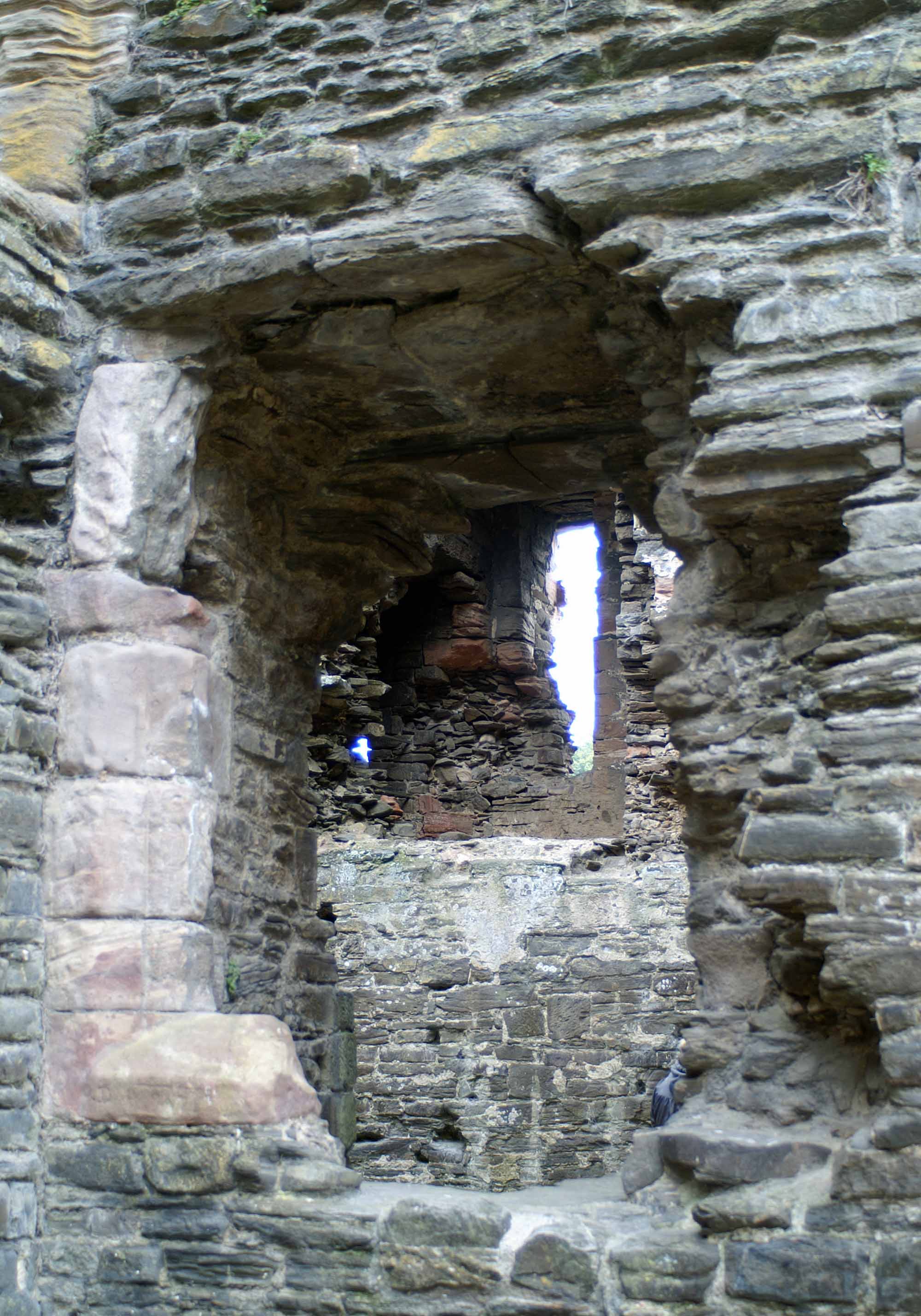
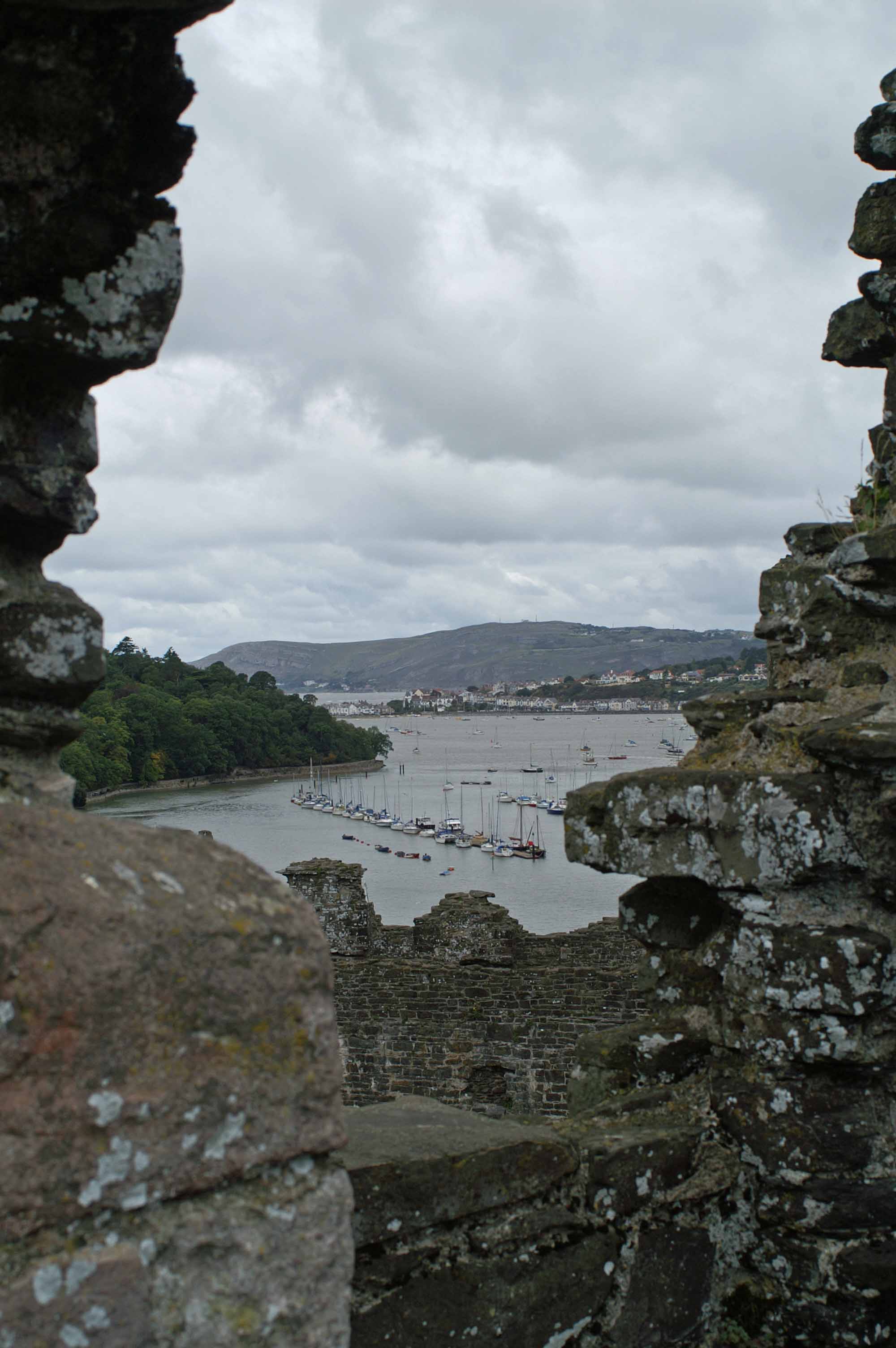
29/8/11-Views through windows

29/8/11-The harbour and downriver to the estuary

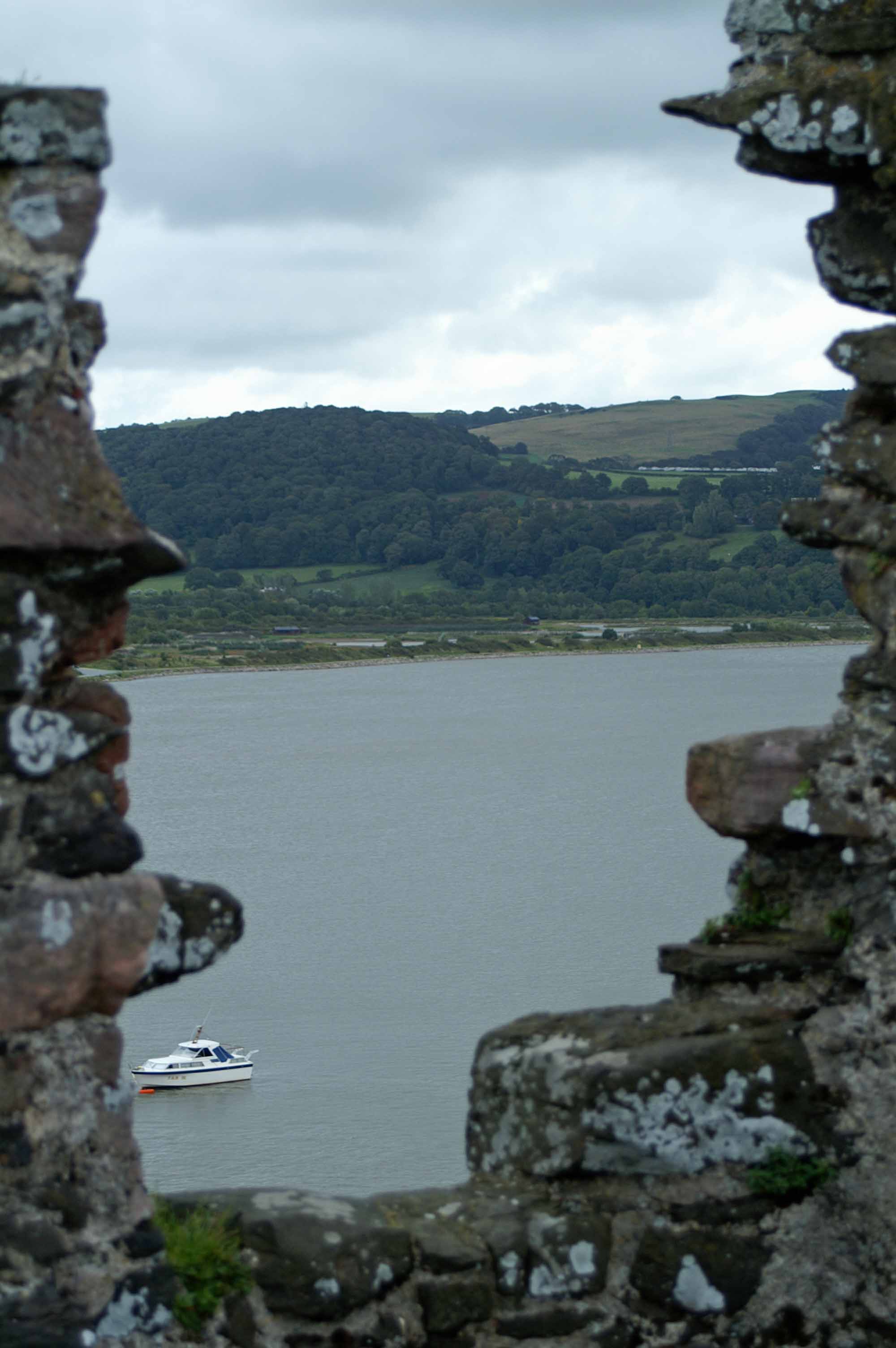
29/8/11-View of river and white boat

The suspension bridge

Conwy Suspension Bridge, was one of the first road suspension bridges in the world and is now in the care of the National Trust.

29/8/11-Conwy suspension bridge

Built by Thomas Telford, the bridge is a suspension bridge spanning the River Conwy; it was completed in 1826 and replaced the ferry that once operated from the same point. Telford matched the bridge’s supporting towers with the castle’s turrets. It is constructed in the same style as one of Telford’s other bridges, the Menai Suspension Bridge crossing the Menai Strait. The Conwy bridge runs parallel to the wrought iron tubular railway bridge built by Robert Stephenson.

Built into the rock on which the castle stands, the bridge is very close to the castle and very narrow (only about 2½ metres across). Part of the castle had to be demolished during construction in order for the suspension cables to be anchored into the rock. The new bridge is not the main route across the River Conwy — the crossing of the River Conwy has always been a problem and today the A55 road goes under the river by tunnel — but it is the major way across for local traffic.

The Town Walls

29/8/11-The town within its walls

There are just three access points to the town walls and we began our walk around them at the point near to the harbour, then finished behind the railway station. It is quite a long walk and as the walls follow the contours of the land they were built on, some lengths are steeply sloped, but again, it allows some fascinating views of the town, the castle and the surrounding countryside.

29/8/11-Castle, bridge, river and town from walls

29/8/11-The castle viewed across the town from the walls

29/8/11-The castle from the town walls

29/8/11-The castle and bridge viewed from Deganwy

Share this:

  • Share on Facebook (Opens in new window) Facebook
  • Share on Pinterest (Opens in new window) Pinterest
  • Share on X (Opens in new window) X
Like Loading...

Stormy Bank Holiday weather

17 Saturday Sep 2011

Posted by theresagreen in Nature

≈ Leave a comment

Tags

colwyn bay pier, crashing waves, dramatic weather, rhos-on-sea, stormy sea, stormy weather

The Met Office raised the alarm over “persistent, heavy and possibly thundery rain” across south-west England and parts of south Wales on Friday, spreading to east and north-east England later in the day. For Saturday and Sunday, the warnings spread to north-east Scotland, the Orkneys and Shetland, which could face spells of torrential rain and winds of up to 50mph. Overall, the UK is anticipating a particularly gloomy weekend weather-wise. The traditional end to the summer season is likely to see temperatures struggling to a lukewarm peak of 18C (64F), even if many places will escape heavy rain.

There was no specific mention of North Wales in the above weather bulletin, but all of the above applied, including the rain. With my two small granddaughters visiting and anticipating some  sea-side fun, the weather certainly provided a challenge. On Monday, dressed warmly and armed with raincoats, we decided to take them to Conwy to explore the castle and weather permitting, to take a walk around the town walls.

Although it wasn’t raining when we left the house, it was quite breezy and the sea at Rhos was quite rough, but a bit further round the bay in front of the old pier at Colwyn, it was wild, with waves crashing over the lower sea walls. We sat in the car watching for a while, but I had to get out and take some photographs.

(click on images to make them larger)

28/8/11-The view back towards Rhos-on-Sea

28/8/11- A cycle of big waves beginning to build

28/8/11-Waves continuing to build

28/8/11-The force of the waves was quite scary

28/8/11- The full force of the biggest wave in the sequence

Share this:

  • Share on Facebook (Opens in new window) Facebook
  • Share on Pinterest (Opens in new window) Pinterest
  • Share on X (Opens in new window) X
Like Loading...
← Older posts
Follow everyday nature trails on WordPress.com

Enter your email address to follow this blog and receive notifications of new posts by email.

‘But it is the common species that keep the living world ticking over and provide most of our experiences of wildlife, and I would argue that maintaining the abundance of these is as important a conservation priority as maintaining the existence of rarities’. Richard Mabey

MOST RECENT POSTS

  • A Glimpse of Spring to Come January 22, 2025
  • Hunting the Wren December 28, 2024
  • Oh, Christmas Tree December 18, 2024
  • In and Out of the Ivy February 15, 2024
  • Nature’s Fireworks November 30, 2023
  • Wild Autumn along the Coast Path November 3, 2023

OLDER POSTS

LOOKING FOR SOMETHING IN PARTICULAR?

  • Shades, Sounds and Scents of the Woods
    Shades, Sounds and Scents of the Woods
  • Fine Dining for Crows
    Fine Dining for Crows
  • Following a river to a Fairy Glen
    Following a river to a Fairy Glen
  • Sights and Sounds from the Little Orme 1
    Sights and Sounds from the Little Orme 1
  • May Bee Appearing on Ivy near You
    May Bee Appearing on Ivy near You
  • The Windhover
    The Windhover
  • Catchers, a Duck and Divers
    Catchers, a Duck and Divers
  • The life of a Yellow Dung-fly
    The life of a Yellow Dung-fly
  • Keeping up with the Herring Gulls
    Keeping up with the Herring Gulls
  • Beautiful blooms and some rare treats (1)
    Beautiful blooms and some rare treats (1)

nightingale trails

The Walk of the Monarch Butterfly-Sendero de la Mariposa Monarca

The Walk of the Monarch Butterfly-Sendero de la Mariposa Monarca

MY WILDFLOWER BLOG: where the wildflowers are

Snowdrop

Snowdrop

most recent posts

Follow everyday nature trails on WordPress.com

Social

  • View teresamaygreen’s profile on Twitter

Enter your email address to follow this blog and receive notifications of new posts by email.

Website Built with WordPress.com.

  • Subscribe Subscribed
    • everyday nature trails
    • Join 358 other subscribers
    • Already have a WordPress.com account? Log in now.
    • everyday nature trails
    • Subscribe Subscribed
    • Sign up
    • Log in
    • Report this content
    • View site in Reader
    • Manage subscriptions
    • Collapse this bar
 

Loading Comments...
 

    %d