Tags
autumn colour, chestnut brown slug, fungi on trees, leicester botanical gardens, quince fruit, white berries
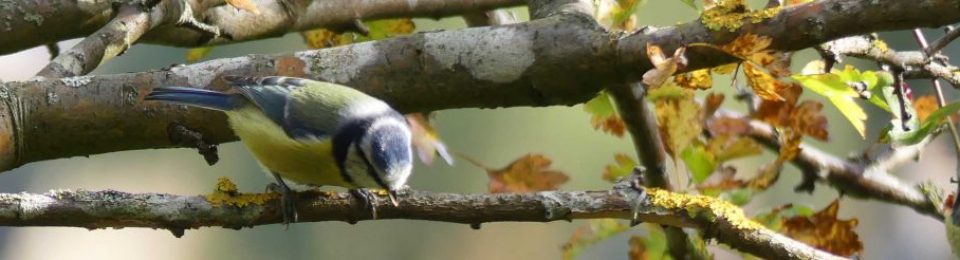
A post that speaks for itself, these images were taken in the University Botanical Gardens, Leicester.


25 Tuesday Oct 2011
Posted in Nature, nature photography
Tags
autumn colour, chestnut brown slug, fungi on trees, leicester botanical gardens, quince fruit, white berries
A post that speaks for itself, these images were taken in the University Botanical Gardens, Leicester.
24 Monday Oct 2011
Cormorants are breeding residents here and since I arrived in July sightings of the birds flying or swimming in the sea have been consistently frequent, but in recent weeks their numbers have increased manyfold. Numbers of them now joined the ranks of oystercatchers and gulls that line the sea-edge as the tide comes in, and they can be spotted on the rocks of the harbour breakwater and perched on top of available posts. There are almost always a few to be seen on the lower reaches of the Little Orme, but now there are many, their black forms punctuating the pale limestone.
Scientific name from: Greek: phalakros=bald + korax=the raven and Latin: carbo=charcoal
Common name: definitions of ‘Cormorant’

The Cormorant's flight is strong and purposeful
A large and conspicuous waterbird, the cormorant has an almost primitive look about it.Its long neck makes it appear almost reptilian, particularly when swimming with the bulk of its body submerged.

Some of the Cormorants dotted across the base of the Little Orme
Cormorants are coastal rather than oceanic birds, and many have colonised inland waters – in fact the original ancestor of cormorants seems to have been a fresh-water bird, judging from the habitat of the most ancient lineage. They range around the world, except for the central Pacific islands.
All are fish-eaters, feeding mainly on small eels and flat fish. They dive from the surface of the water. All four toes on each foot are webbed which aids them in swimming and in pursuing fish underwater.
Cormorants are supreme fishers which can bring them into conflict with anglers and they have been persecuted in the past, although some enterprising Japanese and Chinese fishermen employ the bird’s expertise to assist them, training one species of the birds to dive and catch fish for them.

A juvenile Cormorant with partial paler underparts still present.
The birds are often seen standing with their wings held out to dry and the reason for that is a bit of a mystery and the focus of study. It seems strange that a bird that spends much of its time in the water should need to dry their plumage and all cormorants have preen gland secretions that are used ostensibly to keep the feathers waterproof. It has been variously stated that cormorants have waterproof feathers; they have water permeable feathers; that the outer plumage absorbs water but does not permit it to penetrate the layer of air next to the skin; that it aids thermoregulation,digestion, balances the bird or indicates presence of fish. However, a detailed study of the Great Cormorant concludes that it is without doubt to dry the plumage. (extracts from article in Wikipaedia)

Male Cormorant in his full breeding plumage, wings outstretched. This is one of my favourite Cormorant photographs, I took it in Sotogrande, Spain earlier this year (Feb).
Click on the link for more photographs of Cormorants in Spain on my blog ‘Nightingale Trails’.
Cormorants in human culture
20 Thursday Oct 2011
Posted in Birds, birds of the seashore, Nature, nature photography
As I continued my walk behind the rocky sea-break, it occurred to me that if I was finding it hard going walking against the strong wind,then the small birds I was hoping to see may be finding it even harder and may not be there today. Fortunately I was underestimating the powerful draw that an abundant supply of food is to hungry intelligent and opportunistic birds.The reason the Rock Pipits and the Pied Wagtails, (both species members of the motacillidae family) gather in this small area, more-or-less at the spot where Rhos-on-Sea becomes Penrhyn Bay is not pretty. A sewer outlet, that I was informed serves the village of Mochdre, runs beneath the sea wall and out into the sea here, and for some reason I do not really want to ponder too much, large numbers of flies swarm around the sea wall here. The flies are quite sizeable and it was quite unpleasant walking through the midst of a crowd of them, but the opportunity they presented to watch some beautiful birds in action was well worth a bit discomfort.
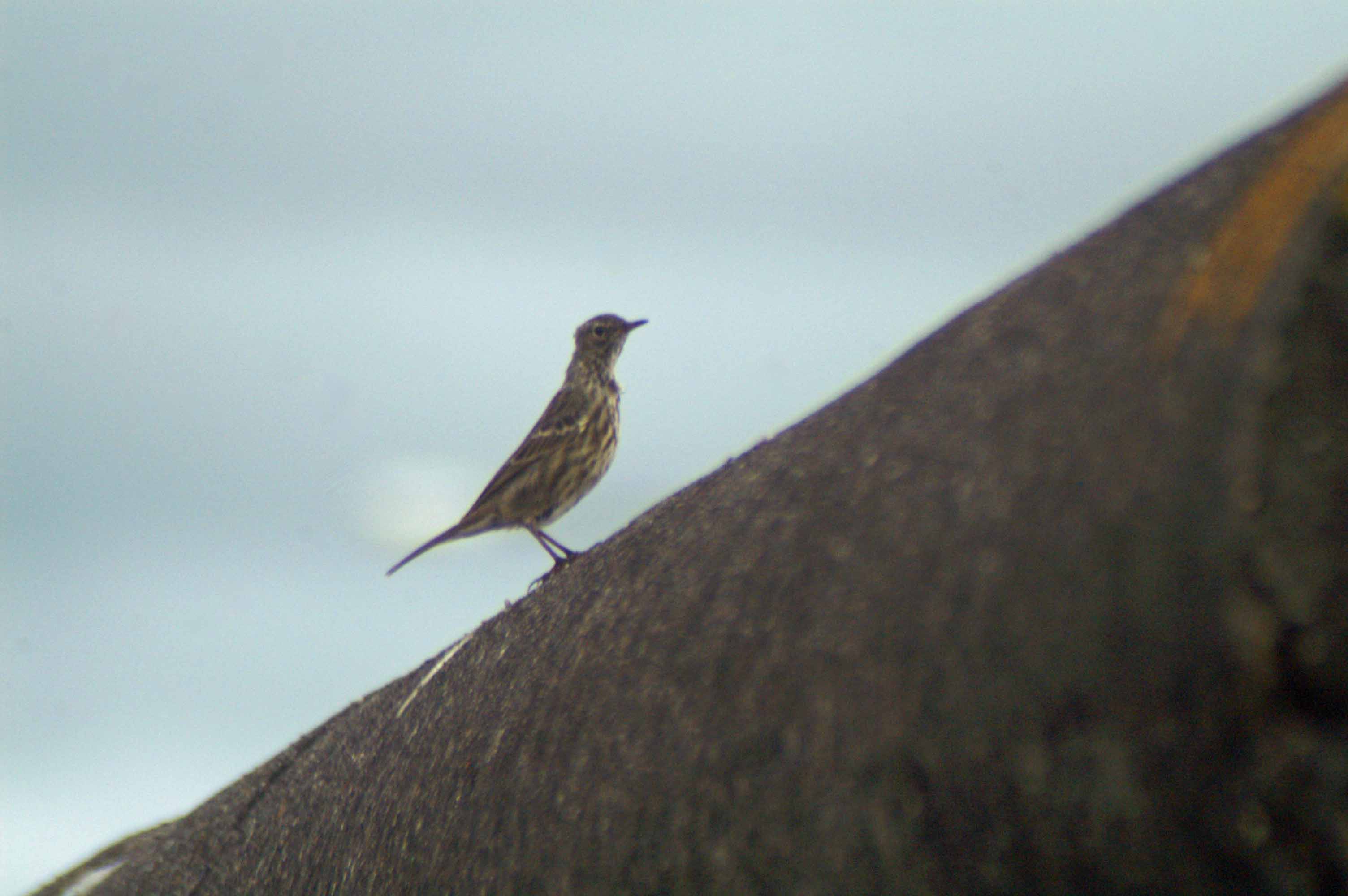
Rock Pipit-Anthus petrosus
I sat down close to where the main fly-catching action was taking place hoping the birds would not feel too threatened by the presence of me and my long camera lens. At first both Pipits, of which there were 2, and the more numerous Wagtails did fly off, but only to a very short distance away and they returned to resume their feasting very quickly, elegantly pursuing their prey along the top of the sea wall then darting across to the rocks and back again. Their speed and acrobatic turns were impressive and highly entertaining, mostly too quick for my manually-focused lens, but wonderful to observe.
Family: Motacillidae
Scientific name from: Gr.: anthos=a small grassland bird described by Aristotle and Gr.: petros=a rock

Rock Pipit-Anthus petrosus
A coastal bird with a preference for rugged coastlines, Rock Pipits are easy to miss as their inconspicuous plumage shaded in greys, olives and buffs blends readily with the seaweed as they search for food amongst the boulders. It is larger and darker than its close relative, the meadow pipits and has a more heavily-streaked breast and dark olive-brown upper parts. In flight the dark-coloured legs and orange soles of the feet may be seen.
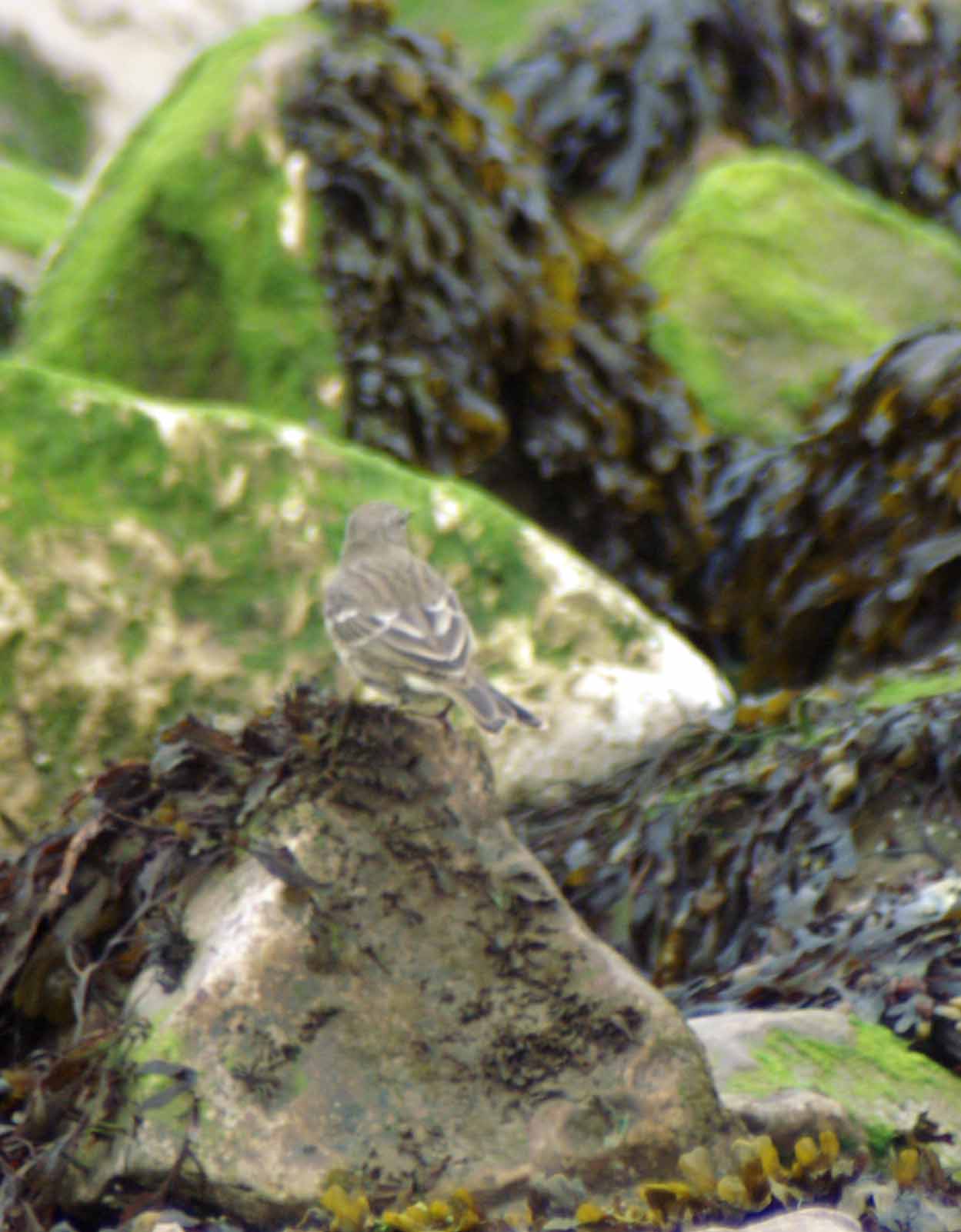
The Rock Pipit can be identified by grey outer tail feathers (white in Meadow Pipit) and by its alarm call - a thin 'phist'
The Rock Pipit is very strongly linked to rocky shores and usually nests in rather inaccessible sites on cliffs and among boulders of sheltered coves and gullies. During the winter months however, it sometimes deserts the high cliffs and may be seen on flat sandy coastlines and inland at sewage farms, floodlands and the borders of reservoirs.

Rock Pipit chasing flies across seaweed covered rocks
Their food includes a large proportion of marine animals, such as sandhoppers, small worms and marine molluscs.

Rock Pipits live partly on insects living in rotting seaweed, such as kelp flies. It also eats seashore plant food. This one was on the beach around Rhos harbour.
Scientific name from: Greek: muttex a bird described by Hesychius and Latin: albus=white
Family: Motacillidae
Once regarded as a species in its own right, the pied wagtail is now regarded by ornithologists as a race of the white wagtail of mainland Europe and Asia. The white wagtail may be seen on migration; it has paler grey upper parts and there is no join between the black cap and bib.
Increased numbers of Pied Wagtails have been a regular sight across the area for some weeks now. Small parties of them, which as they are mixed adults and juveniles could be families, can often be spotted foraging on the seashore amongst the vegetation and dry seaweed.

Pied Wagtail on the beach - black cap and bib merge together
Pied Wagtails really live up to their name, with black upper parts, throat and breast contrasts sharply with a white forehead, face and chest and long black tails that are in constant motion. Females show a lesser degree of contrast and have less black on their heads and a slate-grey back.

Juveniles are brownish-grey above, dusty below, with black crescent-shaped breast-band

Probably a more-developed juvenile, this bird still lacks the black throat of the adult
Overhead the Pied Wagtail’s call is as distinctive as their undulating, looping flight – a few flaps followed by a descending glide that is accompanied constantly by the ‘tschizzuck’ flight call.
In the early evenings I have seen them gathering on the lawns lining the streets that back onto the Little Orme. Pied Wagtails roost communally during the winter, often in great numbers, meeting up in the same place every evening before taking off together to roost for the night. Roosts may be in a reedbed, a copse or even in a built-up area.
19 Wednesday Oct 2011
Posted in Nature, nature photography
Tags
crystals in limestone rock, lichens on rock, limestone rock, moss on rock, rhos-on-sea, riprap breakwater, sea wall
On days when the wind blows in strongly from the north-east, blustering across the Irish Sea and whipping up the waves into foamy ‘sea-horses’, strolling along the promenade can be challenging and I have to admit, not that pleasant. On such a day I was heading towards Penrhyn Bay hoping to catch sight of Rock Pipits and to photograph Pied Wagtails, both of which I had seen recently on and around the sea wall there. The strength of the wind took me by surprise and if I had gone out with the sole purpose of taking an enjoyable walk I may well have reviewed my plans and set off elsewhere, but as I’d never seen Rock Pipits elsewhere, I was keen to see some.
Fortunately there is an alternative walk-way that was created when the original sea wall was constructed: a ledge, about 3′ (1m) wide was created on the wall’s seaward side placed about half-way up its height. In the 1980’s further protection from the wild winter seas was required and the breakwater, consisting of an immense pile of enormous rocks was piled in front of the wall. The rock pile rises higher than the walkway ledge, thus creating a sheltered passageway between the two structures. There is no view from there, the dark seawall encloses one side and the length of the summit of the rock pile the other, so other than for shelter from the wind I would not normally choose to walk this way.
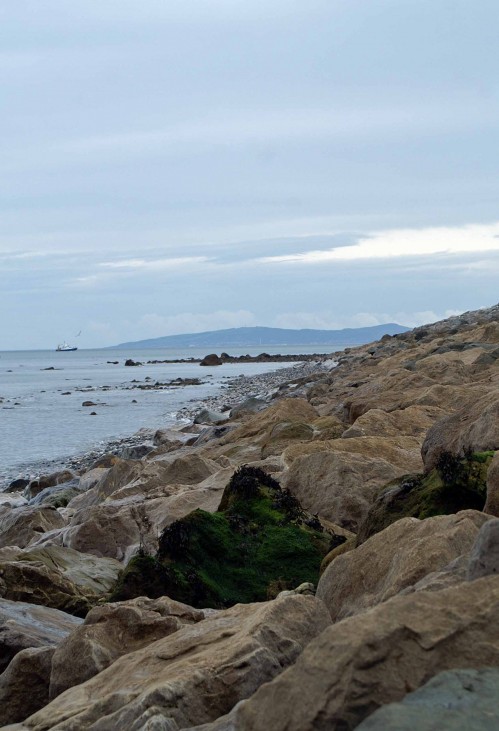
A length of the rock breakwater running from Rhos-on-Sea to Penrhyn Bay in front of the sea wall
The piling of large rocks, also known as riprap, at the base of vertical Edwardian and Victorian sea walls is frequently used as a secondary defence mechanism to prevent them being undermined. Riprap works by absorbing and deflecting the impact of waves before they reach the defended structure. The size and mass of the riprap material absorbs the impact energy of waves, while the gaps between the rocks trap and slow the flow of water, lessening its ability to erode soil or structures on the coast.
As I walked along, wondering where the vast amount of rock had been taken from, I began to see this confined, shaded and slightly claustrophobic space in a different way. I was drawn to individual rocks that had interesting surface patterns, crystals or layers of other types of rock or minerals and wished I knew what they were. I recognised too that a micro-climate exists here that is helping to create a habitat for an interesting number of plant species from vascular plants to mosses and lichens.

Limestone rock with a tracery of worm-like squiggles and touches of pink colouration. The pink stuff may be a lichen.
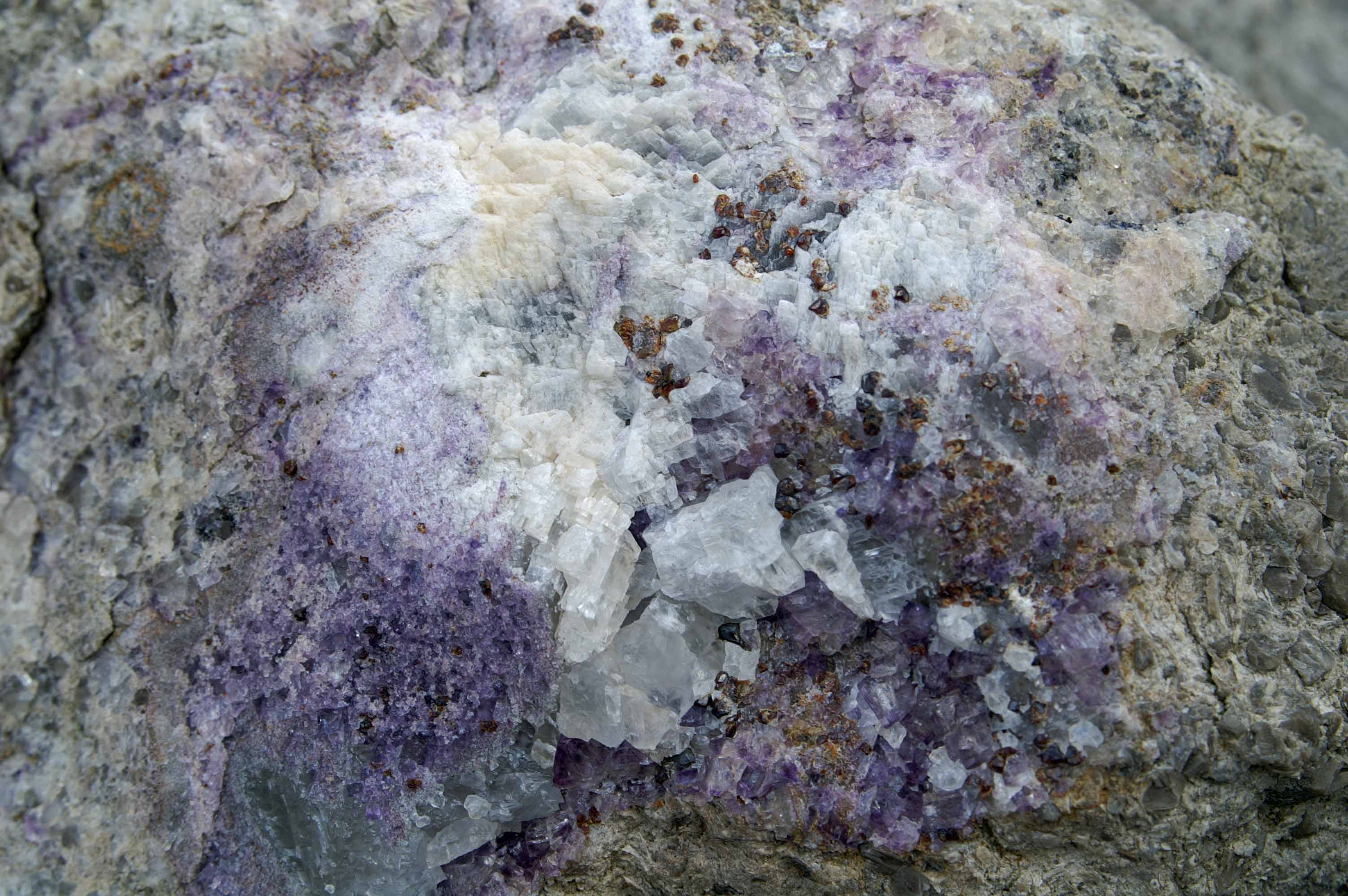
The beautiful crystals in this picture may be dolomite or perhaps quartz and the purple may be fluorite.

An interesting crystal-like deposit

A ribbon of mineral(s) marks this rock

A macro view of a patch of a Xanthoria sp of algae
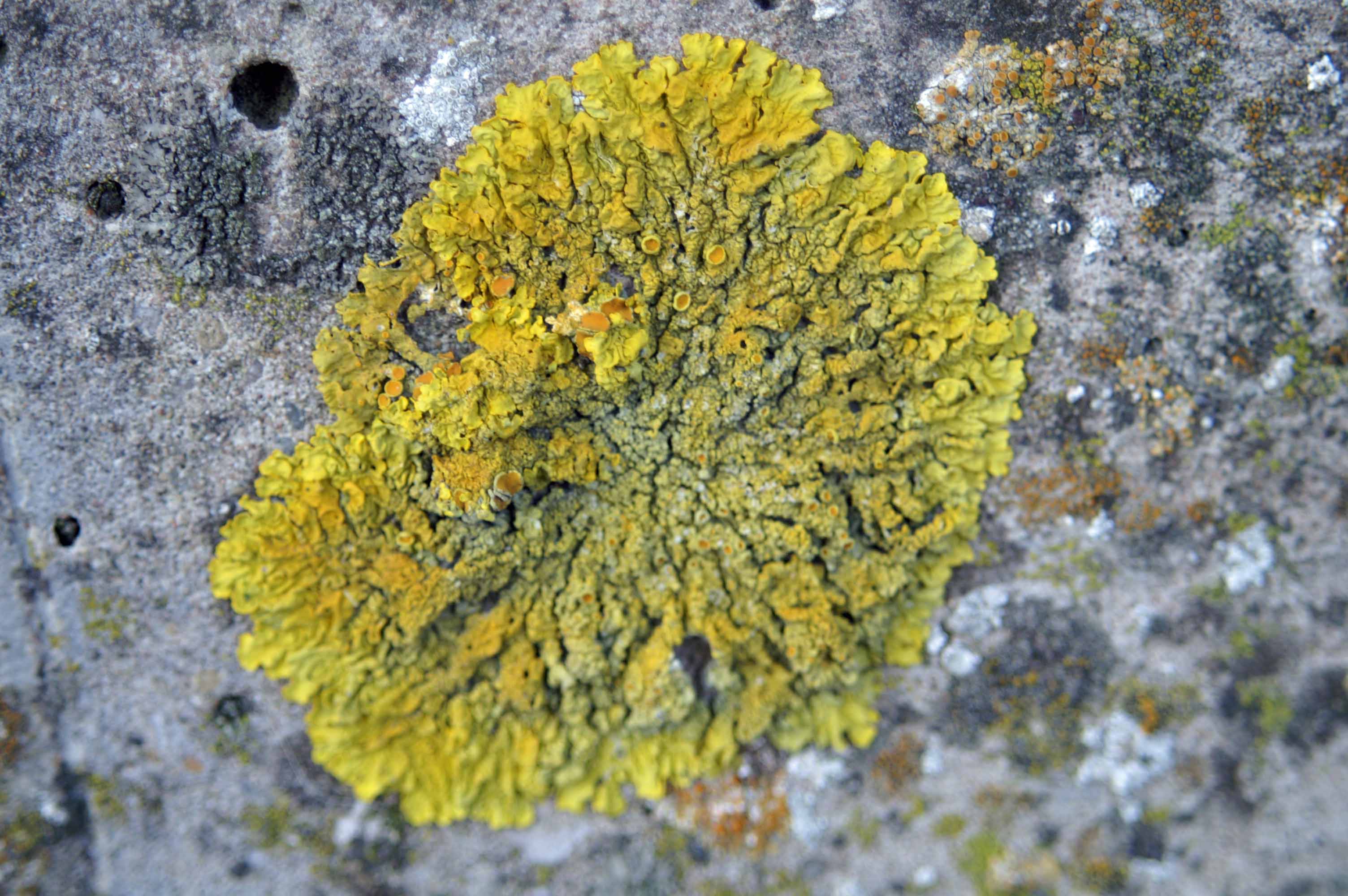
A yellow-coloured species of algae
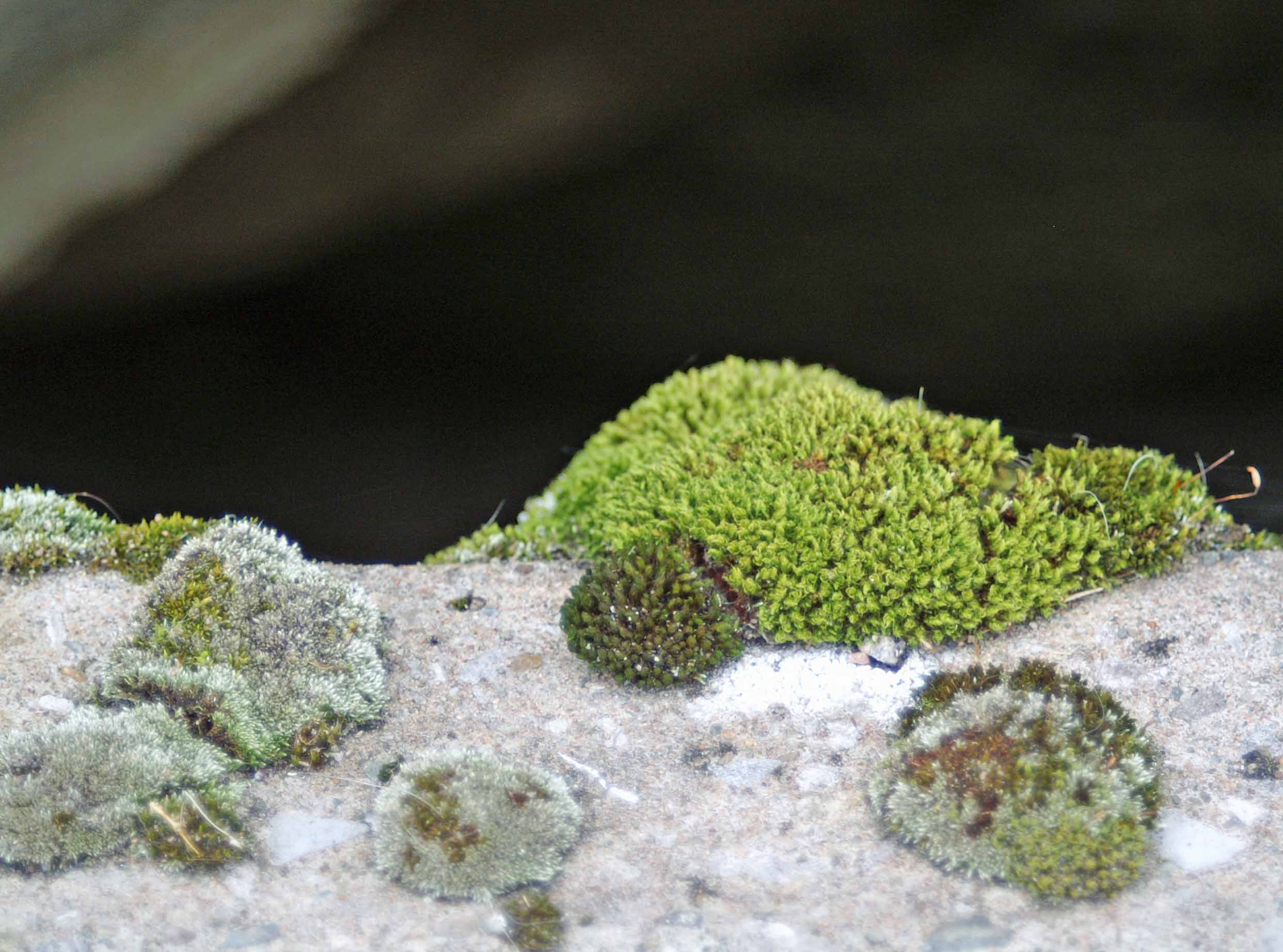
Cushions of moss
Plants have begun to colonise some of the spaces between the rocks and somehow manage to grow at the base of the rocks where they make contact with the sea wall.

A fern squeezing out from between two rocks
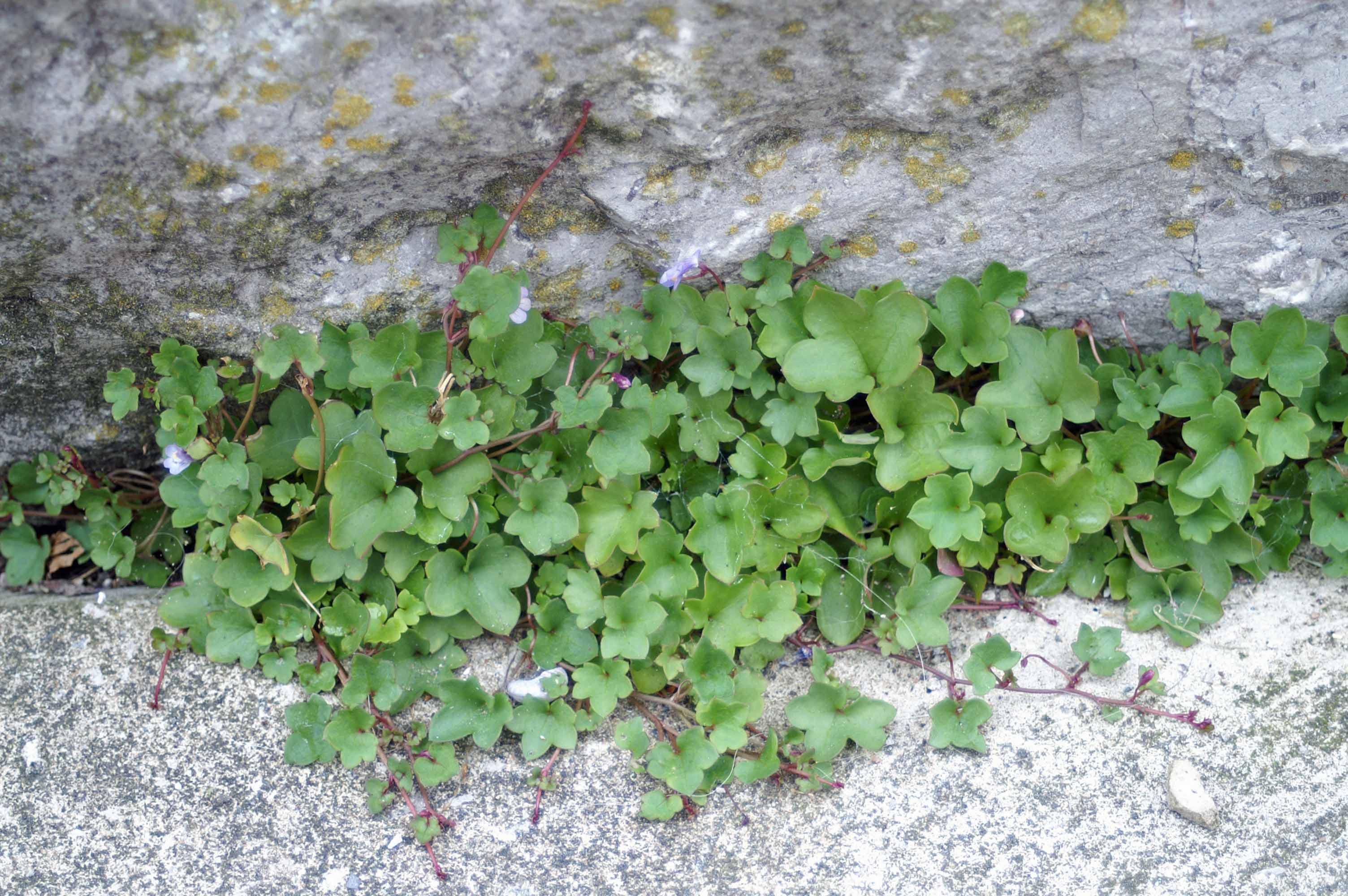
Ivy-leaved Toadflax - Cymbalaria muralis
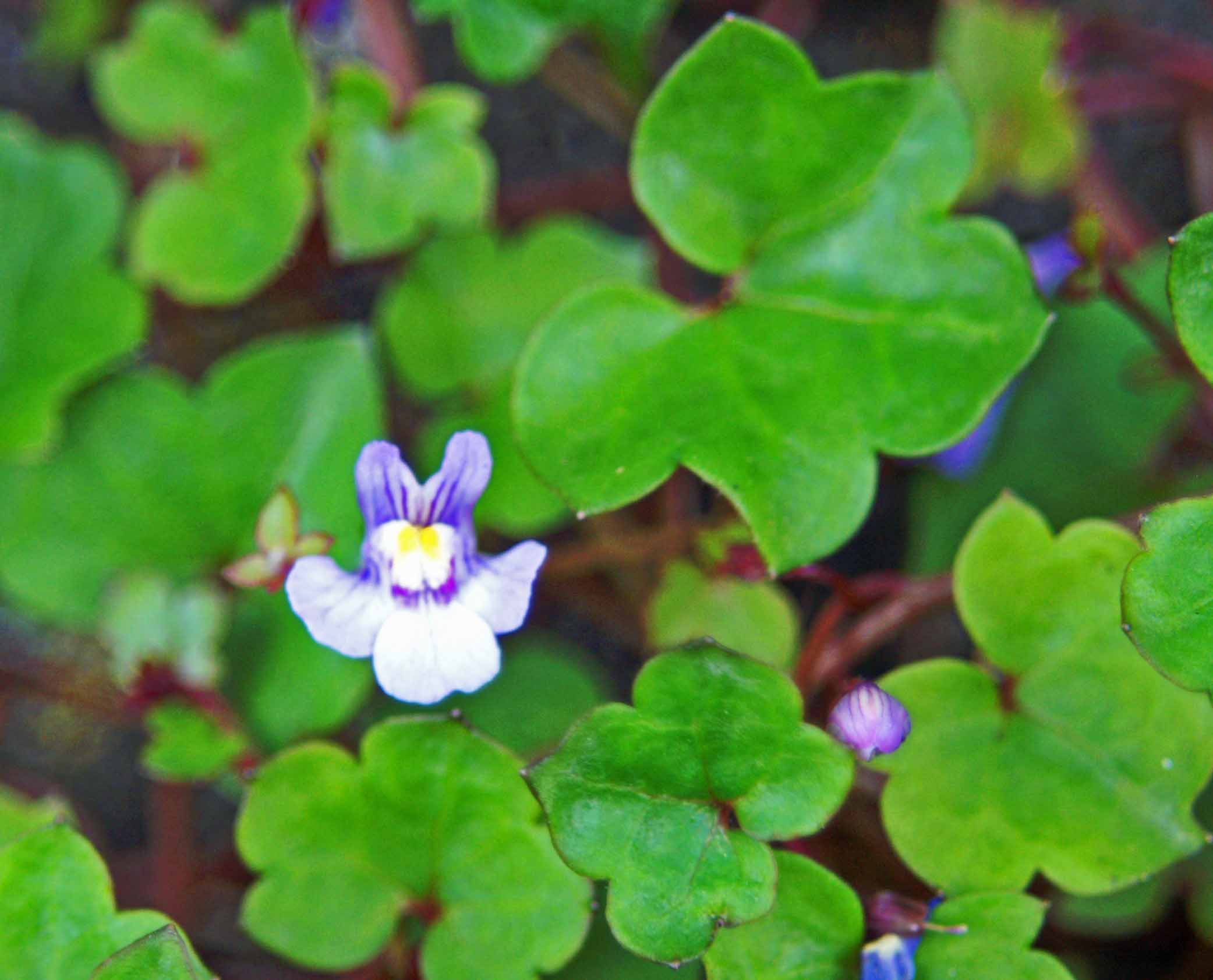
An enlarged view of the delightful little flower and leaves of the Ivy-leaved toadflax

A tiny flower, enlarged, that I think may be English stonecrop-Sedum anglicum. The spiky leaves in the background are of a separate plant, quite possibly Thrift.

Red Valerian is an intrepid and highly successful uninvited coloniser that originates from the Mediterranean region

Red valerian has very pretty flowers that here were attracting several small moth-like insects that I think may have been Owl Midges.

Growing up between the rocks and the sea wall, I have yet to identify this plant
As they frequently do, my walk turned out to be unexpectedly interesting and I did get to see my Rock Pipits, which will be featured in my next post that will be following very shortly.
10 Monday Oct 2011
Posted in Nature, nature photography, wading birds
Tags
bird camouflage, bird migration, Curlew, curlew folklore, curlew on seashore, Oystercatcher, rhos on sea

The curlew is the largest European wading bird, instantly recognisable on winter estuaries or summer moors by its long, downcurved bill, brown upperparts, long legs and evocative call.
Increasing numbers of Curlews have been present on the seashore at Rhos-on-Sea for a few weeks now, but I’ve been waiting to get some reasonable photographs before I wrote about them in more detail. There were several obstacles along the path to obtaining some clear images, not least of which was the fact that they are almost perfectly camouflaged within this rocky landscape, where brown is the predominant colour.

Despite their size, curlews blend perfectly into this landscape
BTO BIRDFACTS:
| Order: Charadriiformes | Family: Scolopacidae |
 Number in Britain: 105 thousand pairs (Summer) Number in Britain: 105 thousand pairs (Summer) |
|
| Conservation Status: |
|
| UK: AMBER | |
| European: 2 Concern, most in Europe; Declining | |
| Global: Near Threatened ( Details ) | |
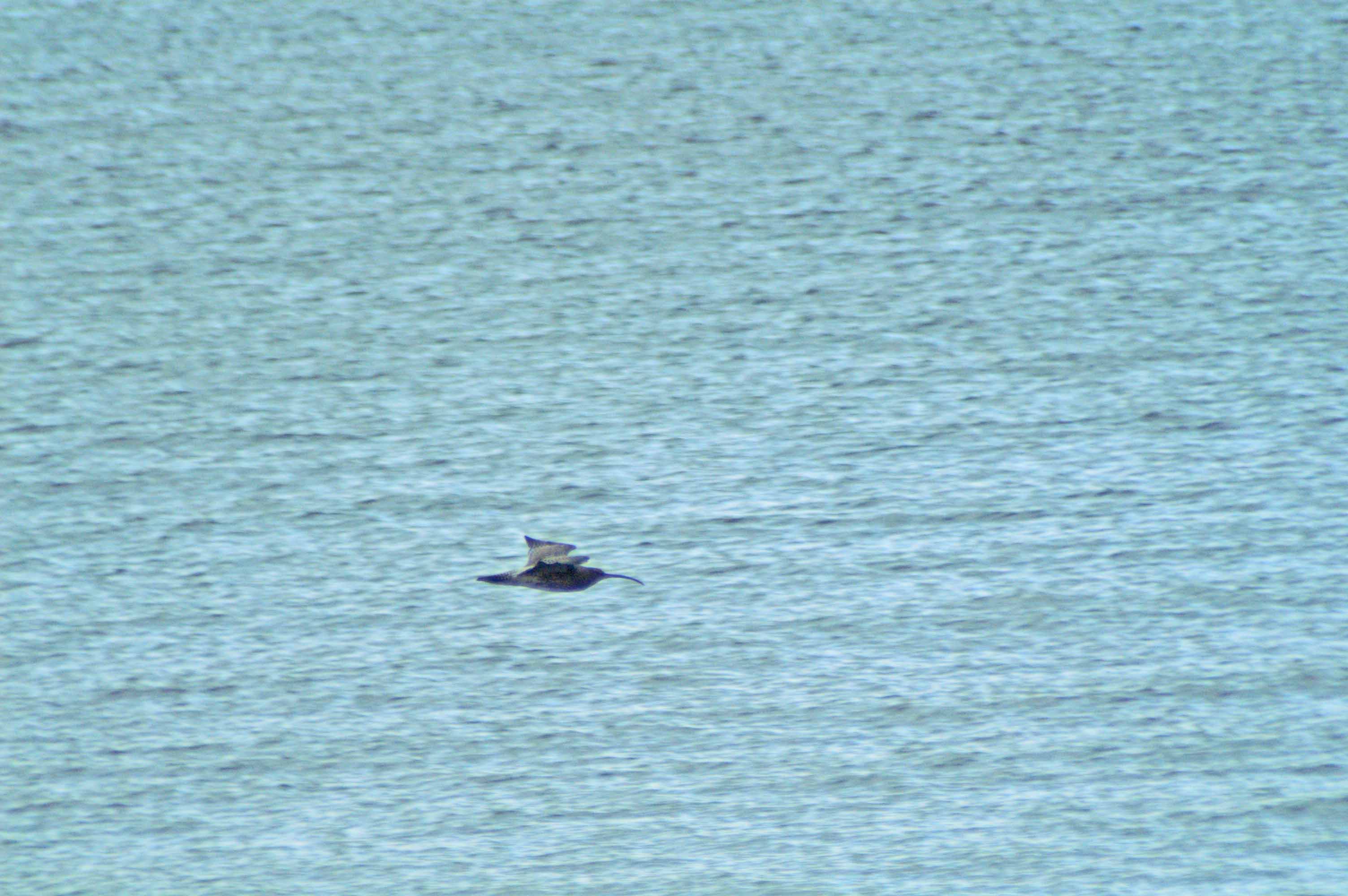
Curlews fly fast and low along the sea edge-in flight the white rump is very noticeable

Curlews glide smoothly and quietly through pools of water hunting for small invertebrates

The long curved beak enables the curlew to probe well under rocks

A curlew foraging peacefully alongside an oystercatcher
In Great Britain the greatest numbers of breeding curlews are found here in North Wales, but a glance at a field guide will indicate the vast area occupied by the birds. Their range extends from this country east to the Urals and from Scandinavia and Russia in the north. This wide extent of habitats includes upland moors, grassy or boggy open areas in forests and damp grasslands and traditionally managed hayfields particularly in river valleys.
Directly after the nesting season the birds shift to marine coastal areas especially favouring mudflats and sands extensively exposed at low tide. Like most waders, at high water curlew form large roosts on either the highest saltings or on fields and marshes behind the sea walls. In some localities the birds move to nocturnal roosting spots at dusk, leaving again at dawn.

The curlew flock numbers several hundred. They roost in this field at the foot of Bryn Euryn, close to houses and a main road. They return at high tide too when they may be seen foraging in the field or standing quietly with their bills tucked under their wings.
When they are not foraging along the seashore here in Rhos-on-Sea the curlew flock surprisingly shares a field with cows, sheep and a couple of horses. Their choice of roost took me by surprise as the field is very close to a busy road, in total contrast to the deserted open spaces they are usually identified with.

When roosting the more dominant curlew tend to occupy the better sheltered areas within the assembly; birds at the front of flocks form closely packed ‘walls’ in high winds.
Coastal numbers build up from July and reach a peak in January and February. The resident UK population is boosted by incoming migrants to some 99,500–125-000 pairs.
Curlew from Scotland spend autumn and winter on the British west coast and in Ireland. Populations from Scandinavia, the former Baltic States and north-west Russia head south-westwards towards this country: each of international importance for wintering curlew, the four localities holding largest numbers are Morecombe Bay, the Solway, the Wash and the Dee. Others, remarkably, winter in Iceland and the Faroes. And yet others penetrate to the West African coast. Curlew are capable of migrating at remarkable altitudes, even crossing the Himalayas at a height of 20,000 feet.

Curlews foraging at sea edge
The curlew features strongly in folklore, often not too favourably.
To hear a curlew call is not good. If you hear it at night, it means that bad luck is coming, but if heard during the day it signifies the arrival of bad weather.
The curlew has always been a bird of bad omen to sailors who have seen them flying overhead and if you hearing their call means that a storm is brewing and its inadvisable to set sail for the open sea.
St Beuno and the Curlew
It is hard to find the nest of the curlew; this story from the folklore of North Wales, attributed to St Beuno offers an explanation for that.
When he lived at Clynnog St Beuno used to go regularly on Sundays to preach at Llanddwyn, off the coast of Anglesey, walking on the sea with the book of sermons, which he used to carry about with him. One Sunday, as he was coming back from Llanddwyn to Clynnog, treading the surface of the sea as if it had been dry land, he dropped his precious writings into the water, and failed to recover them. The saint was much worried, because even for saints the task of writing sermons is a troublesome one.
When he reached dry land he was much relieved to find his book on a stone out of the reach of the tide,with a curlew mounting guard over it. The pious bird had picked it up, and brought it to safety. Thereupon the holy man knelt down and prayed for the protection and favour of the Creator for the curlew. His
prayer was heard, and ever since it has been extremely difficult to discover where the long-beaked bird lays its eggs.
23 Friday Sep 2011
Posted in Insects, Nature, nature photography, wildflowers
Tags
Bryn Euryn Nature Reserve, carder bumblebee, common rockrose, hoverflies, knapweed, late summer wildflowers, red-tailed bumblebee

18/9/11-A hoverfly on wild clematis flower

18/9/11-Carder bumblebee on Knapweed

18/9/11-Red-tailed bumblebee on thistles
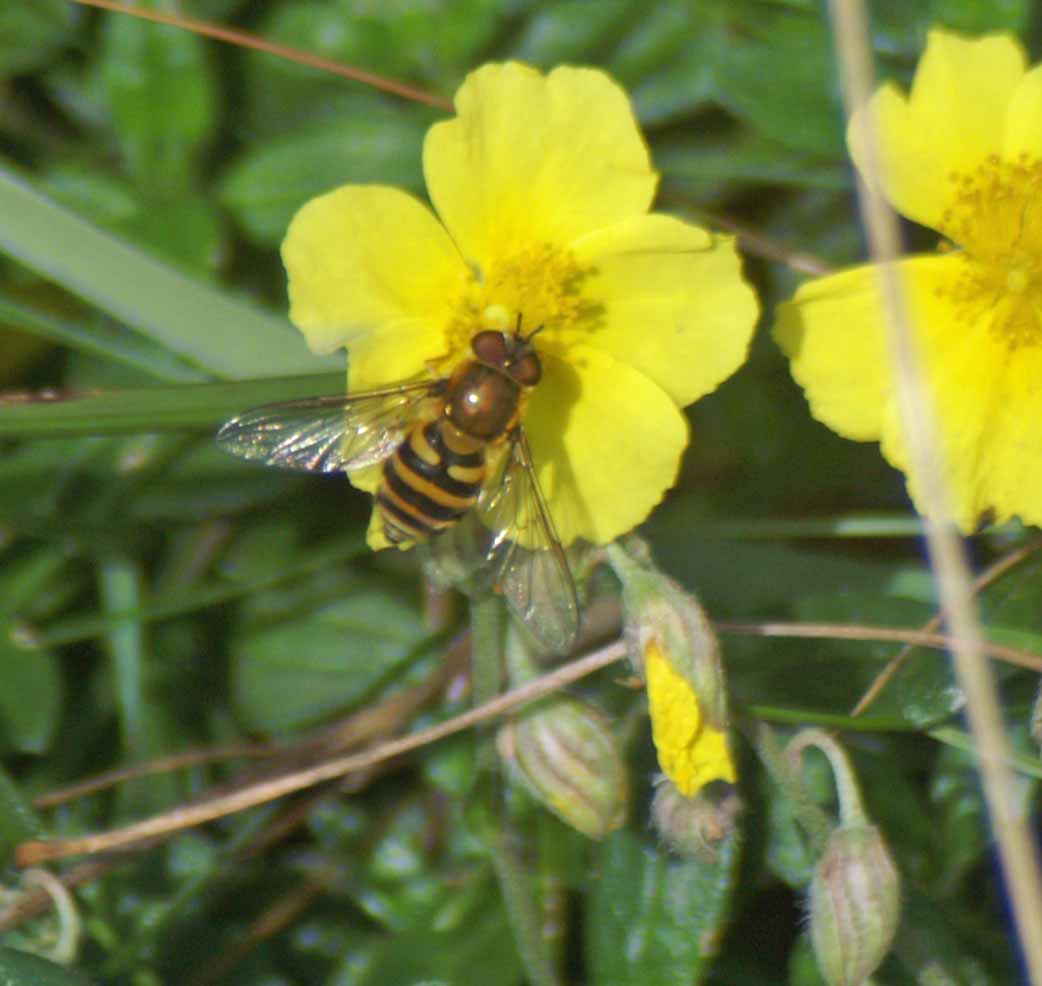
18/9/11-A hoverfly on Common Rockrose
22 Thursday Sep 2011
Posted in butterflies, Nature, nature photography
Tags
bluebottle, Drone fly, hoverflies, importance of ivy to late summer insects, ivy flowers, marmalade hoverfly, Red Admiral
Ivy plants are flowering locally and are drawing in crowds of insects, particularly hoverflies but also bumblebees and butterflies. The flowers are not completely out yet, so I’m sure that there will be more to see shortly, if we have some sunshine, but the following are what I’ve spotted so far.

15/9/11-Red Admiral
Ivy flowers are produced from late summer until late autumn, the individual flowers are small and clustered in 3–5 cm diameter umbels. They are greenish-yellow in colour and very rich in nectar and an important late autumn food source for many insects.

A bright shiny bluebottle fly
The most numerous insects drawn to the flowers were from various species of hoverfly.
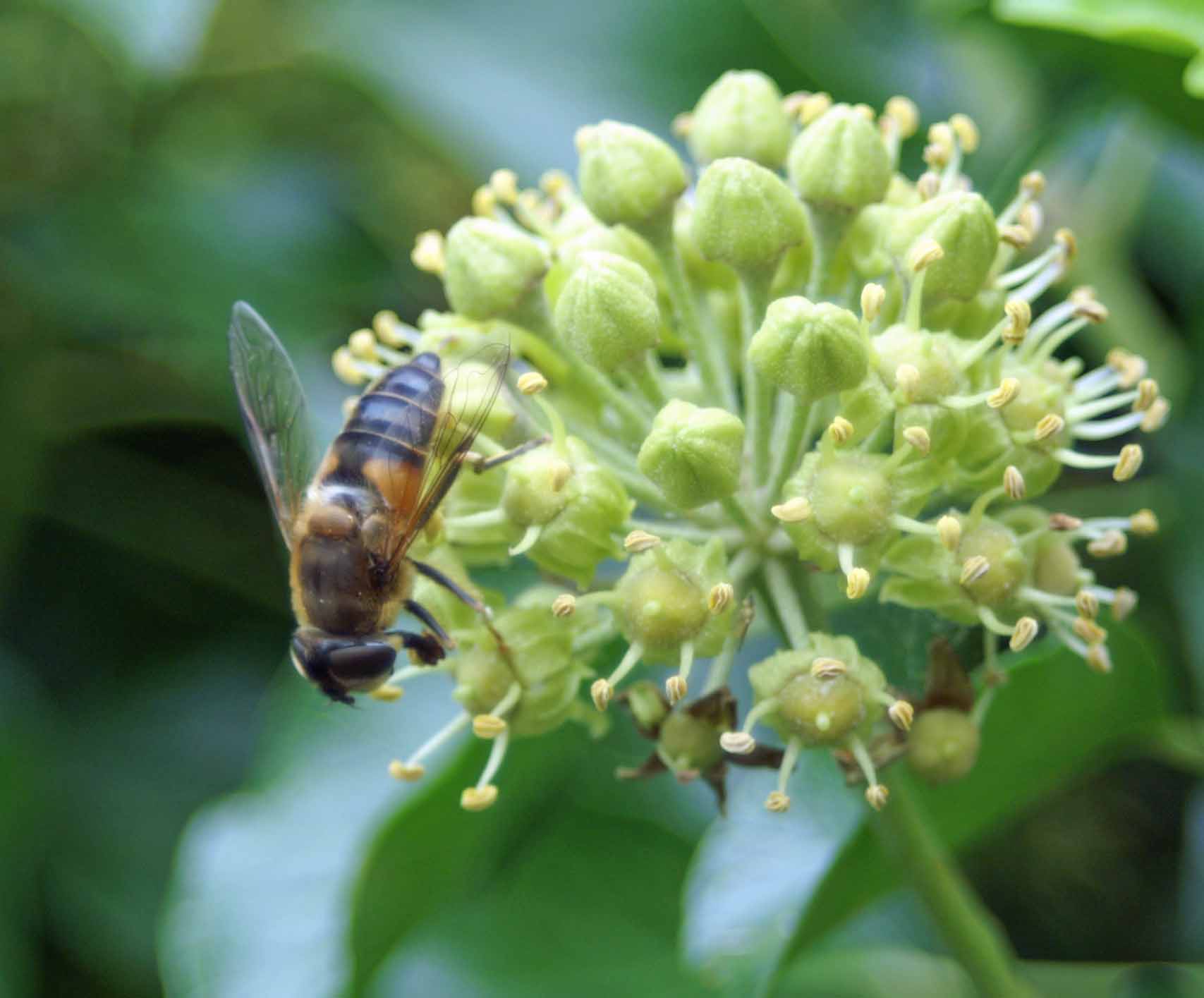
Tapered Drone Fly-Eristalis pertinax

15/9/11-A larger yellow and black hoverfly, not yet identified

15/9/11-Hoverfly-syrphus ribesii

Marmalade Hoverfly-Episyrphus balteatus
19 Monday Sep 2011
Posted in Nature, nature photography, Rhos-on-Sea, Seals
Tags
grey seals, observing seals, seals, seals around welsh coasts, welsh mountain zoo, white baby seals, white baby seals on seashore
The insistent barking of his dog alerted its owner to the plight of a young Grey Seal trapped beneath the huge boulders of the extra sea defence in front of the promenade wall at Rhos-on-Sea on Thursday morning. He put in a call that resulted in the arrival of a team from the Welsh Mountain Zoo Seal Rescue Unit to assess the situation; they will only intervene when it is absolutely crucial to the survival or well-being of an animal.
In this instance help was needed as the hapless youngster had worked its way through spaces between the rocks, ultimately becoming trapped. It was clear that the seal was unable to retrace its path back to the shore and was therefore also out of the reach of its mother. Someone said that the mother, spotted swimming offshore earlier, had been frightened away by a jet-skier, but in any case she would not have approached her baby whilst we were anywhere nearby.
The baby seal was still on shore level, but due to the slope of the boulders, from a rescue perspective he was at the bottom of a deep hole and underneath a rock. One of the team, Michelle, was small enough to squeeze down to reach the seal, but getting him out was another matter. A baby Grey Seal is born weighing in at around 14-15kg (30lbs), so no lightweight and the awkwardness of this one’s position further added to the problem. With no lifting equipment available, some creative thinking was called for and someone had the inspiration to try improvising a hoist from dog leads. There were plenty available amongst the small crowd of concerned onlookers that had stayed to offer moral support throughout the rescue and although not ideal, Michelle managed to loop one around the seal’s well-padded body and pass it up to the girls at the top, who carefully hauled him out.

The baby was finally lifted out
It was unharmed and seemed fit and healthy, but the fresh appearance of his still-attached umbilical cord indicated that it was very young – probably no more than a day or so old.

The baby seal was carefully lifted

It was placed carefully on a rock

The fresh umbilical cord shows the baby is no more than a day or so old

The baby was placed at the sea edge in the hope that its mother would return to it
It was hoped that by placing him on the shore close to the rocks that the mother would soon find him.

Alone on the seashore the baby seal looked very small and vulnerable
A LITTLE LATER
Passing the spot a short time later I heard him calling and spotted him in the water where he appeared to be struggling and was being knocked against the rocks by the waves of the incoming tide. There was still no sign of the mother; although she may have been nearby, any sight she had of people would be perceived as dangerous to her baby or herself and she would not approach, so the area needed to be very quiet.
LATE AFTERNOON
Later again I returned to the promenade and heard the loud and plaintive calls of the baby seal as I crossed the road. They seemed to be coming from very close to the spot he had originally been rescued from and as I couldn’t see him from above, I walked along the shore edge to try to find where he was exactly. I was pleased to see Michelle who had received another call reporting that the seal was still there and sounding distressed. She climbed up onto the rocks and had a look around, but the seal had now stopped calling and could have been anywhere. She told me the RSPCA would return on Friday morning and if the seal was still there that they would take it to the Seal Sanctuary to be cared for.
THE NEXT DAY
I heard from Michelle, who is Head Keeper at the Welsh Mountain Zoo who had carried out the hard part of the first rescue attempt, she said:
” This rescue was one I’ll never forget. My muscles ache, I have bruises in odd places after climbing down the rocks into a small dark place. But it was worth it! I went down again after work (about 8pm), located it and with help from passers by and this time a catch pole that I brought with me, we got the seal out. It was in the wrong place and weaker than in the morning, so I brought it back to the seal unit where it is now much quieter as it’s not hungry anymore”.
Michelle Pywell
Welsh Mountain Zoo – National Zoo of Wales
Colwyn Bay, Conwy LL28 5UY
ABOUT THE NORTH WALES SEA RESCUE CENTRE
Since the zoo opened in 1962 a wide variety of injured and orphaned native species have been brought in for care and rehabilitation. Most of this care, in recent years, has concentrated on young grey and occasionally common seals.
This work is carried out in collaboration with the RSPCA, and in 1997 the North Wales Seal Rescue Centre was opened at the zoo. The centre has two filtered pools and an indoor intensive care unit. This development, funded by zoo friends and supporters, has resulted in an improvement in the care given, and an increase in the number of animals treated, before their release back into the sea.
The RSPCA has advice on what to do if you think you may have spotted a baby seal in trouble: http://www.rspca.org.uk/utilities/faq/-/question/ENQWADStrandedSealPupsOnOwn
14 Wednesday Sep 2011
Posted in Insects, Nature, nature photography
Tags
burdock, late summer wildflowers, Little Orme, potter wasp, RAF rescue helicopter, Rhiwledyn Nature Reserve, rosehips, toadflax, tortoiseshell butterfly, wasps
22nd August
I took a walk around the Rhiwledyn Nature Reserve on the Little Orme this afternoon to seek out some late-summer insects; I was hoping for a Small Copper butterfly and maybe another Comma, but a Small Tortoiseshell was top of the list and to my surprise and delight I spotted one almost straightaway. Beautifully bright coloured it was a pristine specimen that rested on the ground, wings outstretched.

22/8/11-Small Tortoiseshell-Aglais urticae
It was a sunny but windy afternoon, so I headed away from the exposed cliff top to explore the more sheltered area of scrubby ground at the opposite end of the site. I spotted some yellow-green flowers that I think were those of fennel and found a Common Wasp feeding there.

22/8/11-A Common Wasp on fennel flowers
Nearby there were also a number of attractive little Potter Wasps busy on Knapweed flowers. Although being coloured and striped in yellow and black, a closer look soon reveals them to be very different in size and shape to the Common Wasp.

22/8/11- Potter wasps on a Knapweed flower

22/8/11-Potter Wasp-Ansitrocerus parietum
Several Large White butterflies fluttering around a bramble attracted my attention and moving closer I saw that a single female was the draw for several males that were competing to mate with her. I took the opportunity to photograph a male resting with its wings open.

22/8/11-Large White-Pieris brassicae

22/8/11-Common Carder Bumblebee on scotch thistle
On Ragwort flowers I spotted a hoverfly, black with interrupted white stripes which is a new-to-me species to add to my collection later identified as a Pied Hoverfly – Scaeva pyrastri. I only managed to get one photograph which unfortunately is a bit blurred as the wind was blowing the plant around and the insect didn’t stay there for long.

22/8/11-Pied Hoverfly-Scaeva pyrastri

22/8/11-There are still Cinnabar Moth caterpillars feeding on ragwort
Many plants are now bearing seeds or fruits; blackberries are ripening and watching a Bluebottle fly feasting on them I was reminded why it’s probably best not to pick them and eat them without washing or cooking them first!

22/8/11-Bluebottle fly on blackberries

22/8/11-Teasel seed head

22/8/11-Ripe rosehips

22/8/11-Robin's Pincushion on wild rose

22/8/11-Carline thistle seed heads
Late-blooming wildflowers I photographed today included Burdock, Yarrow and Toadflax. Ragwort is still flowering although some plants are going to seed. Knapweed is also still blooming and there are still a few fresh thistle flowers, although most are seeded.

22/8/11-A 6-spot Burnet Moth on a fading Scotch thistle flower

22/8/11-Burdock

22/8/11-Yarrow-Achillea millefolium

22/8/11-Common Toadflax-Linaria vulgaris
Linaria vulgaris (Common Toadflax, Yellow Toadflax, or Butter-and-eggs) is a species of toadflax (Linaria), native to most of Europe and northern Asia, from the United Kingdom south to Spain in the west, and east to eastern Siberia and western China.

22/8/11- RAF Rescue helicopter
The noisy presence of a bright yellow RAF Air-Sea Rescue helicopter is not an uncommon sight around the cliffs of the Little Orme as this is one of the practice sites for those based on Anglesey. However,today’s mission was real and assistance was required by a person that had injured themselves and were inaccessible to an ambulance, so the helicopter actually landed. A crowd quickly gathered to watch the proceedings, but from what I gathered from speaking to a few different people, this was not out of concern for the injured person, but rather to try to spot if it may be Prince William flying the helicopter! It wasn’t, but as there are only three craft based in Anglesey, it was a possibility it could have been.

22/8/11-Sheep grazing on the rocky hillside
I have walked up the steep grassy pathway on the hillside several times, but had never ventured further on along the ridge, so I thought I would rectify that today. This area is grazed by sheep and edged by shrubby vegetation and small trees,adding yet another dimension to the reserve as habitat for woodland birds. It was a little too late to venture far, but a good time to catch quite a few birds out and about foraging for their supper, including Blackbirds, Robin and Chaffinch.

A chaffinch amongst elderberries

22/8/11-Banded snail
19 Friday Aug 2011
Tags
ash tree, Bryn Euryn Nature Reserve, common rockrose, early purple orchid, hoary rockrose, wildflowers of Bryn Euryn
I haven’t seen much of the countryside since I’ve been here in North Wales, other than through a car window, and I was very keen to see some spring flowers and fresh greenery. I know the wildflowers in Spain will be amazing when I get back there next week, but the native British wildflowers have an altogether gentler and more subtle beauty that I love. I have been planning to make a trip to the local nature reserve on Bryn Euryn, and as I will only be in the locality for a couple more days I decided to head there this morning.
Bryn Euryn is a limestone hill rising to 131metres (365 ft) above sea level and a well-loved local landmark of Rhos-on-Sea that is now a Local Nature Reserve. Its slopes are clothed with a mixture of woodland and grassland, part of which has been declared a Site of Special Scientific Interest. From its summit their are extensive panoramic views over Rhos-on-Sea and Colwyn Bay and across to the mountains of Snowdonia in the west.
I parked in the small car park that is surrounded by trees, and as soon as I got out of the car I heard a Chiffchaff ‘singing’. I couldn’t see him,but as I tried to locate his whereabouts a Robin flew into a nearby tree and also began to sing. Moving off towards the beginning of the track that leads up to the summit of the hill I stopped to watch a Song Thrush hunting on the woodland edge where it borders a grassed area.

I soon came upon a patch of bluebells growing alongside some wild garlic whose flowers are almost finished. There were a few wood anemones still flowering, but they too are all but over; wild strawberry plants were flowering along a length of the path edge in dry shade, they have a long flowering period beginning in April and continuing until October, with fruits appearing throughout the summer. It was lovely walking in the dappled shade of the woodland, listening to the birds singing and coming across flowers that gave me the opportunity to make a stop on the fairly steep upward climb. A special find was a sunlit Early Spotted Orchid growing beneath the trees. The presence of this delightful bloom, together with that of bluebells and wood anemones is a sign of an ‘old wood’, indicating that this area has never been anything other than woodland.

Purple Spotted Orchid

Dog Violet
There was a pretty patch of little blue/purple dog violets and the surprise of a Cowslip plant on a steep bank; this one must have strayed from the grassy downland on the other side of the hill; the more usual habitat of Cowslips.

Cowslip

Rock Rose
At the top of the hill you emerge from the woodland onto a surprisingly large expanse of open grassy heathland. There were large patches of yellow flowers growing here, taking a closer look I saw there were of two separate species; I recognised rock rose, but was unfamiliar with the other. Looking it up when I got home I realised it was Hoary Rockrose, one of the plants named on the information board in the car park that is apparently very scarce in the British Isles.

Hoary Rockrose – Helianthemum canum
The views from the top here are truly spectacular, extending from the Little Orme around and across Rhos-on-Sea and Colwyn Bay with the mountains of Snowdonia to the west. The only downside, at least from this side of the hilltop, was the traffic noise arising from the busy A55.

A panoramic view of Rhos-on-Sea and Colwyn Bay

View from Bryn Euryn summit – mountains of Snowdonia on far horizon

View across summit of Bryn Euryn to Conwy Estuary and beyond to Snowdonia

Germander Speedwell

Buff-tailed Bumblebee
Turning around I walked across to the other side of the summit, passing through a shrubby area, the woodland edge, where there are shrubs and small trees growing. Here, Hawthorn is in full bloom and I stopped to watch a furry bumblebee as she burrowed into the leafy debris on the ground beneath.

Hawthorn, or May blossom
I discovered another early purple orchid plant here, this one had an earlier, or perhaps even last year’s, dried flower spike attached.

I reached the true summit of the hill, which has a concrete trig point on it that is part of the nationwide network built by the Ordnance survey to create their maps of the UK in the old days before computers.There is also a board depicting how the ancient hill fort may have looked. I was very surprised to come across an extensive patch of orchids here, I roughly counted them and estimated at least 100 flowers.

Summit of Bryn Euryn with Trig point & mass of purple spotted orchids in the foreground
The summit of Bryn Euryn was once occupied by a small but strong fortification. This may have been the ‘Bear’s Den’ mentioned by Gidas the Wise and thought to have been a stronghold of Cynlas the ‘Red Butcher’, king in Rhos around the middle of the sixth century. Only the faint traces of the limestone rampart’s foundations are visible today, protruding through the turf and ringing the summit of the hill, to remind us of its former importance.

It was much quieter and more peaceful on this side of the hill and I sat for a while enjoying the sunshine and the view out to sea and across to the Little Orme. Two Red Admiral butterflies were flying around the nearby shrubbery, one kept attempting to sun itself on a bramble leaf, the other kept disturbing it, the basking one chased after its disturber then returned to the same spot etc. etc. It took a lot of patience to get the photograph.

Red Admiral basking on new bramble leaf

Speckled Wood on a leaf on the ground
Even trickier to photograph was this Speckled Wood. Once again there were two of the insects chasing one another – these little butterflies are especially territorial, but I wanted to get a photograph as they were much paler in colour than the ones I had been seeing in the garden. That made getting the photograph even harder, as when they did land it was on dried leaves and they were so well camouflaged I couldn’t find them through the lens.

There are some beautiful trees growing here, including Ash, whose leaves are quite well grown now.

new ash leaves
They brought to mind the old country rhyme about their predicting the forthcoming summer weather:-
“Ash before oak, look for a soak, oak before ash, look for a splash”
I had a quick look at a neighbouring oak and would say they were pretty much on a level, so hopefully that means some rain, but not too much.
 everyday nature trails