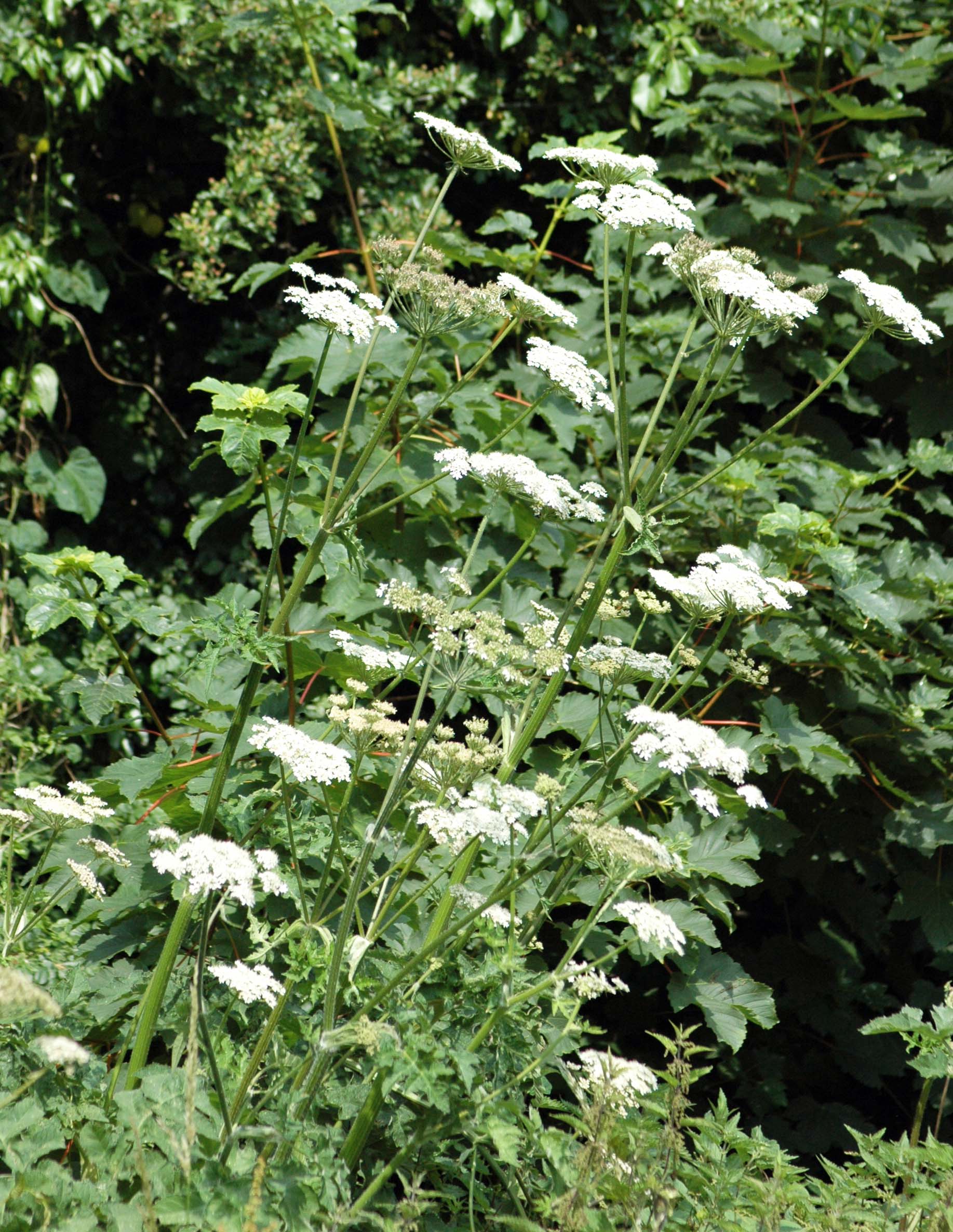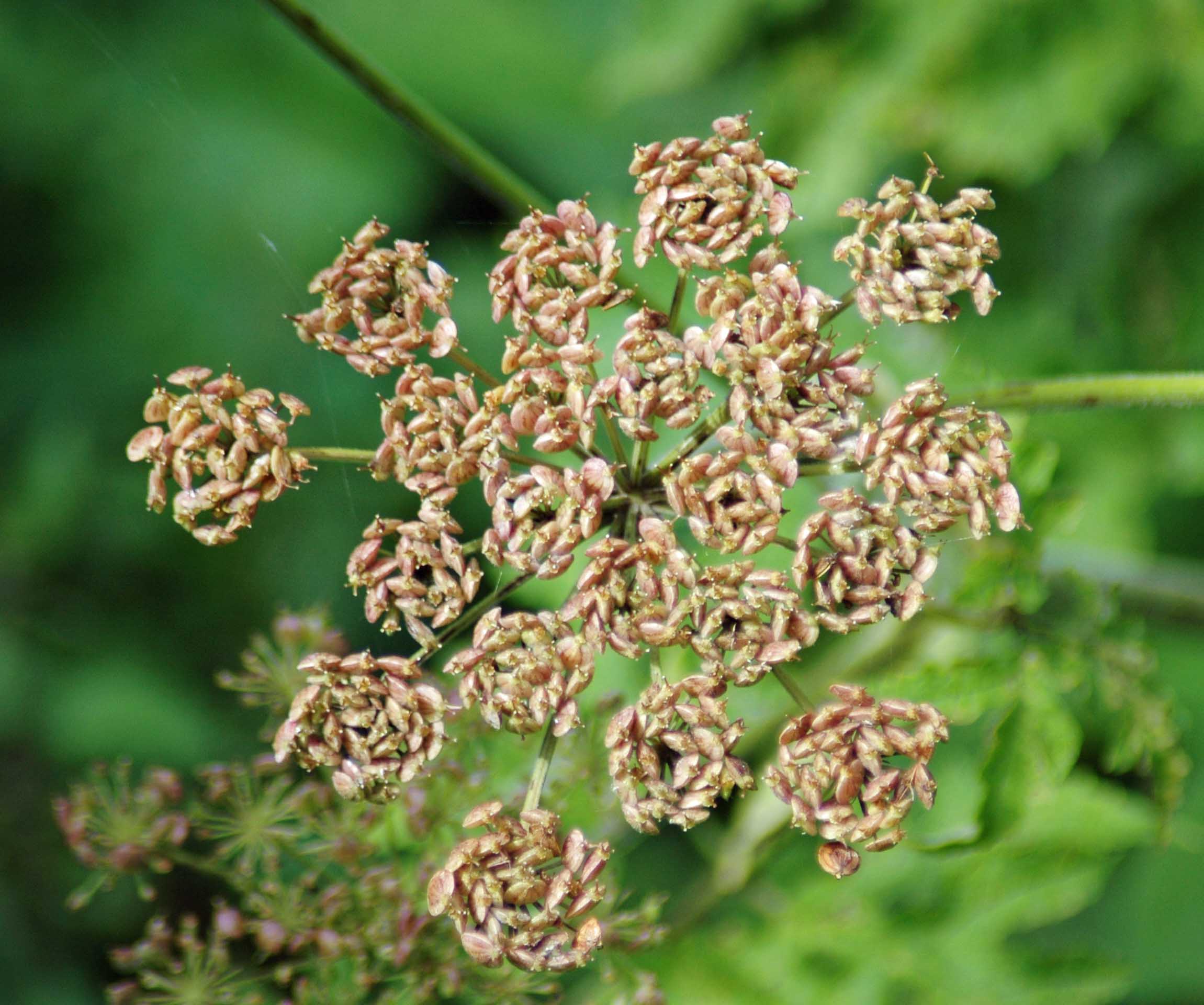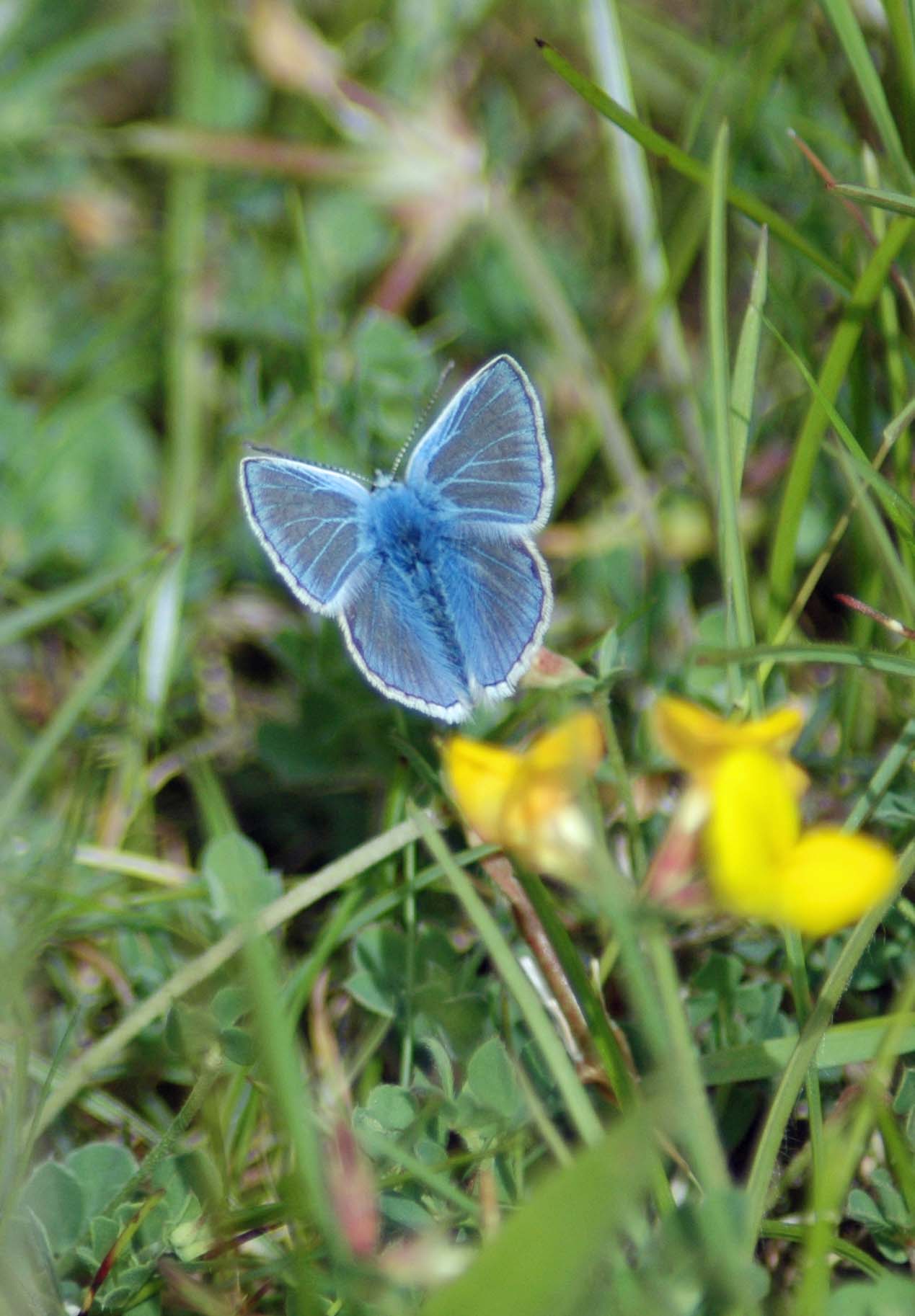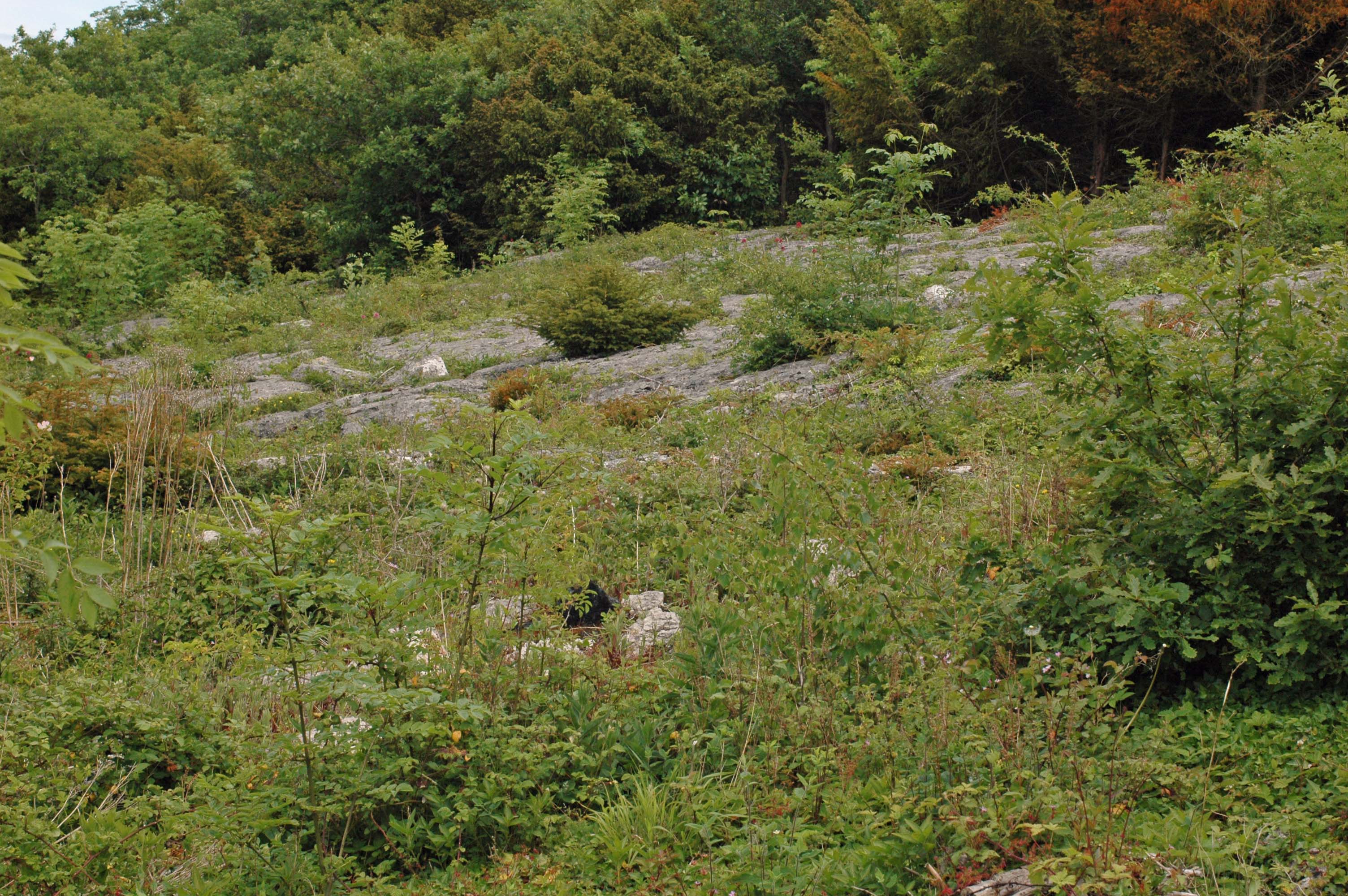
• Home
  • about
  • about the photographs
  • Local Nature Reserves
    • Bryn Euryn Local Nature Reserve
    • Mynydd Marian
  • Wales Coast Path
    • Grey Seals in North Wales
    • St.Trillo’s Chapel
    • Wildflowers of North Wales Coastal Paths, Cliffs and Dunes

everyday nature trails

everyday nature trails

Category Archives: North Wales Wildlife Trust

Bumbles, Masons and Miners

10 Sunday May 2015

Posted by theresagreen in Bryn Euryn Nature Reserve, bumblebees, Little Orme, Local Nature Reserves, Nature of Wales, Rhiwledyn Nature Reserve

≈ 4 Comments

Tags

buff-tailed bumblebee, common carder bee, early mining bee, mason bees, mining bees, red mason bee, red-tailed bumblebee, tawny mining bee, tree bumblebee

Early spring is a good time to look out for some of the different species of bees found locally, catching them before they settle in to producing the next generation. On recent outings Bryn Euryn was particularly well blessed with bumblebees and some other interesting species and the Little Orme brought an unexpected treat so I thought I’d put them all together.

The Buff-tailed bumblebee- Bombus terrestris is the largest of our native bumblebees. Queens, workers and males have a dirty golden yellow collar near the head and one on the abdomen.

Buff-tailed bumblebee

Bryn Euryn – Buff-tailed bumblebee queen

The queen’s tail is an off white/buff colour which can sometimes appear orange. The queens are busy establishing new colonies and may be seen collecting pollen to stock it and crawling around on the ground where they nest in burrows underground.

Buff-tailed bumblebee queen on the ground

Bryn Euryn-Buff-tailed bumblebee queen on the ground

I didn’t spot any workers or males on the days I was out and about, if I had these would both be smaller than the queens and look slightly different as workers have a white tail and that of the males is white ringed with a buff line.

Red-tailed Bumblebee- Bombus lapidarius queens are also establishing new colonies and can be seen feeding and collecting pollen from flowers and also crawling around on the ground as they too nest underground.

Red-tailed bumblebee queen with full pollen baskets

Red-tailed bumblebee queen with full pollen baskets

Queens are distinctive with their black bodies and red tails and are large, between 20 -22mm long which is a similar length to that of the Buff-tailed bumblebee queens, but the red-tailed is less bulky.

Red-tailed Bumblebee queen emerging from a patch of ivy-leaved speedwell

Bryn-Euryn -Red-tailed Bumblebee queen emerging from a patch of ivy-leaved speedwell

There are Red-tailed bumblebee workers about too. They have the same colouring as the queens but are smaller, varying in size from 1-16mm in length, with some early workers being no bigger than a house fly.

They have comparatively short tongues and favour flowers that provide them with a landing platform such as dandelions and daisies and later on, thistles and ragwort. In gardens they like chive flowers and lavender.

24/4/15-Red-tailed worker bee on dandelion

24/4/15-Bryn Euryn-Red-tailed worker bee on dandelion

To make things confusing there is a cuckoo-bee that closely resembles the Red-tailed bumblebee. The main differences are that the cuckoo bee has black wings and the back legs are hairy and without the shiny hairless patch, the pollen basket, of the true bee.

There were a very few Common Carder bees Bombus pascuorum about and I only managed one quick shot of one visiting a dog violet flower. There will be many more later on.
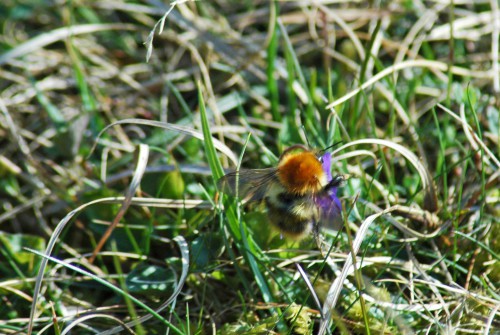
Carder Bee

Bryn Euryn – Common Carder Bee

An exciting new recording for me here was of the Tree Bumblebee Bombus hypnorum, that’s is not to say they weren’t here before, just that I had never seen one. I was lucky to spot two that were taking nectar from the Green Alkanet flowers which grow in a big patch next to the car-park gate.

21/4/15 -Tree bumblebee-Bombus hypnorum

21/4/15 – Bryn Euryn-Tree bumblebee-Bombus hypnorum

Tree bumblebees are fairly new arrivals to the UK, first found in 2001 in Wiltshire. Since then they have spread across most of England and Wales and made it to Southern Scotland in 2013. Queens, workers and males all have a similar colour pattern; the thorax is tawny to reddish-brown, the abdomen is black and the tail is white.

Tree bumblebee burdened with mites

Tree bumblebee burdened with mites

Queens vary significantly in size and can reach up to 18mm in length. Males are quite chunky and can be as much as 16mm in length; fresh males have a patch of yellowish facial hair which eventually wears off. Workers, which is what I believe I photographed range from 11-16mm in length; they move around rapidly and are effective pollinators.

Basking on the leaves of the butterbur plant that also grows near the gate at the bottom end of of the car park was another little bee. I’m not positive about its identification but based on the colour of the hairs on its thorax I think it may be an Early Mining Bee – Andrena haemorrhoa.
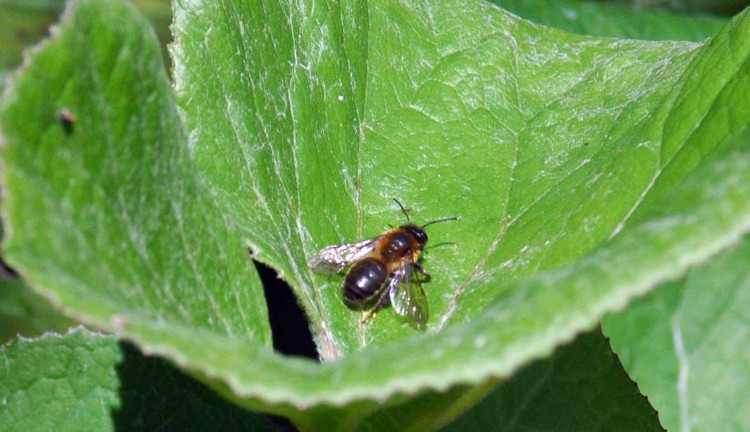
150421TGNW-BE68c-Early Mining Bee

Bryn Euryn-Early Mining Bee-Andrena haemorrhoa

A couple of days later I was walking on the Little Orme and came across another species of mining bee that cannot be mistaken for anything else, the Tawny Mining Bee-Andrena fulva.

There were two individuals attempting to nectar on Alexander’s while a particularly strong wind was bending and tossing the flower around. It was tricky trying to get focussed images.

28/4/15- Tawny Mining Bee on Alexanders -Little Orme

28/4/15- Little Orme-Tawny Mining Bee on Alexanders

Males are 10 to 12 mm and the females 8 to 10 mm long. The females are covered with fox red hair on their backs and black on the underside, whilst the males are more slender and yellower in appearance.

Tawny Mining Bee

Little Orme-Tawny Mining Bee

One of the two managed to hold on and kept searching over the florets, but the other gave up and dropped to the ground.

Tawny Mining Bee on the ground

Tawny Mining Bee on the ground

The bees mate in spring, after which the male dies and the female starts to build a nest. Sometimes more than a hundred females build nests in a few square metres but the Tawny Mining Bee normally does not create a colony: each female has her own nest.

Finally I’d like to mention another little bee found locally, the Red Mason Bee Osmia rufa, also most likely to be spotted around this time of year.

Fairy Glen-Red Mason Bee

Fairy Glen-Red Mason Bee

The males are smaller than the females at 6 -11 mm. Both sexes are covered in dense gingery hairs, the male with white tufts on the head while the female’s head is black.

Red Mason Bee

Red Mason Bee (m)

It is a solitary bee, each nest being the work of a single female bee working alone. They nest in pre-existing cavities such as hollow plant stems, old garden canes, air bricks, and even old nail holes in fence posts, lining the inside of the cavity with mud.


Share this:

  • Share on Facebook (Opens in new window) Facebook
  • Share on Pinterest (Opens in new window) Pinterest
  • Share on X (Opens in new window) X
Like Loading...

Enchanting evening on the Little Orme

03 Sunday Aug 2014

Posted by theresagreen in Butterflies of Wales, Little Orme, moths, Nature of Wales, nature photography, Rhiwledyn Nature Reserve, The Wales Coast Path, Wildflowers of Wales

≈ 2 Comments

Tags

6-spot Burnet Moth, 6-spot Burnet Moth pupa, Antler moth, cinnabar moth larvae, emerging 6-spot Burnet Moths, mating 6-spot Burnet Moths, small skipper, sulphur beetle

Some days the intention of a walk is at the forefront of my mind, then ‘stuff’ crops up and before I know it the day is almost over and the momentum needed to get me out of the door is fading fast. This was almost one of those days, when at six thirty-something I was still preoccupied with getting things done in the house. Luckily I finally acknowledged the little nagging voice in the back of my mind that was insisting I got out for some fresh air. I almost ignored it, then gave in, grabbed my camera, put on walking shoes and headed out with no real idea where I was heading for.

At around seven I arrived at the Little Orme. I knew before I arrived that by this time in the evening most of the area on this most accessible side of the headland would be in the shadow of its bulk, as the late sun slips down and slides around it to set just about behind its tip. There were quite a few people about too; dog walkers of course, some holidaymakers dressed up for the evening, maybe taking an evening constitutional before dinner & a couple of groups of teenagers, one lot jumping, diving, shouting and laughing from a rocky ledge into the sea.  I quickly judged that this was not a scenario I would normally enter into if hoping to spot any wildlife and on that basis decided this outing would be for the purpose of exercise. So a brisk walk to the cliff edge, an about turn and a concerted effort to get to the top of Rabbit Hill with minimum stops to catch breath, back down again and home ought to do it.

A group of people with two dogs was heading toward me, so to avoid them momentarily I stepped off the main path onto a narrow track that leads around the cliff, skirting what is currently a large patch of long grass. It took less than a minute of being there to spot that a good number of Meadow Brown butterflies were flitting about amongst the grass stems and settling there. It took slightly longer to realise they were there to roost for the night.

Long grass on the clifftop of the Little Orme with view to Rhos-on-Sea & Colwyn Bay behind

Long grass on the clifftop of the Little Orme where the butterflies were roosting. Views to Rhos-on-Sea & Colwyn Bay beyond

I tried to approach several butterflies, treading slowly and carefully through the grass, but I couldn’t get close enough to them to photograph and hadn’t picked up my more powerful zoom lens when I left the house as I didn’t expect to need it. I continued to try until following one individual led me to discover a cluster of Six-spot Burnet Moths on a single grass-head.

Cluster of 6-spot Burnet Moths

Cluster of 6-spot Burnet Moths- Zygaena filipendulae

It was clear that the Moths were in differing conditions, with one n particular looking a bit battered and with most of the colour gone from its wings. I assumed that as with the Meadow Browns the Burnets were also seeking to roost for the night and turned my attention to a passing Small Skipper that settled obligingly on another nearby grass-head.
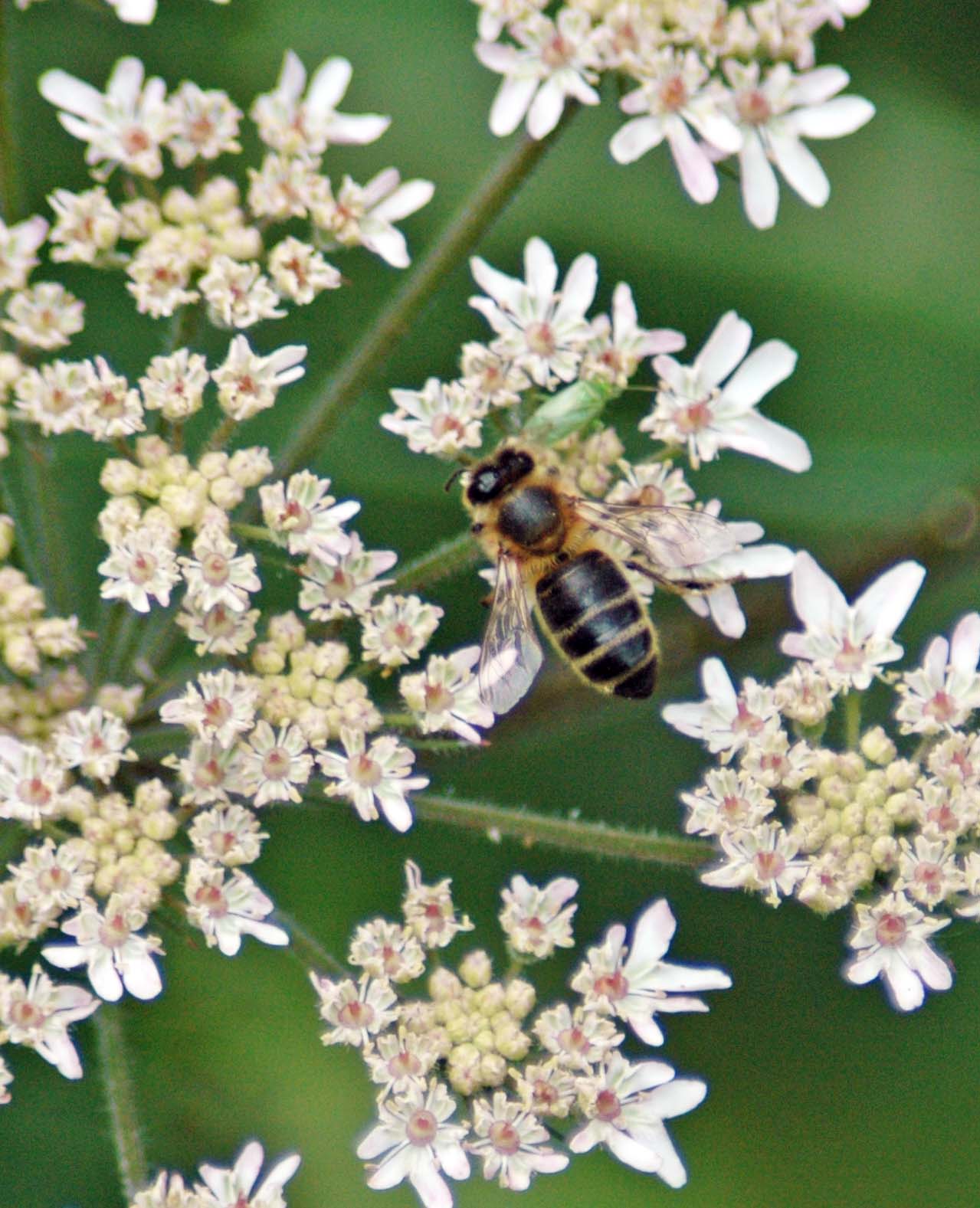
Small Skipper

Small Skipper- Thymelicus sylvestris

I was happy now, especially as in the cool of the evening the butterflies and moths were not as mobile as they are during the day and were allowing me to get quite close to them with the camera.

Another Small Skipper

Another Small Skipper

As I moved  through the grass and further towards the cliff edge I began seeing more Burnet moths. And more.

6-spot Burnet moths either side of a grasshead

6-spot Burnet moths either side of a grasshead


It slowly dawned upon me that although the butterflies were roosting, the moths were not. They were out intent on mating.

6-spot Burnet moths mating

6-spot Burnet moths mating

I could hardly believe the numbers of moths that were gathered here in this relatively small area of long grass. I have been to visit this reserve many times and felt lucky to see half a dozen individuals on a sunny afternoon, now I was surrounded by them. They were literally everywhere I looked. It still took a further while though to realise that even more amazingly, I had arrived at exactly the time the new moths were almost simultaneously emerging from their cocoons.

6-spot Burnet Moth emerging from its pupa

6-spot Burnet Moth emerging from its pupa

I had begun to spot the yellow cocoons with something black and alien-looking emerging from them, but couldn’t quite imagine it ending up as a moth at all, so at first thought they were something else. I don’t what, just something else.

A closer view of an emerging moth

A closer view of an emerging moth still doesn’t look like one

It was only when I spotted other Burnet moths perched on top of cocoons from which another was emerging that I was convinced that somehow these crumpled black forms would indeed eventually look just like them.

A 6-spot Burnet moth on top of an as-yet unbroken pupa

A 6-spot Burnet moth on top of an as-yet unbroken pupa

I began to wonder then why the moths were sitting on top of the pupae. I’m afraid the only theory I could come up with was that they were male moths staking a claim on emerging females to mate with them as soon as they became viable. Not pretty, but probably not far off the mark. (more about 6-spot Burnet Moth)

Two Burnet moths on top of a pupa from which another is emerging

Two Burnet moths on top of a pupa from which another is emerging

I tried watching an emergence for a while, but it seemed like a lengthy process, so still marvelling at my luck in witnessing this epic event, I left the moths to their nuptials and moved on. I would have been happy to have taken my previously outlined walk now and returned home, but it turned out there were still a few things to see in the gathering dusk.

A sleepy bumblebee curled around a blackberry

A sleepy bumblebee curled around a blackberry

Ragwort is in full vibrant bloom now and I just had to look for black and yellow striped caterpillars of the Cinnabar moth. I was not disappointed, there were plenty in sizes varying from very tiny to very large.

Small Cinnabar moth caterpillar on ragwort flower buds

Small Cinnabar moth caterpillar on ragwort flower buds

A large plump Cinnabar moth caterpillar snaked around a ragwort bud

A large plump Cinnabar moth caterpillar snaked around a ragwort bud while eating it

I was also fortunate to spot a prettily marked moth : this is an Antler moth, so called because of the distinctive antler-shaped markings on its forewings. One of the species that flies in daylight.

An attractive little Antler moth  on ragwort flowers

Antler moth- Cerapteryx graminis

Long grass with cliff wall of the Little Orme behind

Long grass with cliff wall of the Little Orme behind

On the cliff above Angel Bay is another patch of long grass, but here it is mixed with wildflowers such as hogweed, ragwort and a sprinkling of knapweed, all important nectar plants for insects. This evening there were still a few to be found out dining including bumblebees and one little Sulphur beetle.

Sulphur beetle- Cteniopus sulphureus

Sulphur beetle- Cteniopus sulphureus

I left for home happily and exercised – I made it up to the top of Rabbit Hill, admittedly pausing a couple of times, but why wouldn’t you when the view is so spectacular and the sun is setting so beautifully over the sea?

Share this:

  • Share on Facebook (Opens in new window) Facebook
  • Share on Pinterest (Opens in new window) Pinterest
  • Share on X (Opens in new window) X
Like Loading...

The strangely beautiful Carline Thistle

03 Sunday Aug 2014

Posted by theresagreen in Bryn Euryn Nature Reserve, Little Orme, Nature, Nature of Wales, nature photography, Rhiwledyn Nature Reserve, Wildflowers of Wales

≈ 4 Comments

Tags

carlina vulgaris, carline thistle, dry thistle plant, thistle with large dried out flowers, Welsh wildflowers

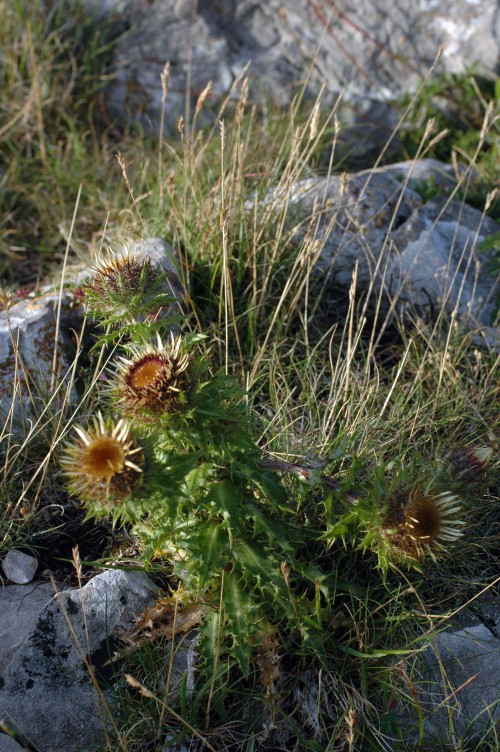
Carline thistle plant growing amongst rocks on Bryn Euryn

Carline thistle plant growing amongst rocks on Bryn Euryn

The Carline thistle is one of a handful of more unusual plants occurring in several of our nature reserves that have areas of dry calcareous grassland. It is a biennial plant so its appearance can be rather unpredictable both in exact location and in numbers of individual plants; it is never what you could call abundant. The plant can be seen throughout most of the year as when it’s finished flowering it persists as a very dry skeletal form of itself.

In past years I have found them on both ‘Ormes’, Little and Great but the best specimens, this year at least, are to be found growing on the top, rocky areas of Bryn Euryn.

Carline Thistle

Carlina vulgaris

Family: Daisy & Dandelion Asteraceae; biennial to 80cm; flowering June to September

Carline thistle with a Thick-thighed beetle on a flower

Carline thistle with a Swollen-thighed beetle on a flower

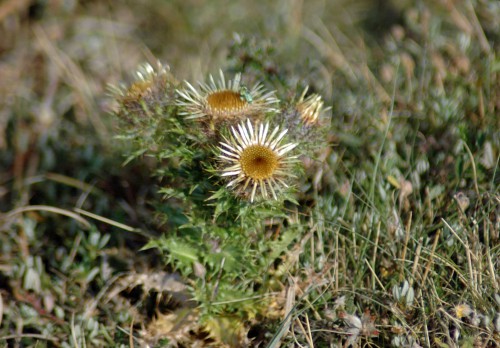
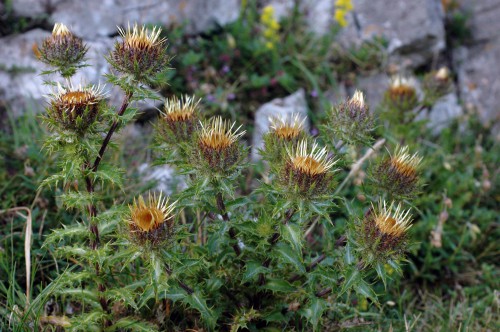
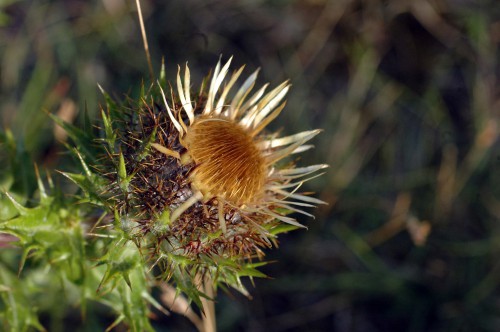
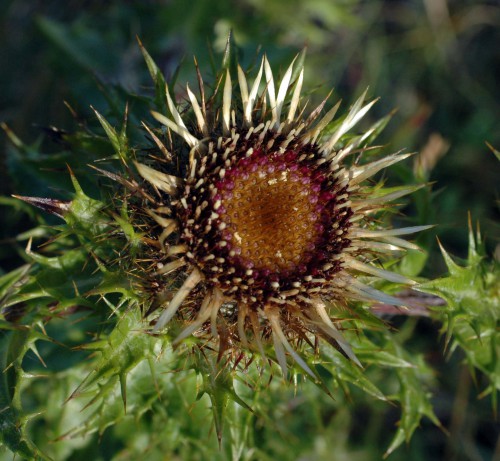
The Common Carline Thistle is a short, stout and prickly little thistle with intriguing  golden-brown-tinged-purple, rayless flowers (15-40mm across) that are surrounded by conspicuous, spiny, sepal-like yellow bracts which spread widely apart beneath. In the bright sunshine, they glisten silver and gold and in wet weather they close up.

The flowerheads are carried on densely prickly, leafy stems. The oblong leaves have toothed or lobed blades with spiny edges.

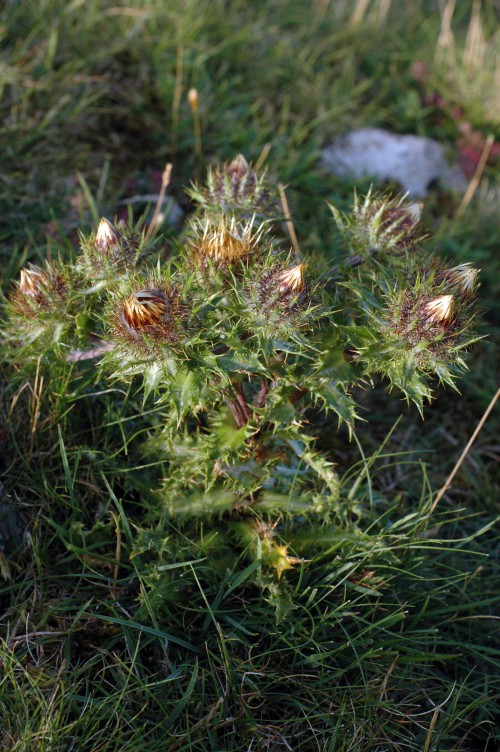
An all-over densely prickly plant , buds just beginning to break

An all-over densely prickly plant, buds just beginning to break

In bud the flower is contained by a tight  mass of dark purplish brown or black spines intertwined with a net of white fibres resembling cotton wool.

Carline thistle- Carlina vulgaris

Carline thistle-flowers opening

At  first, the opening heads look rather like dead or dying daisies, but this is their normal appearance.

Flowerhead in profile

Flowerhead in profile

The inner florets are straw yellow at first, but then purple petals start to emerge from the periphery, gradually proceeding towards the centre.

Composite flowerhead of a Carline thistle fully open

Composite flowerhead of a Carline thistle fully open

The seed-heads lend the plant a softer appearance.

Seedheads on a plant already drying out

Seed-heads on a plant already drying out

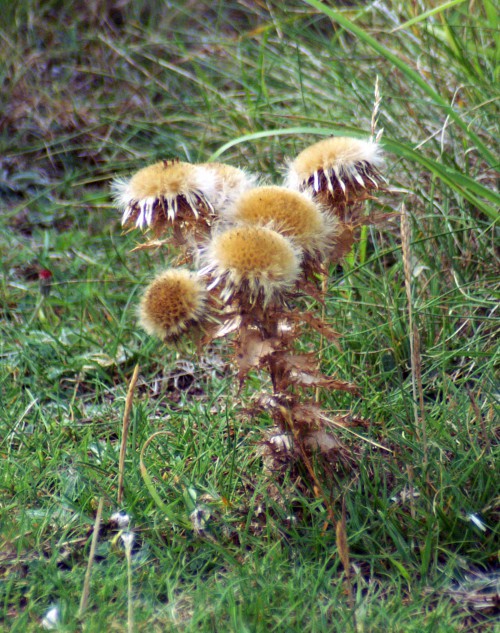
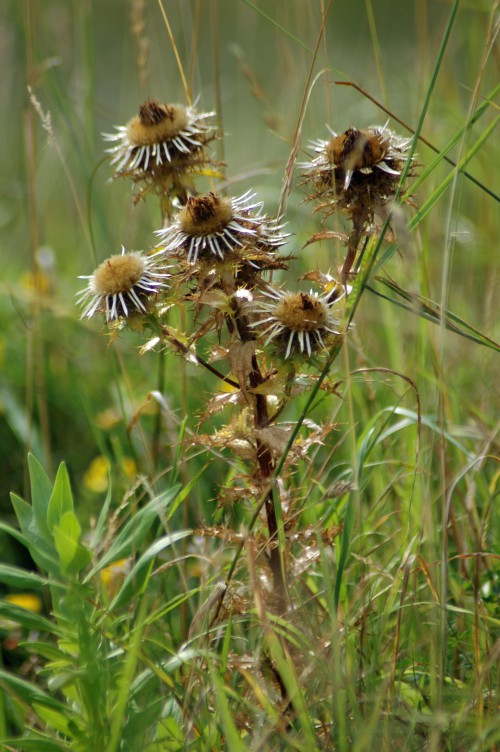
The dead flower, after the season is over, appears much as it did when it was alive.

September-a much-dried plant still maintaining its form

September-a much-dried plant still maintaining its form (Little Orme)

Traditional uses

The flower head was once used as a humidity gauge because the bracts close in the higher humidity typical of impending rain.

This plant had some uses in folk medicine and legend has it that it got its common name ‘Carline’ because the Emperor Charlemagne used the plant to cure his army of pestilence.

Subsequently it has been discovered that both Stemless Carline Thistle(Carlina aucalis) (where it was first found) and Carline Thistle contain the acetylide Carlina Oxide orCarlinoxide (furylbenzylacetylene), the main compound (85% – 90%) of the essential oil from the plant, which has a long history of medicinal use in Europe due to its anti-microbial properties. It is active against two strains of MRSA and a number of other difficult infections. It is stomachic, carminative, diaphoretic and an antibiotic.


Share this:

  • Share on Facebook (Opens in new window) Facebook
  • Share on Pinterest (Opens in new window) Pinterest
  • Share on X (Opens in new window) X
Like Loading...

Celebrating new lives

26 Saturday Jul 2014

Posted by theresagreen in bird behaviour, birds of Wales, Bryn Euryn Nature Reserve, frogs & toads, Little Orme, Nature, Nature of Wales, Rhiwledyn Nature Reserve

≈ 2 Comments

Tags

common frog, house sparrow, kestrel, rabbit, raven

It seems to have been a good year for our local wildlife so far and the following are some of the photographs I have taken of a few new young lives.

Ravens nest early in the year, so firstly here is an image of this year’s Little Orme young one quite well grown but still in the nest at the end of May.

140531TG-Raven young in nest 2-Little Orme

31st May: Young Raven in nest on Little Orme

I was lucky enough to catch up with him/her on the summit of the Bryn a few weeks later, now looking extremely fit and handsome in glossy black plumage.

June: Young Raven on the summit of Bryn Euryn

June 15th: Young Raven on the summit of Bryn Euryn

June: A fine high place with plenty of open sky to practise flying skills

June 15th: A fine high place with plenty of open sky to practise flying skills

Back to May again. Whilst the Raven was still in the nest, a young Kestrel was already out practising their manoeuvring skills over the rocky cliff at the top of the Little Orme. When I spotted it first I thought I’d been fortunate to spot a bird out hunting, but as I got closer it kept up its position and made no attempt to fly away at my approach. I realised then it was a young bird out honing its skills. It was wonderful to be allowed to watch so closely

May 31st

May 31st: Young Kestrel practising hunting techniques above the Little Orme

May 31st: The length of time the bird held its position was impressive

May 31st: The length of time the bird held its position was impressive

May 31st: Swooping and diving

May 31st: Swooping and diving

The Kestrel disappeared over the headland for a few minutes then reappeared flying out over the sea. As it passed where I stood on the cliff edge it looked in my direction. Perhaps to make sure I was still watching and was suitably impressed.

Flying past the cliff edge where I stood

Flying past the cliff edge where I stood

May 31st: Out over the sea, maybe using the gull to focus on

May 31st: Out over the sea, maybe using the gull to focus on

Still on the Little Orme it was apparent there has been a proliferation of cute baby rabbits this year too:

May 31st: Baby rabbit on the Little Orme

May 31st: Baby rabbit on the Little Orme

On the first of July we discovered a Dunnock’s nest in the garden with tiny new chicks with enormous gapes.

July 1st: Hungry baby Dunnocks

July 1st: Hungry baby Dunnocks

Then there was a miniature frog that I just happened to spot struggling through the damp grass on the lawn, possibly heading for nest door’s lovely pond. I caught it in my hand and transferred it to a glass for a few minutes so I could photograph it.

20th July: A tiny froglet

20th July: A tiny froglet

It had no trouble at all climbing to the top of the glass. The froglet was less than an inch (2.5cm) long, but completely perfect.

July 20th: A rare view of the speckled underside

July 20th: A rare view of the speckled underside

I didn’t keep it for long before releasing it back where I found it.

July 20th: Then I let him go again

July 20th: Then I let him go again

Last weekend I sat outside to drink a cup of tea and was kept entertained by a family of House sparrows that had brought their latest brood out for their first outing. The young birds were wobbly and fluttery while trying to perch on twiggy branches of the recently drastically cut privet hedge and still begging their parents for food.

July 20th: A very young House sparrow out for a first outing

July 20th: A very young House sparrow out for a first outing

Dad seemed to be on feeding duty, popping back and forth with bits and pieces.

Dad seemed to be the one in charge of feeding this morning

Dad seemed to be the one in charge of feeding this morning

I caught him feeding one of the offspring with something that I’m sure mum would definitely have disapproved of.

Not quite on target

Not quite on target

Something lurid pink about to be passed on

Something lurid pink about to be passed on

Down the hatch

Down the hatch

Whatever it was, it was certainly sticky. Cake icing maybe?

Whatever it was, it was certainly sticky. Cake icing maybe?

I wonder if the hard working parents will get a rest now?


Share this:

  • Share on Facebook (Opens in new window) Facebook
  • Share on Pinterest (Opens in new window) Pinterest
  • Share on X (Opens in new window) X
Like Loading...

There’s more to the Orme

15 Saturday Feb 2014

Posted by theresagreen in Little Orme, Nature, Nature of Wales, nature photography, Rhiwledyn Nature Reserve, The Wales Coast Path

≈ 3 Comments

Tags

cliffs of the Little Orme, Great tit singing, Greenfinch, house sparrow, long-tailed tit, red-throated diver, Robin, textures in landscape

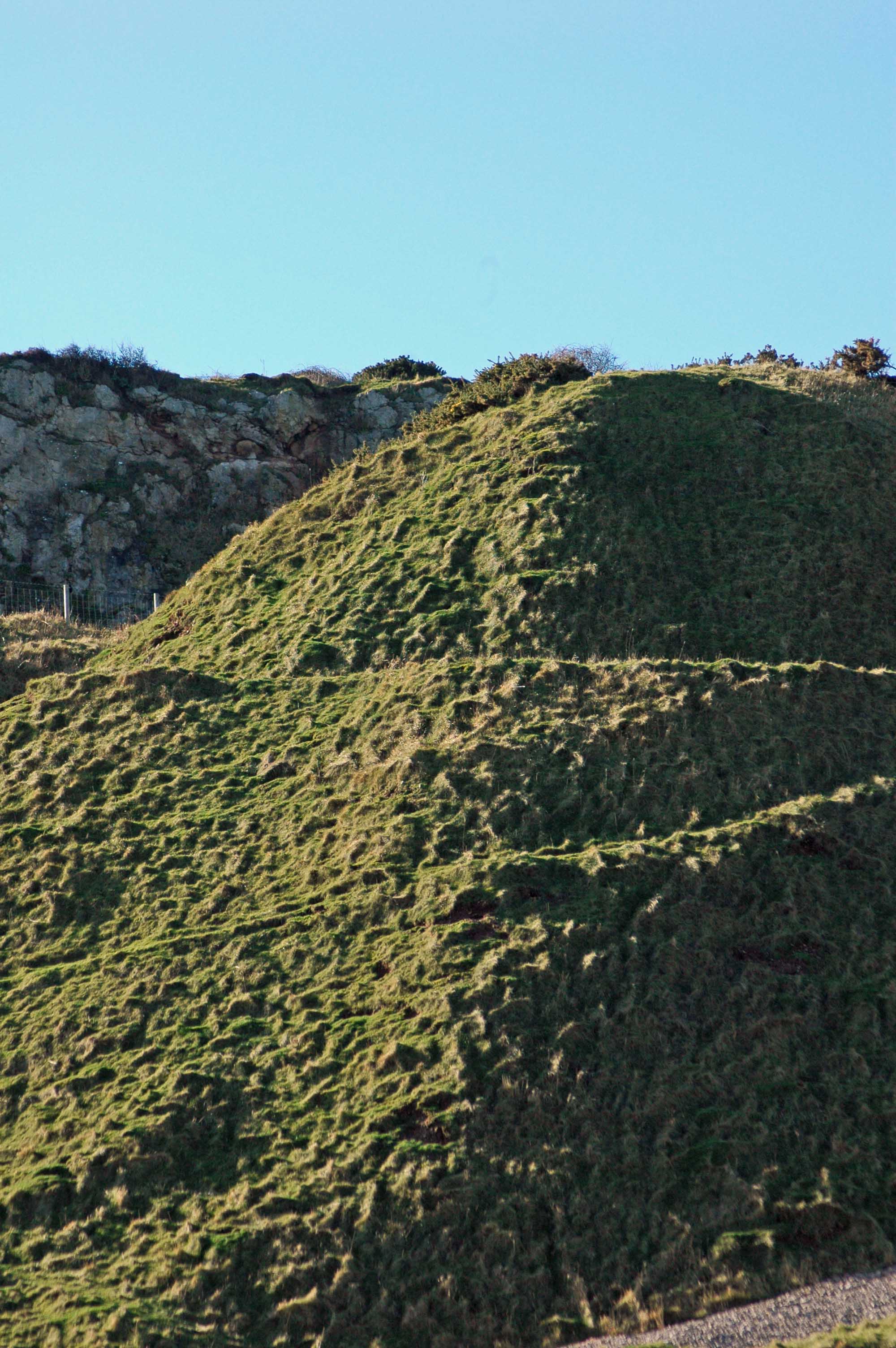
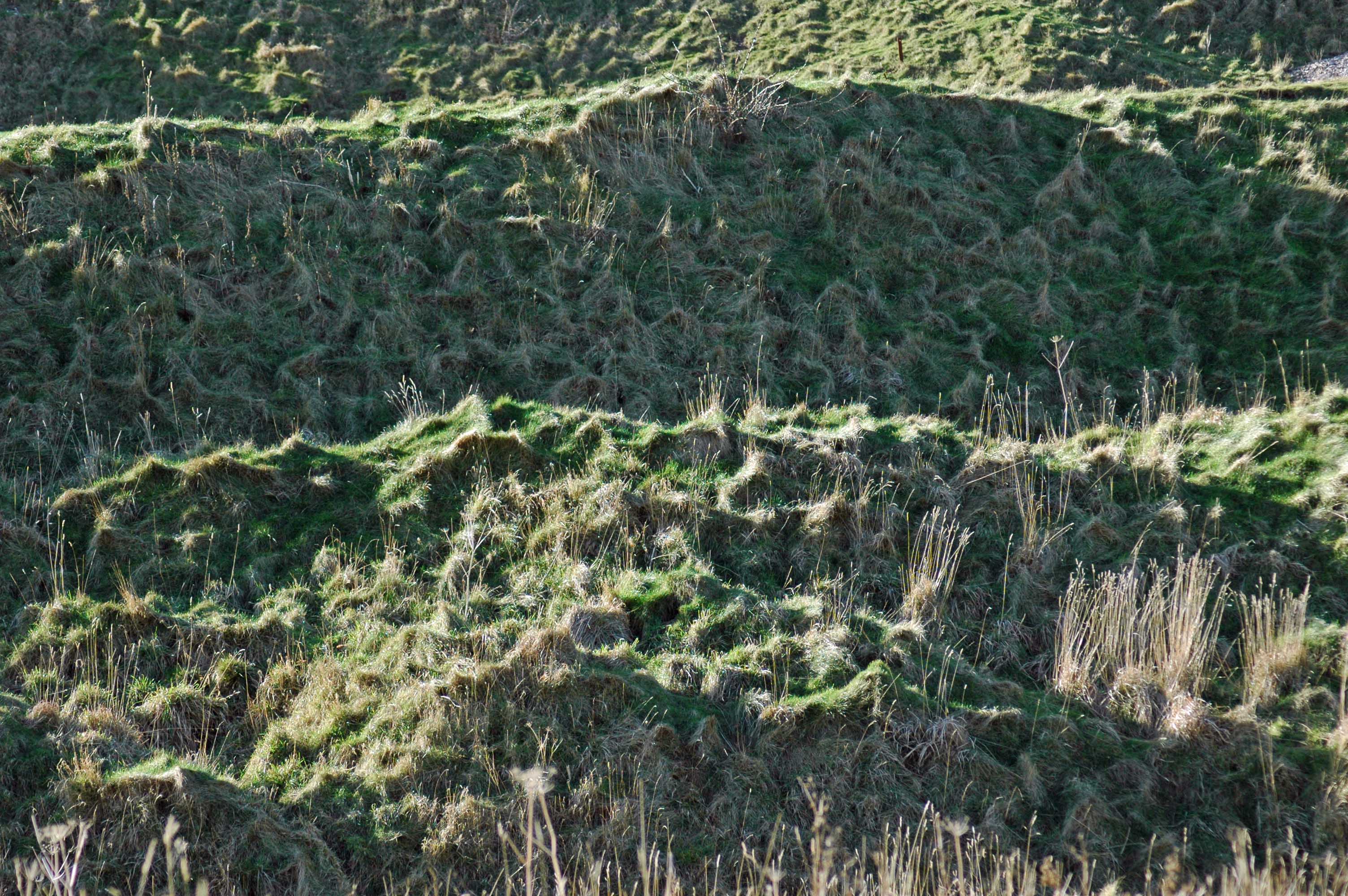
When the wind blows and sunlight slides slowly around the bulk of the Little Orme textures and patterns are revealed on surfaces that may go unnoticed in any other season when the sun is higher in the sky.

CLIFFS

Textures and patterns on a grass-covered cliff

Sunlit cliff face

140206-Little Orme 20-Light and shade on cliff

140206-Little Orme 27-Sunlit cliff

GRASS

Textured grass terraces

Grassy hummocks

ROCKS

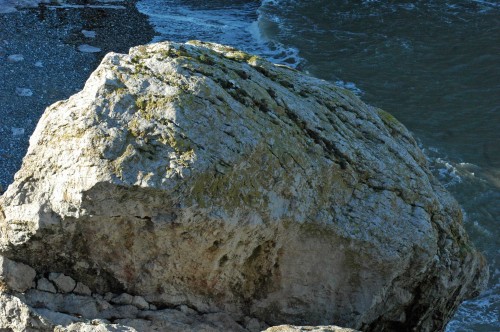
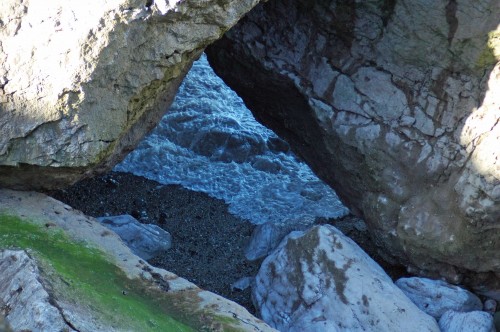
Sunlight catches the edge of a rock

140206-Little Orme 23- Sea coming back under rocks

140111-Sunlit rock, Angel Bay

PRICKLY PLANTS 

140206-Little Orme 14- Burrs

140206-Little Orme 12- Carline Thistle sunlit

140206-Little Orme 11- Carline Thistle

SEA SWELLS

From the cliff and Oyster catcher is a tiny black and white speck against a wind-ruffled sea

140128-Little Orme 2- Grey Seals swimming

Red-throated diver

140207-Red-throated Diver-Little Orme

BIRDS AMONGST TANGLES OF TWIGS

Great Tit singing

140207-Great tit singing-Little Orme

House sparrow eating

140207-House sparrow eating-Little Orme

Robin singing

140207-Robin in a bush singing-Little Orme

Greenfinch singing

140207-Greenfinch singing-Little Orme

And a glimpse of a Long-tailed Tit

140207-Long-tailed Tit-Little Orme

Share this:

  • Share on Facebook (Opens in new window) Facebook
  • Share on Pinterest (Opens in new window) Pinterest
  • Share on X (Opens in new window) X
Like Loading...

Grey Seal Spot

24 Friday Jan 2014

Posted by theresagreen in Little Orme, Nature, Nature of Wales, nature photography, Seals

≈ 4 Comments

Tags

Angel Bay, grey seal, grey seal pups, Little Orme, seals in Angel Bay

2014 – January 11th

The Little Orme is a fascinating site to visit at any time of year as it holds a variety of habitats in a relatively small area and there is always something to see, but the winter months are the perfect time to see some of its special visitors, charismatic Grey Seals. There are never many, but the pebbly beach of Angel Bay regularly attracts a number of new mothers and pups that come to haul out to rest on the shore of this sheltered little cove. They are pretty much undisturbed there as the beach is only accessible by a steep narrow track down the cliff. They don’t seem to mind interested people watching them from above too much, even those armed with cameras, although they definitely know you’re there and may keep a wary eye on you to make sure you stay put.

Today I was pleased to discover there were indeed grey seals here; five adults in a group, seemingly dozing, while three tiny young ones were practicing their swimming techniques in the waves.

Grey seals on the shingle shore of Angel Bay, Little Orme

Grey seals on the shingle shore of Angel Bay, Little Orme

The adults appeared not to be too concerned for the safety of the youngsters; grey seal pups have to grow up fast and must be able to start fending for themselves at about a month old, so they grow and put on weight rapidly and quickly shed the pretty white fur coats they are born with. The little ones seemed quite happy in the water, although getting back in, fighting against the incoming waves seemed to present more of a challenge.

Two of the three young seals taking a break from swimming practice on the sea edge

Two of the three young seals taking a break from swimming practice on the sea edge

The adult’s apparent slumber came to an abrupt end when something seemed to alarm them and they travelled surprisingly quickly down to the sea edge.

The seals suddenly decided to move towards the sea edge

The seals suddenly decided to move towards the sea edge

A few metres on they stopped again

A few metres on they stopped again

They were heading towards a young one, making me wonder if they had perhaps been summoned by it, but then as it watched from the surf of the sea edge they simultaneously stopped and flopped down again, seemingly unimpressed.

The adult seals moved down towards a young one on the sea edge

The adult seals moved down towards a young one on the sea edge

From November onwards female grey seals return to their favourite beaches to give birth and mate again. The milk of the grey seal is very rich enabling the pups to put on weight quickly. They have to grow fast as their mothers stay with them for only three weeks before returning to the sea. The mother does not feed herself whilst feeding her pup, so hunger soon drives her back to the sea.  Young seal pups are covered in white fur when they’re born. Within a month or so they shed the pup fur, grow dense waterproof adult fur, and leave for the sea to learn to fish for themselves. The pup soon follows and must teach itself to hunt for food.

I have posted about grey seals several times before, my favourite being a post about the rescue of a very young pup  from beneath the sea-break boulders at Rhos Point by some of the caring keepers from the Welsh Mountain Zoo. The photograph below is from that post.

Alone on the seashore the baby seal looked very small and vulnerable

Alone on the seashore the baby seal looked very small and vulnerable

Share this:

  • Share on Facebook (Opens in new window) Facebook
  • Share on Pinterest (Opens in new window) Pinterest
  • Share on X (Opens in new window) X
Like Loading...

The Brambles: des. res. for Whitethroats, sea views

31 Wednesday Jul 2013

Posted by theresagreen in birds of Wales, Nature, Nature of Wales, Pembrokeshire coastal path, Rhiwledyn Nature Reserve

≈ 6 Comments

Tags

birds nesting in brambles, brown bird with white throat, Little Orme, sylvia communis, whitethroat

On the Little Orme there is a huge bramble tangle set in the middle of a sea of long grass. Surrounded thus, it is some distance from the close-cut grass pathways on the clifftop and as there are other more easily accessed bushes, I may not have approached this particular one if I hadn’t noticed a bird fly across to it.

From the bird’s behaviour and general ‘jizz’ I thought and hoped it may be a Whitethroat, a summer migrant that I have heard before, but never had a close view of in this location.

(Jizz is a term used by birders to describe the overall first impression of a sighted bird, based on such characteristics as shape, posture, flying style or other movements, size and colouration combined with voice, habitat and location.)

As I moved a little closer the bird flew up nearer the top of the bramble, I saw it had an insect in its beak and that it was definitely a lovely male Whitethroat. So, there was a nest in there, confirmed when a female also carrying food made an appearance on the far side of the bush.

Whitethroat trying to hide

Whitethroat trying to hide

Although I was keeping my distance neither bird was happy I was there at all and the male expressed his annoyance by “churring”, raising his crest and puffing his throat out a bit, which showed he was upset. I don’t like upsetting birds,  but it did make for a more interesting photograph.

Common Whitethroat- Sylvia communis

Common Whitethroat- Sylvia communis

Whitethroat– Sylvia communis

Welsh: Llwydfron

The Whitethroat is a summer visitor and passage migrant to Britain that may be seen in all parts of the country and most frequently choose arable land, scrub and reedbeds as nesting sites.  They arrive during April-May and leaving in late September-early October to winter in Africa, some heading as far south as South Africa.

Graph from BTO showing Whitethroat population trend for Wales

Graph from BTO showing Whitethroat population trend for Wales

In 1968, Whitethroats sustained heavy losses as their wintering grounds in sub-Saharan Africa suffered major drought – breeding Whitethroats suffered a 90% drop in the UK. Numbers have not fully recovered yet and the BTO state their Conservation Status as AMBER because of the recent breeding population decline (1969-2007).

A male Whitethroat, Ceibwr, Pemrokeshire

A male Whitethroat, Ceibwr, Pemrokeshire

Description

The Whitethroat is a medium-sized, long-tailed warbler. The male is grey dusted with rust brown above, with bright chestnut brown fringes to the wing feathers, the head is a pale grey, the breast pinkish-buff and the throat is a bright white. The bill is greyish-brown and the legs are pale brown. The eye is pale brown with a white eye ring. Females are similar but brown on the head and nape where the male is grey.

Whitethroats prefer to stay concealed in bushes

Whitethroats prefer to stay concealed in bushes

Behaviour & song

Warblers in general are often described as ‘skulking’, but the Whitethroat is not quite as secretive as some; the male will perch in full view to deliver its brief song with gusto. The song is variously described as sweet, ‘scratchy’  and having a jolty rhythm. They are also very inquisitive birds and will venture to the top of a bush to investigate any intruders, before scolding them with a rapid churring call.

Nesting

The male whitethroat may mate with the first female to cross the territory it immediately stakes out upon his arrival back in Britain. He begins making a number of trial nests, perhaps as many as three. The female then chooses a nest, which will be a deep cup shaped construction located close to the ground in cover, and lines it with hair, down and wool.  4-5  eggs are laid which are about 18 mm by 14 mm, smooth and glossy, pale green or buff in colour with olive-grey speckles. The duties of incubating the eggs are performed by both parents. Both adults feed the young birds. There may be one or two broods raised in a season.

Food

In the breeding season whitethroats eat mainly insects, especially beetles, caterpillars and bugs. They also eat spiders and towards the end of the summer and into the autumn they turn increasingly to fruit and berries, sometimes invading gardens to raid soft fruit crops.

Where to see Whitethroats in Wales

Whitethroats  breed in many areas including woodland edges and clearings, country lanes anywhere they may find brambles, briers, bushes or overgrown hedges. They may also nest in gardens, but avoid urban and mountainous places.

In Wales they frequently find their favoured habitat on clifftops: locally on the Little Orme and I have seen them in various spots when walking along the Pembrokeshire Coastal Path. Another reliable spot for hearing and seeing them has always been in the similarly-vegetated area on the road down to Martin’s Haven, where you get the boat to Skomer Island.

June 11th 2010  

One late afternoon in June, my friends and I set off for a walk along a part of the Pembrokeshire Coastal Path beginning at Ceibwr and heading in the Poppit Sands direction (we’ve never yet made it that far). There were several Whitethroats about, but we didn’t expect to get the close up views we were treated to. Firstly, there was the one in the first two photographs above, that was in amongst a huge tangle of brambles at the back of the beach. Another flew right in front of us as we walked up the pathway to the clifftop.

A whitethroat flew in front of us

A whitethroat flew in front of us

At the top of the upwards part of the path we caught sight of one very close to the edge of it with food in its beak. It clearly wanted to reach its nest on the opposite side of the path but was reluctant to reveal its location, so it stayed put perched on a hogweed stem perhaps hoping we hadn’t seen it.

11/6/10-A whitethroat with food perched on hogweed-Ceibwr, Pembrokeshire

11/6/10-A whitethroat with food perched on hogweed-Ceibwr, Pembrokeshire

We stood still to give it the chance to make a break for it and it crossed to perch on a barbed-wire fence. It was hanging on tightly to the caterpillar in its beak and finally flew off into a shrub a few metres away to present it to its nestlings.

The whitethroat perched   on the wire fence hanging on to its nestling's tea

The whitethroat perched on the wire fence hanging on to its nestlings’ snack

 Similar species : Lesser Whitethroat 

The Common Whitethroat can be distinguished from the smaller Lesser Whitethroat by the absence of the dark mask on their cheeks and the presence of  rusty brown edges to their wing feathers, pinky chest and longer tail.

Read more about whitethroats in Cambridgeshire in Finn Holding’s blog, the Naturephile

http://thenaturephile.com/2013/05/23/whitethroats-and-awards/

53.308051 -3.749941

Share this:

  • Share on Facebook (Opens in new window) Facebook
  • Share on Pinterest (Opens in new window) Pinterest
  • Share on X (Opens in new window) X
Like Loading...

Seeing red and black

18 Thursday Jul 2013

Posted by theresagreen in Nature, Nature of Wales, nature photography, Rhiwledyn Nature Reserve

≈ 5 Comments

Tags

6-spot Burnet Moth, 7-spot ladybird, aposematism in insects, black & yellow striped caterpillars, black butterfly or moth with red spots, Cinnabar moth, cinnabar moth larvae, Little Orme, red and black insects, red soldier beetle

Aposematism (from apo- away, and semantic sign/meaning), is the word used to describe a family of anti-predator adaptations where a warning signal is associated with the unprofitability of a prey item to potential predators. Aposematic signals are beneficial for both the predator and prey, both of which avoid potential harm.

Walking on the Little Orme a few evenings ago I caught sight of a black and red moth flying across my path that landed on a fern frond. I have photographed similarly-coloured, but more spotted 6-Spot Burnet Moths within this site on many occasions, but this one was a Cinnabar Moth, which I have always kept an eye out for but never managed to see until now. This is the moth that lays its eggs on Ragwort that hatch into the black and yellow striped larva that will soon be munching on the leaves of that plant in large numbers.

Cinnabar Moth – Tyria jacobaea 

Flying : May – August. UK Distribution: England, Wales, Scotland & Ireland. Common and well distributed throughout most of England, Wales and Ireland, the Isle of Man and the Channel Islands.  More confined to predominantly coastal habitats in northern England and Scotland. Habitat: Frequent in open grassy habitats including waste ground, railway banks, gardens and woodland rides but perhaps most frequent on well drained rabbit-grazed grassland, mature sand-dunes and heathland.

Cinnabar moth resting on fern

Cinnabar moth resting on fern

Description: Medium-sized black moth, red markings on the forewing, hindwings mostly red. Often found near common ragwort, although sometimes on other ragworts and groundsels.

This species is so named due to the colour of the hindwings and the markings on the forewings which make it unmistakeable.  On rare occasions the pinkish markings are replaced with yellow, or the forewing is red with a black border or the wings are completely black. Easily disturbed by day and flies in sunshine. Also flies after dark.

The distinctive larva of the Cinnabar Moth

The distinctive larva of the Cinnabar Moth (enlarged !)

The Cinnabar larvae consumes ragwort from which it absorbs alkaloids and which it retains as an adult, making it unpalatable to predators in both forms.

6- spot Burnet Moth – Zygaenea filipendula

Flying: June-August. UK distribution: Throughout Britain, mainly coastal in Scotland. Habitat: Frequents flowery grassland, woodland rides and sandhills.

6-Spot Burnet Moth

6-Spot Burnet Moth

Description:  Medium-sized black moth with six red, occasionally yellow, spots.

Burnet moth caterpillars absorb Hydrogen Cyanide (HCN) from the glucosides in their food plants: bird’s-foot trefoil and vetches. They can also synthesise HCN themselves, storing it in body cavities and excreting it as chemical weaponry.

Also out and about in some numbers were Soldier Beetles.

Red Soldier Beetle – Rhagonycha fulva

Family:  Cantharidae

Can be seen: June-August

The red and black colouration reminded people of the red coats of British soldiers, hence the common name. It is also known as the ‘Bloodsucker’ for its striking red appearance, but it is harmless to humans. There are about 40 species of soldier beetle in the UK, displaying various colour combinations of black, red and orange.

Description: A medium-sized, narrow beetle commonly found on open-structured flowers, such as daises, Cow Parsley and Hogweed, during the summer. There are about 40 species of soldier beetle in the UK, displaying various colour combinations of black, red and orange. Habitat: It can be spotted flying in grassland, woodland, along hedgerows and in parks and gardens. Food: The adults are especially important predators of aphids. They supplement their diet with nectar and pollen and can be minor pollinators. Larvae prey on ground-dwelling invertebrates, such as slugs and snails, and live at the base of long grasses.

130712TGINCT- Soldier beetle on thistle-Little Orme

Common Red Soldier Beetle

Behaviour: The adults spend much of their short, summer lives mating and can often be seen in pairs.

130712TGINCTS-Soldier beetles mating on hogweed flower-Little Orme

Soldier beetles mating on hogweed flower-Little Orme

Then there were ladybirds, more than I’ve seen for a long time in one place and I was reminded that there was a ladybird plague in England one very hot summer. I looked it up and it in 1976, prompted as a response to a marked increase in aphid populations. There were many reports of people being bitten as the supply of aphids dwindled. That could happen again this year if the hot dry weather continues; I’ve already seen a lot of aphids….

7-Spot Ladybird-  Coccinella septempunctata

Family: Coccinellidae

The seven-spot is easily one of Britain’s most common and easily recognised beetles.

Etymology

The beetle’s common name “ladybird” originated in Britain where the insects became known as ‘Our Lady’s bird or the Lady beetle. Mary (Our Lady) was often depicted wearing a red cloak in early paintings, and the spots of the seven-spot ladybird (the most common in Europe) were said to symbolise her seven joys and seven sorrows. In the United States, the name was adapted to “ladybug”.

Coccinelid is derived from the Latin word coccineus meaning “scarlet”.

Another insect that employs the colour combination of red and black to advertise to predators that they taste horrible: if they are attacked, (or picked up),  they exude an unpleasant yellow substance (reflex blood) from their leg joints which is rich in toxic alkaloids. A threatened ladybird may both play dead and secrete the unappetizing substance to protect itself.

The most common ladybird in the UK

One of the most common ladybirds in the UK

Ladybirds lay hundreds of eggs in the colonies of aphids and other plant-eating pests. When they hatch, the ladybird larvae immediately begin to feed. Seven-spot ladybirds are avid and very active aphid predators, devouring more than 5,000 during their year-long life.

Only here for the blackfly

Only here for the aphids

A threat to our native ladybirds

There are 46 species of ladybird resident in Britain and the recent arrival of the harlequin ladybird has the potential to jeopardise many of these.

The atlas Ladybirds (Coccinellidae) of Britain and Ireland published in 2011 showed a decline of more than 20% in native species due to environmental changes and competition from foreign invaders. The distribution maps, compiled over a 20-year period with help from thousands of volunteers, showed a decline in the numbers of the common 10-spot and 14-spot ladybirds and a number of other species, including the 11-spot, 22-spot, cream-spot, water and hieroglyphic ladybirds, Coccidula rufa, Rhyzobius litura and Nephus redtenbacheri. Conversely, increases were seen in the numbers of harlequin, orange, pine, and 24-spot ladybirds, as well as Rhyzobius chrysomeloides.

Cultural associations with ladybirds

The ladybird was familiar to me as a child, first from the nursery rhyme Ladybird, Ladybird (this is the version I know, it may not be the exact original.)

Ladybird, ladybird, fly away home
Your house is on fire and your children are gone
Except for one, and her name’s Anne
And she hid under the frying pan.

As I got older I acquired a collection of ‘Ladybird’ brand books, which are still produced today. And I seem to remember there was a Ladybird children’s clothing range too.

53.308051 -3.749941

Share this:

  • Share on Facebook (Opens in new window) Facebook
  • Share on Pinterest (Opens in new window) Pinterest
  • Share on X (Opens in new window) X
Like Loading...

Hogweed days

12 Friday Jul 2013

Posted by theresagreen in Bryn Euryn Nature Reserve, butterflies, Nature, Nature of Wales, nature photography, Rhiwledyn Nature Reserve, Wildflowers of Wales

≈ 14 Comments

Tags

comma, cow parsnip, heracleum sphondylium, hogweed, medicinal uses of hogweed, medicinal uses of plants, Rose Chafer, small tortoiseshell

The most significant nectar provider for a whole host of insects at the moment is Hogweed, or Cow Parsnip if you prefer. In common with many species of wildflowers it seems to be having a bumper season and is flowering profusely in a lot of locations. The photographs here were mostly taken in the last couple of weeks, either in the Rhiwledyn Nature Reserve on the Little Orme or on Bryn Euryn. 

Hogweed, Cow Parsnip – Heracleum sphondylium  

Family: Carrot; Umbelliferae Habitat: Rough grassland verges, light woodland. The most usual late autumn umbellifer in flower.

Flowering:  (May) June – September Seeds: Winged Height: averages 50–120 cms (20–47 in), can reach 2 metres (6 ft 7 in)

Hogweed is an herbaceous perennial or sometimes biennial plant, native to Europe and Asia. It is an umbelliferous plant, in the same group as plants such as fennel, cow parsley and ground elder.

Hogweed-Heracleum spondylium

Hogweed-Heracleum spondylium

etymology

The common name of Hogweed refers to the characteristic pig-like smell of the flowers. The genus name Heracleum derives from the Greek “herákleion” and refers to the mythologic hero Heracles, who is reputed to have used the plant medicinally. The species name sphondylium, meaning “vertebrae”, refers to the shape of the segmented stem.

The leaves are large and can reach 50 cms (20 in) in length. They are pinnate, hairy and serrated, divided into 3-5 lobed segments.

Hogweed leaves

Hogweed leaves

A snail tucked into hogweed stems

A snail tucked into hogweed stems

The roots of the plant are large, rhizomatous and reddish in colour. The stem is hollow and striated with bristly hairs.

The flowers are  white, sometimes pinkish and each has 5 petals. They are arranged in large umbels of up to 20 cm of diameter with 15 to 30 rays. The peripheral flowers having a radial symmetry.

The inflorescence of a Hogweed plant

The inflorescence of a Hogweed plant

The hogweed is one of a number of plants that have foregone the use of a sweet scent to attract pollinating insects. The plant has adopted the more unusual strategy of mimicking the scent of pigs, not that noticeable to us, but to flies it is like a magnet and flies are the main pollinators of this plant.

A tachinid fly nectaring on hogweed

A tachinid fly nectaring on hogweed

The small fruits are flattened and winged, elliptical to rounded in shape and glabrous (smooth, free from hair or down) up to 1 cm long. The seed dispersal is by wind.

Hogweed seedhead

Hogweed seedhead

1/9/12 - Hogweed seeds

1/9/12 – Hogweed seed cases

traditional medicinal and culinary uses

Common hogweed was once employed in medicine, although its use has been long out of favour. Long ago the seeds were boiled in oil that was then recommended for application to running sores and to treat the rash associated with shingles. Culpeper recommended a decoction of the seeds to be applied to running ears.

Hogweed shoots have  a high vitamin C content and the plant is still eaten in some places. The young shoots are collected early in the season and the  tender young stems, cut into pieces about 15cm long may be boiled in salted water for about 15 minutes, then drained and served with butter. Apparently they make an ideal accompaniment to meat dishes.

(WARNING!  This family of plants contains many poisonous species and correct identification is essential before even thinking about eating them.)

hogweed and insects

Although its main pollinators are flies, many insects of other species can be seen helping them out whilst helping themselves to the nectar. It is not uncommon to see numbers of insects vying for a space on the same hogweed flowerhead.

A pair of soldier beetles mating, a green shield bug, a small black beetle and a fly of some sort all on one small flowerhead, oh and there's a spider's web

A pair of soldier beetles mating, a green shield bug, a small black beetle and a fly of some sort all on one small flowerhead, oh and there’s a spider’s web

30/6/13-Small Tortoiseshell on hogweed-Little Orme

30/6/13-Small Tortoiseshell on hogweed-Little Orme

30/6/13-Bumblebee on Hogweed flowers, Little Orme

30/6/13-Bumblebee-Bombus hortorium on Hogweed flowers, Little Orme

30/6/12-Greenbottle fly on hogweed - Little Orme

30/6/12-Greenbottle fly on hogweed – Little Orme

At Bryn Euryn the first insect I spotted on Hogweed flowers was a Comma butterfly. It was looking a bit worse for wear, faded and with chunks missing from its wings,but is a first tick for a sighting of this species this year.

8/7/13 -Comma butterfly

8/7/13 -Comma butterfly

There were also a number of soldier beetles, greenbottle flies, bumblebees and hoverflies there. I thought I’d taken a picture of a honeybee too, but taking a closer look at the photograph I realised the insect had only two wings. I don’t know for sure what it is, more research  needed, but most probably a hoverfly ; an Eristalis species. Interestingly in respect of honeybees, a loved this observation on Adventure’s in Beeland’s blog  whats flowering now: early july   ” They (honeybees) appear to get very little pollen from these flowers, but instead swish their proboscis enthusiastically about in the nectar like a watercolour artist swirling their brush.” I’ll envisage that now, if I chance upon a honeybee on hogweed…

Probably a hoverfly an Eristalis species

Probably a hoverfly an Eristalis species

A 7-spot ladybird heading up a hogweed stem - there's prey up there - greenfly aphids

A 7-spot ladybird heading up a hogweed stem – there’s prey up there – greenfly aphids

One of my favourite photographs of an insect on hogweed is this one of a Rose Chafer, taken somewhere along the Pembrokeshire Coastal Path.

2/7/08-Rose Chafer on Hogweed - Pembrokeshire Coastal Path

2/7/08-Rose Chafer on Hogweed – Pembrokeshire Coastal Path

Picture from Naturespot: Graham Calow - Sapcote - 26 April 2012

There is an insect that I am aware of but haven’t noticed yet, actually named  for the plant; the Hogweed picture-wing fly. It is a small picture-winged fly Euleia heraclei. Also known as the Celery fly, it is a species of tephritid or fruit fly and is a pest of celery and parsnips, where it damages the vegetables by leaf mining. Males display on the upper surfaces of leaves on sunny days during May and mating takes place when a female arrives.  In Britain, the species is distributed widely across southern and central England; in Wales records are mainly near the coast. (The picture is taken from one of my favourite ID sites http://www.naturespot.org.uk/)

53.308051 -3.749941

Share this:

  • Share on Facebook (Opens in new window) Facebook
  • Share on Pinterest (Opens in new window) Pinterest
  • Share on X (Opens in new window) X
Like Loading...

Wildflowers on a Limestone pavement

27 Thursday Jun 2013

Posted by theresagreen in Bryn Pydew, Butterflies of Wales, Limestone Pavement, Nature, Nature of Wales, nature photography, North Wales Wildlife Trust, Wildflowers of Wales

≈ 11 Comments

Tags

bloody cranesbill, Brown Argus, common blue, common rockrose, common shrew, dropwort, heath-spotted orchid, limestone pavement, North Wales Wildlife Trust, salad burnet, small heath, wildflowers of Bryn Pydew

The North Wales Wildlife Trust reserve at Bryn Pydew is becoming one of my new favourite places to visit, especially to see some of our less-common wildflowers and a variety of insects.

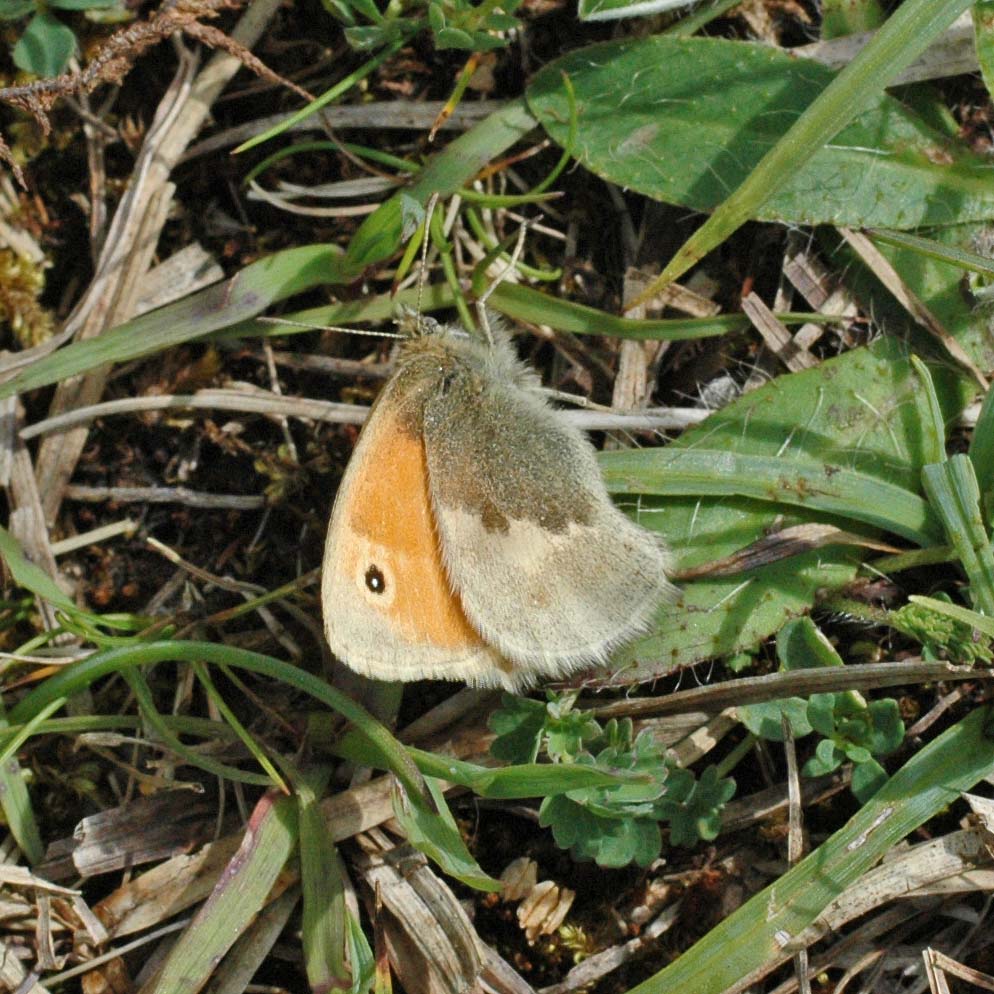
The first thing to attract my attention today was a Small Heath butterfly.  Fluttering along low to the ground it kept disappearing from my sight as it landed amongst the stems of long grass, but I managed to follow it along the woodland edge for a short way until I was distracted by the corpse of a little shrew. It didn’t appear to have been there for long, but there were puncture wounds around its back so had clearly been caught by something with sharp teeth and the fact that it had not been eaten suggests a domestic cat; they don’t like the taste of shrew and often leave their victims lying at the side of paths etc.

A Pygmy Shrew (dead)

Common Shrew  – Sorex araneus  Welsh: Llyg Cyffredin

British shrews are protected by the Wildlife and Countryside Act 1981, and it is an offence to kill them without a special licence.

Description: As with all  shrews, the common shrew has a long, flexible snout, small eyes and tiny ears.  They have dark brown fur on their backs, paler sides and an even paler underside.  Their heads are not as domed in shape as that of the even smaller pygmy shrew and the tail is proportionately shorter than that of the smaller species.

Food: All shrews have voracious appetites; they need to feed every 2-3 hours and consume up to 90% of their body weight in any 24 hour period. They eat most terrestrial insects, but also take worms, slugs and snails; they have a good sense of smell and feeling, but they do not dig for their prey.They lack the fat reserves to see them though the winter so do not hibernate and can be seen all year round.  Apart from those killed by cats, shrew corpses may also be those of animals that have not been able to find enough food.

Behaviour: They are solitary, territorial animals and often fight when they come into contact with their neighbours.  The high pitched squeaking sound that they make can often be heard as you walk along footpaths; they are most active at night and during dawn and dusk and intersperse periods of intense activity with resting.

Reproduction

Shrews build nests below the ground or under dense vegetation. After a gestation period of 22-25 days, females give birth to 4-7 young, which are weaned after 22 days. They breed from April to October, with a peak in the summer.

_______________________________________________________

I lost the butterfly but was soon compensated with a lovely bright metallic green beetle rummaging around in the stamens of a Welsh poppy.

Oedemera nobilis feeding on pollen

Oedemera nobilis feeding on pollen

This was the first, rather hasty photograph I took of the handsome beetle and followed it with a number of what I thought would be much better shots, but when I downloaded the day’s bounty I discovered all of them were unreadable, so goodness knows what happened there. Hopefully I will find more another day.

Dog Rose- Rosa canina

Dog Rose- Rosa canina

The open patch of ground just inside the site boundary is lovely now, lush with a mix of tall meadow grasses swaying gently in the day’s light breeze and catching the sunlight. Dog rose shrubs are in glorious full bloom.

A lush display of tall meadow grasses

A lush display of tall meadow grasses

In a sunny patch of shorter turf where there was Red Clover and Bird’s-foot Trefoil growing I stopped to watch Common Blue and Brown Argus butterflies and bumblebees. Both species of butterfly are territorial despite their tiny size and were chasing off anything and everything that dared enter their airspace.

A Common Blue male taking off from Bird's-foot Trefoil

A Common Blue male taking off from Bird’s-foot Trefoil

Brown Argus

Common Carder Bee on red clover

Common Carder Bee on red clover

There’s not much to see in the woodland here, the trees, including a good number of yews grow closely together, shutting out much of the sunlight, so it is very dark and quiet in there. I did spot a young Wren demanding attention from a parent though, calling loudly and flapping its wings wildly to try to maintain its balance on a fence post. It is only a short downhill walk to take before reaching the open area of Limestone Pavement. It’s a little more overgrown now than the last time I saw it, with quite a few tree saplings and brambles getting a foothold. I know little or nothing about how you would go about maintaining a limestone pavement though, so have no idea what would be removed, or when, but there are some lovely wildflowers here currently and it would be a shame if they were smothered by brambles.

The main expanse of Limestone Pavement

The main expanse of Limestone Pavement

Common Rockrose

Common Rockrose

There is quite a bit of rockrose, interspersed with salad burnet with its curious flowerheads.

Salad Burnet– Sanguisorba minor is a low-growing herb of chalk and limestone grasslands which produces rounded, reddish flower heads from May to September. The leaves of Salad Burnet comprise up to 12 pairs of rounded, toothed leaflets, and form a rosette at the base of the flower stem. The rounded flower heads are reddish and speckled.

Salad Burnet flower

Salad Burnet flower

The leaves are famous for smelling of cucumber if crushed or walked upon, and this plant lives up to its name as a popular addition to salads and summer drinks.

The leaves of Salad Burnet comprise up to 12 pairs of rounded, toothed leaflets, and form a rosette at the base of the flower stem.

The leaves of Salad Burnet comprise up to 12 pairs of rounded, toothed leaflets, and form a rosette at the base of the flower stem.

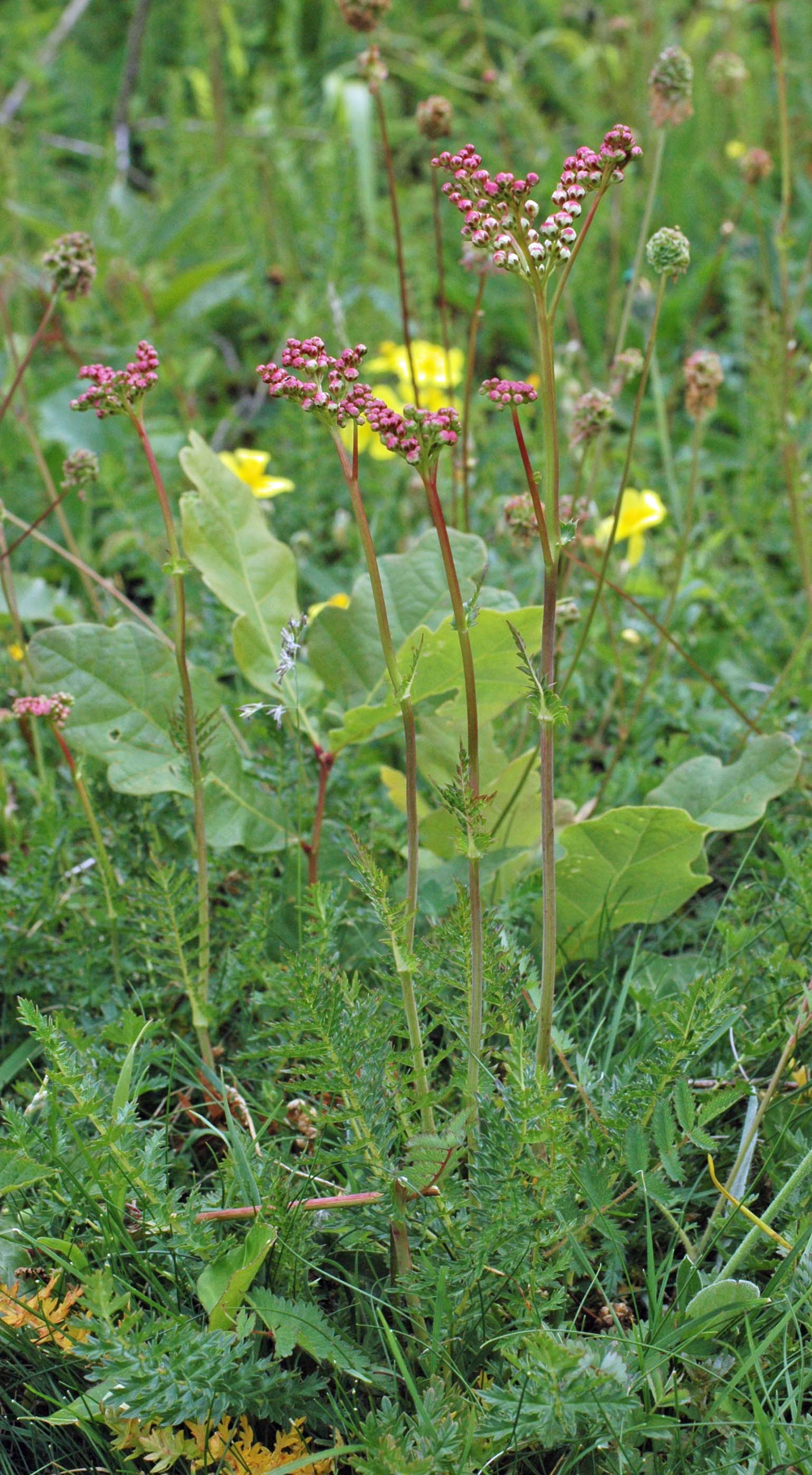
I try not to plan my outings too much, preferring to take things as they come at the time, but I was hoping to find one of this site’s ‘special’ plants in flower today. Dropwort-filipendula vulgaris is a clumsy (pardon the pun) name for a very elegant and rather ‘frothy’ plant. I found a couple of stems at the end of their flowering late last summer, but hoped to find more today. I was pleased then to find the first ones, which I recognised by the pretty fern-like leaves, but alas the flowers were still tightly budded. Once I had spotted one I found more, but all were tightly closed.

Dropwort in bud

Dropwort in bud

Again there was compensation for not finding what I was hoping for; this time it was Bloody Cranesbill –Geranium Sanguinem, which is not at all a common plant and in Wales restricted to a few limestone-rich coastal areas. It grows also on the Great Orme, a few miles away in Llandudno and I have also seen it on Llanddwyn Island in Anglesey.

Bloody Cranesbill-Geranium sanguinem

Bloody Cranesbill-Geranium sanguinem growing in a ‘gryke’ of the limestone pavement

There are many colour variations of this plant species, but it takes the ‘Bloody’ part of its name from the blood-red sepals that remain after the petals have fallen.

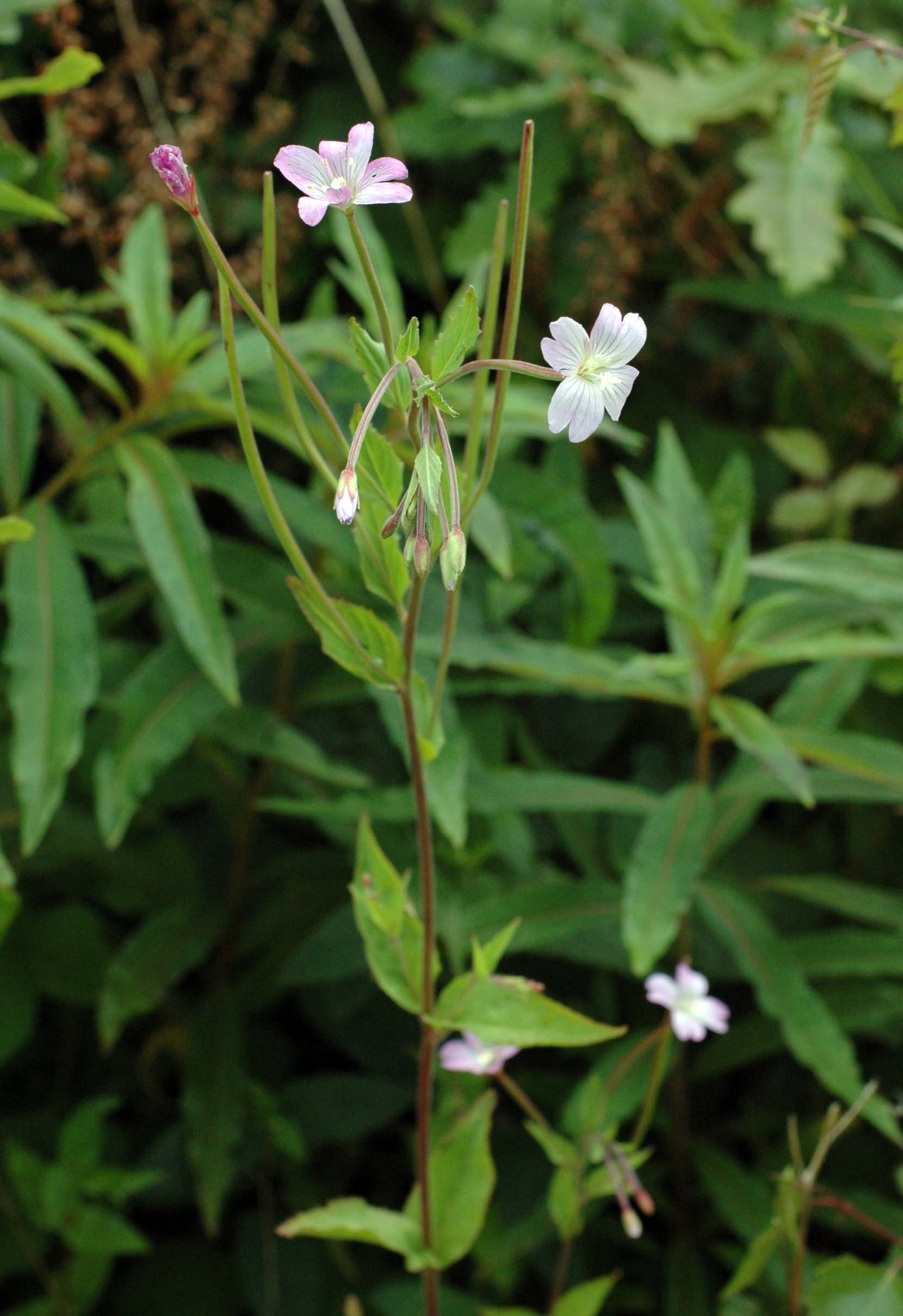
Broad-leaved Willowherb

Broad-leaved Willowherb, one of the more ‘ordinary’ wildflowers to be found here

Wood Avens

Wood Avens

Leaving this main area of the limestone pavement and continuing downhill through a narrow belt of woodland you emerge into an open grassy area that is so pretty I was half-expecting Bambi and friends to pop out. There were a few Purple Spotted Orchids here, very nearly finished, an impressive group of Bloody Cranesbill and more Rockroses.

At the far end of this small woodland glade is another smaller section of pavement, which is where I found the Dropwort last year. There was no sign of the plant in the exact same place, but I did spot a couple of little pale pink orchids. Once again, as I got my eye in, I found more of them, most not quite fully out yet.

Heath-spotted Orchid- Dactylorhiza maculata

Heath-spotted Orchid- Dactylorhiza maculata

I sat in the sunshine on the edge of the rocky pavement for a while, admiring the view across to Penrhyn Bay and watching more Small Heath butterflies fluttering over the stony ground where they settled to bask occasionally. I realised then that the reason I was finding it difficult to spot them earlier was because they settle very low to the ground, almost horizontal to it. As I got up to leave one fluttered along the grass in front of me, settling some metres ahead, so I took a series of photographs as I inched towards it, each one a little closer. It allowed me to get very close before flying off from here.

Small Heath - Coenonympha pamphilus

Small Heath – Coenonympha pamphilus

Quite unexpectedly then, just a short distance away from the butterfly I glanced up to see the flower I was hoping for in peachy pink and creamy white frothy glory. A Dropwort in almost full glorious bloom. What a treat.

Dropwort in full peaches and cream frothy glory

Dropwort in full peaches and cream frothy glory

Dropwort (Filipendula vulgaris), also known as Fern-leaf Dropwort, is a perennial herb of the family Rosaceae and closely related to Meadowsweet. It is found in dry pastures across much of Europe and central and northern Asia, preferring full sun to partial shade and is more tolerant of dry conditions than most other members of its genus.

It has finely-cut, radical leaves, fern-like in appearance, and an erect stem 20–50 centimetres (8–20 in) tall. The tiny creamy white flowers appear in dense clusters from late spring to mid summer. The crushed leaves and roots have a scent of oil of wintergreen (Methyl salicylate).

Share this:

  • Share on Facebook (Opens in new window) Facebook
  • Share on Pinterest (Opens in new window) Pinterest
  • Share on X (Opens in new window) X
Like Loading...
← Older posts
Newer posts →
Follow everyday nature trails on WordPress.com

Enter your email address to follow this blog and receive notifications of new posts by email.

‘But it is the common species that keep the living world ticking over and provide most of our experiences of wildlife, and I would argue that maintaining the abundance of these is as important a conservation priority as maintaining the existence of rarities’. Richard Mabey

MOST RECENT POSTS

  • A Glimpse of Spring to Come January 22, 2025
  • Hunting the Wren December 28, 2024
  • Oh, Christmas Tree December 18, 2024
  • In and Out of the Ivy February 15, 2024
  • Nature’s Fireworks November 30, 2023
  • Wild Autumn along the Coast Path November 3, 2023

OLDER POSTS

LOOKING FOR SOMETHING IN PARTICULAR?

  • The Foxglove - of Fairytales, Myths & Medicine
    The Foxglove - of Fairytales, Myths & Medicine
  • Sights and Sounds from the Little Orme 1
    Sights and Sounds from the Little Orme 1
  • Butterflies and more rare treats
    Butterflies and more rare treats
  • Things Bright and Beautiful
    Things Bright and Beautiful
  • May Bee Appearing on Ivy near You
    May Bee Appearing on Ivy near You
  • Following a river to a Fairy Glen
    Following a river to a Fairy Glen
  • The Windhover
    The Windhover
  • The craft and artistry of nest building
    The craft and artistry of nest building
  • Catchers, a Duck and Divers
    Catchers, a Duck and Divers
  • Shades, Sounds and Scents of the Woods
    Shades, Sounds and Scents of the Woods

nightingale trails

The Walk of the Monarch Butterfly-Sendero de la Mariposa Monarca

The Walk of the Monarch Butterfly-Sendero de la Mariposa Monarca

MY WILDFLOWER BLOG: where the wildflowers are

Snowdrop

Snowdrop

most recent posts

Follow everyday nature trails on WordPress.com

Social

  • View teresamaygreen’s profile on Twitter

Enter your email address to follow this blog and receive notifications of new posts by email.

Website Built with WordPress.com.

  • Subscribe Subscribed
    • everyday nature trails
    • Join 358 other subscribers
    • Already have a WordPress.com account? Log in now.
    • everyday nature trails
    • Subscribe Subscribed
    • Sign up
    • Log in
    • Report this content
    • View site in Reader
    • Manage subscriptions
    • Collapse this bar
 

Loading Comments...
 

    %d