• Home
  • about
  • about the photographs
  • Local Nature Reserves
    • Bryn Euryn Local Nature Reserve
    • Mynydd Marian
  • Wales Coast Path
    • Grey Seals in North Wales
    • St.Trillo’s Chapel
    • Wildflowers of North Wales Coastal Paths, Cliffs and Dunes

everyday nature trails

everyday nature trails

Category Archives: Nature

Activity and new arrivals on the seashore

16 Friday Sep 2011

Posted by theresagreen in birds of the seashore, Birdwatching on North Wales coast, Nature, Rhos-on-Sea

≈ Leave a comment

Tags

cormorants flying, Oystercatcher, redshank, ringed plover, sandwich, Turnstone

The summer is rapidly coming to an end and many species of birds are on the move, some returning to their winter feeding grounds in this country, others flying in from the north and others taking off to return to the warmer regions of Southern Europe and Africa. During the past few weeks I have already noted that the numbers of Oystercatchers and Sandwich Terns have increased dramatically here at Rhos-on-Sea on the North Wales coast and that Curlews have become a regular sight foraging on the seashore.

24th August

There was a lot of activity on the seashore late in the afternoon as the tide turned. I’m not the best at counting large numbers of birds, especially when they’re mobile, but there are definitely several hundred Sandwich Terns here presently and even more Oystercatchers. Mixed flocks of the birds line up along the sea edge, moving closer inshore as the water encroaches the rocky beach.

24/8/11-Sandwich Terns and Oystercatchers line up expectantly along the sea edge as the tide comes in

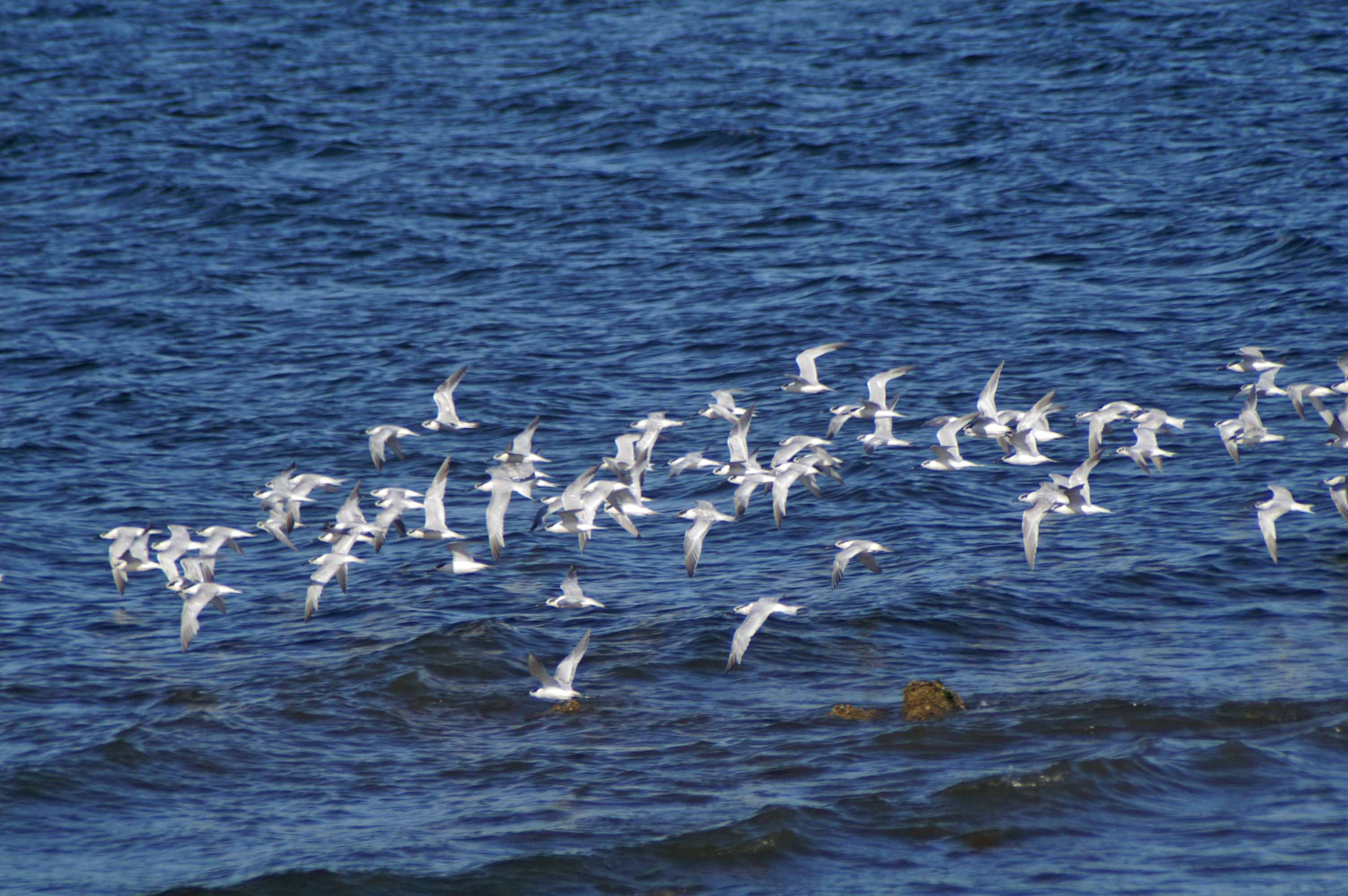
The Terns are restless; there are a lot of to-ings and fro-ings between their various groups and occasionally a whole flock takes off in unison, only to return to the same spot seconds later. The Oystercatchers take little notice of their flighty companions and continue to wait or forage patiently.

24/8/11- Sandwich Terns take off in unison

24/8/11-Terns settling back down amongst Oystercatchers

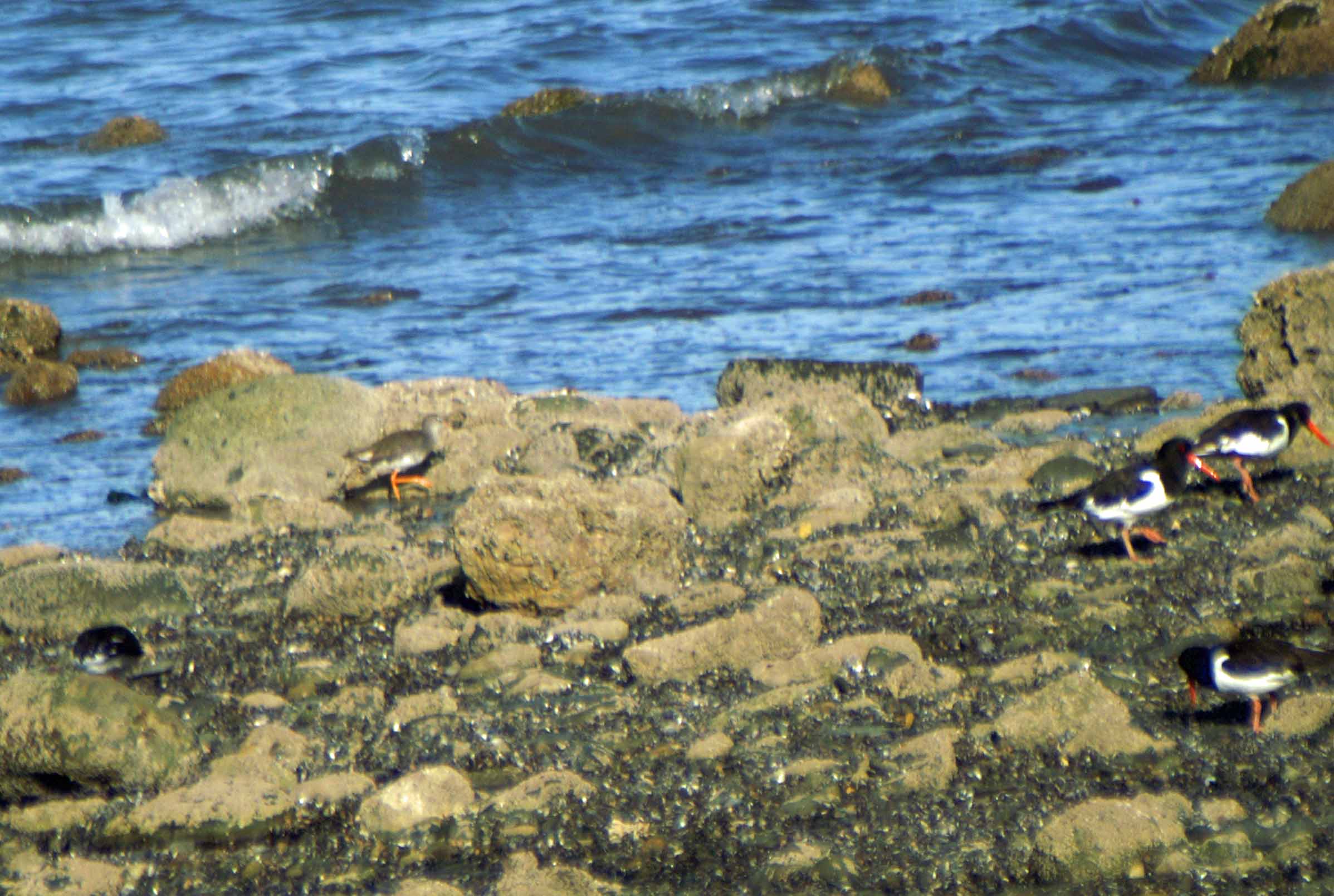
I was content watching the Tern displays, then noticed a couple of other waders well-camouflaged against the greys and browns of the shore; the bright red legs that give the birds their name gave away Redshanks that had infiltrated the ranks of Oystercatchers. The proximity of the two species shows the contrast in size. The Redshanks were quite distant, but now I have seen them I hope for better views another time.

24/8/11-Redshanks amongst Oystercatchers

I was feeling pleased to have Redshank to add to my sightings list, then spotted two separate flocks of smallish birds fly in almost simultaneously and was delighted to witness the arrival of both Turnstones and Ringed Plovers. The individuals of both flocks landed on rocks at the sea edge that were surrounded by water, then stayed put for a few minutes before venturing on to the shore to forage. I estimated that there were around 20 birds in each flock.

24/8/11-Turnstones arrived with Ringed Plovers

24/8/11- Turnstone flock flying away

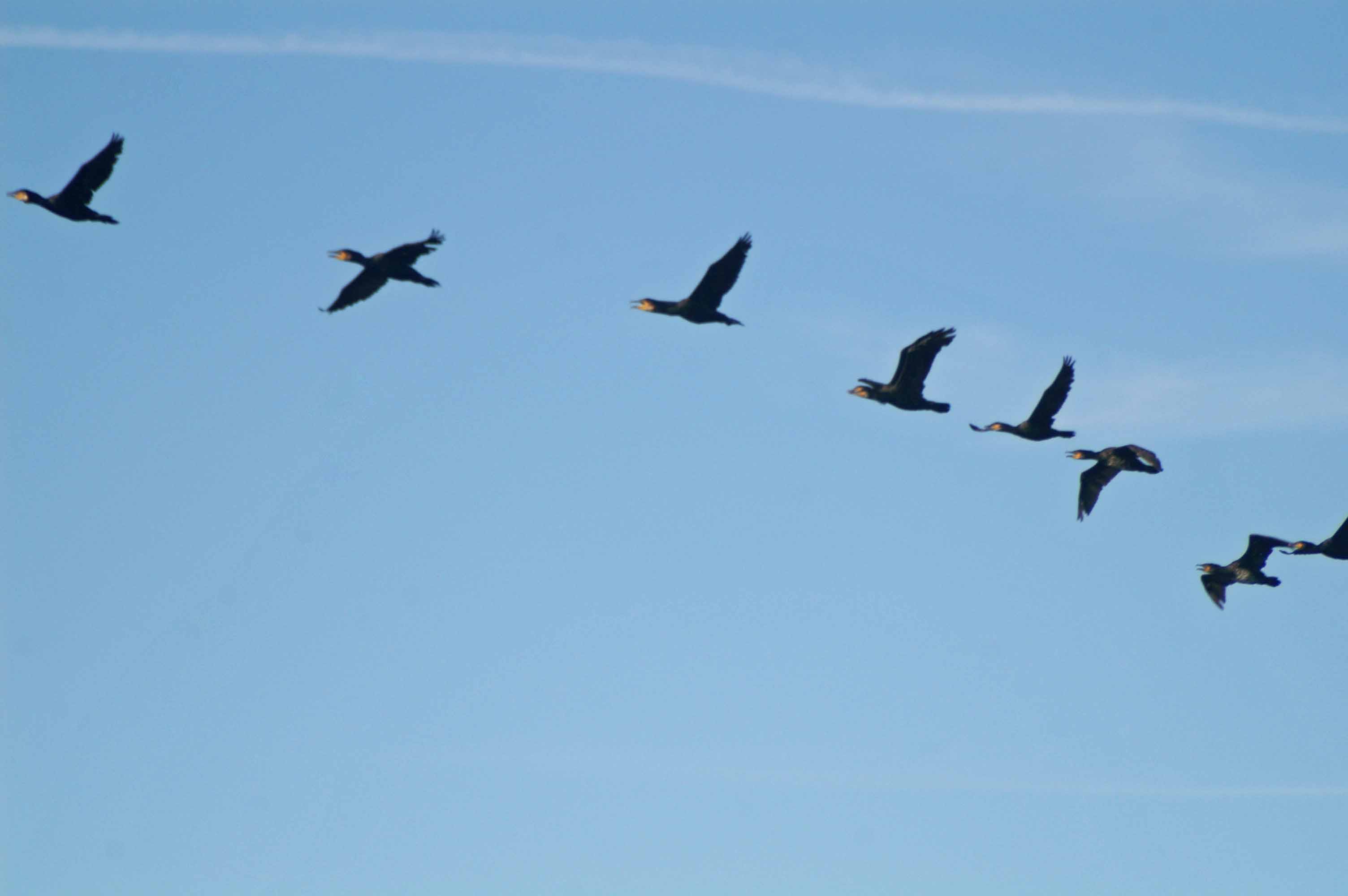
24/8/11-Cormorants flying toward the Little Orme, calling as they flew

24/8/11-Black-headed Gull flying

Birds to be seen currently on the shore at Rhos-on-Sea:

Cormorant – Phalacrocorax carbo, Oystercatcher – Haematopus ostralagus,  Ringed Plover – Charadrius hiaticula, Turnstone – Arenaria interpres, Redshank –  Tringa totanus, Curlew – Numenius arquata,Black-headed Gull – Larus ridibundus, Herring Gull – Larus argenatus, Lesser Black-backed Gull – Larus fuscus, Sandwich Tern – Sterna sandvicencis, Pied Wagtail – Motacilla alba, yarellii

Share this:

  • Share on Facebook (Opens in new window) Facebook
  • Share on Pinterest (Opens in new window) Pinterest
  • Share on X (Opens in new window) X
Like Loading...

Late summer’s fruitfulness

14 Wednesday Sep 2011

Posted by theresagreen in Insects, Nature, nature photography

≈ 1 Comment

Tags

burdock, late summer wildflowers, Little Orme, potter wasp, RAF rescue helicopter, Rhiwledyn Nature Reserve, rosehips, toadflax, tortoiseshell butterfly, wasps

22nd August

I took a walk around the Rhiwledyn Nature Reserve on the Little Orme this afternoon to seek out some late-summer insects; I was hoping for a Small Copper butterfly and maybe another Comma, but a Small Tortoiseshell was top of the list and to my surprise and delight I spotted one almost straightaway. Beautifully bright coloured it was a pristine specimen that rested on the ground, wings outstretched.

22/8/11-Small Tortoiseshell-Aglais urticae

It was a sunny but windy afternoon, so I headed away from the exposed cliff top to explore the more sheltered area of scrubby ground at the opposite end of the site. I spotted some yellow-green flowers that I think were those of fennel and found a Common Wasp feeding there.

22/8/11-A Common Wasp on fennel flowers

Nearby there were also a number of attractive little Potter Wasps busy on Knapweed flowers. Although being coloured and striped in yellow and black, a closer look soon reveals them to be very different in size and shape to the Common Wasp.

22/8/11- Potter wasps on a Knapweed flower

22/8/11-Potter Wasp-Ansitrocerus parietum

Several Large White butterflies fluttering around a bramble attracted my attention and moving closer I saw that a single female was the draw for several males that were competing to mate with her. I took the opportunity to photograph a male resting with its wings open.

22/8/11-Large White-Pieris brassicae

22/8/11-Common Carder Bumblebee on scotch thistle

On Ragwort flowers I spotted a hoverfly, black with interrupted white stripes which is a new-to-me species to add to my collection later identified as a Pied Hoverfly – Scaeva pyrastri. I only managed to get one photograph which unfortunately is a bit blurred as the wind was blowing the plant around and the insect didn’t stay there for long.

22/8/11-Pied Hoverfly-Scaeva pyrastri

22/8/11-There are still Cinnabar Moth caterpillars feeding on ragwort

Many plants are now bearing seeds or fruits; blackberries are ripening and watching a Bluebottle fly feasting on them I was reminded why it’s probably best not to pick them and eat them without washing or cooking them first!

22/8/11-Bluebottle fly on blackberries

22/8/11-Teasel seed head

22/8/11-Ripe rosehips

22/8/11-Robin's Pincushion on wild rose

22/8/11-Carline thistle seed heads

Late-blooming wildflowers I photographed today included Burdock, Yarrow and Toadflax. Ragwort is still flowering although some plants are going to seed. Knapweed is also still blooming and there are still a few fresh thistle flowers, although most are seeded.

22/8/11-A 6-spot Burnet Moth on a fading Scotch thistle flower

22/8/11-Burdock

22/8/11-Yarrow-Achillea millefolium

22/8/11-Common Toadflax-Linaria vulgaris

Linaria vulgaris (Common Toadflax, Yellow Toadflax, or Butter-and-eggs) is a species of toadflax (Linaria), native to most of Europe and northern Asia, from the United Kingdom south to Spain in the west, and east to eastern Siberia and western China.

22/8/11- RAF Rescue helicopter

The noisy presence of a bright yellow RAF Air-Sea Rescue helicopter is not an uncommon sight around the cliffs of the Little Orme as this is one of the practice sites for those based on Anglesey. However,today’s mission was real and assistance was required by a person that had injured themselves and were inaccessible to an ambulance, so the helicopter actually landed. A crowd quickly gathered to watch the proceedings, but from what I gathered from speaking to a few different people, this was not out of concern for the injured person, but rather to try to spot if it may be Prince William flying the helicopter! It wasn’t, but as there are only three craft based in Anglesey, it was a possibility it could have been.

22/8/11-Sheep grazing on the rocky hillside

I have walked up the steep grassy pathway on the hillside several times, but had never ventured further on along the ridge, so I thought I would rectify that today. This area is grazed by sheep and edged by shrubby vegetation and small trees,adding yet another dimension to the reserve as habitat for woodland birds. It was a little too late to venture far, but a good time to catch quite a few birds out and about foraging for their supper, including Blackbirds, Robin and Chaffinch.

A chaffinch amongst elderberries

22/8/11-Banded snail

Share this:

  • Share on Facebook (Opens in new window) Facebook
  • Share on Pinterest (Opens in new window) Pinterest
  • Share on X (Opens in new window) X
Like Loading...

Catching up on the gardening

13 Tuesday Sep 2011

Posted by theresagreen in garden wildlife, Insects, Nature

≈ 2 Comments

Tags

bird's foot trefoil seedpods, brimstone moth, buff-tailed bumblebee, garden snail blowing bubbles, gatekeeper butterfly, orange and brown butterfly

This month’s weather has been variable and time spent sorting out the garden has been sporadic, but when I have had the opportunity I have been clearing some overgrown borders and have seen or disturbed some interesting things in the process.

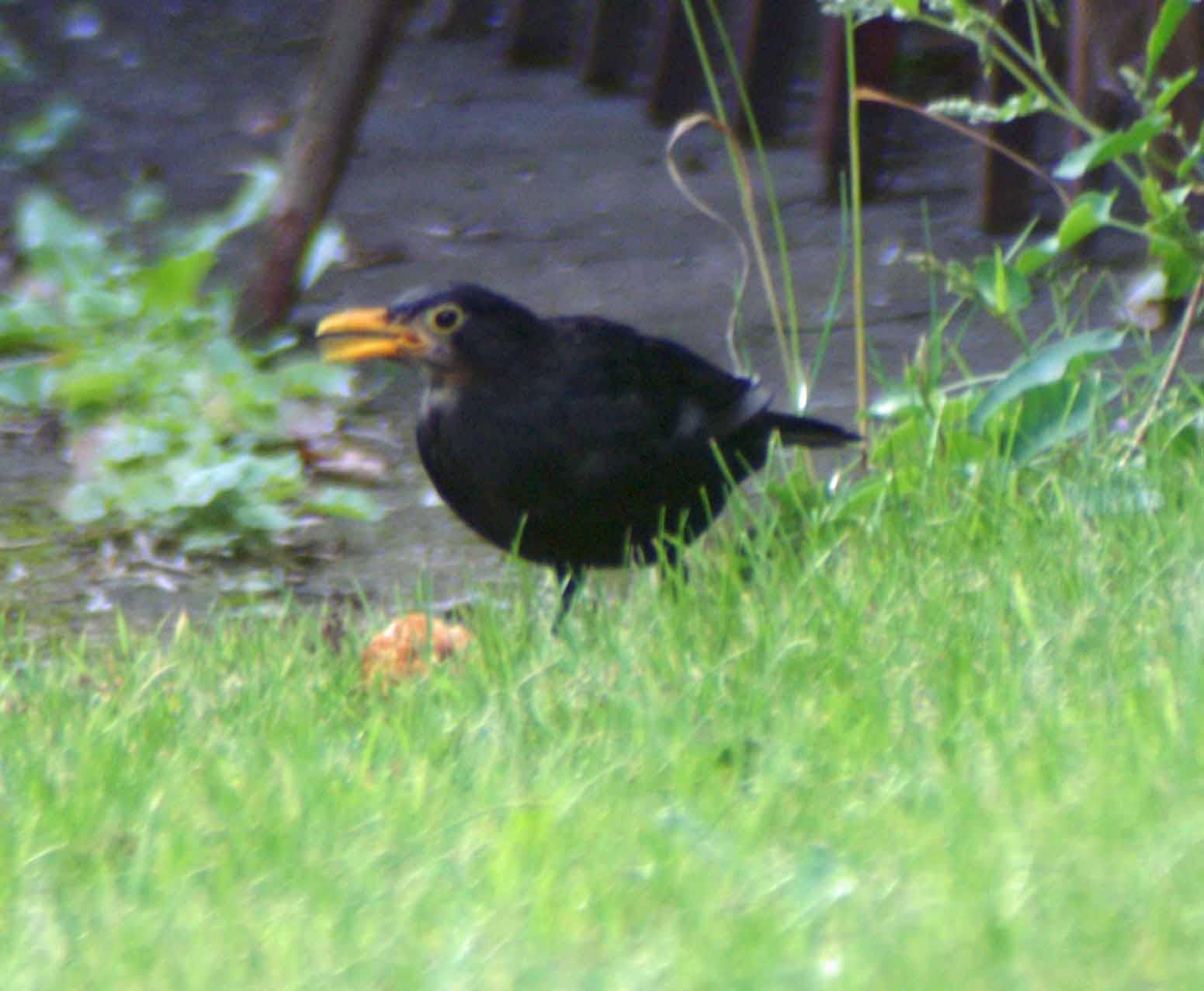
Part of next door’s apple tree overhangs the hedge; the tree is laden with rosy apples and many of the smaller fruit have begun to drop to the ground. The windfalls have been providing a regular treat for the Blackbirds.

22/8/11-Blackbird enjoying a windfall apple

I disturbed the lovely little Brimstone Moth in the following photograph when I was pulling out overgrown ivy.

22/8/11-Brimstone Moth-Opisthograptis luteolata

I found a garden snail close by the spot the moth flew out from. There is nothing it can do much damage to in that particular area, so I replaced it under the hedge, where to my surprise it began producing a mass of foamy bubbles. I’ve been trying to discover why it would have been doing that but haven’t come across an explanation I’m happy with yet.

22/8/11-A garden snail blowing bubbles

The sunshine brought out a few butterflies including Large White, Holly Blue and a couple of Gatekeepers that were beginning to look a little faded.

22/8/11-Gatekeeper butterfly

22/8/11-Buff-tailed bumblebee covered with pollen

There are several species of wildflowers that I leave to grow in the garden, one is the pretty yellow Bird’s foot trefoil, which also currently has seed-pods, the form of which give the plant its name.

22/8/11-Bird's-foot trefoil-Lotus cornicularis

Bird’s-foot Trefoil – Lotus corniculatus is a common flowering perennial plant native to grassland temperate Eurasia and North Africa that flowers from June until September. . The flowers develop into small pea-like pods or legumes; the name ‘bird’s foot’ refers to the appearance of the seed pods on their stalk.

The height of the plant is variable, from 5-20 cm, occasionally more where supported by other plants; the stems can reach up to 50 cm long. It can survive fairly close grazing, trampling and mowing and is a very important plant in the life-cycle of many butterflies and moths. It is most often found growing in light sandy soils.

The plant has had many common English names in Britain, which are now mostly out of use. These names were often connected with the yellow and orange colour of the flowers, e.g. ‘butter and eggs’. One name that I knew it by as a child that is still used is ‘Eggs and Bacon‘.

22/8/11-Bird'sfoot trefoil seedpods. The form and claw-like arrangement of the pods is from where the common name derives

Another of my favourite wildflowers also largely left alone, is the Blue bugle, Ajuga reptans. It has always seemed strange to me that it is often treated as a ‘weed’ in gardens where it occurs in its natural form but that larger-flowered cultivated versions of similar species are purchased and planted.

22/8/11-Blue bugle -Ajuga reptans

Share this:

  • Share on Facebook (Opens in new window) Facebook
  • Share on Pinterest (Opens in new window) Pinterest
  • Share on X (Opens in new window) X
Like Loading...

Seashore treats

13 Tuesday Sep 2011

Posted by theresagreen in birds of the seashore, Nature

≈ Leave a comment

Tags

birds of North Wales, curlew on seashore, herring gull, oystercatchers feeding, oystercatchers flying, wading birds on seashore

20th August

I had some errands to do in the village this morning and as it was a lovely bright sunny morning I decided to walk there along the promenade. As always I stopped by the tiny St.Trillo’s chapel to scan the rocky seashore; the tide was going out and sightings of Oystercatchers and Sandwich Terns were rather distant, and I was set to move on until I noticed a slight movement around a rock pool and spotted a Curlew, the closest view of one I’ve had since I first realised they were present here.

20/8/11-Curlew on the beach

Returning home from the village  I stopped for a quick look around the area at the end of the dry sandy beach where there are large rocks and also the edge of the harbour. To my surprise there was a small group of Oystercatchers there and I had some close up views of them foraging amongst the rocks.

20/8/11-Oystercatcher-Haematopus ostralegus

20/8/11-Oystercatcher probing a shellfish

20/8/11-Oystercatcher & Herring gull

20/8/11-Herring Gull posing

20/8/11-Oystercatchers flying

Share this:

  • Share on Facebook (Opens in new window) Facebook
  • Share on Pinterest (Opens in new window) Pinterest
  • Share on X (Opens in new window) X
Like Loading...

A wander through Pwllycrochan Woods

12 Monday Sep 2011

Posted by theresagreen in nature of woodlands

≈ 2 Comments

Tags

brown-lipped snail, ferns, large trees, mosses, pathways through trees, pwllycrochan woods, rose-bay willow herb, woodland walks

This prominent woodland stretches across the slopes behind the town of Colwyn Bay. The wood is almost entirely deciduous with a variety of native trees and exotic species such as sweet chestnut and firs. Mature trees impart character to the woodland whilst two streams provide an attractive feature as they forge their way through deep dingles in the ancient part of the wood. Birds to be seen and heard in the wood include Jay, Buzzard, Nuthatch, Great spotted woodpecker, Treecreeper and Tawny owl.

The name “Pwllycrochan” is thought to translate to mean ‘Cauldron Pool’. The pool referred to lies at the bottom of a steep wooded dingle and was created by the stream that runs down into it.  The stream probably used to run much faster than it does now and created a pool of well oxygenated, bubbling water at its base. 


This remnant of ancient woodland covers 21 hectares in total, but it is divided into three ‘islands’ by roads that bound it and cut through it ; i.e King’s Drive and Llanrwst Road. However, despite the proximity of the highways, the woodlands retain much of their tranquility and walking between the wonderful towering trees, some of which must have been growing steadily throughout at least a couple of centuries, instills the feeling of calm and peace that I believe is intrinsic to old woodlands.

Today, in the middle of August, it was exceptionally quiet here, with no birdsong and very few other people around, so the sudden sounds made by a grey squirrel foraging through the branches of a beech tree above my head made me jump. Apart from a couple of glimpses of Robins, a Blackbird, and at the end of my walk a Jay, there is little else to report in terms of sights and sounds of fauna.

This was my first visit to this woodland and although I had it in mind to find the pool that gives it its name, I had no idea where it was to be found, so I just wandered along sections of tracks that wind around through the trees. Most are easy walking, either flat or slightly sloping, while others require a bit more of an uphill effort and I imagine could get quite slippery in wet weather.

I think the photographs I took are descriptive enough to convey the essence of a wander through this lovely woodland, so here are just a few of the many I took:

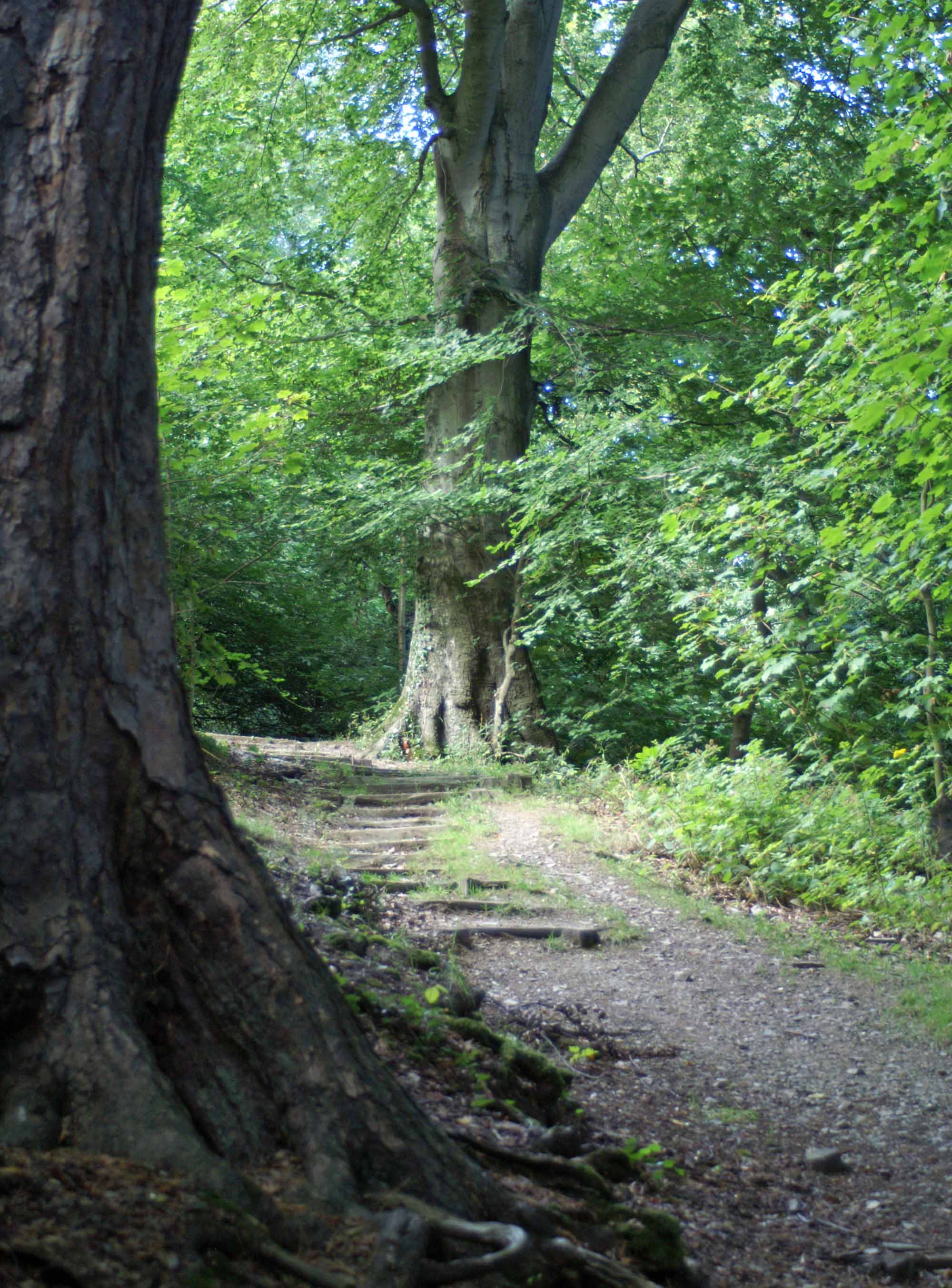
Shaded pathway between the trees passing beneath a huge beech tree with moss-covered roots

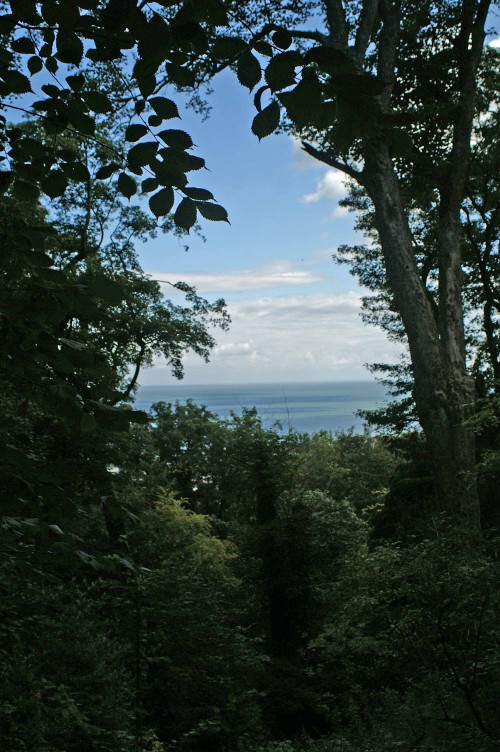
Sea view through the trees

A sun-dappled uphill pathway with steps

Steps leading to the top of a pathway

One of the impressive ‘exotic’ Sweet Chestnut trees

Another chestnut specimen, this one the more familiar Horse Chestnut or conker tree

A true native Ash Tree

A fern-fringed stream trickling down over rocks

A fern covered bank

Speckled Wood butterfly resting on a fern frond

A decaying tree stump surrounded by fresh green moss

Tree stump supporting moss & lichen

Part of the trunk of a towering Scots Pine tree

Pine cones

This impressive beech tree is so tall I had to take the photograph in two parts and merge them together

I finally came upon the famous ‘cauldron pool’, but probably due to the lack of rainfall earlier on this year, its water level was low and despite some recent renovations to its retaining walls, it was looking rather sad, so I decided to protect its reputation and not take a photograph this time.

Finally, on the woodland edge:

A stand of Rose-bay Willow Herb on the woodland edge

A brown-lipped snail tucked beneath a leaf

Share this:

  • Share on Facebook (Opens in new window) Facebook
  • Share on Pinterest (Opens in new window) Pinterest
  • Share on X (Opens in new window) X
Like Loading...

Seaside life, cloudy skies and other views

03 Saturday Sep 2011

Posted by theresagreen in Nature of Wales, Rhos-on-Sea

≈ Leave a comment

Tags

catching crabs, cloudy skies, daisies growing on the beach, herring gull, Little Orme, mussel beds of Rhos-on-sea, red-tailed bumblebee

The weather throughout August has been unsettled and changeable. Rainy and sometimes windy days have curtailed outdoor activities, but when there have been dry spells and even occasional warm sunny ones, beautiful cloud formations have added an extra dimension to the views of sea and land.

A breezy but sunny afternoon:

9/8/11-Clouds over Rhyl

Catching crabs,( or ‘crabbing), is a popular form of entertainment in this part of the world. The only equipment required are a length of line with a hook to hold the bait, which is often a small piece of bacon and a bucket full of water to hold your catch – specially marked buckets are sold locally. When you’ve caught enough crabs to make you happy, you  simply return them all to their rightful home unharmed, where they can continue to grow. I’m sure there are many canny crabs lining up for an easy meal.

9/8/11-Crabbing from the jetty, Rhos-on-Sea

9/8/11-On the village part of the promenade a clever woven wicker sculpture, crafted from live willow, of a person holding a fish

 A warm evening just before sunset:

4/8/11-Rhos harbour at evening low tide

4/8/11-Evening view of seashore to Colwyn pier

4/8/11-White daisies growing at the back of the beach photograph better in the low light of evening

4/8/11-Gulls gathered and resting at evening low tide

4/8/11-A Herring Gull reflected

4/8/11-Rhos mussel beds just before sunset

4/8/11-A bumblebee was out late visiting lavatera flowers outside St Trillo's chapel

4/8/11-The Little Orme at sunset

Share this:

  • Share on Facebook (Opens in new window) Facebook
  • Share on Pinterest (Opens in new window) Pinterest
  • Share on X (Opens in new window) X
Like Loading...

On the trail of native woodland flora

02 Friday Sep 2011

Posted by theresagreen in ferns, fungi, nature of woodlands

≈ Leave a comment

Tags

feathery moss, holly, native trees of Wales, orange lichen on tree trunk, silver birch, turkey-tail fungus, woodland walk

Bryn Euryn’s woodland is home to a good number of native species of trees, including Ash, Beech, Silver Birch and Sessile Oak. There are also many large Sycamore trees, which although well-recognised and widespread in Britain are the true natives of woodlands of Central Europe.

11/8/11-Steps wind uphill through the trees

Amongst the large trees are sprinklings of native shrubs or smaller trees of Holly and the occasional Yew, with Hawthorns on the woodland edges.

11/8/11-European Holly -Ilex aquifolium

Ivy is another plant that is so widespread and commonly occurring that I was quite surprised to find it is not a native plant in Northern Europe, but hails from western, central and southern Europe.

11/8/11-Ivy-Hedera helix

11/8/11- An impressive Silver Birch -Betula pendula

11/8/11-Moss growing on the trunk of a silver birch tree

The cool shady and damp woodlands provide perfect habitat for various species of ferns, mosses and lichens too.

“Wales only occupies about 10 per cent of the land area of the British Isles but it has an extraordinary diversity of lower plants and fungi including 75 per cent of the mosses and liverworts, 74 per cent of the lichens and 80 per cent of the rust fungi. This diversity is probably thanks to Wales having such a broad range of relatively un-disturbed habitats and a small population”

http://www.plant-talk.org

11/8/11-Common Feather-moss-Kindbergia praelonga

I love coming across little ‘scenes’ such as the one below, where moss partially clothes a craggy rock which also supports a blue-green lichen and is surrounded by dried leaves and twigs. So many textures shades of colours in a very small area of the woodland floor, and doubtless many insects and micro-organisms are there too.

11/8/11-A mossy rock in a bed of dry leaves

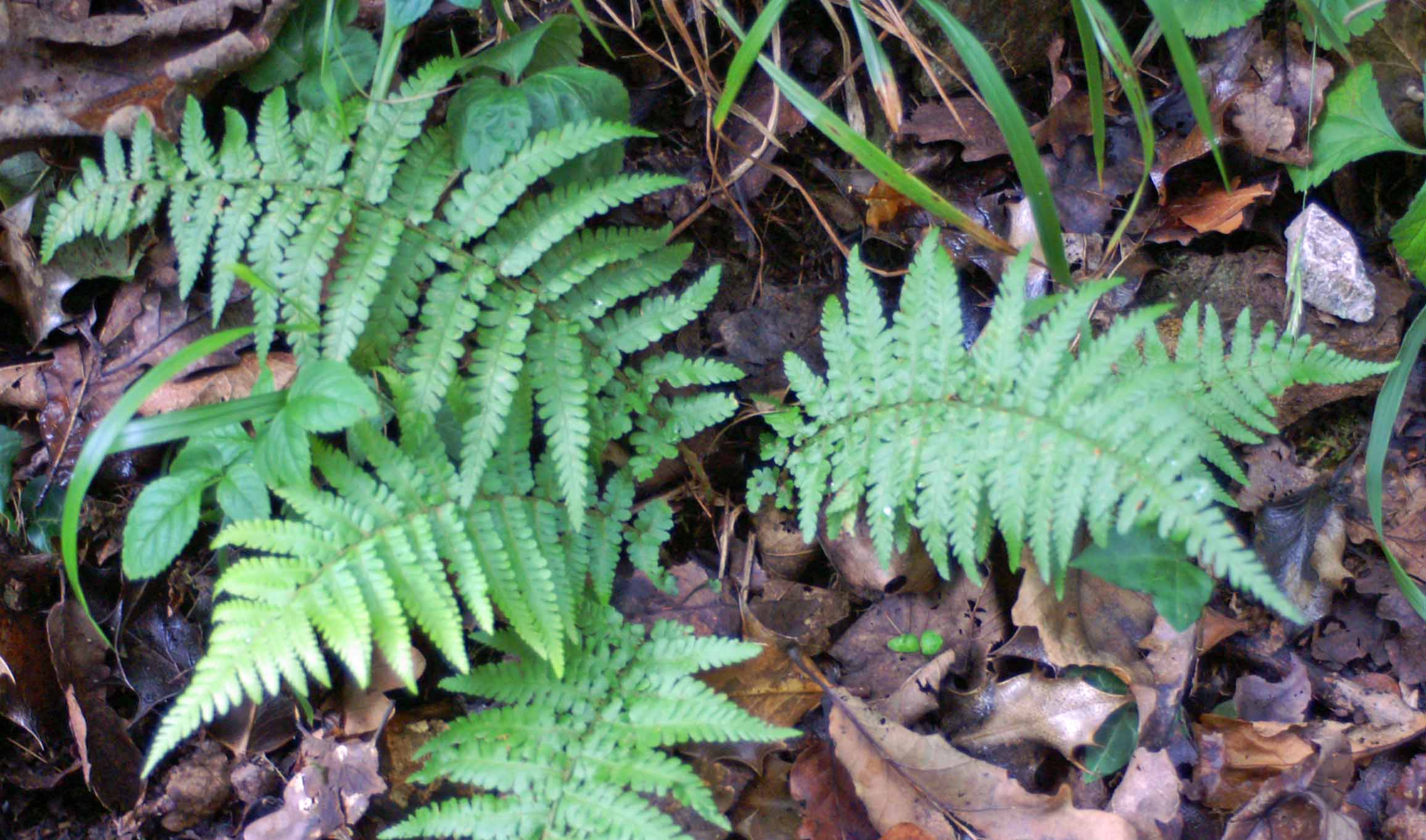
11/8/11- Male Fern-Dryopteris filix-mas

In open spots on the woodland edge there are brambles, flowering at the moment and attracting lots of little hoverflies.

11/8/11-Hoverfly-Melangyna cincta on bramble flower

11/8/11- Mustard Powder Lichen-Chrysothrix candelaris on a sycamore trunk

The bright yellow Mustard Powder lichen or Gold Dust lichen– Chrysothrix candelaris  commonly grows on tree bark. It is widespread and common in the United Kingdom, being found on the bark of deciduous trees, especially rugged old specimens, such as sycamore, alder, oak, willow, beech, and Pinus species, normally in dry shaded parts.

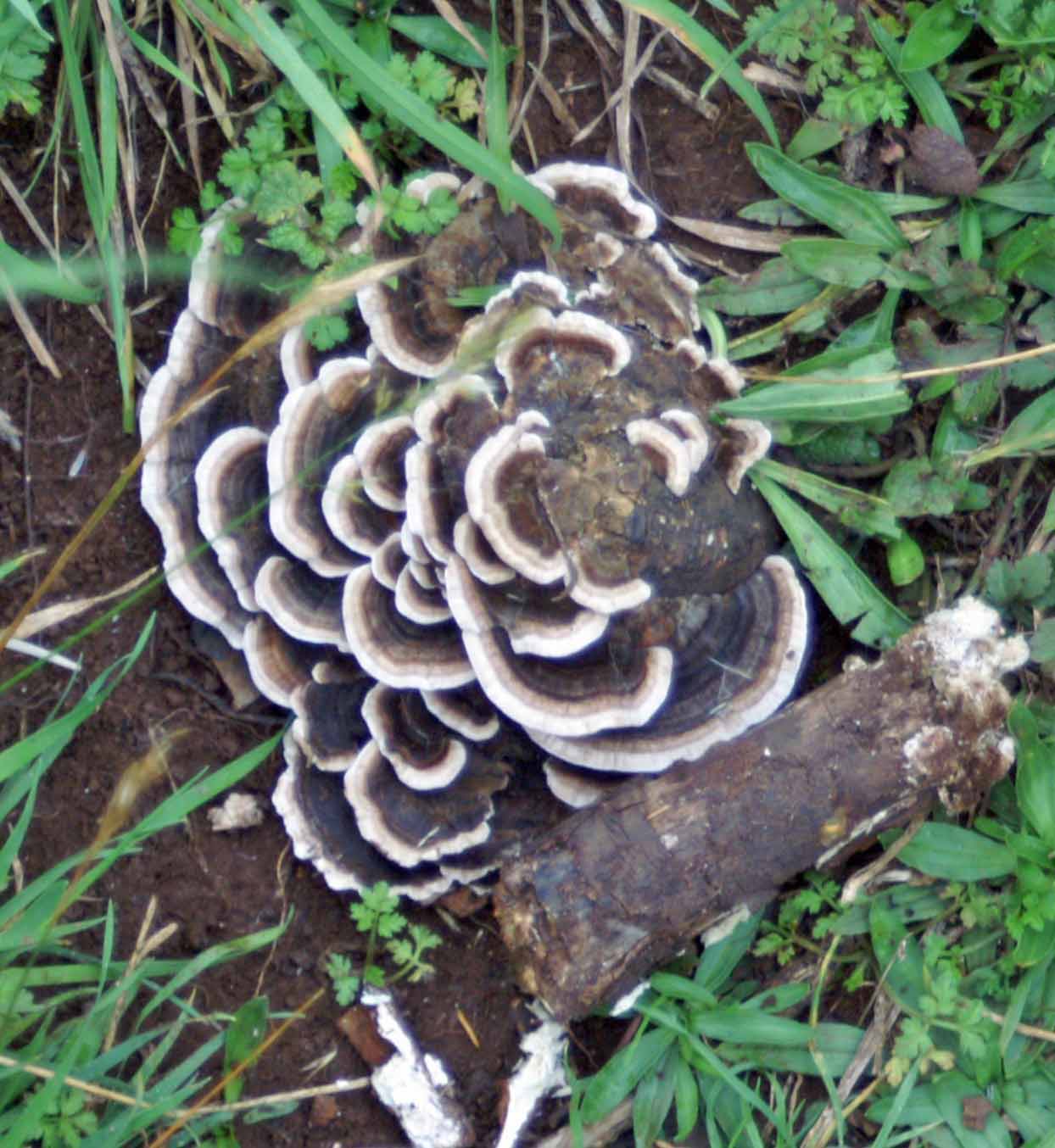
11/8/11-Turkey- tail fungus - Tramates versicolor

I came across the ‘Turkey-tail’ fungus on a path around the summit of the hill and thought it was fascinating. It takes its common name from the way in which the patterning and the cup or spoon shaped fungus resembles, well, the shape and patterning a turkey’s tail. It is a common bracket fungus which grows on the sides of logs or trees and occurs in a variety of colours including brown, tan, orange, white, red or purple, sometimes all together (Versicolor means ‘of several colours’). Turkey Tails are not poisonous to people but they are not eaten either.

Share this:

  • Share on Facebook (Opens in new window) Facebook
  • Share on Pinterest (Opens in new window) Pinterest
  • Share on X (Opens in new window) X
Like Loading...

Red-berry trail

31 Wednesday Aug 2011

Posted by theresagreen in Bryn Euryn Nature Reserve, Nature of Wales, nature of woodlands

≈ Leave a comment

Tags

cotoneaster in the wild, cuckoo pint, haws, hawthorn, hawthorn berries, poisonous berries, red berries, wild arum

11th August

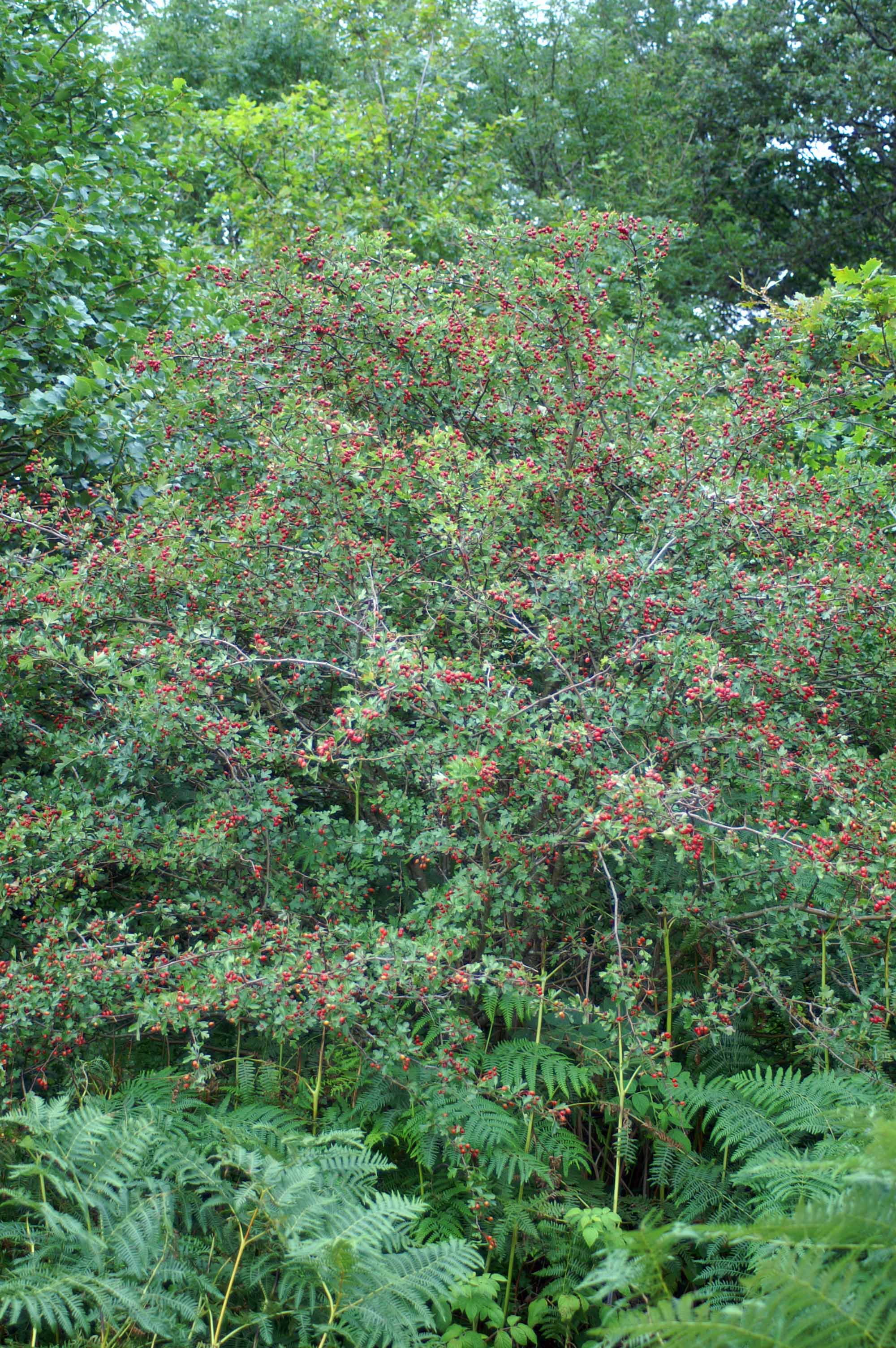
I resumed my woodland walk, passing by a Hawthorn tree laden with red berries.

11/8/11-Common Hawthorn -Crataegus monogyna, fully laden with a crop of berries

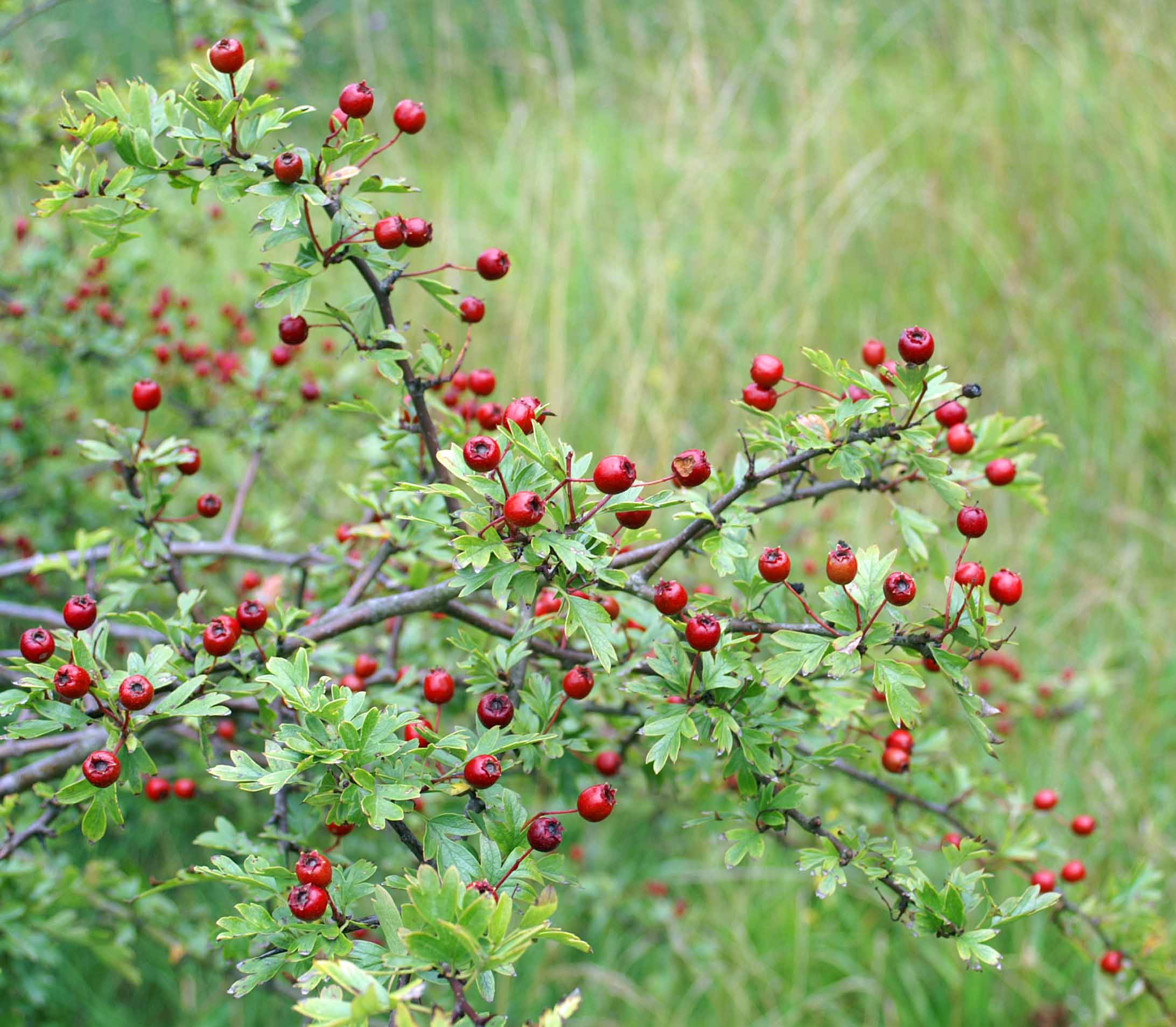
Crataegus commonly called hawthorn or thornapple, is a large genus of shrubs and trees in the rose family, Rosaceae, native to temperate regions of the Northern Hemisphere in Europe, Asia and North America.  They are shrubs or small trees, mostly growing to 5–15 m tall, with small pome fruit and (usually) thorny branches. The thorns are small sharp-tipped branches that arise either from other branches or from the trunk, and are typically 1–3 cm long.  The fruit, sometimes known as a “haw”, is berry-like, but structurally a pome containing from 1 to 5 pyrenes that resemble the “stones” of plums, peaches, etc.

11/8/11-Hawthorn berries, or haws

Hawthorns provide food and shelter for many species of birds and mammals, and the flowers are important for many nectar-feeding insects. Hawthorns are also used as food plants by the larvae of a large number of Lepidoptera species and haws are important for wildlife in winter, particularly thrushes and waxwings.

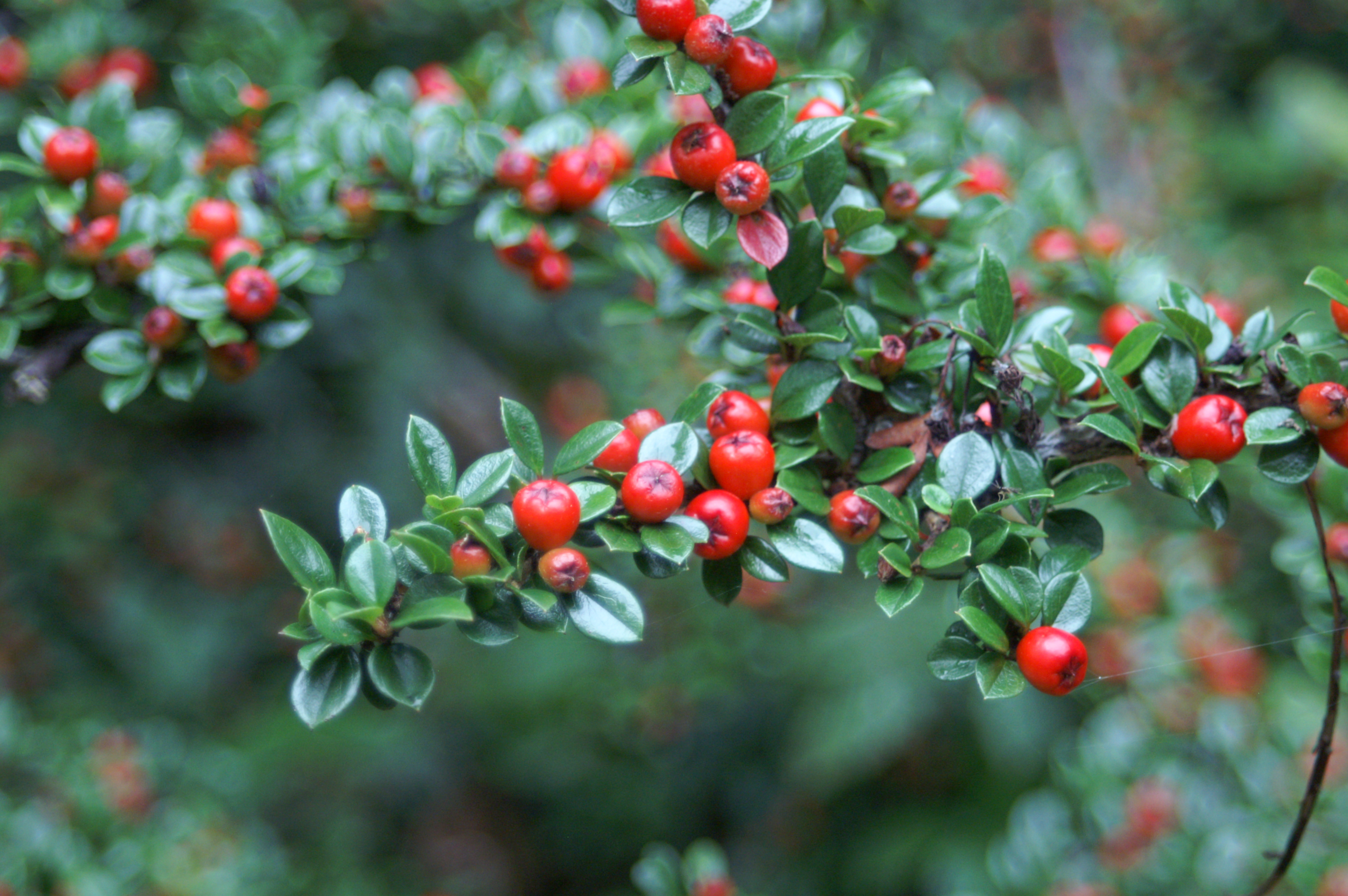
I have noted several cotoneaster shrubs growing throughout this site, which I have assumed to have arrived there via bird droppings as the shrub is not generally a native of Britain, but is widely planted in gardens.

11/8/11-Berries of Cotoneaster horizontalis

* * There is an indiginous native cotoneaster that is found growing only on the Great Orme: Cotoneaster cambricus (Wild Cotoneaster;  Welsh: Creigafal y Gogarth “rock apple of Gogath”) is a species of Cotoneaster endemic to the Great Orme peninsula in north Wales. It is the only species of Cotoneaster native to the British Isles. It has never been found naturally at any other location.

______________________________________________________

I very recently came upon the following on the ‘Plantlife’ website on the very subject of ‘escapee cotoneasters’:

Cotoneaster species

Non-native invasive plants.

Cotoneasters provide an important reminder that even with the best intentions of gardeners, the wind, birds and other animals can help plants to ‘escape over the garden wall’.

Plantlife is particularly concerned about four types of cotoneaster:

  • Hollyberry cotoneaster (C. bullatus)
  • Wall cotoneaster (C. horizontalis)
  • Small-leaved cotoneasters (C. microphyllus agg.)
  • Himalayan cotoneaster (C. simonsii).

What’s the problem?

These popular garden and landscaping shrubs are also popular with birds who enjoy the berries and spread the seed. This can spread cotoneasters in the wild, where they can be difficult to eradicate.

What are we doing about it?

Find out more about Plantlife’s invasive plant programme by clicking here

_____________________________________________________

Another probable garden escape is Hypericum – St. John’s Wort, also growing in various spots throughout the site and also now bearing red berries.

11/8/11-berries of St John's Wort-Hypericum

A native plant, the Arum lily or as I know it, Cuckoo Pint or Lords and Ladies, is also bearing bright scarlet berries now. I found them in a few places, mostly tucked almost out of sight beneath other shrubbery.

11/8/11-The poisonous berries of the Wild arum

Arum maculatum is a common woodland plant species of the Araceae family. It is widespread across temperate northern Europe and is known by an abundance of common names including Wild arum, Lords and Ladies, Devils and Angels,Cows and Bulls, Cuckoo-Pint, Adam and Eve, Bobbins, Naked Boys, Starch-Root and Wake Robin.

Share this:

  • Share on Facebook (Opens in new window) Facebook
  • Share on Pinterest (Opens in new window) Pinterest
  • Share on X (Opens in new window) X
Like Loading...

Late summer wildflowers and busy bumblebees

31 Wednesday Aug 2011

Posted by theresagreen in Bryn Euryn Nature Reserve, bumblebees, Nature

≈ 2 Comments

Tags

carder bee, forest bug, hemp agrimony, hoverflies, knapweed, late summer wildflowers, michaelmas daisy

11th August

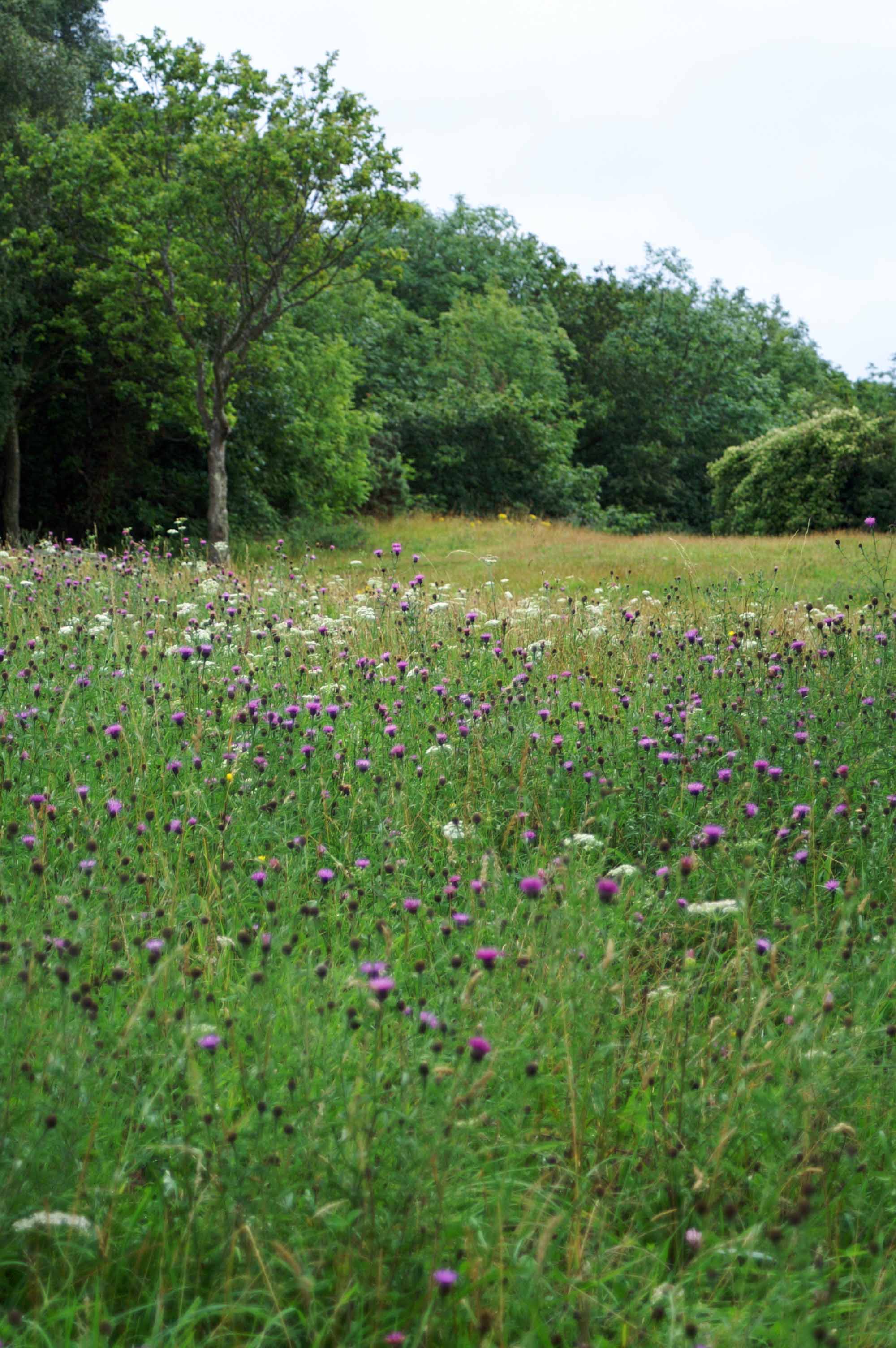
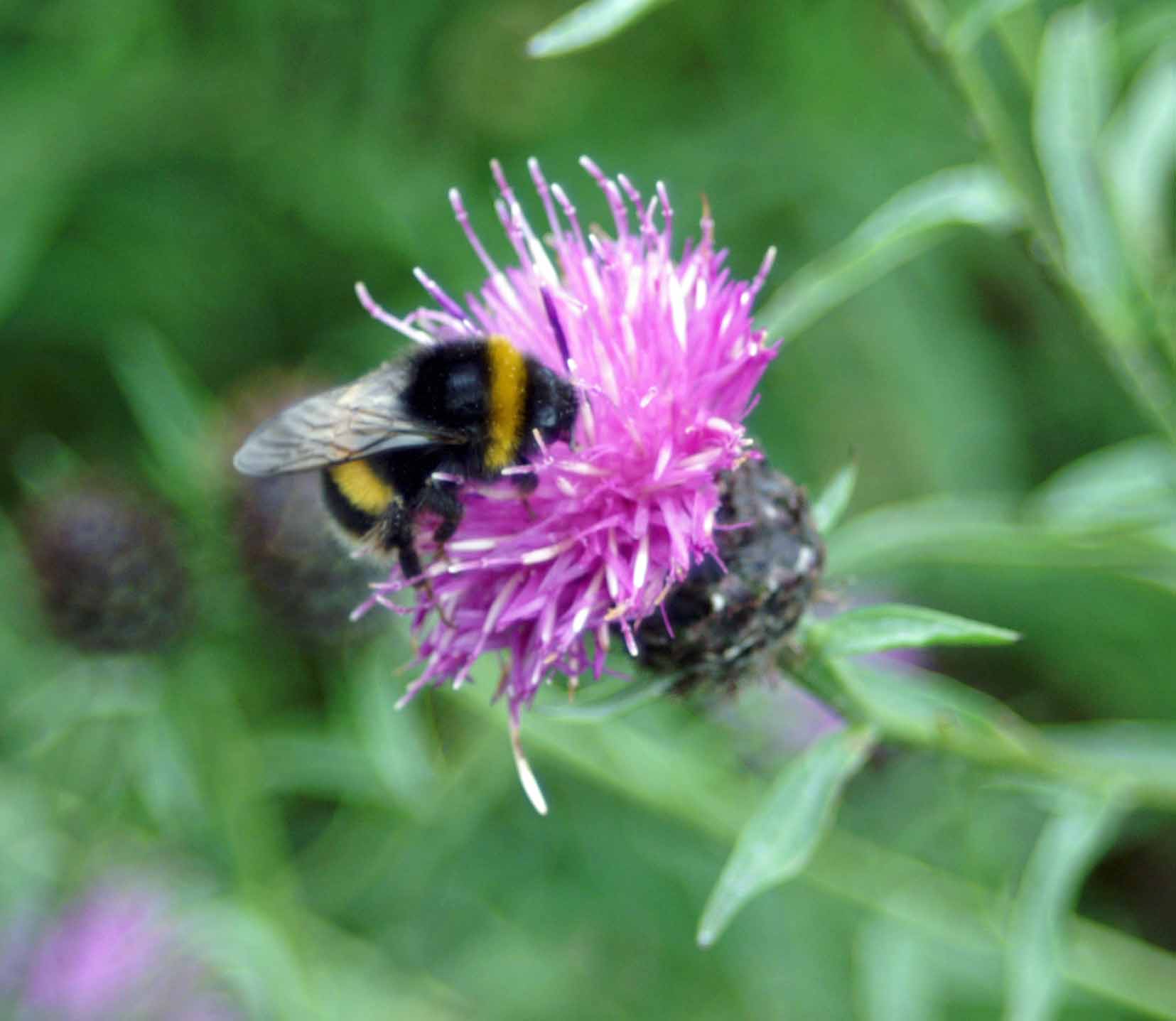
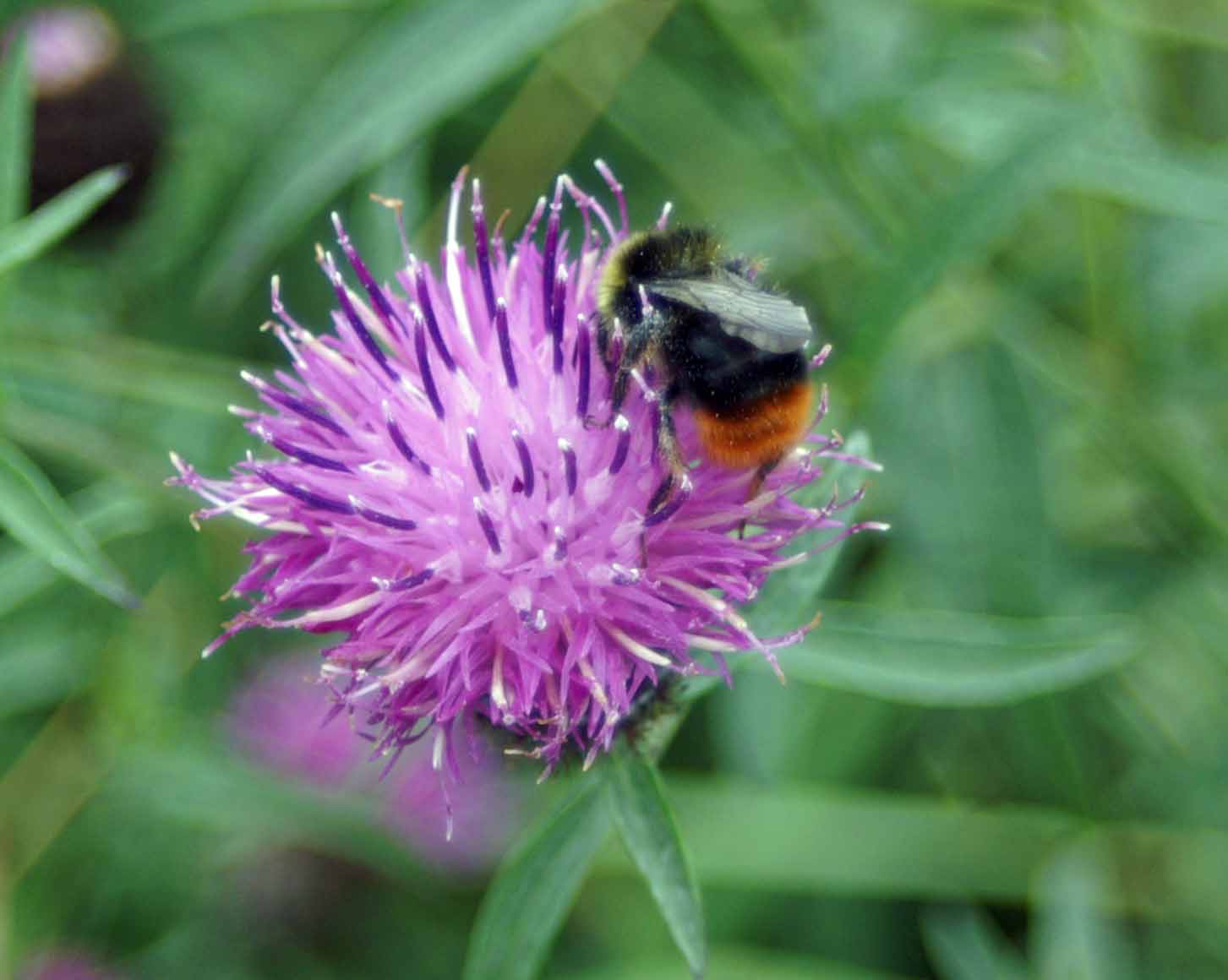
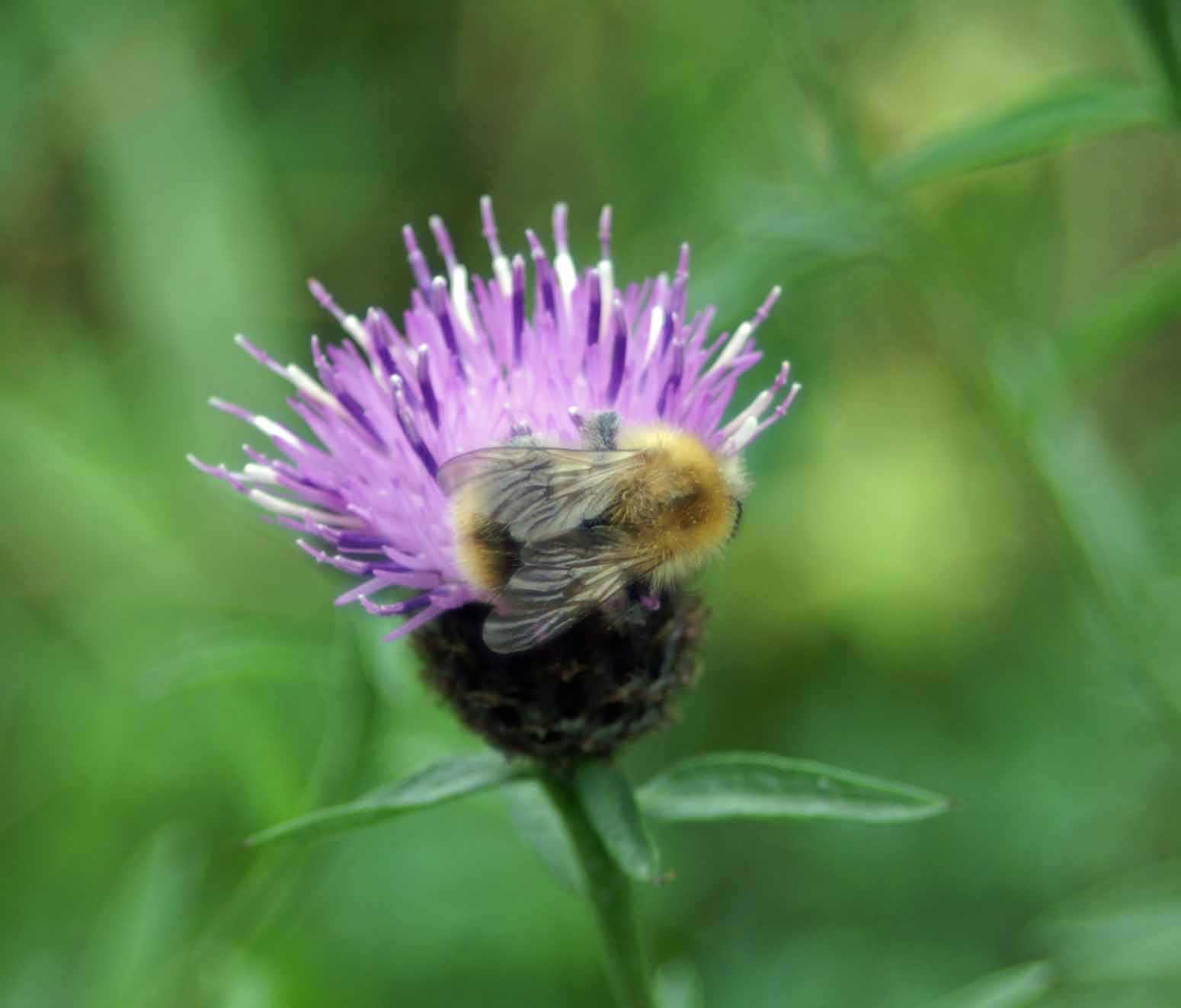
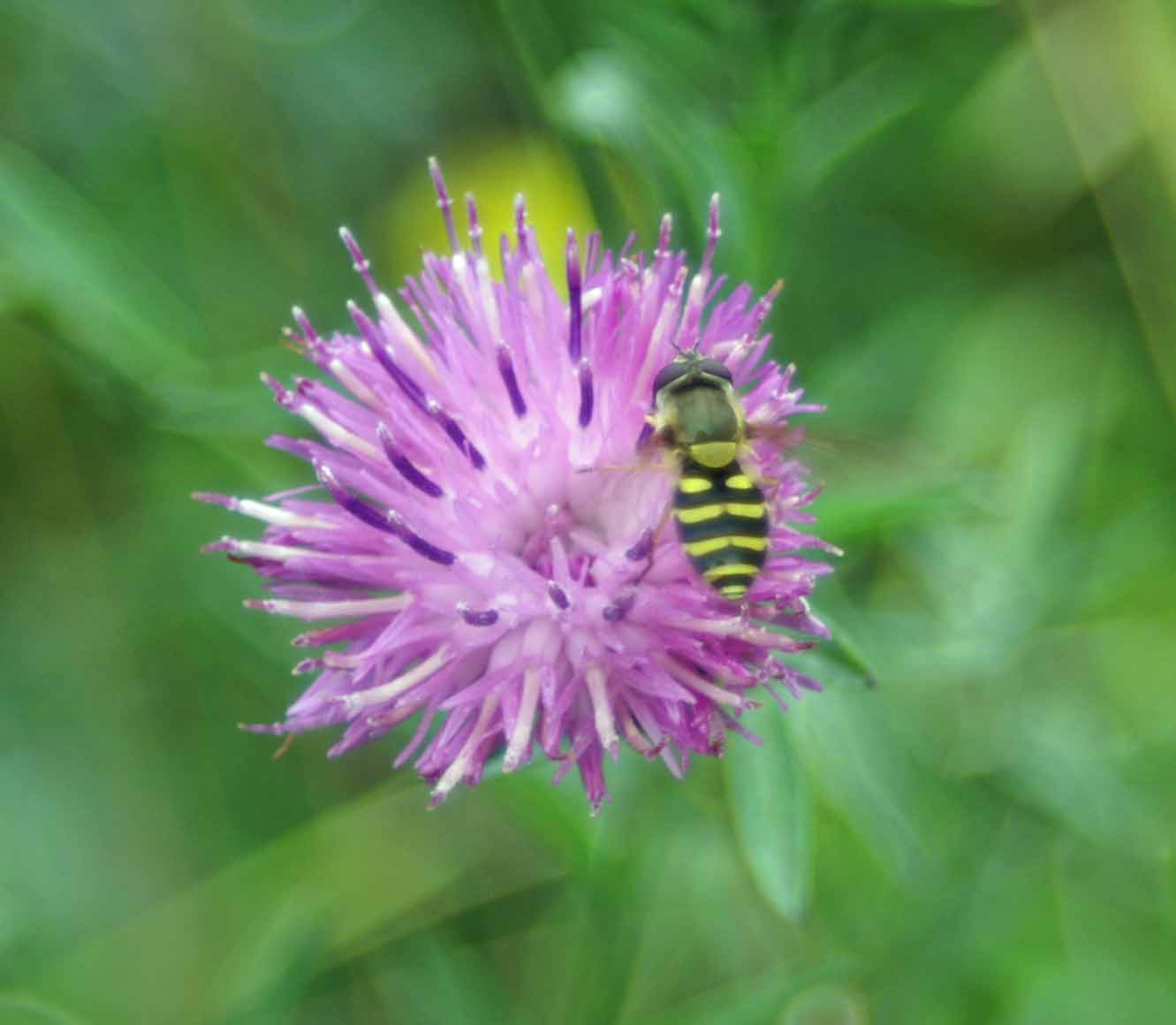
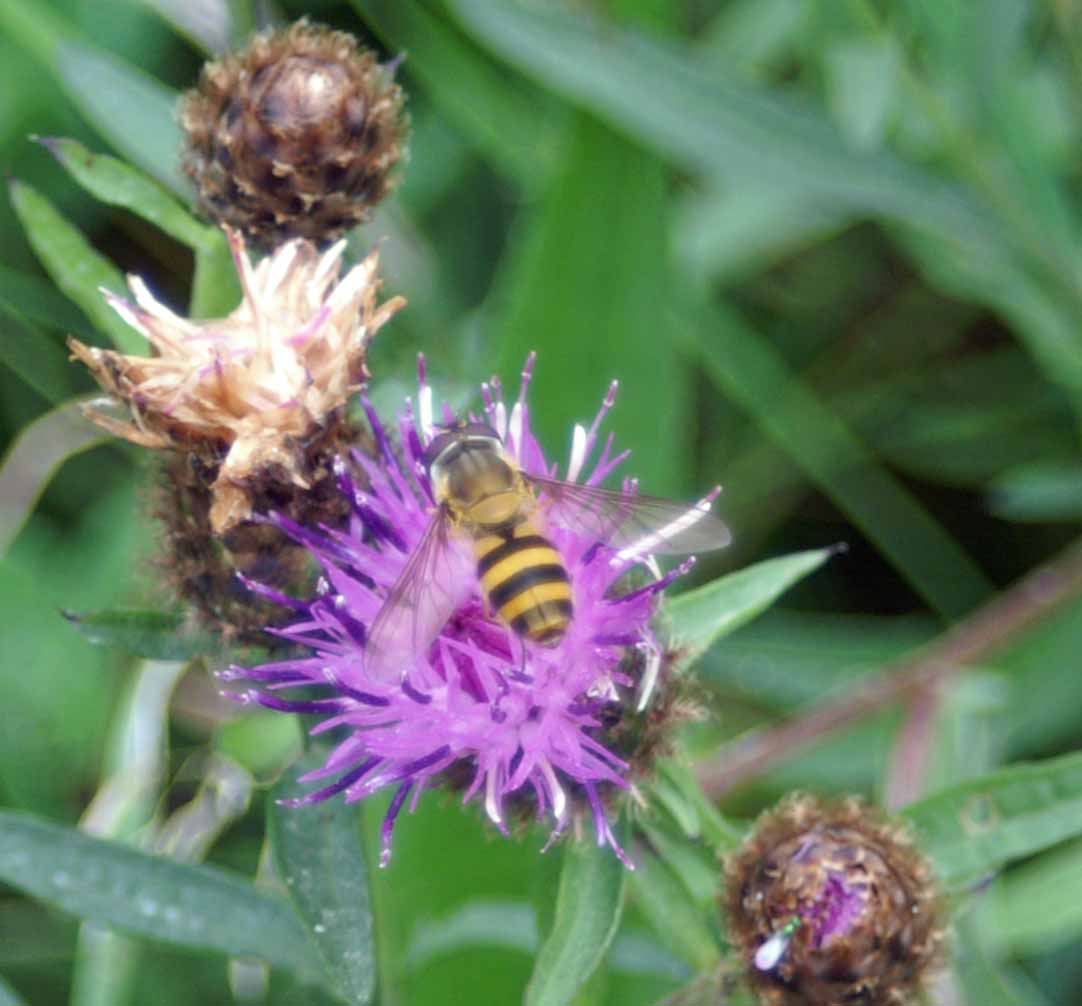
Taking advantage of a pause in the rain I headed up to Bryn Euryn for some fresh air. Planning to stick to the woodland areas in case it began raining again, the track passed by a cleared grassy area that was bright with purple knapweed flowers and noticing insects flying, despite the coolness and dampness of the afternoon, I got waylaid for a while. Looking more closely I realised there were large numbers of bumblebees and hoverflies of several different species flying around the flowers busily taking nectar or collecting pollen, all doubtless also taking advantage of the dry interlude. The opportunity to get a good look at the insects as they were slowed down a little by the coolness of the air kept me there, stooped over with the camera, for a good half and hour or so and also got me some funny looks from passing dog-walkers.
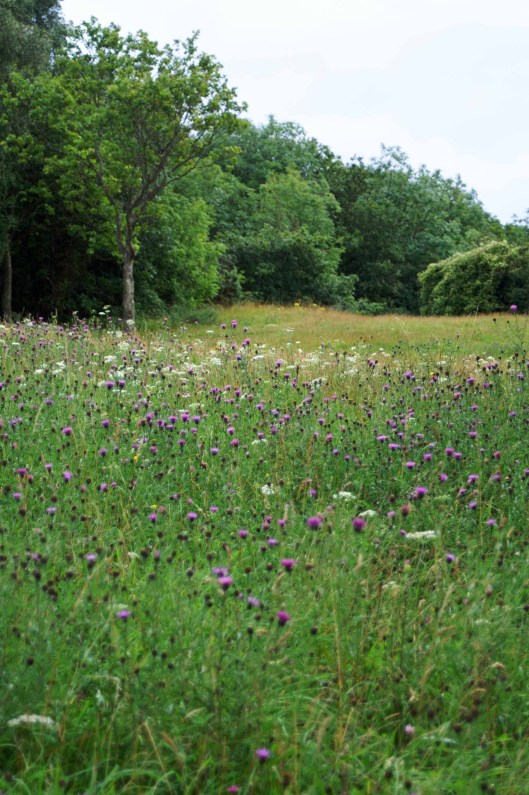
11/8/11- Flowery grassland attracting dozens of insects
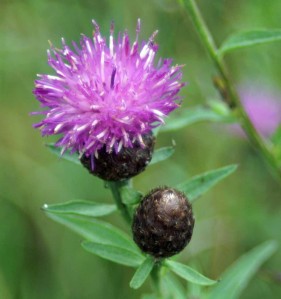
11/8/11-Black Knapweed-Centaurea nigra

Centaurea nigra is a species of flowering plant in the daisy family known by the common names Lesser Knapweed, Common Knapweed and Black Knapweed. A local vernacular name is Hardheads. The plant flowers from July until September and is important  for a large number of insects including Gatekeeper, Large skipper, Lime-speck pug moth, Meadow Brown, Painted lady, Peacock, Red admiral, Small copper, Small Skipper, Honeybee and Bumblebees and Hoverflies. Goldfinches later feed on the seeds.

The plant is native to Europe but it is known on other continents as an introduced species where it is often treated as a noxious weed.
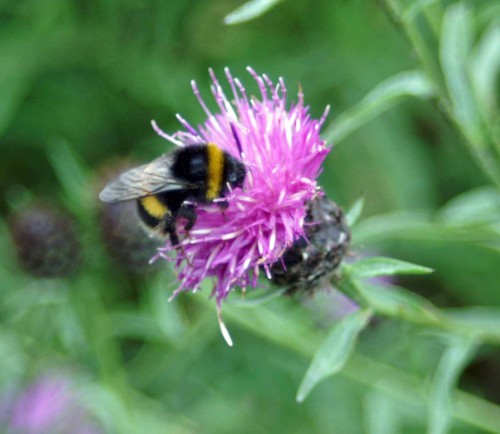
11/8/11-Buff-tailed bumblebee-Bombus terrestris
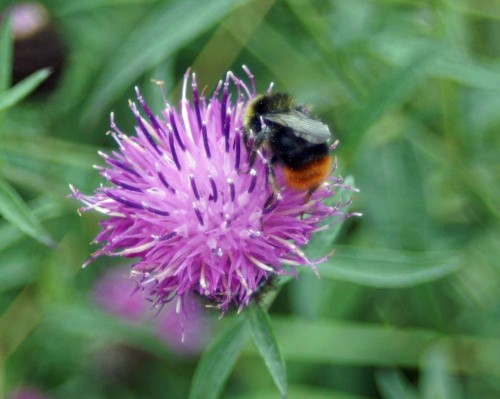
11/8/11-Red-tailed bumblebee (m)-Bombus lapidarius
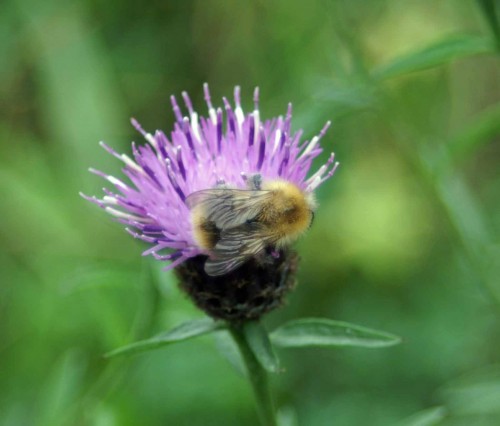
11/8/11-Common Carder Bee-Bombus pascuorum

The common carder bee, Bombus pascuorum, has shaggy hair and can be seen at flowers late in the year, often into November in southern Britain. It is one of our most common bumblebee species, found even in the centres of large cities.
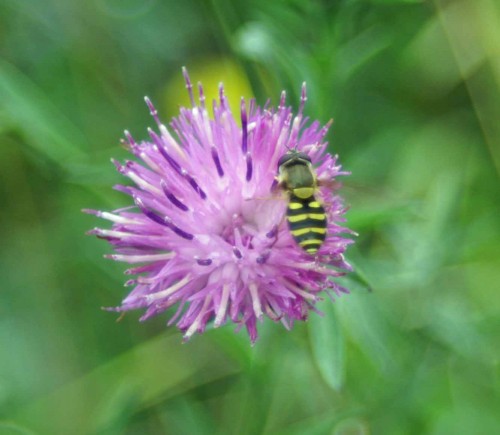
11/8/11-Hoverfly-Syrphus ribesii
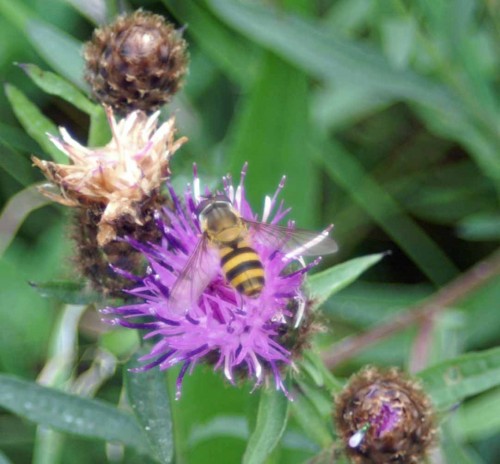
11/8/11-Hoverfly- Melangyna cincta
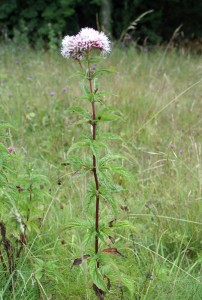
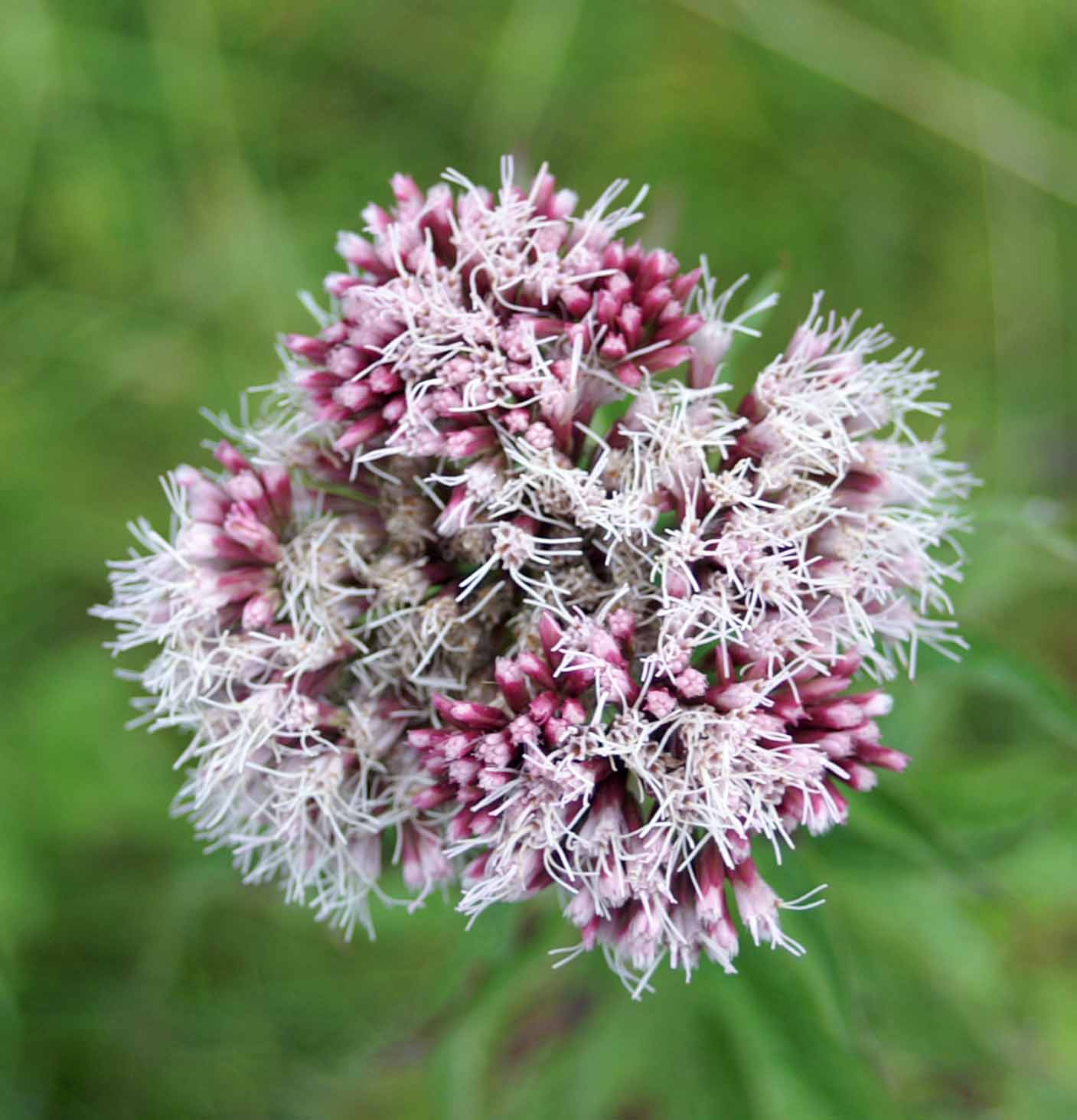
11/8/11-Hemp Agrimony

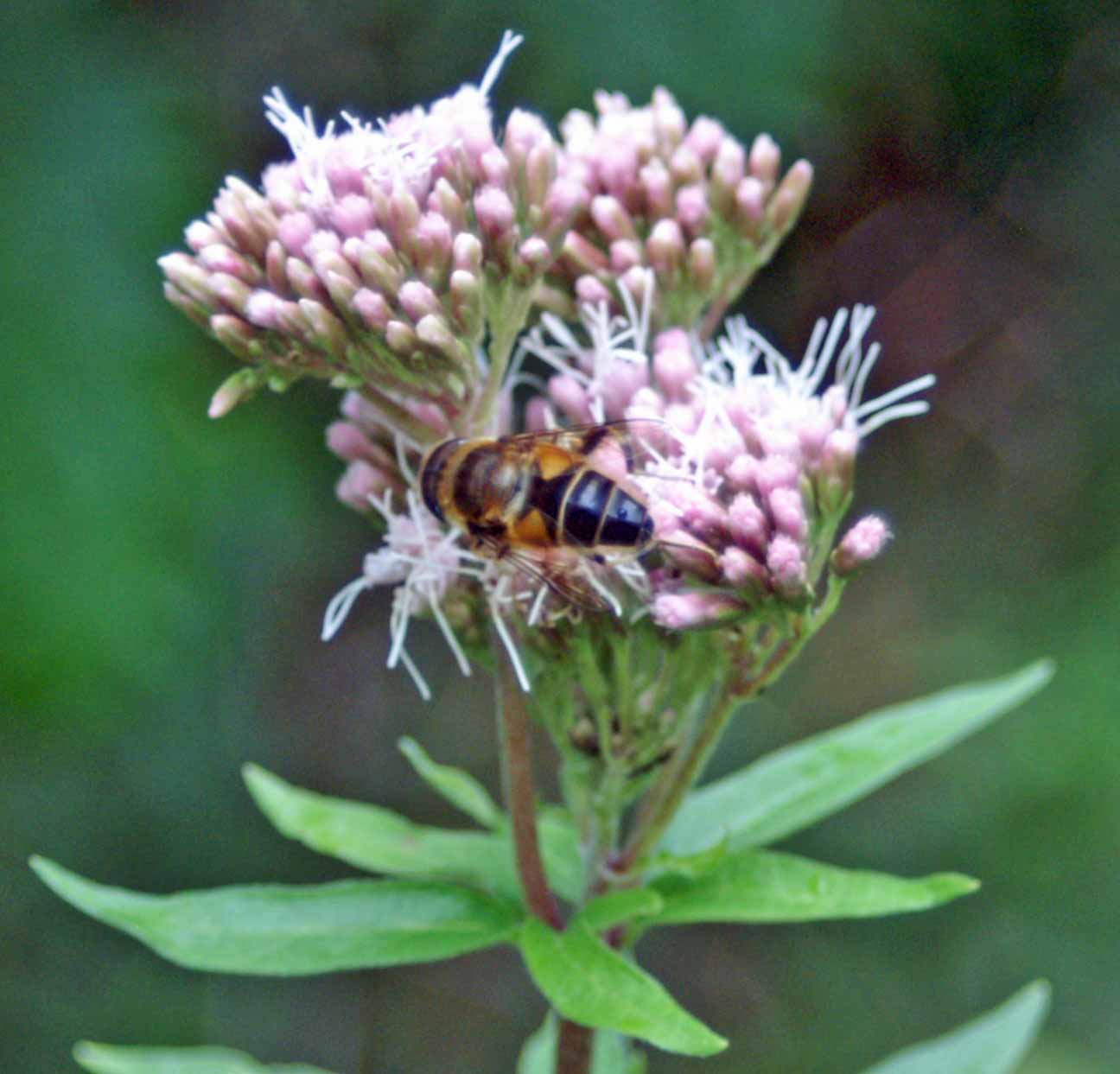
Also attracting the attentions of a few insects were the flowers of Hemp Agrimony –  (Eupatorium cannabinum)

A large plant (1-2m) often found in clumps with big, fluffy heads of tiny pink flowers. Its leaves grow up to 10cm long and are arranged in pairs on a reddish stem.

Can be found throughout the UK growing in open or shady, damp or dry areas; waste ground and near water.

Flowers July-September.
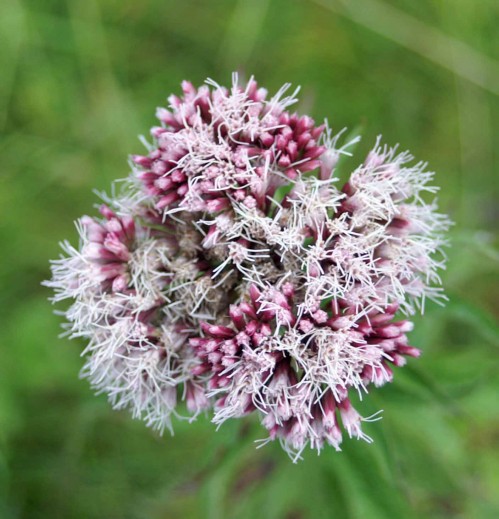
11/8/11- Hemp Agrimony- Eupatorium cannabinum

The ‘hemp’ part of the plant’s common name comes from the similarity between its leaves and that of the cannabis plant. The two species are entirely unrelated, however, and do not share any other properties!

Hemp-agrimony is one of the flowers Plantlife keep track of in their Wildflowers Count survey – click here to find out how you can help out.
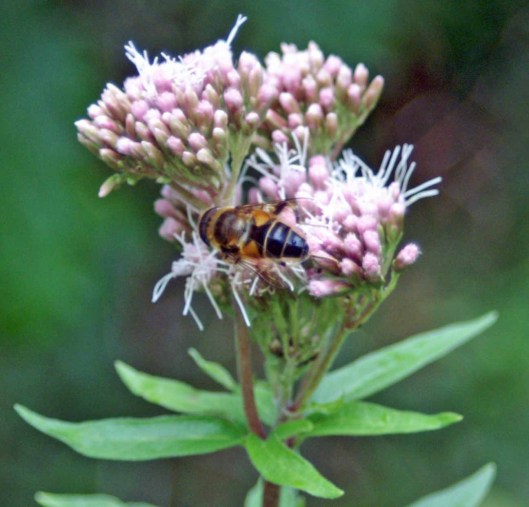
11/8/11-Drone fly-Eristalsis arbustorum
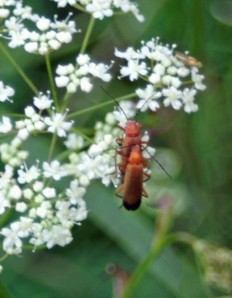
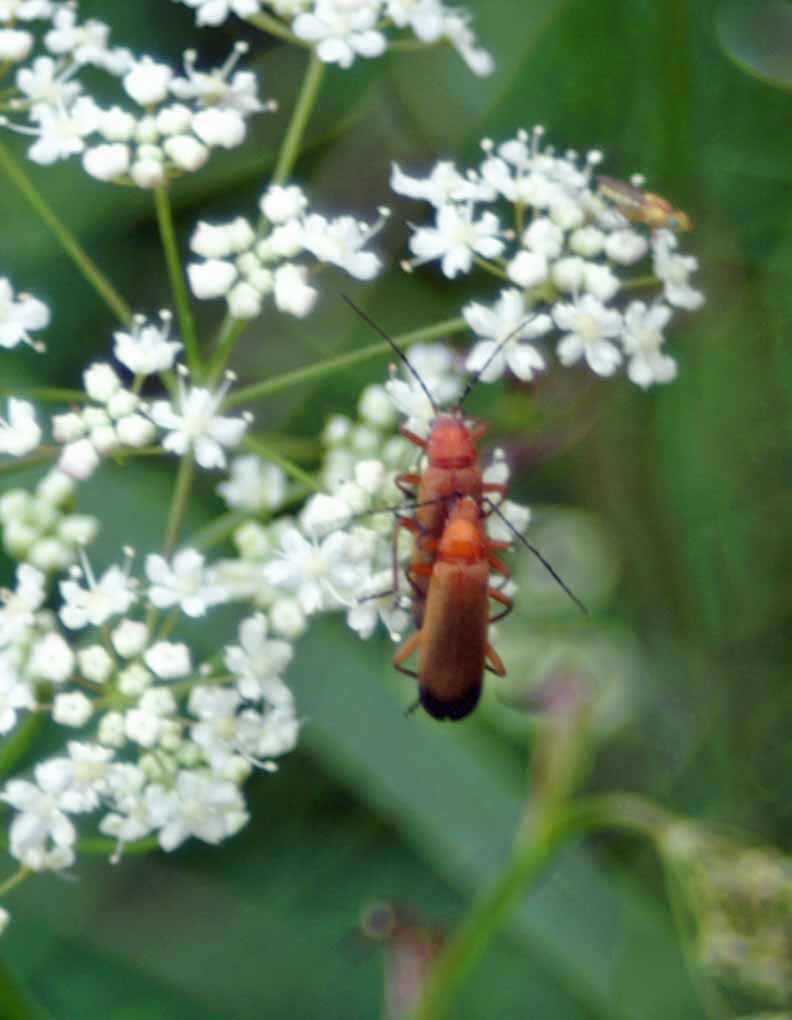
11/8/11-A mating pair of Red Soldier beetles

A plant I’m not sure about the identity of has similar flowerheads to the wild carrot/parsley but all parts are smaller and more delicate. This particular one was supporting a mating pair of Red Soldier beetles as well attracting a variety of small flies.

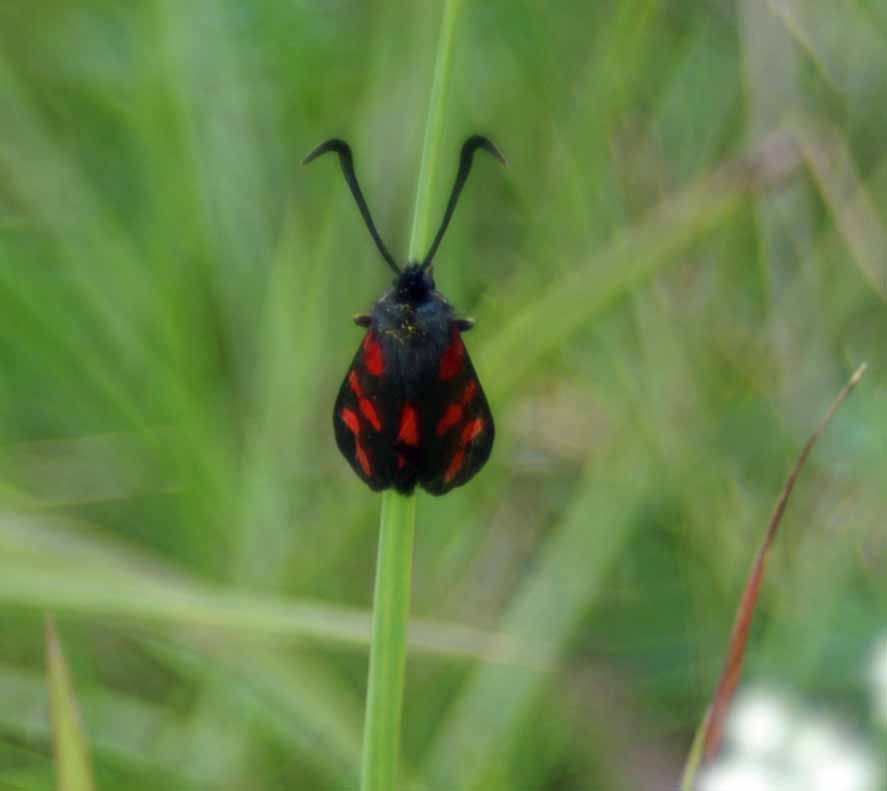
A 6-spot Burnet Moth was sheltering from the showers, clinging to a grass stem.
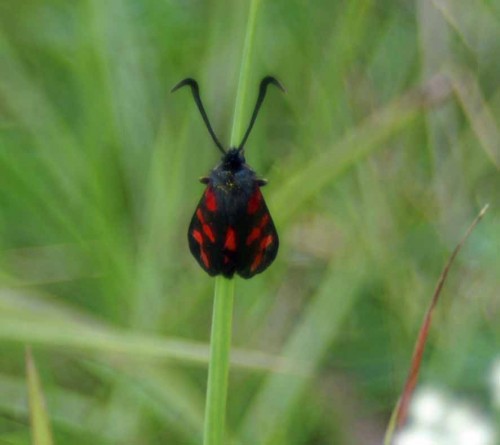
11/8/11-A 6-spot Burnet Moth resting on a grass stem

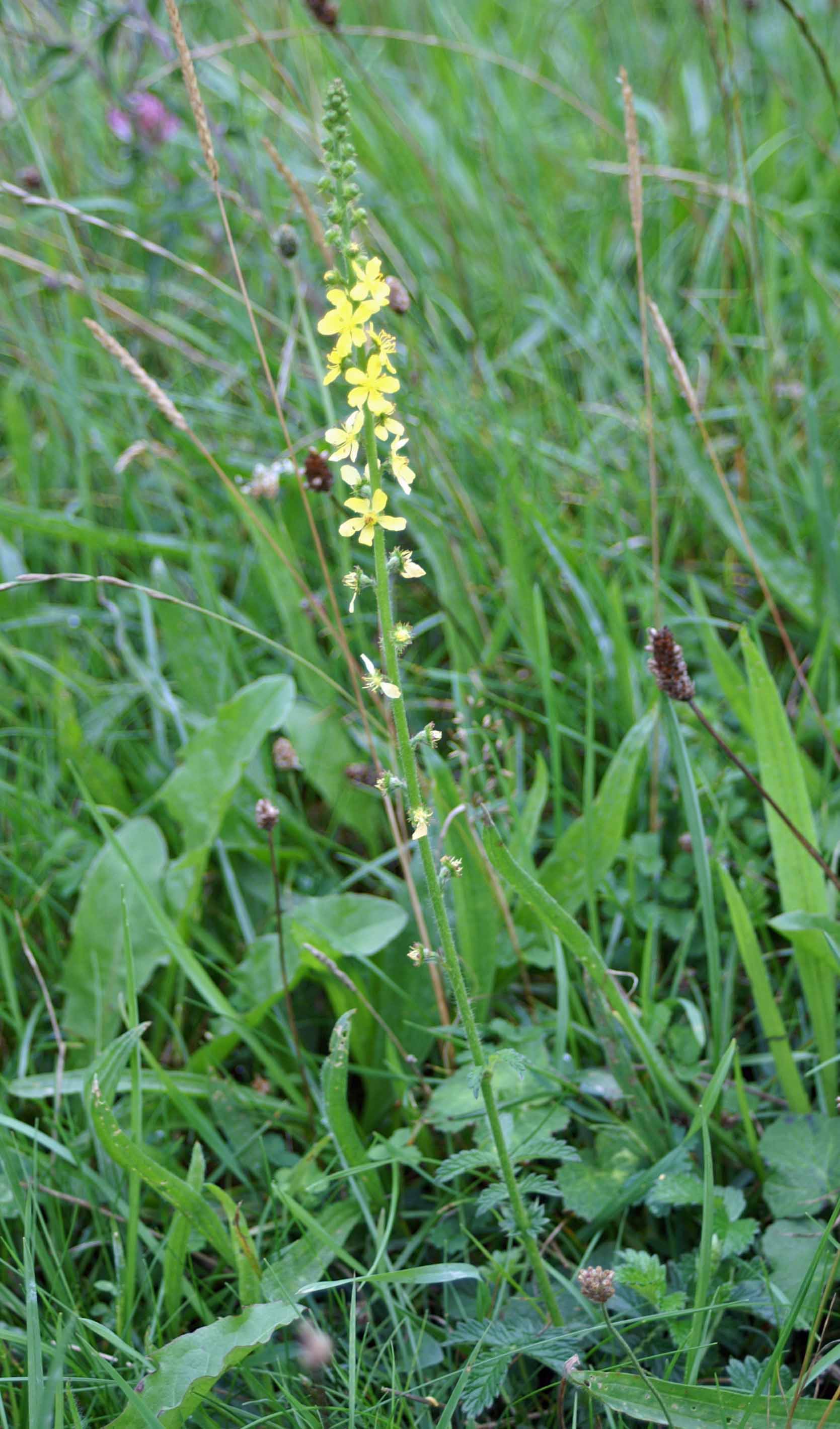
A wildflower I do recognise and can name is Agrimony, also familiar to me as one of the 38 Bach flower remedies. The plant is quite delicate-looking and may be easily overlooked, but it has a long history of use as a healing herb.
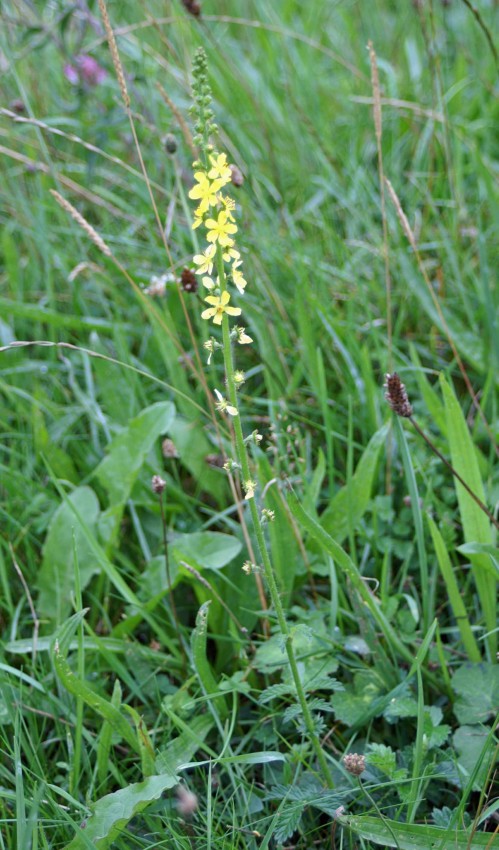
11/8/11-Agrimony

Agrimonia eupatoria is a species of agrimony that is often referred to as common agrimony, church steeples or sticklewort.

The common agrimony grows as a deciduous, perennial herbaceous plant and reached heights of up to 100 centimeters. Its roots are deep rhizomes , from which spring the stems. It is characterized by its typical serrated edged pinnate leaves. The whole plant is dark green with numerous soft hairs that assist in the plant’s seed pods sticking to any animal or person coming in contact with the plant. The flower spikes have a delicately spicy scent, a little like apricots.

A. eupatoria is a foodplant for the caterpillars of the snout moth Endotricha flammealis.
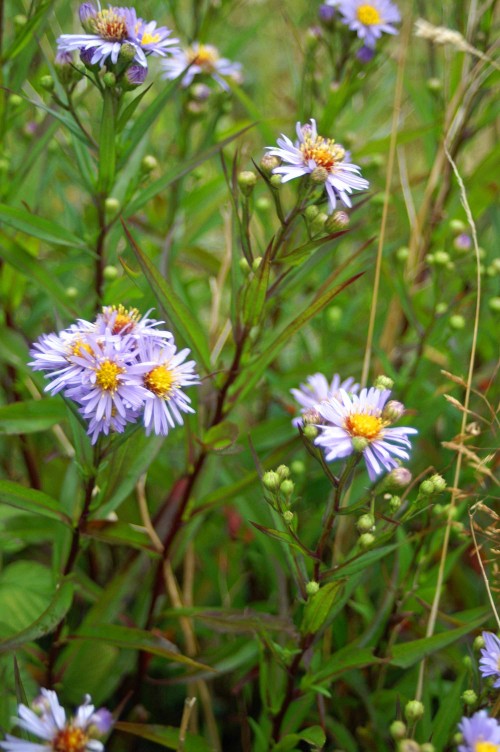
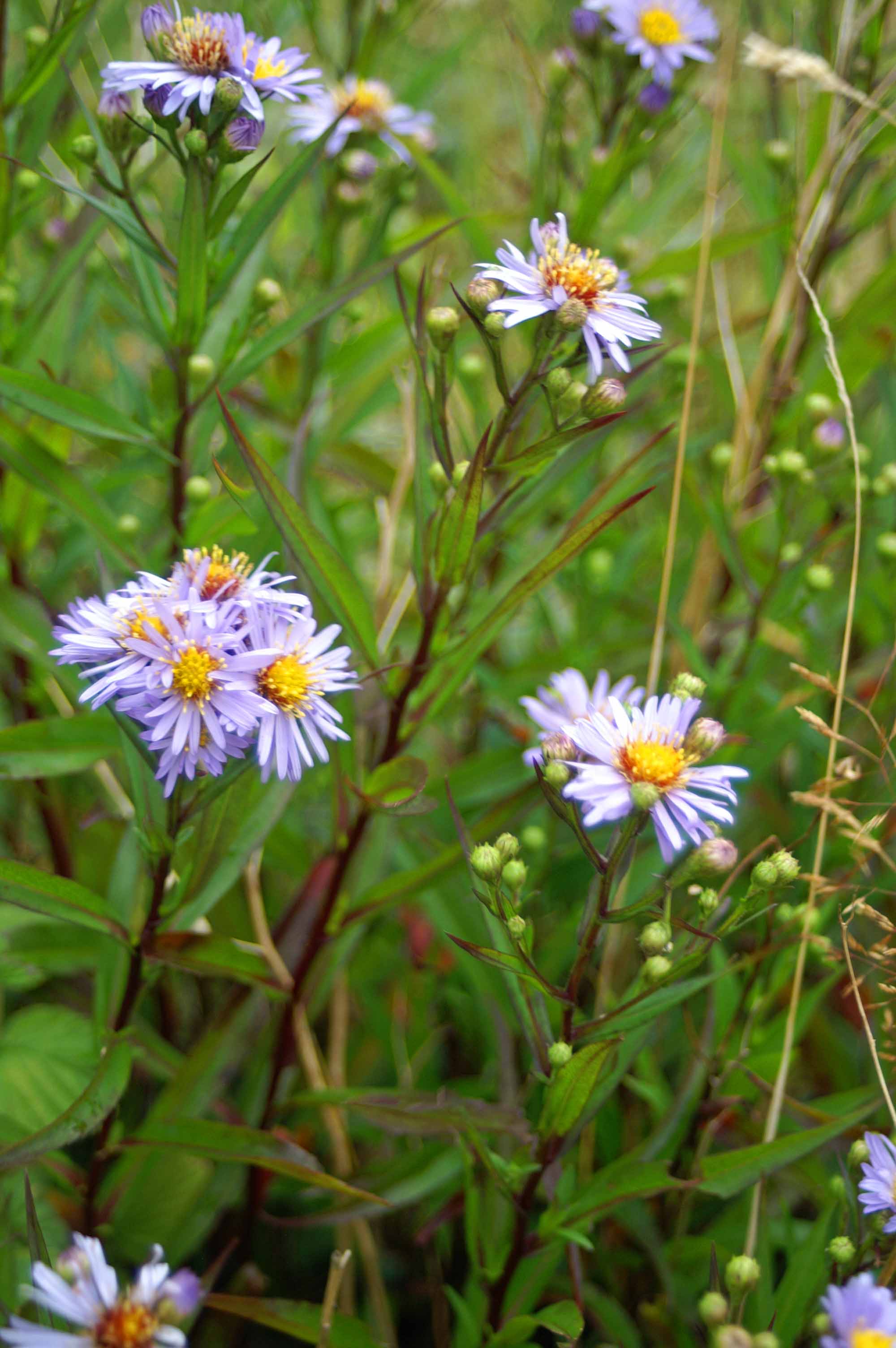
11/8/11-Michaelmas daisy-Aster novi-belgii

Originating in North America, Michaelmas daisies were originally introduced to Britain from North America in the early 1700’s. Although they are not native, they survive extremely well and are grown in gardens for their late summer flowers. The plant has also become naturalised and is found in wild places throughout the UK, often growing on damp ground or close to streams. It flowers from August through to late October providing late-flying butterflies such as peacocks and small tortoiseshells with a good source of nectar.

Michaelmas means Michael’s Mass. The flowers traditionally bloom on September 29th which is ‘The Feast of Saint Michael’.

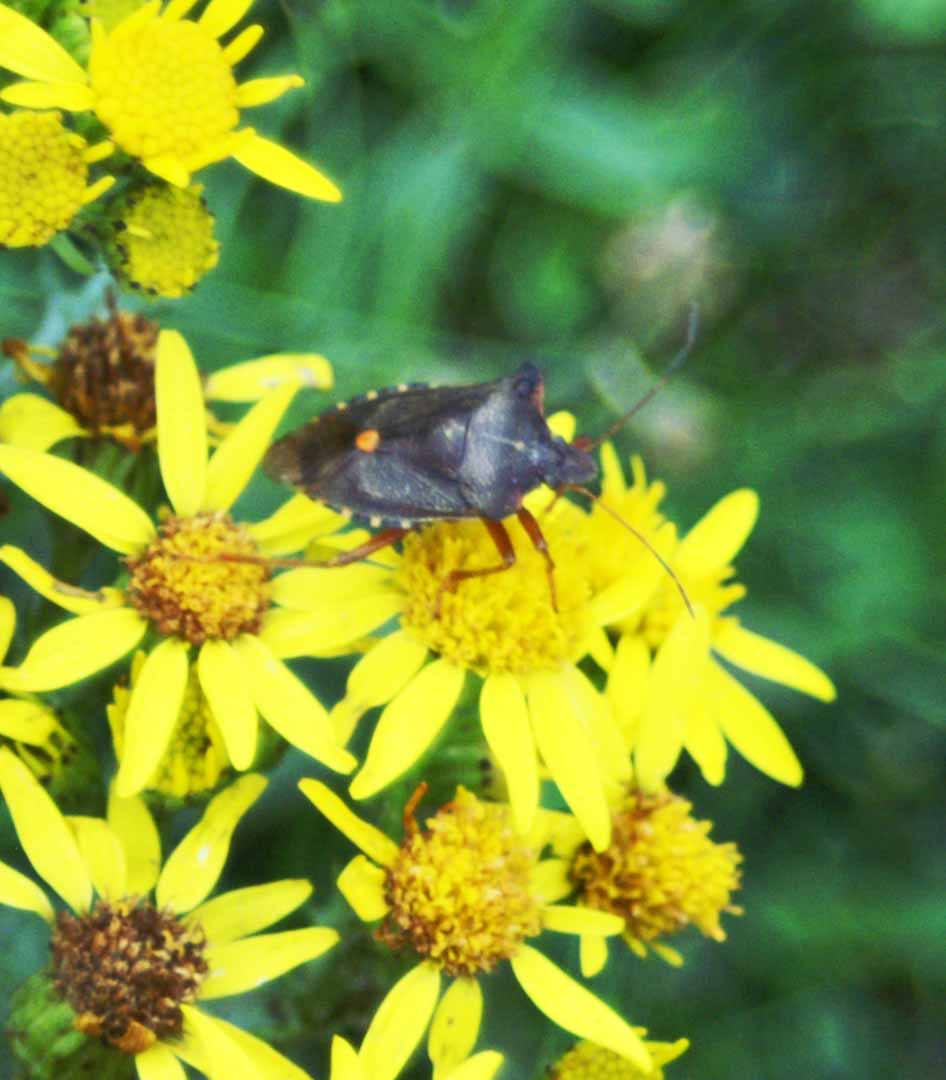
Ragwort is still flowering profusely and I photographed a further two insects on separate plants, a Forest bug and a 6-spot Burnet Moth.
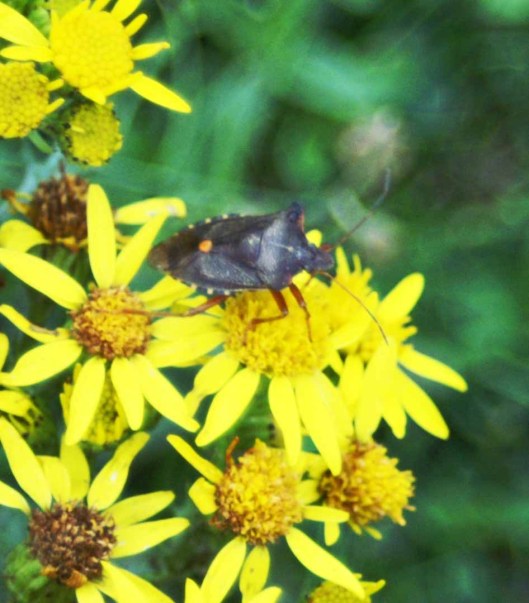
11/8/11- Forest bug - Pentatoma rufipes

The forest bug, Pentatoma rufipes, is a species of shield bug in the family Pentatomidae. It is a common and widespread species found in forests and woodlands worldwide. It is shiny dark brown with red-orange markings on its body and bright orange legs. It is shaped like an escutcheon-type shield, flat, and about 14 millimetres (0.55 in) long. Its distinguishing characteristic is a pair of plates extending forward from the shoulders at the front of its dorsal thorax.

The forest bug’s main food source is any of several species of oak. It is a sap-feeder and uses piercing mouthparts to withdraw the liquid. It can also be found on other species of deciduous trees. The forest bug may also be regarded an agricultural and garden pest, as it will not hesitate to feed on fruit and nut trees. Occasionally it will consume other insects.

Adults lay eggs during the summer in the cracks of tree bark, and the larvae hatch the following spring.
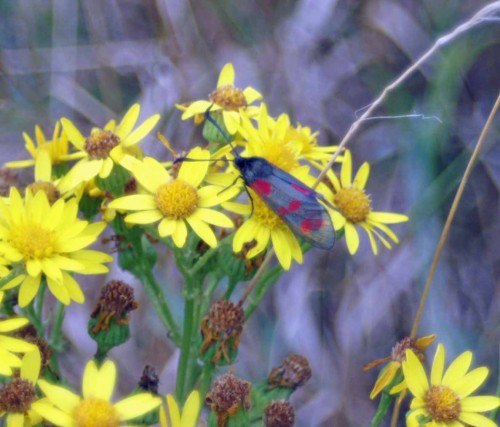
11/8/11-6-spot Burnet moth on ragwort
Share this:

  • Share on Facebook (Opens in new window) Facebook
  • Share on Pinterest (Opens in new window) Pinterest
  • Share on X (Opens in new window) X
Like Loading...

Conwy castle, harbour and gulls

27 Saturday Aug 2011

Posted by theresagreen in Nature of Wales, North Wales

≈ 2 Comments

Tags

Black-headed Gull, Black-headed Gull in winter plumage, Conwy castle, Conwy estuary, herring gull, herring gull juvenile, smallest house in Great Britain, Welsh Castles

I love the town of Conwy and  have been intending to visit since I arrived here, partly to have a walk around the castle and is walls, but mainly to check up on how the Herring Gulls are behaving down in the harbour. Conwy has a large population of Herring Gulls and they can be seen and heard throughout the town at all times of the day and often much of the night too!

I arrived quite late on a variably grey, showery and sunny day, a good day for taking photographs as I think clouds add an interesting dimension and reflect the true character of Welsh summer weather. I walked around the castle and along a short section of the wall, then to the bridge and from there down to the harbour. I took just a few photographs of the castle and am adding a very brief account of it; there are plenty of really good sites on the internet for anyone interested in learning more about this fascinating place. (This is a very detailed one  http://www.castlewales.com)

Conwy is regarded as one Europe’s finest surviving medieval towns, a status that is attributed to the preservation of both its castle and the intact town walls. It is also beautifully situated on the Conwy estuary.

The history of the castle is very well documented, but words on a page and the best photographs cannot properly do justice to its grandeur and presence. The guidebook published by CADW, the Welsh Historic Trust, simply states: “Conwy is by any standards one of the great fortresses of medieval Europe.”

6/8/11- Two of the eight castle towers, as seen from the harbour

Conwy along with Harlech is probably the most impressive of all the Welsh castles. Both were designed by Edward I’s master castle builder James of St. George, and while Harlech has a more storied past, Conwy’s eight massive towers and high curtain wall are more impressive than those at Harlech.

6/8/11-Conway castle walls-view through a firing position opening

The walls of Conwy are judged the finest in Britain. They are completely intact and still give the impression of enclosing and protecting the town. It is possible to walk around the town along the wall. The circuit of the wall is 3/4 of a mile in length, with 21 towers at regular intervals of about 46m. The wall is 1.68m thick and 9m high, with towers rising to 15m. 

6/8/11-Conwy estuary at high tide, viewed from the bridge
6/8/11-The harbour viewed from the bridge
6/8/11-Conwy castle, bridge and harbour under grey rainclouds
6/8/11-Sculpture ‘Mytilus edulis’ by Graeme Mitcheson; carved in Kilkenny limestone

Conwy is famous for its Mussels and there is a ‘factory’ here in the harbour, not a very attractive one I might add, where the shellfish are processed. I love the sculpture, it looks beautiful and is very tactile.

6/8/11- A Herring Gull keeps lookout over the harbour

There were very few Herring Gulls around and about in the harbour area this afternoon and those there were on the whole very quiet and well-behaved. There were a few brief outbursts amongst them, all of them involving adult birds chasing away young ones.

An adult Herring Gull calming down after a chase
6/8/11- A young Herring Gull watching me over it shoulder

There were quite a number of Black-headed Gulls here, initially all swimming about on the water close to the harbour wall, but then one by one becoming restless and taking off and flying around the moored boats before returning.

6/8/11-Black-headed Gull with traces of dark head plumage remaining

They are attractive little gulls and look almost dainty compared to the big Herring Gulls. Most of them here have taken on or are in the process of losing the dark heads of their summer/breeding plumage and have just the dark spots either side of the head. Their red legs are clearly visible as they paddled around in the water of the harbour.

6/8/11-An individual with traces of dark head still visible
6/8/11-Black-headed Gull with completely white head and dark spots of non-breeding plumage

I could not resist one last photograph of the Smallest House in Great Britain, another of Conwy’s claims to fame. It’s usually almost impossible to see as when it is open it has people around it, as well as a lady dressed in traditional Welsh costume standing outside.

6/8/11- Another Conwy claim to fame; the Smallest House in Great Britain

Share this:

  • Share on Facebook (Opens in new window) Facebook
  • Share on Pinterest (Opens in new window) Pinterest
  • Share on X (Opens in new window) X
Like Loading...
← Older posts
Newer posts →
Follow everyday nature trails on WordPress.com

Enter your email address to follow this blog and receive notifications of new posts by email.

‘But it is the common species that keep the living world ticking over and provide most of our experiences of wildlife, and I would argue that maintaining the abundance of these is as important a conservation priority as maintaining the existence of rarities’. Richard Mabey

MOST RECENT POSTS

  • A Glimpse of Spring to Come January 22, 2025
  • Hunting the Wren December 28, 2024
  • Oh, Christmas Tree December 18, 2024
  • In and Out of the Ivy February 15, 2024
  • Nature’s Fireworks November 30, 2023
  • Wild Autumn along the Coast Path November 3, 2023

OLDER POSTS

LOOKING FOR SOMETHING IN PARTICULAR?

  • Sights and Sounds from the Little Orme 1
    Sights and Sounds from the Little Orme 1
  • Things Bright and Beautiful
    Things Bright and Beautiful
  • Catchers, a Duck and Divers
    Catchers, a Duck and Divers
  • Fine Dining for Crows
    Fine Dining for Crows
  • Shades, Sounds and Scents of the Woods
    Shades, Sounds and Scents of the Woods
  • Following a river to a Fairy Glen
    Following a river to a Fairy Glen
  • Beautiful blooms and some rare treats (1)
    Beautiful blooms and some rare treats (1)
  • May Bee Appearing on Ivy near You
    May Bee Appearing on Ivy near You
  • The Windhover
    The Windhover
  • A Windy Wildflower Trail
    A Windy Wildflower Trail

nightingale trails

The Walk of the Monarch Butterfly-Sendero de la Mariposa Monarca

The Walk of the Monarch Butterfly-Sendero de la Mariposa Monarca

MY WILDFLOWER BLOG: where the wildflowers are

Snowdrop

Snowdrop

most recent posts

Follow everyday nature trails on WordPress.com

Social

  • View teresamaygreen’s profile on Twitter

Enter your email address to follow this blog and receive notifications of new posts by email.

Website Built with WordPress.com.

  • Subscribe Subscribed
    • everyday nature trails
    • Join 358 other subscribers
    • Already have a WordPress.com account? Log in now.
    • everyday nature trails
    • Subscribe Subscribed
    • Sign up
    • Log in
    • Report this content
    • View site in Reader
    • Manage subscriptions
    • Collapse this bar

Loading Comments...

    %d