• Home
  • about
  • about the photographs
  • Local Nature Reserves
    • Bryn Euryn Local Nature Reserve
    • Mynydd Marian
  • Wales Coast Path
    • Grey Seals in North Wales
    • St.Trillo’s Chapel
    • Wildflowers of North Wales Coastal Paths, Cliffs and Dunes

everyday nature trails

everyday nature trails

Monthly Archives: February 2014

More on Llanddwyn Island

24 Monday Feb 2014

Posted by theresagreen in Anglesey, Nature, Nature of Wales, North Wales

≈ 8 Comments

Tags

lighthouse, mélange rock formations, Menai Suspension Bridge, Newborough Warren and Llandwyn Island, pillow larva, St Dwynwen's chapel

Writing the recent post about St Dwynwen made me want to get back over to Anglesey and pay another visit to Llanddwyn to see how the restored chapel was looking, so as last Sunday was a brilliantly sunny day and not too windy, that’s what I did.

Walking along the beach the effects of recent stormy weather on the dunes was very evident. The sand has been eroded quite dramatically, causing trees to lose their footing and slip down onto the beach below.

Significant erosion of the sand dunes

Significant erosion of the sand dunes

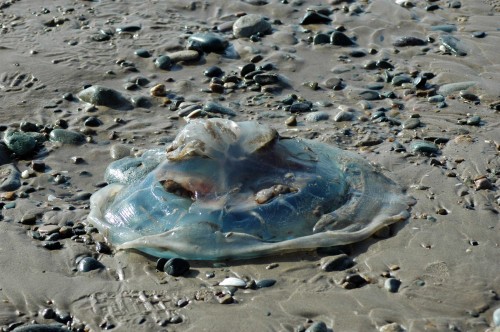
The retreating tide had left a few big jellyfish stranded on the sand, some looking very battered and torn; I don’t know how you tell if a jellyfish is dead or alive.

A rather battered large jellyfish

A rather battered large jellyfish

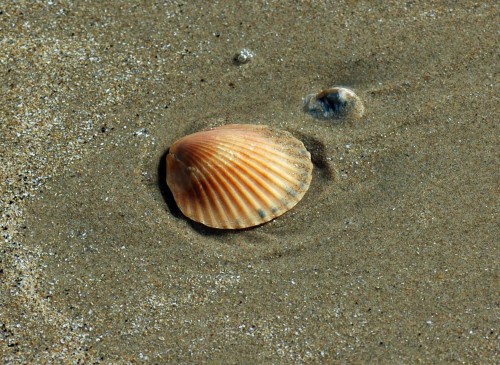
Scallop shell

Scallop shell

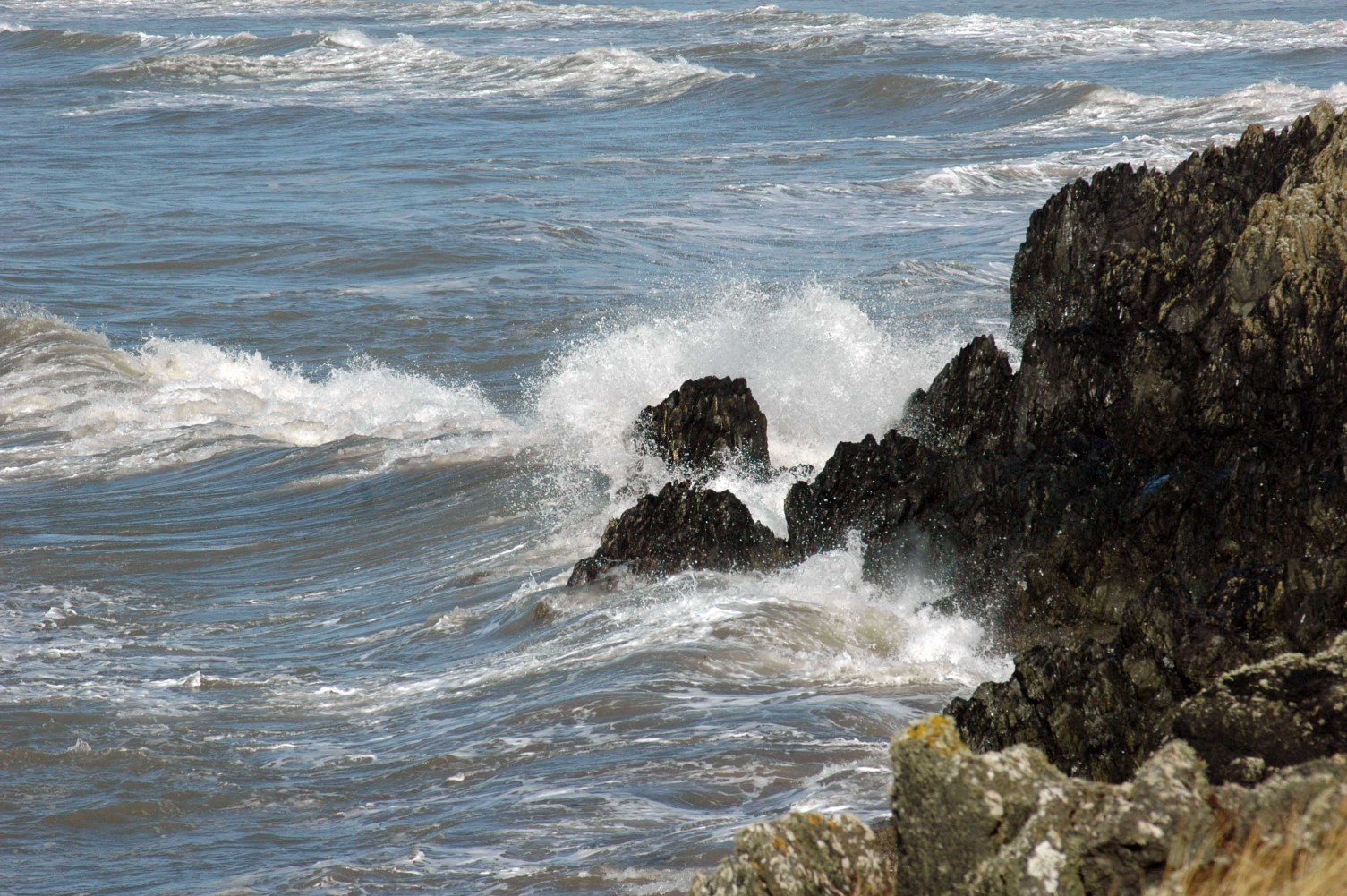
One of the things that fascinated us as children was that arriving on Newborough beach, the sea in front of us would usually be fairly calm and flat but as you get nearer to Llanddwyn Island you mysteriously hear roaring sea and when you arrive, through the gaps in the rocks that tentatively connect the tip of the island to the mainland, you glimpse white-crested waves crashing in.

Through the rocks to the far side of the Island

Through the rocks to the far side of the Island

Waves splashing onto rocks

Waves splashing onto rocks

Following the boarded pathway around the outside of the island I was surprised by the numbers of Herring gulls that had gathered here. There were dozens of them dotted closely over one of the small rocky islets just offshore and many more floating around in ‘rafts’ on the sea.

Rocky Island dotted with Herring Gulls

Rocky Island dotted with Herring Gulls

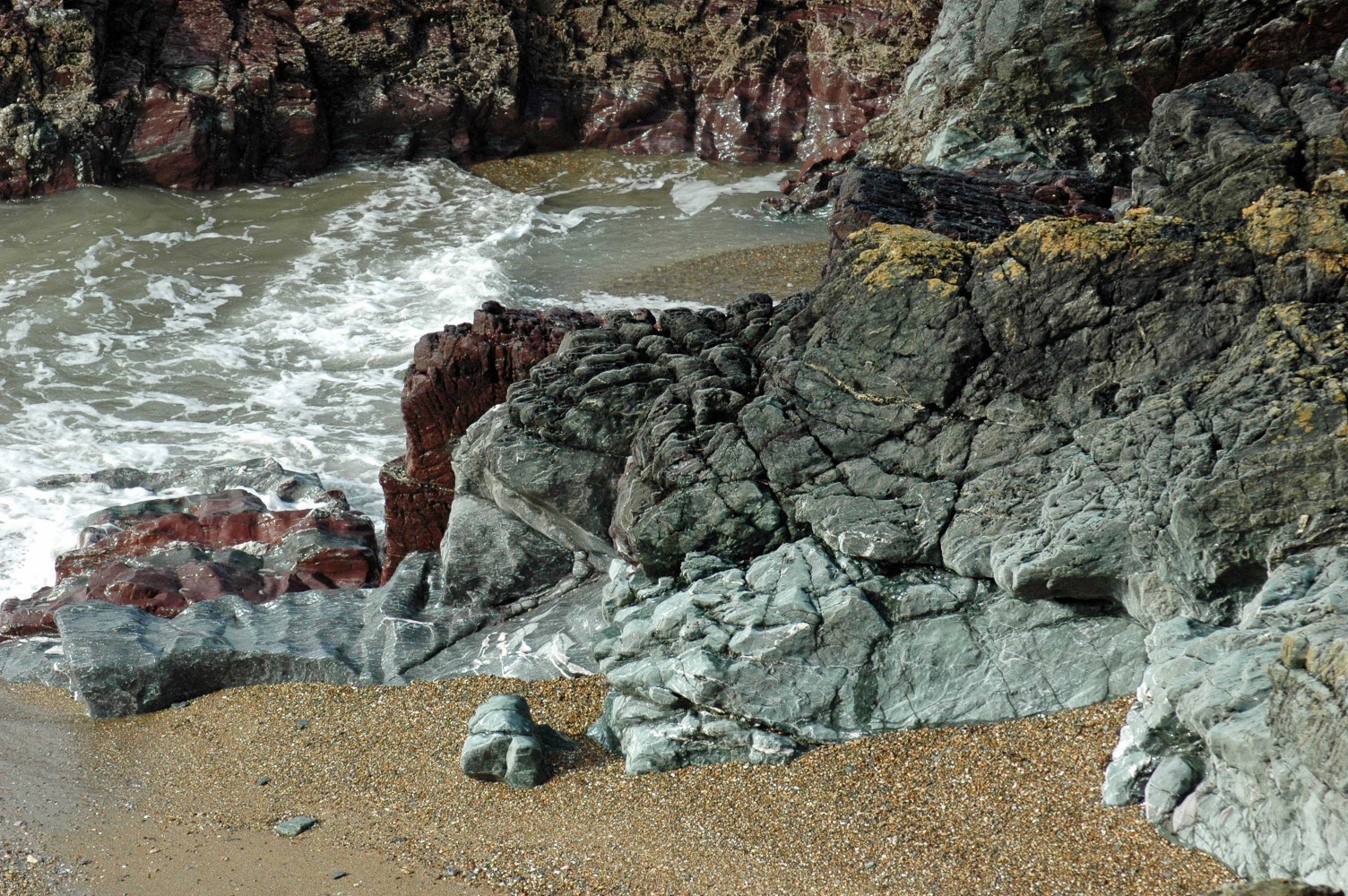
The island is famous for spectacular rock formations called pillow lavas and mélange. The mélanges contain colourful mixtures of different rock types including quartzite, schist and limestone.

An outcrop of multi-coloured rock

An outcrop of multi-coloured rock (click for better effect)

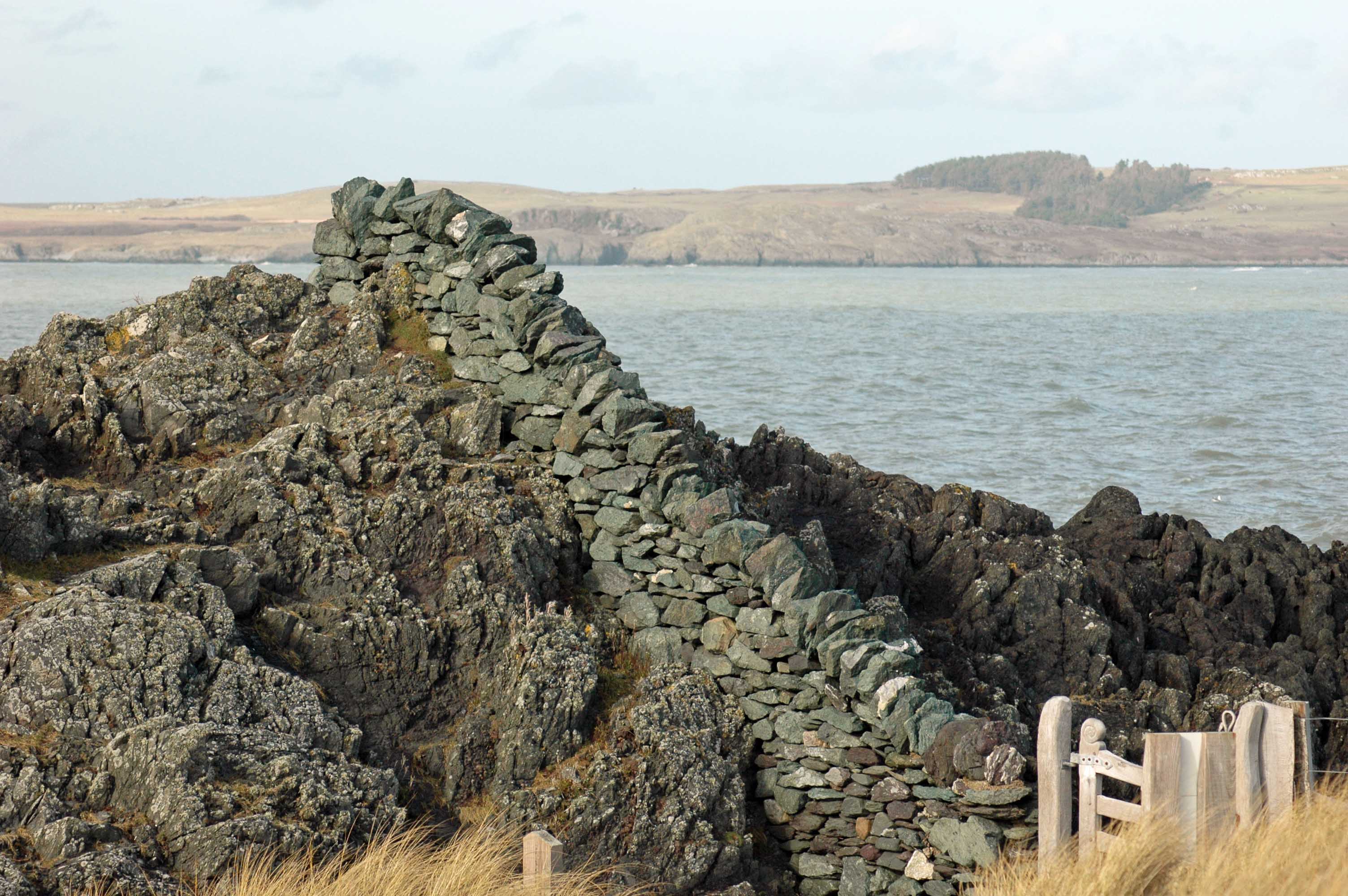
The sight of a dry-stone wall built down a rocky outcrop seems rather random, but I assume it’s to stop the island’s resident Soay sheep and horses from getting onto the beach below, although they have all been taken somewhere more sheltered for the winter.

Green stone wall built onto the rocks

Green stone wall built onto the rocks built to prevent sheep and horses from getting onto the beach?

The decision to only partially restore the chapel was a good one I think. Aesthetically, ruins in locations such as this lend more of an atmosphere, but I fear the reasons for it are more prosaic. If a building here was made weatherproof and accessible it would probably either be vandalised or unofficially lived in. Or both.

The recently restored chapel of St Dwynwen

The recently restored chapel of St Dwynwen

Lighthouse, Twyr Mawr, sparkling sea and a background of the Llyn Peninsular

Lighthouse, Twyr Mawr, sparkling sea and a background of the Llyn Peninsular

A raft of herring gulls riding the waves

A raft of herring gulls riding the waves

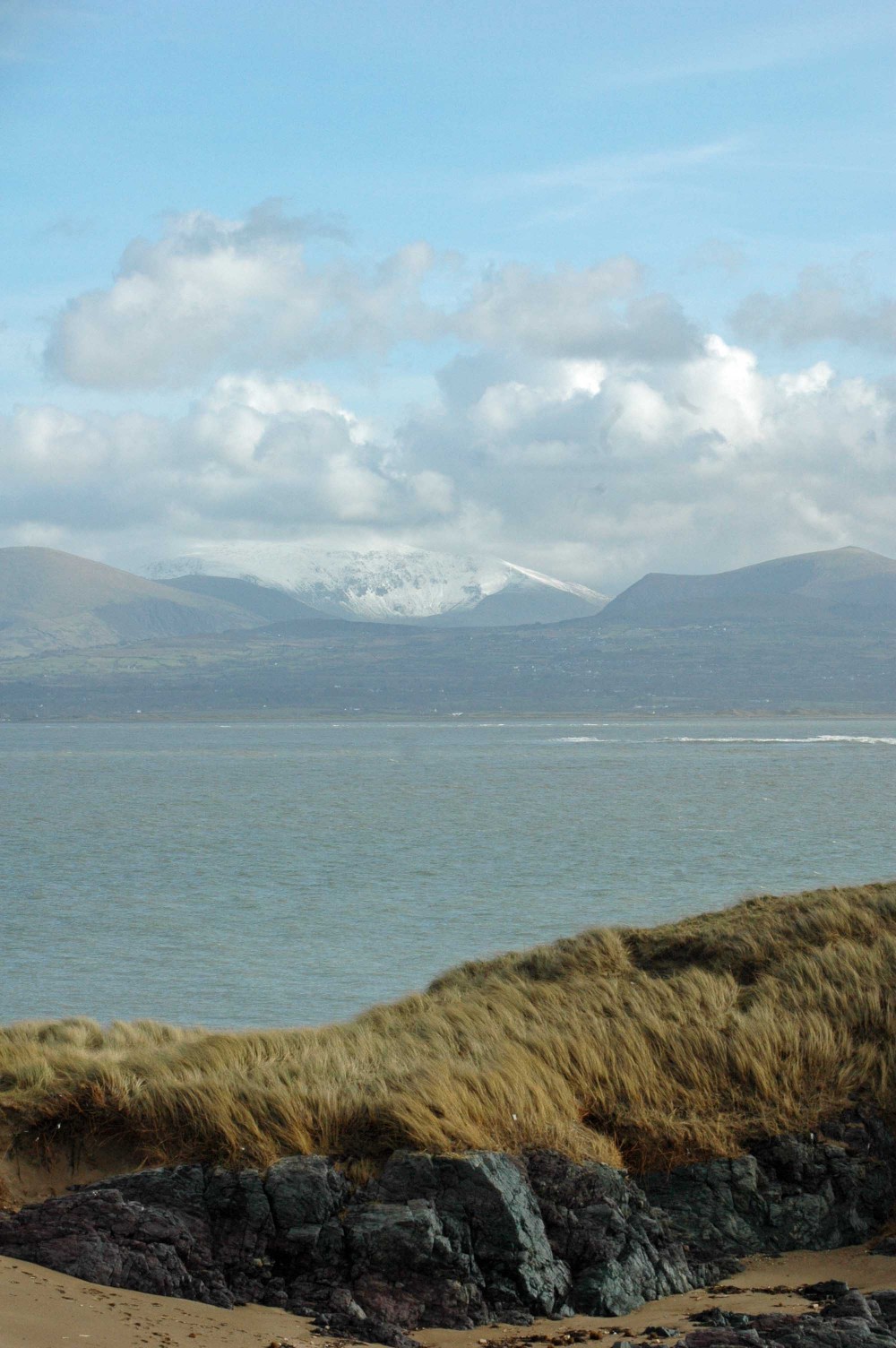
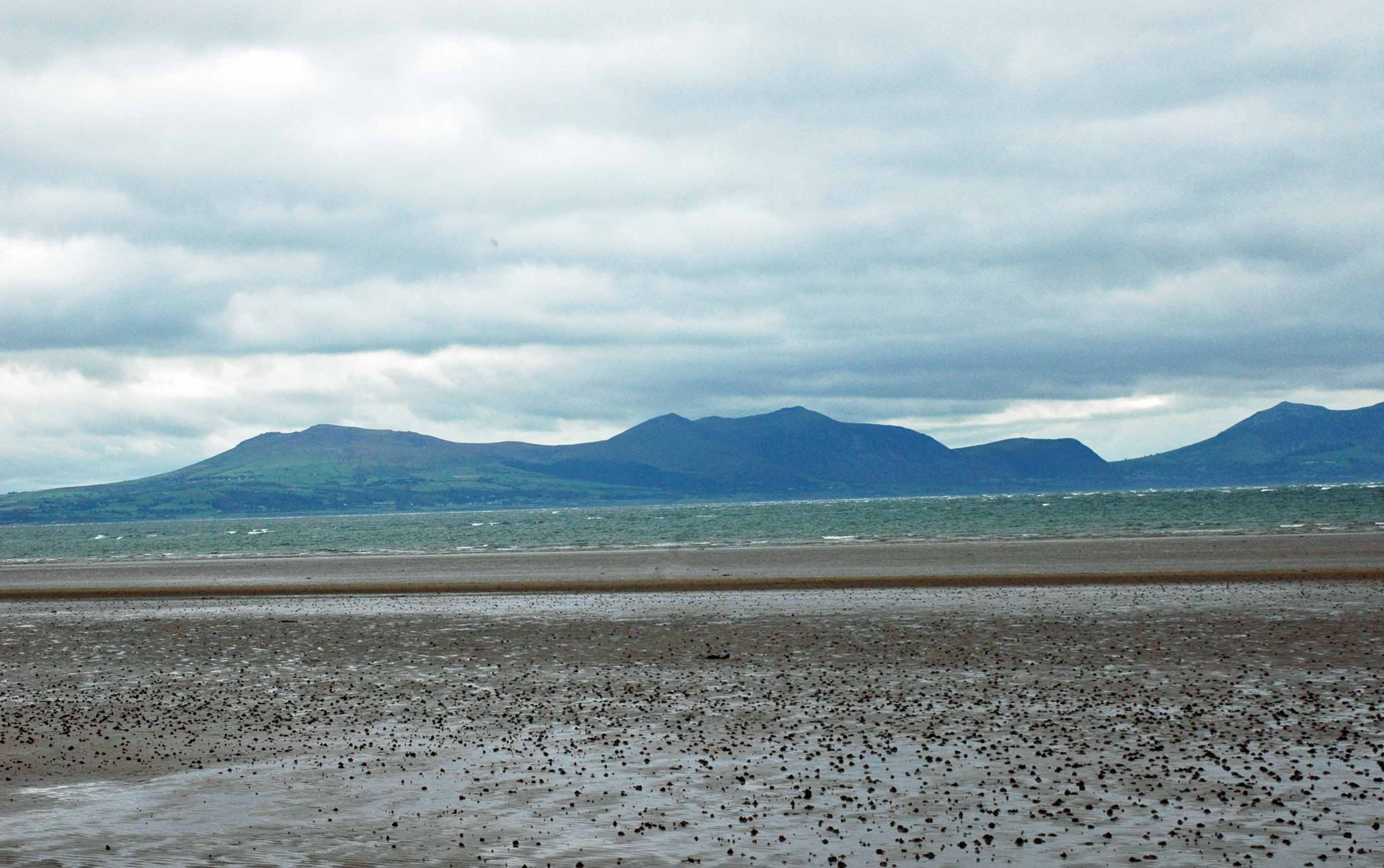
Snow-capped mountains across the bay

Snow-capped mountains across the bay partially obscured by cloud

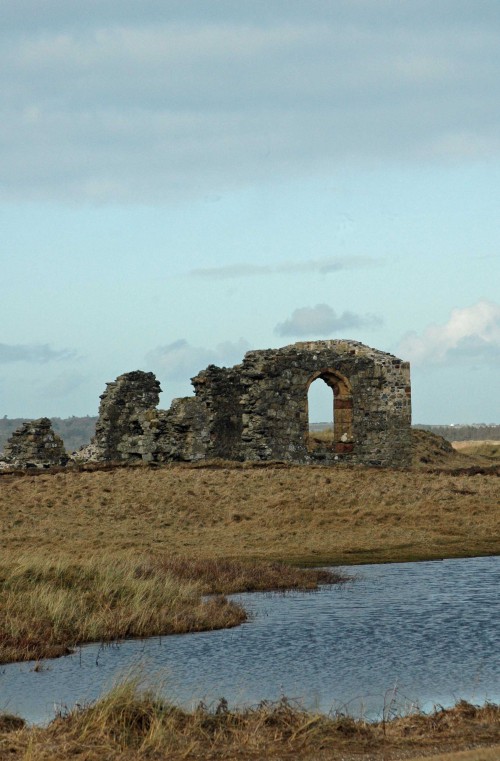
St Dwynwen's chapel across a pool of standing water

St Dwynwen’s chapel across a pool of standing water

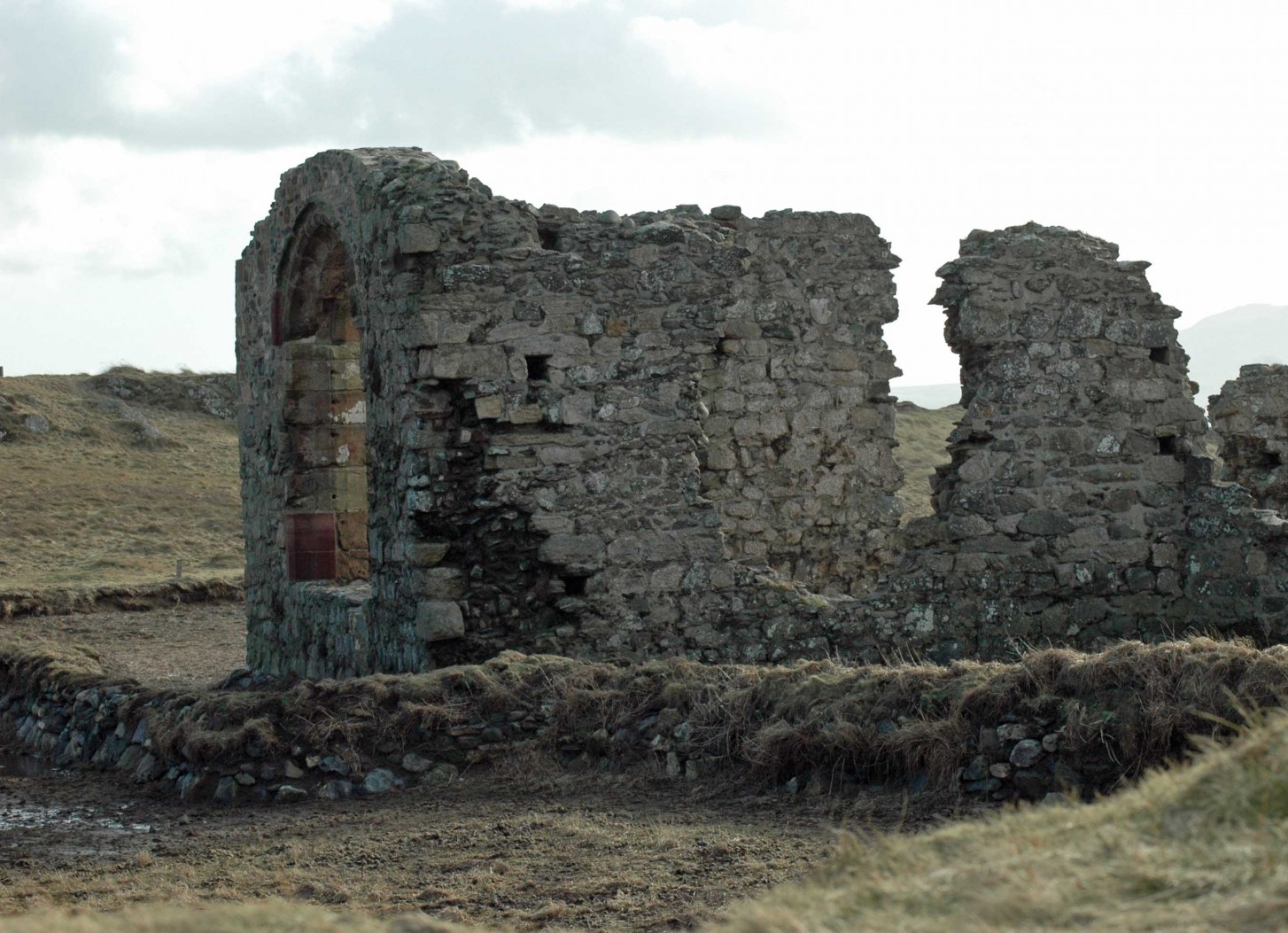
The restored chapel

The restored chapel

St Dwywen's Cross & mountain view through the chapel arch

St Dwywen’s Cross & mountain view through the chapel arch

Far side of Newborough beach & forest

Far end of Newborough beach & forest

Newborough sands-people walking, kite-surfing & snowy mountains

Newborough sands-people walking, kite-surfing & snowy mountains

Pillow larvas were formed 580 million years ago. Molten larva from the earth’s mantle bubbled up through cracks in the seabed. When the larva blobs hit the cold seawater they quickly cooled and hardened, creating the intriguing rock ‘pillow’ shapes.

Pillow larva formation on beach

Pillow larva formation on beach

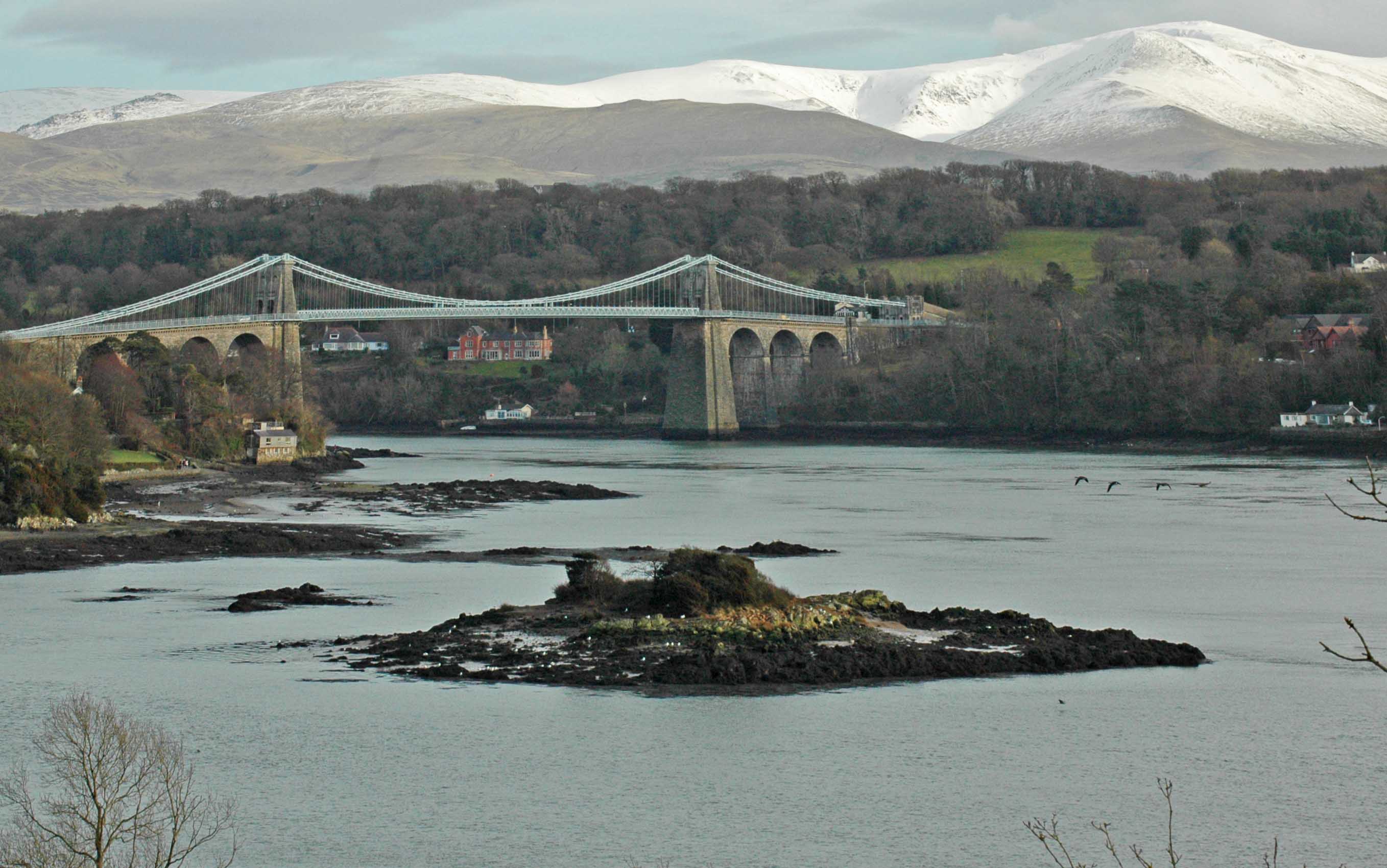
On the way home I couldn’t resist taking a picture of the beautiful Menai Suspension Bridge with emphasis on its backdrop of sunlit snow-capped Snowdonian mountains.

Menai Suspension Bridge

Menai Suspension Bridge

The Menai Suspension Bridge (Welsh: Pont Grog y Borth) is a suspension bridge between the island of Anglesey and the mainland of Wales. Designed by Thomas Telford and completed in 1826, it was the first modern suspension bridge in the world.

Share this:

  • Share on Facebook (Opens in new window) Facebook
  • Share on Pinterest (Opens in new window) Pinterest
  • Share on X (Opens in new window) X
Like Loading...

So why is this tree a star?

23 Sunday Feb 2014

Posted by theresagreen in Nature of Wales

≈ 2 Comments

I’ve just voted for this tree and found its story fascinating, so hope all Welsh readers at least will vote too!

Share this:

  • Share on Facebook (Opens in new window) Facebook
  • Share on Pinterest (Opens in new window) Pinterest
  • Share on X (Opens in new window) X
Like Loading...

There’s more to the Orme

15 Saturday Feb 2014

Posted by theresagreen in Little Orme, Nature, Nature of Wales, nature photography, Rhiwledyn Nature Reserve, The Wales Coast Path

≈ 3 Comments

Tags

cliffs of the Little Orme, Great tit singing, Greenfinch, house sparrow, long-tailed tit, red-throated diver, Robin, textures in landscape

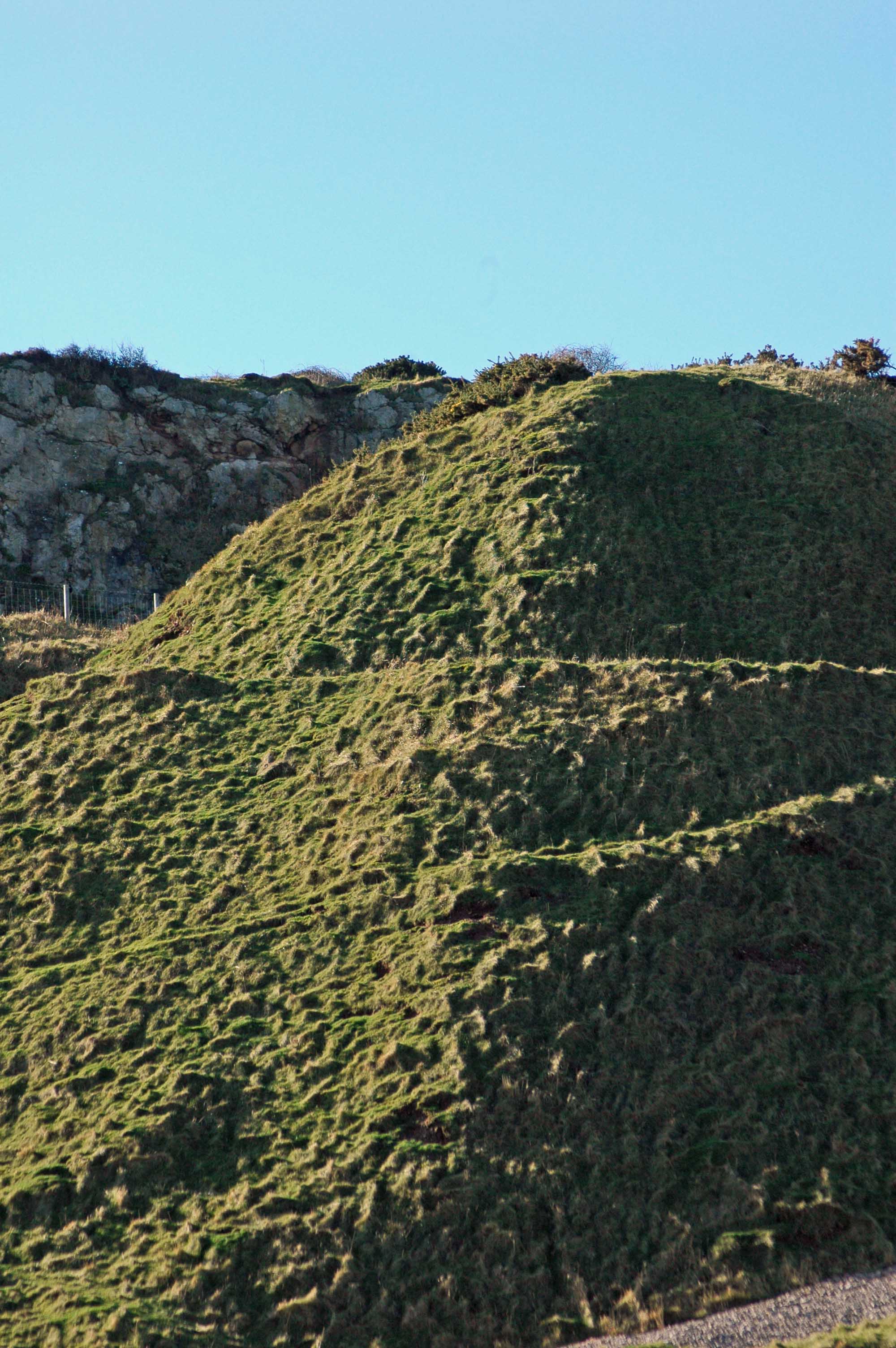
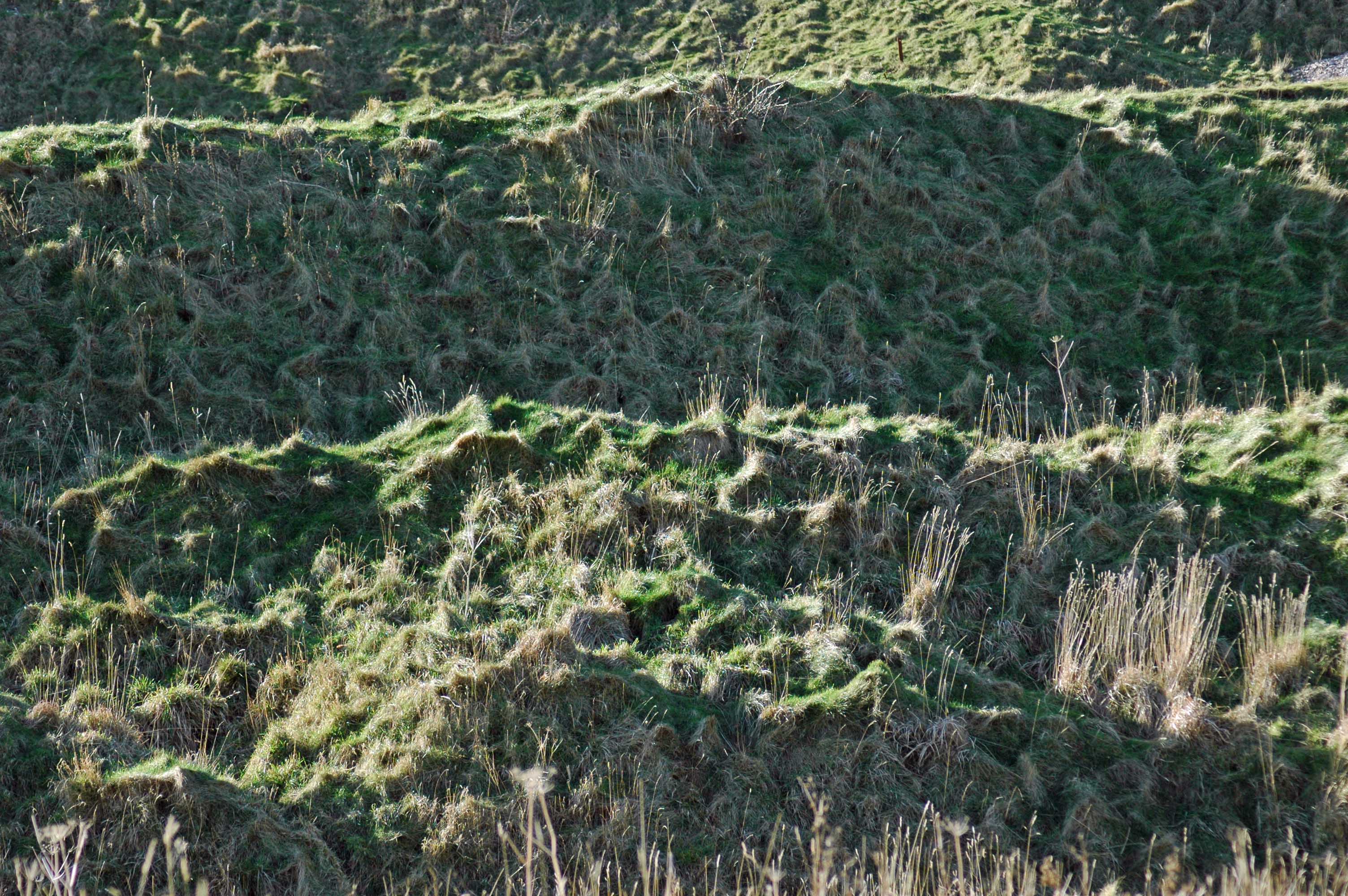
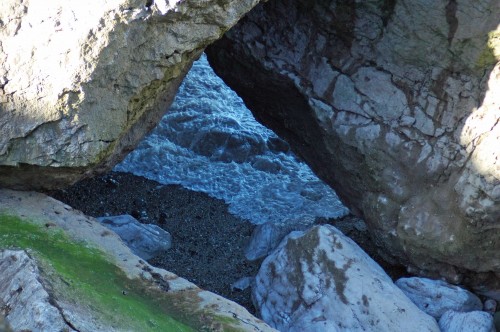
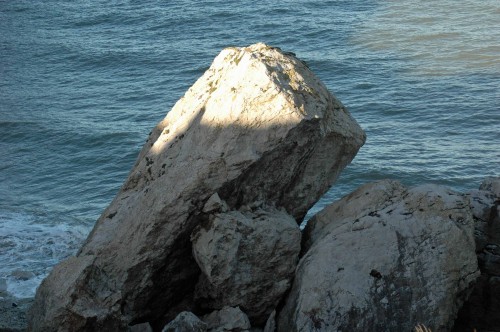
When the wind blows and sunlight slides slowly around the bulk of the Little Orme textures and patterns are revealed on surfaces that may go unnoticed in any other season when the sun is higher in the sky.

CLIFFS

Textures and patterns on a grass-covered cliff

Sunlit cliff face

140206-Little Orme 20-Light and shade on cliff

140206-Little Orme 27-Sunlit cliff

GRASS

Textured grass terraces

Grassy hummocks

ROCKS

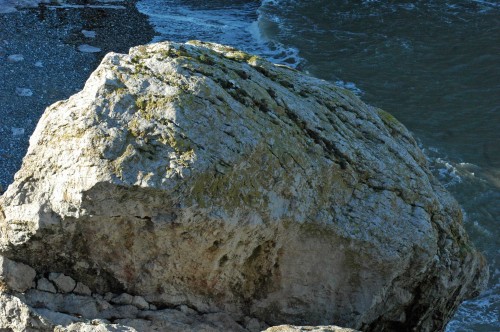
Sunlight catches the edge of a rock

140206-Little Orme 23- Sea coming back under rocks

140111-Sunlit rock, Angel Bay

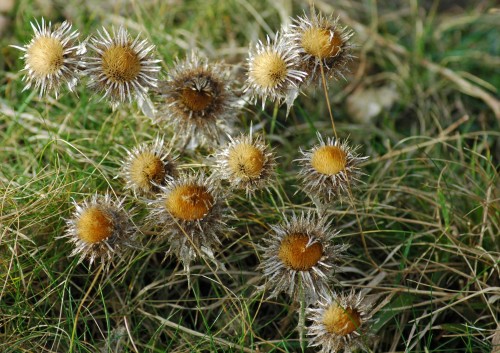
PRICKLY PLANTS 

140206-Little Orme 14- Burrs

140206-Little Orme 12- Carline Thistle sunlit

140206-Little Orme 11- Carline Thistle

SEA SWELLS

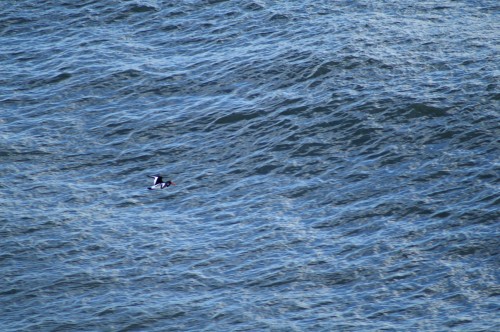
From the cliff and Oyster catcher is a tiny black and white speck against a wind-ruffled sea

140128-Little Orme 2- Grey Seals swimming

Red-throated diver

140207-Red-throated Diver-Little Orme

BIRDS AMONGST TANGLES OF TWIGS

Great Tit singing

140207-Great tit singing-Little Orme

House sparrow eating

140207-House sparrow eating-Little Orme

Robin singing

140207-Robin in a bush singing-Little Orme

Greenfinch singing

140207-Greenfinch singing-Little Orme

And a glimpse of a Long-tailed Tit

140207-Long-tailed Tit-Little Orme

Share this:

  • Share on Facebook (Opens in new window) Facebook
  • Share on Pinterest (Opens in new window) Pinterest
  • Share on X (Opens in new window) X
Like Loading...

Happy St. Dwynwen’s Day

13 Thursday Feb 2014

Posted by theresagreen in Anglesey, National Nature Reserves, Nature of Wales, Saints of Wales, Welsh culture and mythology

≈ 6 Comments

Tags

celtic cross, Llanddwyn Island, Newborough Warren and Llandwyn Island, St Dwynwen, Welsh patron saint of lovers

The National Nature Reserve of Newborough Warren and Llanddwyn Island are located on the south-western corner of the Isle of Anglesey, North Wales and will always be one of my favourite places on earth. I have written about the island before, but for St Valentine’s Day this is an extract from an existing page about its connection with Wales’ own patron saint of lovers, St. Dwynwen. (St. Dwynwen’s actual feast day is January 25th).

The name Llanddwyn means “The church of St. Dwynwen”. Dwynwen is the Welsh patron saint of lovers, the Welsh equivalent of St. Valentine, and the island is alternatively named ‘Lover’s Island’.

The view across Newborough beach to Snowdonia

The view across Newborough beach to Snowdonia

The mythology surrounding St. Dwynwen has several slightly varying versions, but the essence of the stories is similar.

Dwynwen lived during the 5th century AD and was one of 24 daughters of St. Brychan, a Welsh prince of Brycheiniog (Brecon). She fell in love with a young man named Maelon, but rejected his advances. This, depending on which story you read, was either because she wished to remain chaste and become a nun or because her father wished her to marry another. She prayed to be released from the unhappy love and dreamed that she was given a potion to do this. However, the potion turned Maelon to ice. She then prayed that she be granted three wishes: firstly that Maelon be revived, secondly that all true lovers find happiness, and last that she should never again wish to be married. She then retreated to the solitude of Llanddwyn Island to follow the life of a hermit.

The plaque in the island’s museum:

St Dwynwen's story

St Dwynwen’s story

Dwynwen became known as the patron saint of lovers and pilgrimages were made to her holy well on the island. It was said that the faithfulness of a lover could be divined through the movements of some eels that lived in the well. This was done by the woman first scattering breadcrumbs on the surface, then laying her handkerchief on the surface. If the eel disturbed it then her lover would be faithful.
Image of St Dwynwen
Visitors would leave offerings at her shrine, and so popular was this place of pilgrimage that it became the richest in the area during Tudor times. This funded a substantial chapel that was built in the 16th century on the site of Dwynwen’s original chapel.
The ruins of St Dwynwen's chapel

The ruins of St Dwynwen’s chapel

Last year (Jan 2013), a project to restore the chapel was begun and below is a link to a short video giving a progress report and some views of the island:

Update: BBC Wales have just showed a news item on the latest status at St. Dwynwen’s – see our lads at work via this link here

Llandwyn Island

The island is beautiful, wild and feels far more remote than it is nowadays. It can be a bleak, windswept place at any time if the year, but especially so in the winter. Here are a few of my views featuring some of the landmarks of the place

The lighthouse with the Snowdonia mountains behind

The lighthouse with the Snowdonia mountains behind

The memorial cross

The Memorial cross is also known as St Dwynwen’s cross

Celtic cross, Llandwyn Island

Celtic cross dedicated to St Dwynwen

The Pilot's cottages and cannon

The Pilot’s cottages now house a museum

Some of the jagged rocks that surround the island

Some of the jagged rocks that surround the island

Share this:

  • Share on Facebook (Opens in new window) Facebook
  • Share on Pinterest (Opens in new window) Pinterest
  • Share on X (Opens in new window) X
Like Loading...

Noisy birds and sleeping seals

09 Sunday Feb 2014

Posted by theresagreen in bird behaviour, birds of Wales, Nature, Nature of Wales, nature photography

≈ 6 Comments

Tags

Aderyn-Drycin y Graig, coastal birds, fulmar, fulmarus glacialis, grey seals, Little Orme, northern fulmar, Rhiwledyn Nature Reserve, rock pipit, seals in Angel Bay

This post was inspired by a walk taken last weekend with some lovely people I met for the first time then: Gill who is the chairperson of the Bryn Euryn Users’ Association and her partner Tony who is a ‘proper’ birdwatcher. As well as enjoying their company I also learnt a lot from them both; from Gill it was how the Bryn had evolved into a Local Nature Reserve and some of how its habitats are maintained, which I’m hoping to discover more about in the near future.

Little Orme

Tony reminded me how much I’ve been missing here and I rediscovered that when it comes to spotting birds, particularly when they are faraway dots on a wavy sea, three pairs of eyes are better than one and that a telescope widens the horizons in more ways than one!

Two grey seals swimming in Angel Bay

Two grey seals swimming in Angel Bay

Firstly though, we had some good sightings of Fulmar which are back at their nest sites on the cliff face. The Raven was up in his favourite spot just above them and Tony showed me their nest site where we saw and heard them both a little later on. We also spent a few minutes hunting for signs of a Black Redstart that was reported being seen here a few weeks ago, but no luck. From the clifftop overlooking Angel Bay there were two Grey Seals swimming and further out to sea there were some great seabirds including numbers of Great Crested Grebe, Red-throated Diver , Guillemot & Razorbill as well as the more easily seen Shags & Cormorants. Walking around the rocky outcrop to the ledge that overlooks Penrhyn Bay and the wider sea, we encountered a Rock Pipit pecking around the grass and rocks, not at all concerned that we were there and presenting an irresistible photo opportunity. 

Rock Pipit-

Rock Pipit- Anthus spinoletta

This week I waited for a break in the weather to return to the Little Orme for more viewing and Friday’s sunshine was just what I’d been waiting for. I was particularly keen to see more of the Fulmar so headed in their direction first. The Raven pair were once more sitting up in their favourite spot above the Fulmar site. They are both looking gorgeously fit and healthy, their plumage shining brightly in the sunlight.

The Raven pair gleaming in the sunlight

The Raven pair gleaming in the sunlight

I counted three pairs of Fulmar here initially, who were later joined by what I think was a single male on a site just around the rock. Some birds were easier to see than others as they have chosen their nests sites carefully to give them some shelter from the elements, and those I’m assuming to be the females were mostly tucked behind a rock or back into clefts in the rock-face.

Fulmar pair on a rock ledge

Fulmar pair on a rock ledge

The birds were noisy; males are definitely proclaiming their territories and there was quite a bit of aerial activity, taking off, swooping around and then landing again with more vocals. The sound has been described as harsh, throaty and machine-gun like.

There were a lot of Jackdaw on the cliffs too and I suspect that much of the Fulmar’s vocalising was aimed at them and they in turn were giving back as good as they got, so it got very noisy at times.

Jackdaws up on the cliff-Wild Cabbage has established up there

Jackdaws up on the cliff-Wild Cabbage has established up there

There were more of the birds on the cliff-face at the edge of Angel Bay; they were making even more noise, much of it directed at a single bird that was flying around and attempting to land in spots already occupied by pairs of birds. I think there may be 8 pairs in total, which will be easier to establish once they’ve settled down.

 FULMAR

Common name: Fulmar or Northern Fulmar; Scientific name: Fulmarus glacialis Welsh name: Aderyn-Drycin y Graig

BTO Conservation Status: AMBER because Recent Breeding Population Decline (1981-2007), Localised Breeding Population

The common name is derived from the Old Norse word ‘full’ meaning foul and ‘mar’ meaning seabird or gull. The foul part refers to the fact that they can spit out a foul-smelling oily fluid to defend their territories from intruders; it’s not all bad though, the oil is also an energy rich food source for chicks and for the adults during their long flights. The glacialis of the scientific name means icy.

They are long-lived, with a lifespan of 40 years not uncommon.

Fulmar sitting on guard

Fulmar sitting on guard

The Fulmar is a bird of the open sea, a ‘tube-nose’ that is a first cousin of the albatross and belonging to the same group of birds as the shearwaters and petrels. They feed at sea  on crustaceans, squid, fish, offal and carrion mostly from the surface.To deal with excesses of salt they take in with their food they have a gland located above the nasal tube through which all the bird’s blood is pumped and the salt removed. The salt-laden discharge runs from the tube nose along a groove in the beak and drips off away from the body, keeping plumage clean.

Fulmar glide effortlessly with stiff wings

Fulmar glide effortlessly with stiff wings

At first sight Fulmars resemble gulls but seen more closely are distinguished by the shape of their beak which has a tube-shaped proturberance on the top and a thicker neck. They have long, narrow wings and fly low over the sea on stiff wings, with shallow wingbeats, gliding and banking to show its white underparts then grey upperparts.

Head on the Fulmar is sleek and has a blade-like profile

Head on the Fulmar is sleek and has an almost blade-like profile

At its breeding sites it will fly high up the cliff face, riding the updraughts.

Flying in to land

Flying in to land showing underside

Nesting sites are deserted in September and Fulmars are usually absent offshore during October and November. Their absence from the breeding cliffs is short-lived as by late November or early December the birds are back prospecting around the nesting sites.

Both of the pair calling

Both of a pair calling noisily

The nest itself may be nothing more elaborate than a depression in bare rock or a scrape in turf, although they are sometimes lined with a few pebbles. The female lays a single white egg in May, so they’ve a while to go yet.

A quick glance down onto Angel Bay brought a pleasant surprise – a mixed size group of 22 Grey seals. They were very chilled, many of them asleep on their backs; gorgeous.

A mixed group of Grey seals

A mixed group of Grey seals

Many of the seals were asleep on their backs

Many of the seals were asleep on their backs – I love their flippers

I think these were posing for the camera

I think some were posing for the camera

I was a bit worried that one of these appeared to have blood around its head

I was a bit worried that one of these appeared to have blood around its head

This one was scratching an itch

This one was scratching an itch

These pups were wide awake

These pups were wide awake

A view from the end of the bay includes most of the group

A view from the end of the bay includes most of the group

140206-Little Orme 25- Sea crashing onto rocks

Ending with a splash

Share this:

  • Share on Facebook (Opens in new window) Facebook
  • Share on Pinterest (Opens in new window) Pinterest
  • Share on X (Opens in new window) X
Like Loading...

Of Gorse, Furze or Whin

02 Sunday Feb 2014

Posted by theresagreen in Nature of Wales, nature photography, Wildflowers of Wales

≈ 11 Comments

Tags

ant disperal of seeds, furze, gorse, Gorse Mill, myrmecochory, shelduck, St.Fagans National Museum, stonechat, traditional uses of gorse, ulex europaea, whin

By whichever name you know it, this prickly shrub smothered in sunshine-yellow blossom is an iconic plant of commonland and rough open spaces, and wherever it grows in quantity it is one of our great landscape plants.

Golden gorse in bloom against a background of blue sea

Golden gorse in bloom against a background of blue sea

“When gorse is in blossom kissing’s in season”  or  “when furze is out of bloom, kissing’s out of fashion” is a traditional saying that once would have been know, one way or the other, throughout Britain and Ireland. Either way, it is another way of saying that the plant can be found flowering to some extent in all months of the year. This is because, with the exception of Scotland, most gorse colonies are a mixture of common gorse – ulex europaea (in flower chiefly from January to June, though often sporadically throughout the year) and either western gorse (July to November) or, in the south and east of England, dwarf gorse (also July to November), so the the likelihood is that at least one species will be in flower.

April-Flowers, spines and the beginnings of seed pods

April-Flowers, spines and the beginnings of seed pods

Gorse is a most sensory plant – the flowers smell deliciously of creamy coconut and the seed pods’ pop and crackle in hot sunshine, but it’s so well protected by those potent spines it’s best admired from a respectful distance.

Common name: Gorse, furze or whin Scientific name: Ulex Europaea Welsh name:Eithinen Ffrengig: Family group: Fabaceae

Flowers of Common Gorse - Ulex Europaea

Flowers of Common Gorse – Ulex Europaea

Common gorse is the only species native to much of western Europe, where it grows in sunny sites, usually on dry, sandy soils. It is also the largest species, reaching 2–3 metres (7–10 ft) in height.

The 15-20mm long flowers, with their wonderful aroma of coconut, are borne on stems of spiny bluish-green spikes. The leaves have been modified over centuries into rigid and furrowed thorns which withstand the harsh conditions of winters at higher altitudes, making the entire bush one mass of prickles and spines. In North Wales these shrubs form hedgerows around our fields, they line our country roads and particularly from February to May, when the flowers are their most abundant, they are a spectacular sight.

Pollination 

Whether gorse flowers supply nectar is a subject of debate, although the opinion of careful observers is that they do at certain times. However, it is for pollen that the plant is mainly of value to Beekeepers.This is produced in abundance and is bright yellow or orange in colour, assuming the darker or duller shade in the bees’ pollen baskets, but bees commonly forsake gorse once other flowers become available.

The spines protect the plant from being eaten

The spines protect the plant from being eaten

The visual intensity of a gorse-dominated heath or common can be dramatic. The pioneering naturalist Carl Linnaeus saw gorse in bloom on London’s Putney Heath whilst on a visit to England. He was reported to have fallen to his knees and wept for joy when he beheld the sight of the heath adorned with its fine yellow flowers. He had tried unsuccessfully to grow gorse in his greenhouse in Uppsala in Sweden, but the winters proved too cold.
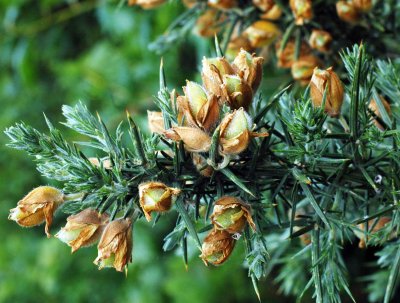
Gorse fruits forming

Gorse fruits forming

The popping, or crackling sound of the gorse plants’ seed pods, as they split to scatter their seeds, is a familiar sound on hot summer days.

Gorse seed-pods

Gorse seed-pods cracking open on a hot summer’s day

Seed dispersal: Most gorse seeds fall directly beneath the parent plant, although some are dispersed through the action of the dehiscent pods, which can eject seeds up to 16 feet (5 m) from the parent plant.Gorse seed dispersal over intermediate distances may be attributable to insects, animals, birds and possibly wind gusts. Most fascinatingly though, is the plant’s interaction with ants.

Ant dispersal of gorse seeds

Myrmecochory (sometimes “Myrmechory“); from Greek myrmeco-: “ant’s” + -chory: “dispersal”) is seed dispersal by ants, an ecologically significant ant-plant interaction with worldwide distribution.

Dwarf gorse growing amongst heather on the Great Orme

Dwarf gorse -Ulex Minor, growing amongst heather on the Great Orme

Gorse is known to be a myrmechochorous plant, meaning that ants assist seed dispersal. The following is an extract from research by the Centre for Ecology & Hydrology:

Dwarf gorse Ulex minor seeds have a small food body, called an elaiosome, which attracts ants of certain species. These ants pick up the seed and take it back to the nest, where the elaiosome is removed and eaten and the seed is then discarded. As well as dispersing the seed, this behaviour may place the seed in improved conditions for germination and seedling establishment. Our work on this system has involved observing and measuring dispersal in the field and studying the chemical ecology of the ant-seed interaction. The latter has shown for the first time that the elaiosome produces a chemical which attracts ants from a distance. http://www.ceh.ac.uk/index.html

ECOLOGY

Patches of gorse are important in both heath and coastal areas, although it may be desirable to control the extent of spread where it excludes other species.
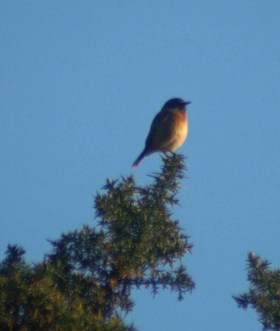
14/1/12 Stonechat - Saxicola torquata perched on gorse-Little Orme

14/1/12 Stonechat – Saxicola torquata  (f) perched on gorse-Little Orme

Gorse is a valuable plant for wildlife, providing dense thorny cover ideal for protecting birds’ nesting and feeding sites, and providing shelter for birds and other animals moving through the countryside.  In Britain, France and Ireland, it is particularly noted for supporting Dartford Warbler (Sylvia undata), Stonechat (Saxicola rubicola), Linnet () and Yellowhammer () and the common name of the Whinchat (Saxicola rubetra) attests to its close association with gorse. The flowers are eaten by some species of moths. 

Gorse provides important habitat for other animals and plants too, including uncommon ones such as dodder, a ‘hemi-parasite’ that grows on gorse foliage. Reptiles such as common lizard, sand lizard, smooth snake, and adder, all favour gorse-dominated environments.

Shelduck are known as furze,or gorse duck in Welsh

In Wales, once Shelduck have paired in the spring they move away from water to the hills, where they search out a large rabbit hole for a nest.

Often these lie beneath old gorse bushes – hence the shelduck’s Welsh name, Hwyaden yr Eithin: the furze or gorse duck.

“Wild Gorse: history, conservation, and management

“It is clear that gorse and its relatives were widely used and often deliberately cultivated until very recently. Now however, the furze fields and the gorse commons lie neglected and abandoned a forgotten artefact of our cultural history. As the plants degenerate through age and a lack of management, natural capacity for regeneration declines.” Ian D. Rotherham, Sheffield Hallam University. 

TRADITIONAL USES OF GORSE

Gorse has a long history of use in the areas of the country where it grows most prolifically and in many areas it was deliberately cultivated as a crop for animal food and as fuel.

Gorse-Bryn Euryn

Gorse-Bryn Euryn

Many places up and down the country refer to the presence of gorse. On Exmoor, where the plant is known locally as furze, it gave rise to Furzebury Brake and Furzehill Common. Most hill farms have their furze break, i.e. gorse-covered hill. In Wales, where place names in Welsh are made up of elements, any place name containing ‘eithin’, the Welsh word for gorse will indicate the plant’s significance there. 

 The importance of gorse for heating ovens for baking is a tradition widely recorded across Britain. The gorse burns rapidly and hot, quickly raising the temperature of the oven to a suitably high temperature. Importantly the gorse produces very little ash, and this is raked out as the bread is placed into the oven. For bread in early times, it was the custom to cut off the base and the four side-crusts to remove the ash that became embedded in the bread.

On commonland there were quite strict rules about when and how much gorse could be cut for fuel: ‘In Cumnor, Oxfordshire, under the 1820 Enclosure Award, parishioners had the right to go to Cumnor Hurst to cut gorse and broom (for burning, often in bread ovens due to the fierce heat) but they were allowed only as much as they could carry on their backs.’
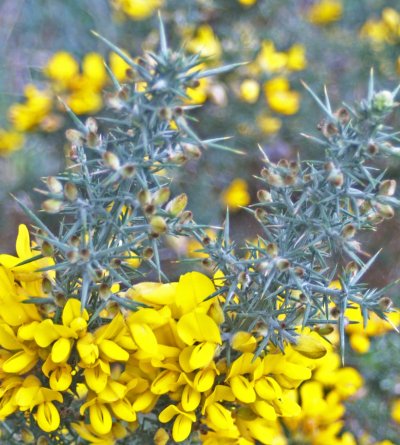
A closer look at those spines

A closer look at those spines

GORSE MILLS

Gorse is highly nutritious; hence its armament of sharp prickles to ward off herbivores. The leaves are generally only eaten in situ in the spring when young and tender. However, the plant was grown to be cut and crushed for winter fodder for horses and cattle. It was used particularly in areas with extensive heath and common, but was also deliberately seeded into areas as a crop to be harvested. In Wales, special mills were constructed to grind down the cut gorse into a moss-like consistency.

‘In Wales many farmers remember gorse mills, and how important a food gorse was, especially for horses. Fields were devoted to growing gorse as a crop, and at least one smallholder in Anglesey made his living cutting gorse for other farmers, at five shillings an acre.” Flora Brittanica, Richard Mabey

There is a reconstructed Gorse Mill at St. Fagans National History Museum, near Cardiff.  I surely passed it by on the several occasions I have visited this genuinely fascinating place, usually in the rain, both with my own children and whilst accompanying parties of small schoolchildren. I can’t say that I remember it, but that was a good few years ago.  

Exterior view of the Gorse Mill  at St Fagans National History Museum

Exterior view of the Gorse Mill at St Fagans National History Museum

A small, stone-built mill (built mid-1840s) that was used to prepare gorse for feeding to horses. From the 18th century to the end of the Second World War, most Welsh farmers used horses to carry out the work of the farm. Because of this it was important to feed horses well, and gorse was an important part of their diet. It was specially grown on a large scale but had to be bruised or crushed to make it fit to eat.

The gorse crushing machine, with heavy metal spikes fixed to the axle, was located on the ground floor and was driven directly off the waterwheel. By about 1850, however, most such mills had been replaced by lighter and cheaper hand-operated or oil-powered machines.

DOMESTIC USES

Folk interviewed by Richard Mabey for his Flora Britannica  recalled the following uses for gorse:

‘Gorse & heather were bound together to make besom brooms, which were then tied with the same jute string used for binding straw bales.’ (Whitby)

“ Some local gardeners place chopped gorse or “fuzz” over germinating or emerging peas to deter mice and pigeons” (Plymouth, also Ashridge).

The ashes of burned Gorse are rich in alkali, and they were formerly sometimes used for washing, either in the form of a solution or lye, or mixed with clay and made into balls, as a substitute for soap.

Another association with washing is that many people used to like to grow a few Gorse bushes near their homesteads, so they could lay their washing on the thorny branches without fear of it blowing away.

Gorse flowers were also used to make wine & a yellow dye.

DYES 

Gorse Dye Recipe from “A Diary of a West Cork Dyer” by Kate Jepson 

16oz Gorse petals, 8 oz wool, 2oz alum, ½ cream of tartar

Soak the petals for two hours. While petals are soaking mordant the wool the same way as for the onionskin dyebath, and allow to cool. Bring petals to simmering point over one hour, and simmer for one hour, drain off liquor and add mordanted wool, bring to simmering and simmer for one hour without letting the dyepan boil. Rinse wool well in water until it runs clear, wash and hang to dry in an airy place. (yellows)

Gorse in popular culture

PERFUME

If you love the scent of gorse as much as I do, you may be interested to know that the monks of Caldy Island (an isle just off the coast near Tenby in South Pembrokeshire), who are reknowned worldwide for producing the very best lavender perfume, also produce a perfume from gorse flowers called ‘Island Gorse’. (To me it doesn’t smell exactly like the flowers do in the wild, somehow it’s not quite coconutty enough (sorry, it must be the aromatherapist in me) but I love it and wear it anyway.)

LITERATURE

There are numerous references to Gorse in modern literature from the misadventures of Winnie the Pooh to Lord of the Rings, but most evocatively in Thomas Hardy’s novel The Return of the Native. When Clym is partially blinded through excessive reading, he becomes a furze-cutter on Egdon Heath, much to the dismay of his wife, Eustacia. The timeless, gorse-covered heath is described in each season of the novel’s year-and-a-day timeline and becomes symbolic of the greater nature of mankind.

George Meredith (1828–1909) caught the essence of the plant in the great gorse stanza in ‘Juggling Jerry’, where he described an old man relishing familiar scenes and scents:

Yonder came smell of the gorse, so nutty,

  Gold-like and warm; it’s the prime of May.

Better than mortar, brick and putty,

  Is God’s house on a blowing day.

Lean me more up on the mound; now I feel it;

  All the old heath-smells! Ain’t it strange?

There’s the world laughing, as if to conceal it,

  But he’s by us, juggling the change.

  From more recent times, I love this report:

Rescued – after two days in gorse bush

• Martin Wainwright, The Guardian -Wednesday 10 August 2005 00.05 BST

An RAF helicopter was scrambled early yesterday to rescue a man who had been stuck in a gorse bush for two days. Winchman Colin Yorke was lowered through thorns into a small opening in the bush on a Yorkshire sea cliff, to attach a cable to the man, who was suffering from hypothermia. He had failed to catch anyone’s attention until shortly before dawn yesterday, after tumbling into the bush on Sunday morning. North Yorkshire police said he managed to alert a woman out on an early walk by repeatedly clicking his cigarette lighter.
A North Yorkshire police spokesman said they received a call at 3.50am on Tuesday.
“The lady who called said he had been there for several hours, but could not give a reason as to why he could not get out,” the spokesman said.
Sergeant Yorke said that the curious operation was “certainly one of our stranger rescues”. His helicopter was dispatched from RAF Leconfield near Beverley, in east Yorkshire, after coastguards and fire officers decided that winching was the safest way out.
“The patch of gorse he was in was 10 feet deep,” said Sgt Yorke, 38, who has been in the RAF for 21 years. “We’ve no idea how he got there. He was right in the middle of the gorse. When we arrived we could just see this hand poking out above the top of the bush. It was like he had been dropped there by a spaceship.”
The man has not been named but is 32 and was described as “a well-known local character” from Hunmanby, near Primrose Valley on the edge of Filey, where he got stuck. Sgt Yorke said: “He had no idea how he got there but he had apparently been out on Saturday night consuming various substances.”
The man was taken to Scarborough hospital and treated for hypothermia and dehydration after telling the helicopter crew that he had no feeling from the waist down. Sgt Yorke said: “He was out if it, really.”
Coastguards and police are looking for a mountain bike which the man recalls riding, and which may have catapulted him in the dark into the middle of the bush.
Share this:

  • Share on Facebook (Opens in new window) Facebook
  • Share on Pinterest (Opens in new window) Pinterest
  • Share on X (Opens in new window) X
Like Loading...

Winter walking on the Bryn

01 Saturday Feb 2014

Posted by theresagreen in Bryn Euryn Nature Reserve, Nature, Nature of Wales, nature photography

≈ 4 Comments

Tags

blackbird, Bullfinch, Great Tit, grey-green lichen hanging from tree, ivy berries, moss on rock, signs of spring, woodland birds singing, Wren

January 28th

Dry, clear-skied sunny days are too much of a gift to ignore, so at the earliest opportunity today I headed up to Bryn Euryn. It’s rained quite a lot here lately, although nothing like as much as ‘down south’, and the weather has been mild so I was particularly interested in looking out for more signs of a very early Spring. I anticipated that taking the form of plant growth, so was taken completely by surprise when leaving my car I was greeted by a chorus of birdsong. And I do mean a chorus, as in several species all singing at the same time.

Great Tit- Parus major

Great Tit- Parus major

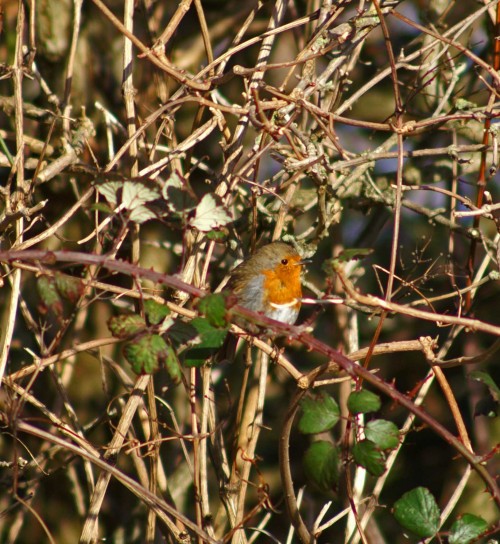
Standing by the car just listening I could pick out the songs of blackbird, robin, wren, blue tit and great tit. It was lovely and made lovelier by the appearance of a robin hunting around the rubbish bin, a very handsome blackbird landing on the ground right next to me, a pair of great tits in a nearby tree, several blue tits seemingly everywhere at once and a pair of magpie up in a tall ash tree.

Blackbird- Turdus merula

Blackbird- Turdus merula

Berries of Iris foetidissima - Stinking Iris

Berries of Iris foetidissima – Stinking Iris

I had clearly arrived at just the right time. As more cars arrived in the car park and people got out with dogs I headed off to walk around the field edge. The blue tits accompanied me, flitting along through the shrubs and trees all the way to the top end of the field. I heard another Wren singing here and stopped and located it, but try as I might, I couldn’t spot the Song Thrush I could also hear singing, his song amplified by the high rock wall.

Early daffodils

Early daffodils

140128TGROS-BE7-Arum leaves are well grown

Arum leaves are well grown

The stone steps

Up the stone steps

A wood pigeon and maybe a jay

Stopped to try to get a better look at the bird to the right of the wood pigeon, hoping it’s a jay

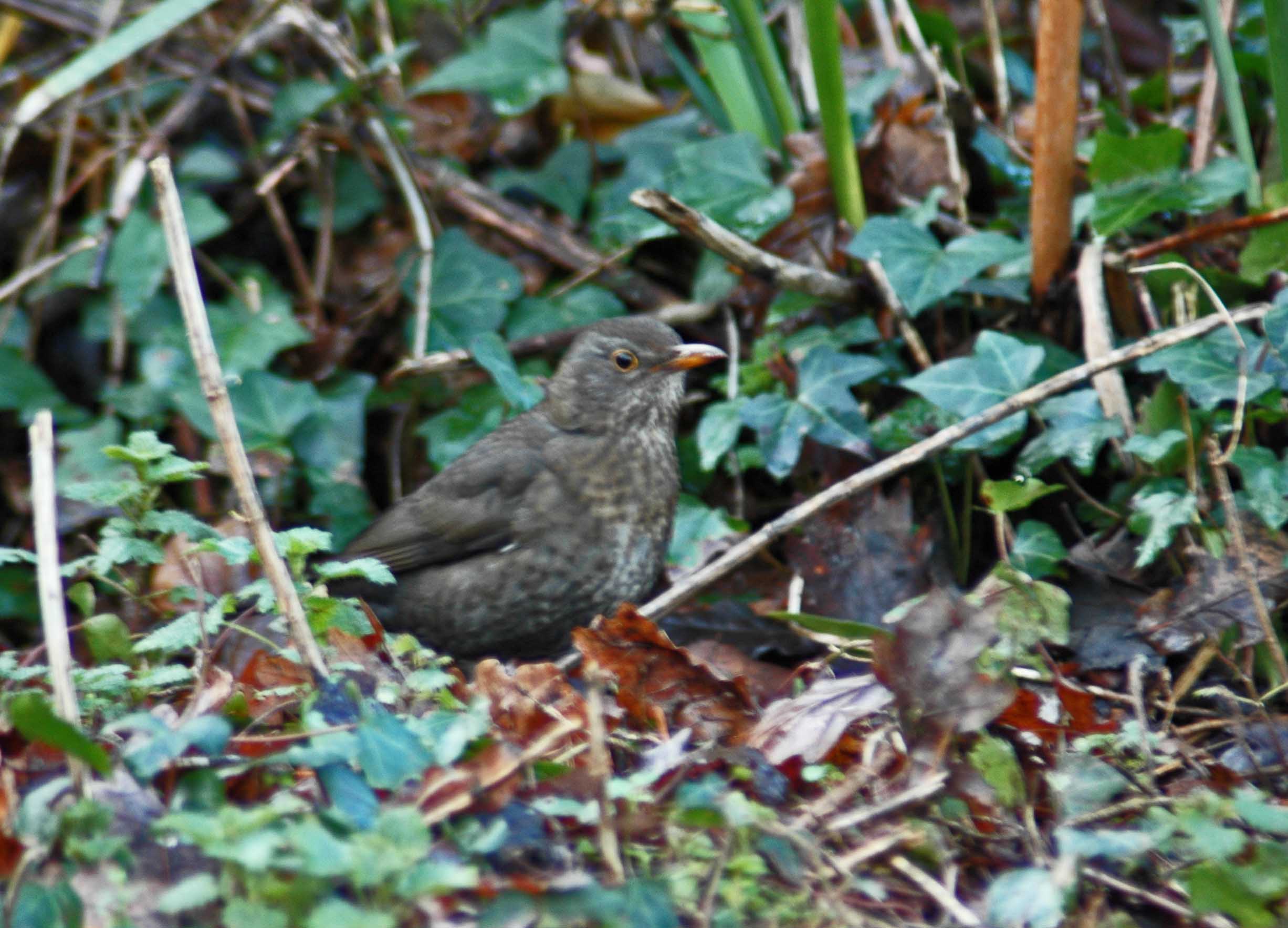
Turned right at the top of the steps, paddled through a big puddle to get through the gate, then stopped for a while to watch a female blackbird rummaging around on the side of the track, hunting for insects. I love watching them pick up leaves and toss them aside to expose anything hiding beneath them, then tilt their heads to have a close-up look.

Female Blackbird rummaging around in dead leaves

Female Blackbird rummaging around in dead leaves

I turned left off the track, stopped to watch chaffinches and blue tits in one of the small oak trees, walked a short way along the edge of the grassy meadow, then turned off again to arrive at the bottom of the steep grass slope of the open heath and headed up to the summit.

Catkins

Catkins

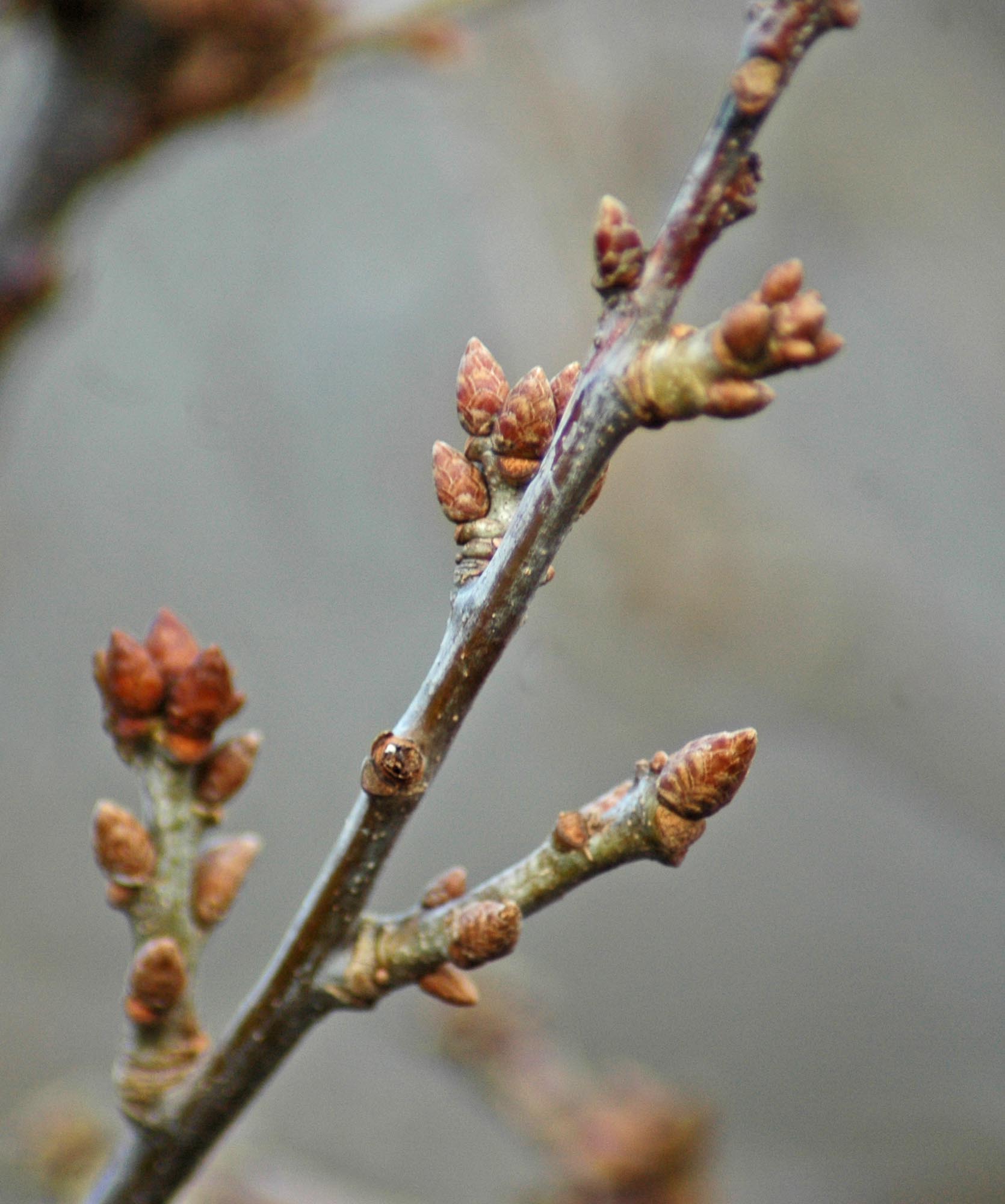
Swelling leaf buds

Swelling leaf buds look like miniature pine cones

As always, well worth the effort for the spectacular views in every direction.

Winter birches

Winter birches front a fantastic view

View from the summit

View from the summit

Looking down on the flooded field where curlew, oystercatchers, redshank may be seen feeding amongst sheep

Looking down on the flooded field where curlew, oystercatchers, redshank may be seen feeding amongst sheep

Rhos Point and the ever-growing array of wind-turbines

Rhos Point and the ever-growing array of wind-turbines

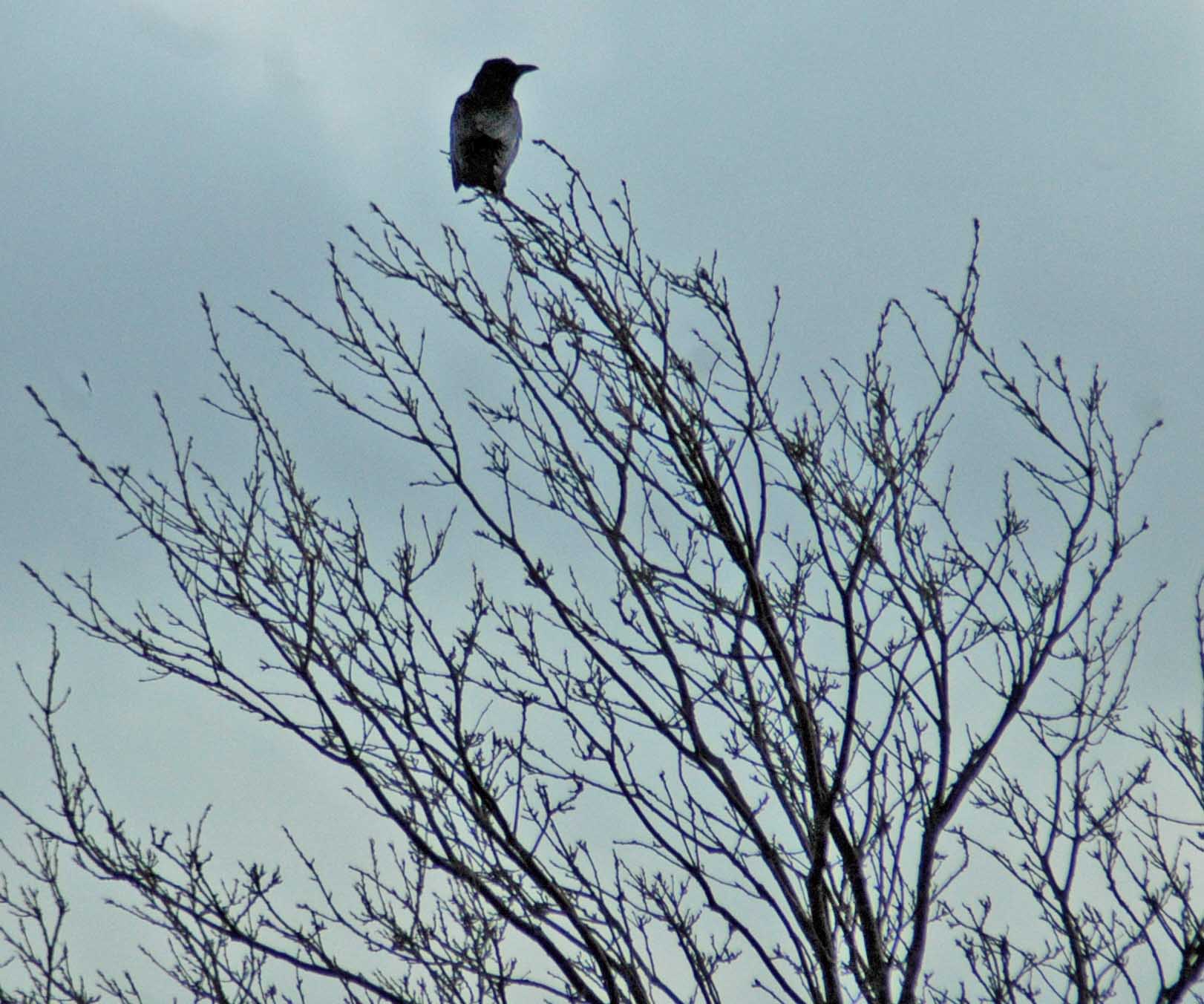
The only company I had up there today was a pair of Crows. It’s such a privilege to have all this

Crow with the highest vantage point possible at the top of a tree near the summit

Crow with the highest vantage point possible – at the top of a tree near the summit

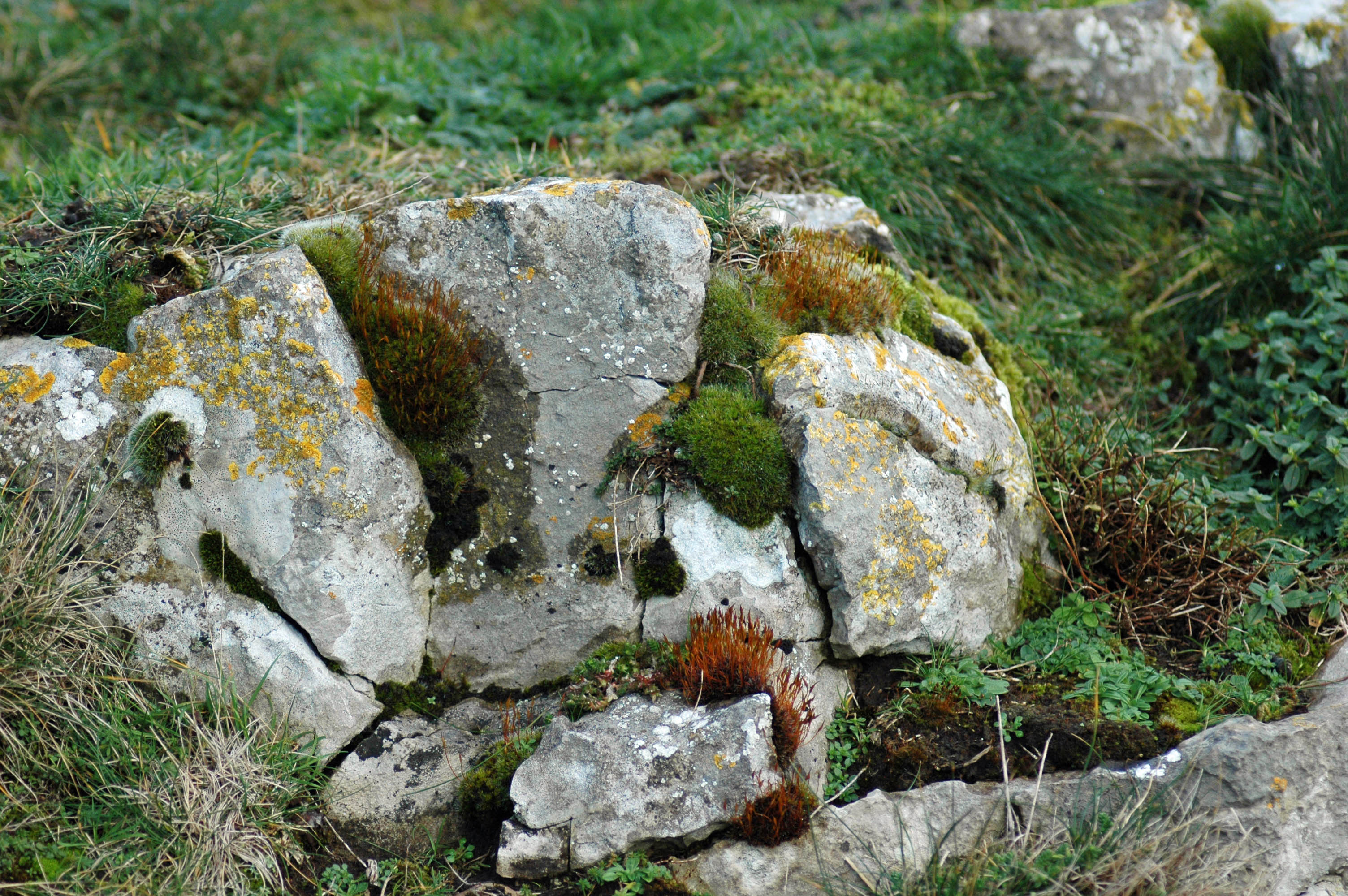
When there are no leaves or wildflowers attention is drawn to the colour and textures of lichens and mosses.

Bright green lichen on elder

Bright green lichen on elder

Tracery of blackthorn hung with small bunches of grey-green lichen

Tracery of blackthorn hung with small bunches of grey-green lichen

Close up of lichen

Close up of lichen

Robin's pincushion

Robin’s pincushion

Rocky outcrop with cushions of moss

Rocky outcrop with a whole variety of lichens and cushions of moss

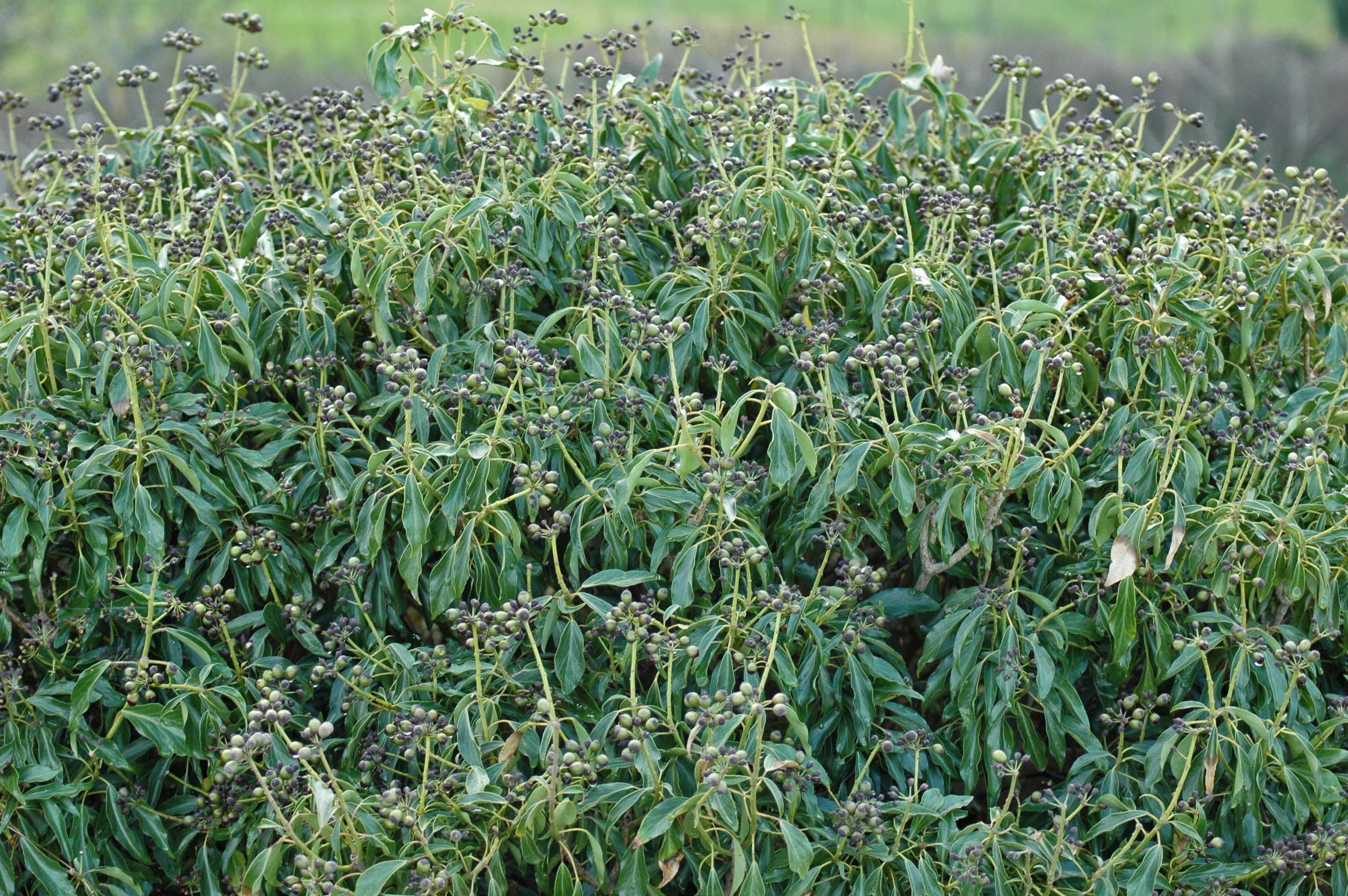
A bountiful crop of ivy berries

A bountiful crop of ivy berries

Going back  down the hill, a flash of bright colour caught my eye and I followed the flight path of what I thought was a male chaffinch until it perched in a small tree. I wasn’t quick enough to focus on it and lowered the camera as it flew away, almost missing the female that replaced it on the same perch. I realised then that these were bullfinch, not chaffinch, a species I haven’t seen here before. I just wish I had been quick enough to get some better images. The one below is just another ‘proof-of-view’! Sorry.
Female bullfinch

Female bullfinch

More lichen

More beautiful lichen

The downhill track was muddy and very slippery so I was more than glad I had the support of my spiky walking pole!

Mossy stones

Mossy stones

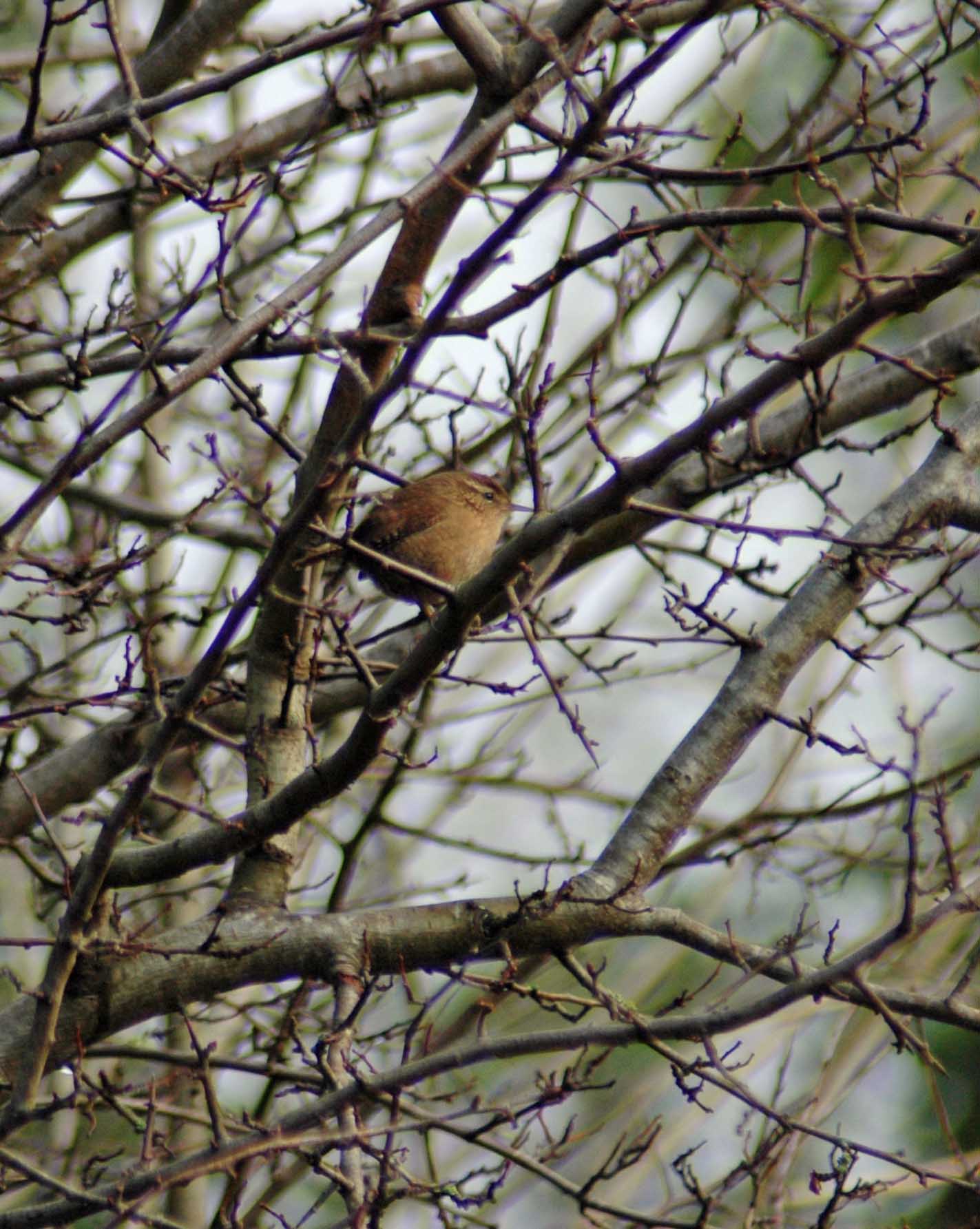
Back in the car park I heard a wren singing again, probably the one I’d heard earlier. I managed to get near enough to see him quite clearly and watch his little performance; a burst of song in one direction, then a spin around and a burst the opposite way, then repeat.

Wren singing in the car park

Wren singing in the car park

Spring is definitely on the way, let’s hope it’s not pushing its luck.

Share this:

  • Share on Facebook (Opens in new window) Facebook
  • Share on Pinterest (Opens in new window) Pinterest
  • Share on X (Opens in new window) X
Like Loading...
Follow everyday nature trails on WordPress.com

Enter your email address to follow this blog and receive notifications of new posts by email.

‘But it is the common species that keep the living world ticking over and provide most of our experiences of wildlife, and I would argue that maintaining the abundance of these is as important a conservation priority as maintaining the existence of rarities’. Richard Mabey

MOST RECENT POSTS

  • A Glimpse of Spring to Come January 22, 2025
  • Hunting the Wren December 28, 2024
  • Oh, Christmas Tree December 18, 2024
  • In and Out of the Ivy February 15, 2024
  • Nature’s Fireworks November 30, 2023
  • Wild Autumn along the Coast Path November 3, 2023

OLDER POSTS

LOOKING FOR SOMETHING IN PARTICULAR?

  • Fine Dining for Crows
    Fine Dining for Crows
  • Shades, Sounds and Scents of the Woods
    Shades, Sounds and Scents of the Woods
  • Following a river to a Fairy Glen
    Following a river to a Fairy Glen
  • The Windhover
    The Windhover
  • Beautiful blooms and some rare treats (1)
    Beautiful blooms and some rare treats (1)
  • May Bee Appearing on Ivy near You
    May Bee Appearing on Ivy near You
  • Wintergreens and Birds in the Woods
    Wintergreens and Birds in the Woods
  • Sights and Sounds from the Little Orme 1
    Sights and Sounds from the Little Orme 1
  • Keeping up with the Herring Gulls
    Keeping up with the Herring Gulls
  • Parakeets in the Ash Tree
    Parakeets in the Ash Tree

nightingale trails

The Walk of the Monarch Butterfly-Sendero de la Mariposa Monarca

The Walk of the Monarch Butterfly-Sendero de la Mariposa Monarca

MY WILDFLOWER BLOG: where the wildflowers are

Snowdrop

Snowdrop

most recent posts

Follow everyday nature trails on WordPress.com

Social

  • View teresamaygreen’s profile on Twitter

Enter your email address to follow this blog and receive notifications of new posts by email.

Website Built with WordPress.com.

  • Subscribe Subscribed
    • everyday nature trails
    • Join 358 other subscribers
    • Already have a WordPress.com account? Log in now.
    • everyday nature trails
    • Subscribe Subscribed
    • Sign up
    • Log in
    • Report this content
    • View site in Reader
    • Manage subscriptions
    • Collapse this bar
 

Loading Comments...
 

    %d