• Home
  • about
  • about the photographs
  • Local Nature Reserves
    • Bryn Euryn Local Nature Reserve
    • Mynydd Marian
  • Wales Coast Path
    • Grey Seals in North Wales
    • St.Trillo’s Chapel
    • Wildflowers of North Wales Coastal Paths, Cliffs and Dunes

everyday nature trails

everyday nature trails

Category Archives: nature photography

Butterfly study: Holly Blue

15 Sunday Apr 2012

Posted by theresagreen in butterflies, Butterflies of Wales, Nature, nature photography

≈ 2 Comments

Tags

celastrina argiolus, holly, holly blue, pale blue butterfly

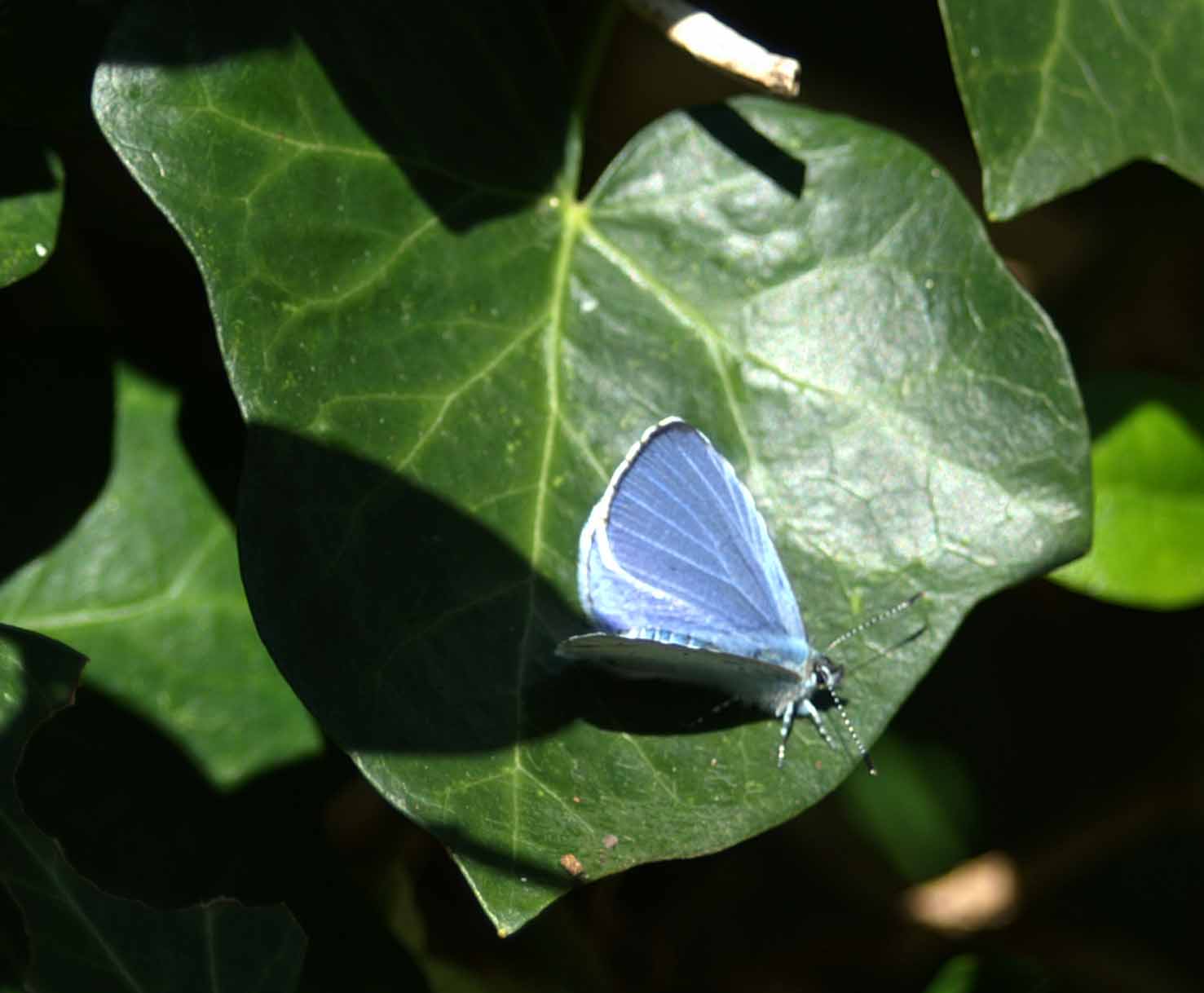
I have mentioned that my first butterfly sighting this year was of a beautiful little Holly Blue skipping along the sunny side of the privet hedge, but at the time I couldn’t catch it being still long enough to photograph. Last weekend though there were more, and from their pristine condition and the fact that they stayed basking in one sunny spot for quite a while I think it is safe to assume that they were very newly emerged.

Holly Blue on an ivy leaf

Holly Blue on an ivy leaf

  • Common name: Holly Blue
  • Latin name : Celastrina argiolus
  • Family group: Blues

The Holly Blue is the earliest of the blue butterflies to emerge in the spring, so for that reason alone is easy to identify. It also tends to fly high    around trees and bushes while other blues are more likely to be found at grass level.

Distribution and status

In Great Britain the Holly Blue is largely confined to England and Wales, although there are very sporadic records from Scotland and Ireland, but its population numbers fluctuate greatly from year to year. Worldwide it is widespread throughout Europe, reaches Japan and is also found in North Africa and North America.

The conservation status of the holly blue is presently of no concern in Britain; population levels are secure and the species’ range is increasing, although it is protected in Ireland. Similarly in Europe the range is rated as stable, with recent expansions in some countries.

Habitat

The Holly Blue occurs in a wide range of habitats, including hedgerows, field margins, woodland rides, gardens, and parks, including those in urban and suburban areas. In England, it often breeds in churchyards, many of which have Holly and Ivy. In Ireland, it is limited mainly to deciduous woods with Holly and, occasionally, country gardens.

Wings are bright blue. Females have black wing edges. Undersides pale blue with small black spots which distinguish them from Common Blue. Antennae & legs are striped with black.

Life-cycle

The lovely little holly blue has a strange but interesting life-cycle. The first generation of the year emerges quite early in spring and the females of this generation will lay their eggs singly, mainly on holly, but also on dogwood, gorse or buckthorn. The green slug-like caterpillars feed nocturnally on the flower buds, developing seeds and berries of the various foodplants, and rarely on the young tender leaves. They habitually sit on the skin of a berry, with their head buried inside it. The caterpillar is easy to find, either by searching directly, or by looking for half eaten berries in which the caterpillar has left a distinctive circular hole. As well as the plain green form of the caterpillar, there are also forms with prominent whitish and purplish markings.

The adults emerge in August and these second-generation females lay their eggs mainly on ivy, which flowers and fruits in the autumn and winter, but also on privet, gorse, heather, rowan and  snowberry. The adults of this generation are the ones we are seeing now. The eggs are almost also laid on bushes growing in sunny and sheltered locations and hatch after about a week.

Adult behaviour

Adult Holly Blues commonly feed on the aphid secretions ( honey dew ) which coats the upper surface of ash and oak leaves, but also sometimes settle on the ground to feed at bird droppings or take moisture from damp paths. Additionally, in spring they nectar at hawthorn, daisies and wood spurge. The second brood nectars on a wider range of plants including bramble, hemp agrimony, fleabane, bell heather, cross-leaved heath, hogweed and burdock.

When feeding they always keep their wings closed, but in the low sunshine of early evening they may settle on bushes to bask, holding their wings partly open.

Relationships with other insects 

In common with most Lycaenids, the larvae are attended by various species of ants, which obtain sugary secretions from a gland on the caterpillar.

The larvae may be parasitised by a host-specific  ichneumon wasp, listrodomus nycthemerus, which is thought to be an important factor in the population fluctuations of the species. In certain years, when climatic conditions favour the wasp, the butterflies can be extremely scarce. However when mild winters are followed by hot summers the wasps emerge out of synchrony with the caterpillars, and consequently in such years the butterflies are far more common.


Share this:

  • Share on Facebook (Opens in new window) Facebook
  • Share on Pinterest (Opens in new window) Pinterest
  • Share on X (Opens in new window) X
Like Loading...

Love your weeds – Red Deadnettle

15 Sunday Apr 2012

Posted by theresagreen in garden wildlife, nature photography

≈ 2 Comments

Tags

bee nettle, Bee-fly, Bombylius major, dead nettle, garden weeds, identify garden weeds, lamium purpureum, medicinal uses of red deadnettle, purple deadnettle, red deadnettle, wildflowers and insects

Red deadnettle-lamium purpureum

Red Deadnettle, Purple Deadnettle, Archangel, Bee Nettle (Lamium purpureum) is a herbaceous flowering plant.  A member of the Mint Family, the plant accordingly has the characteristic four-sided square stem and the crushed leaves a sharp, pungent scent. The plant  is a short-lived annual, but seeds can germinate at any time of the year, including during spells of mild weather in winter.

Red dead nettle - Lamium purpureum

A short, spreading  plant that usually reaches  from 5cm  to 20cms tall, very occasionally to 30cms, that produces several square, upright stems and opposite leaves. The lowest leaves are very small with long stalks; higher leaves are larger, held on short stalks and become heart-shaped with wavy to serrated margins. Stems and leaves are often flushed with purple.

The flowers are bright red-purple and arranged in whorls often up to ten individuals around the axis of  the stem. Each flower has a top hood-like petal, two lower lip petal lobes and minute fang-like lobes between.

Habitat and status

Found growing on cultivated land, including gardens, roadsides and waste ground, Red Deadnettle is generally considered to be a weed, as it is an undesired and uncultivated plant. A true native of the Mediterranean basin, comprising Europe, North Africa and Western Asia, it is likely that its introduction into Britain coincided with that of early agriculture; evidence of red dead-nettle has been found in Bronze Age deposits. It is likely to have been similarly introduced to North America, where the plant is regarded as an invasive weed.

Importance to insects

A bee-fly taking nectar from red-dead nettle

The early production of  flowers allows bees to gather its nectar for food when few other nectar sources are available. It is also a prominent source of pollen for bees in March/April when the insects need the pollen as protein to build up their nests.

The name

Although the plant is superficially similar to a stinging nettle in appearance, it is not related and does not sting, hence the name “deadnettle”.

The plant commonly flowers in April and the alternative name ‘Archangel’ refers to this traditional first appearance. May 8th is dedicated to the Archangel Michel, which historically was 11 days earlier on April 27, prior to the Gregorian calendar change of 1582 (which took until 1752 to change in Great Britain).

Scientific Name: Lamium purpureum – The generic name is from the Greek lamia which means ‘devouring monster’ in reference to the galeate, or helmet shape of the flower which has the general appearance of open jaws. An alternative etymology is that Lamium is derived from the Greek lamios, meaning ‘thread’; the corolla of the flower is “threaded” through the lips. The species name is from purpureus, the Latin word for purple.

Traditional medicinal uses of Red Dead Nettle

The whole plant is astringent, diaphoretic, diuretic, purgative and styptic.

The dried leaves have been used as a poultice to stem hemorrhaging whilst the fresh bruised leaves can be applied to external cuts and wounds. The leaves may also be made into a tea and drunk to promote perspiration and discharge from the kidneys in the treatment of chills.

Share this:

  • Share on Facebook (Opens in new window) Facebook
  • Share on Pinterest (Opens in new window) Pinterest
  • Share on X (Opens in new window) X
Like Loading...

Fairy Glen Friday

07 Saturday Apr 2012

Posted by theresagreen in Local Nature Reserves, Nature, nature of woodlands, nature photography, woodland birds

≈ 2 Comments

Tags

bluebell, chaffinch, Fairy Glen, grey wagtail, long-tailed tit, nesting birds, ramsons, river Colwyn, spring flowers, woodland flowers, woodland walk

Friday seems to have become my day for a walk around the Local Nature Reserve of Fairy Glen, Old Colwyn. It is just a short walk from my current workplace, the busy post office, and very handy for an hour of fresh air and a chance to catch up with the progress of the season. The following pictures are those I took on the last Friday of March in less than an hour.

Bluebells are beginning to open

The wild garlic, or ramsons, is also showing one or two blooms

The horse chestnut leaves have grown significantly since last Friday and there are already flower buds appearing

It was quite a dull, cool day compared with last Friday and shady in the woodland. I didn’t have very long to linger, so I headed straight for the sycamore tree where the nuthatch and  blue tit pairs are nesting. I was hoping to get some better views of a nuthatch, but although I could hear the male’s distinctive calling from close by and followed his movements through the trees, he stayed away from the actual nest site. However, the blue tits were working hard furnishing the nest box and I had some lovely views of them both with beaks stuffed with moss.

The blue tit was waiting to carry material into the nest box

I carried on along the path, watching out for great tits, a species that I have heard calling and singing and seen here, but that continues to elude my camera. There was a pair flitting about in the trees and shrubbery close to the path, but they don’t stay still or visible for long. I did manage to get a quick shot of the male which is not great but included for the record.

The male great tit has a much broader black breast stripe than the female

Following after the great tits I stepped off the path a short way and caught a glimpse of bird in a tangle of brambles that turned out to be a male blackcap, yet another species to add to the list for this small area of woodland. He disappeared very quickly and quietly, but then I realised there was another bird in there too, a single long-tailed tit. As I stood watching it emerged from its cover and spent quite a few minutes foraging around the twiggy branches of a nearby small tree, allowing me some lovely close views.

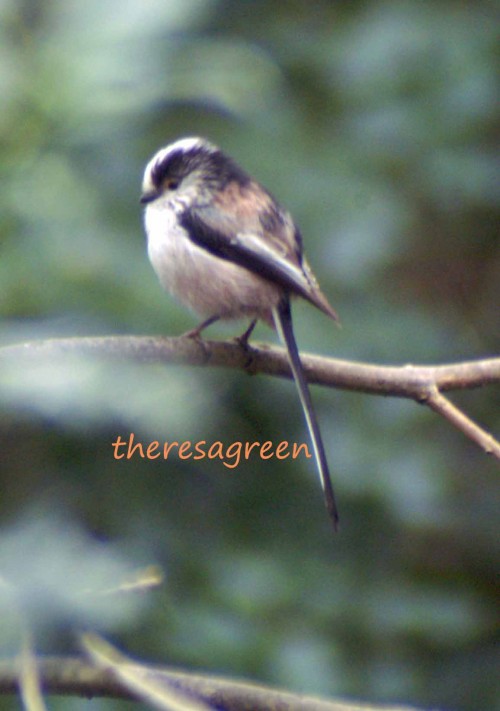
Long-tailed tit, front view

Long-tailed tit from the back

A privileged view of a lovely bird. Long-tailed Tit – Aegithalos cordatus

The recent dry and warm weather has been a treat, but the effect of lack of rainfall is very evident in the current shallowness of the river. I wandered along the path,  lost in contemplation about water levels and was taken completely by surprise when, rounding a bend I spotted a pair of grey wagtails hunting in the shallow water. I have  no idea if this was the same pair that I have seen lower downstream, although I suspect it may be. I watched them flitting gracefully over the water, balancing on small rocks and darting out to chase flies, flashing their yellow underparts as they lived up to their name, wagging their long tails. A man and a dog finally disturbed them and they flew up into  nearby trees before heading back downstream.

Male grey wagtail showing a small amount of black around the throat area

Where the kingcups are  growing there is now also a large clump of  yellow flowered arum. This is an exotic plant of South African origin, but clearly flourishing in the boggy ground of this part of the riverbank.

An arum with large leaves and a yellow sheath; this is Lysichiton americanus

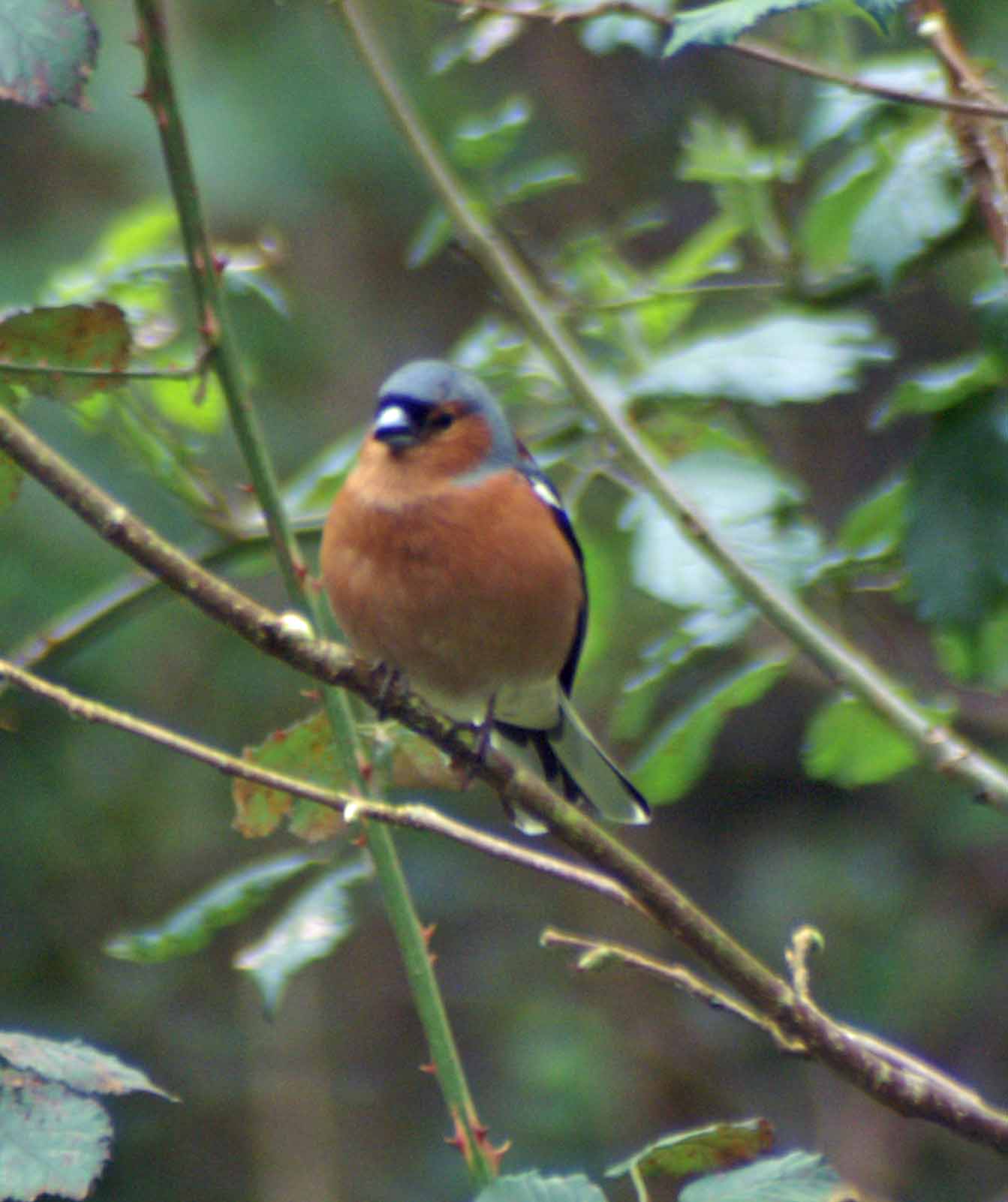
Close by I watched a male chaffinch hunting around an area of shallow water that then flew up into some twiggy shrubbery overhanging the water. He was gorgeous, plump and healthy and with a shiny beak and strong vibrant colours.

A colourful male chaffinch that was foraging on the riverbank before flying up onto a low shrub

The vibrantly coloured chaffinch from the front. Chaffinch – fringilla coelebs; the ‘coelebs’ translates as ‘bachelor bird’.

Further along the path I stopped to watch a subduedly plumaged female chaffinch searching the ground for nesting material. She picked up what I think may be strands of dog hair; holding them in her beak she flew up to a tree branch away from me.

The female Chaffinch is much more subtle in her appearance

Share this:

  • Share on Facebook (Opens in new window) Facebook
  • Share on Pinterest (Opens in new window) Pinterest
  • Share on X (Opens in new window) X
Like Loading...

Fair weather gardening

02 Monday Apr 2012

Posted by theresagreen in garden wildlife, Insects, Nature, nature photography

≈ 9 Comments

Tags

Bee-fly, Drone fly, herring gull, house sparrow, starling, wood pigeon

There are times when life takes precedence over blogging and I’m lagging behind a little with my postings as a result, only by a week or so, but at this time of year when nature is pressing on apace, an awful lot can happen in a very short time, so I’m trying to catch up.

The hot weekend of 25-26th March brought the incentive I needed to finally get out and cut the grass for the first time this year before its height exceeded the capabilities of my daughter’s little Flymo. My antics attracted the curiosity of  a few of the neighbours, who peered down from their penthouses to see what the racket was about.

An imperious stare from the beady yellow eye of one of 'our' herring gull pair

A wood Pigeon chose an aerial view of proceedings and seemed quite surprised by them

The starling was more preoccupied with posing

The starling, recognisable as a male by the blue base to his bill, looked so gorgeous I am putting in another shot of him.

He was whistling and singing, hence the fluffed out throat feathers

“I’m only a poor little sparrow, no colourful feathers have I, I can’t even sing when I’m nesting in spring……”

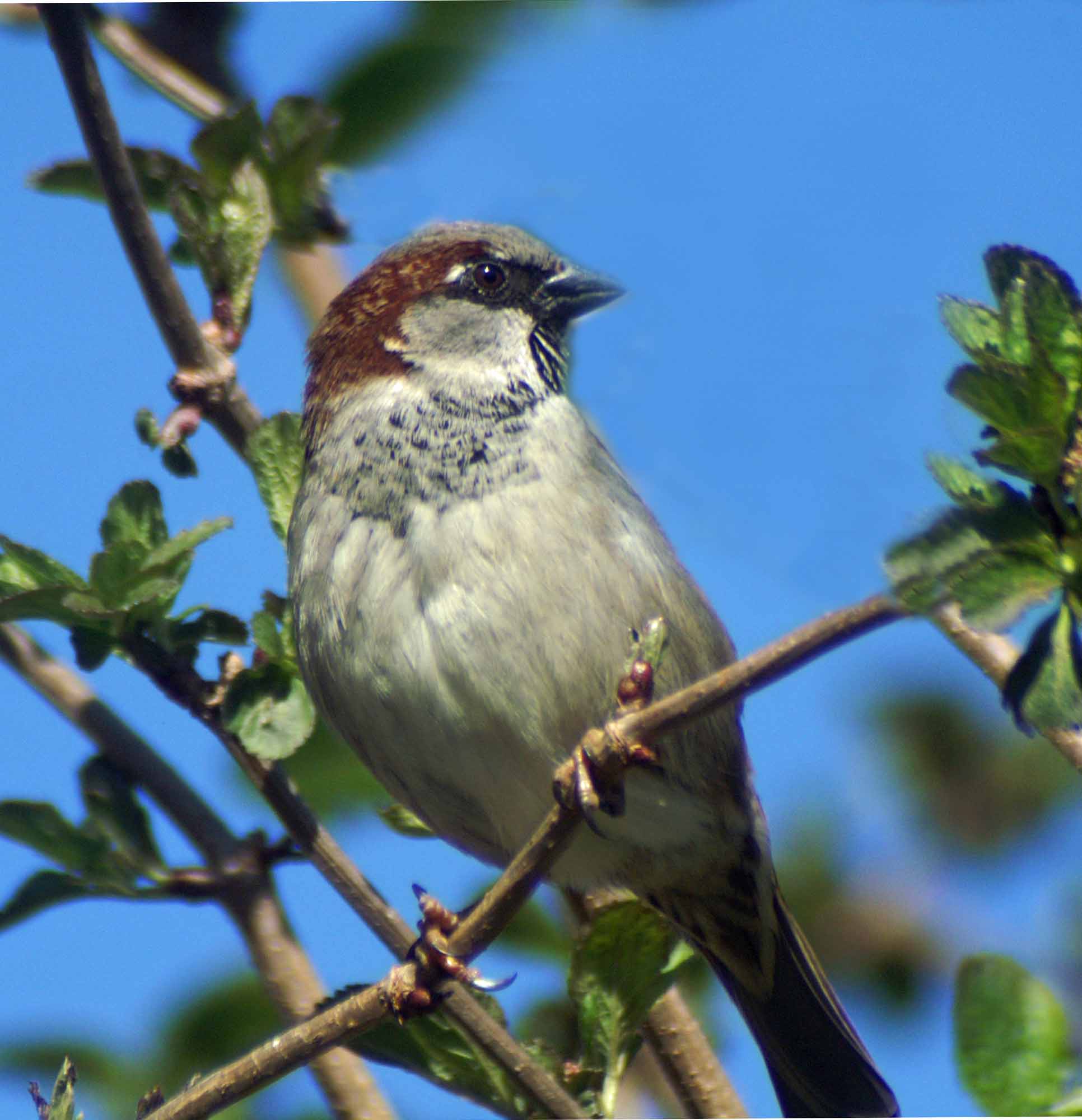
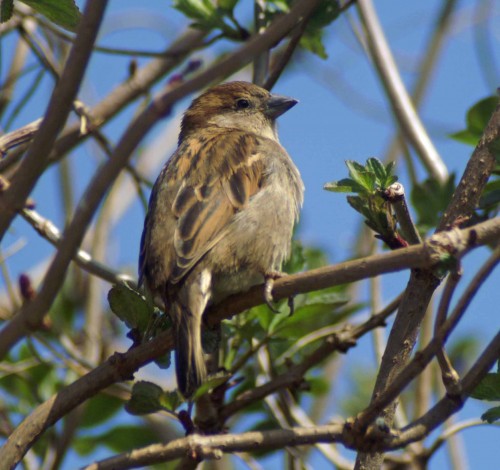
The garden hedges were bursting with House Sparrows, and I can see that at least two pairs are beginning to nest within the spiny pyracantha; more are occupying a space they have found high up in the eaves of the house at the front. Their constant cheerful cheepings and chatterings ensure I am aware of their companionship. They may not be colourful, nor can they sing, but I love them.

The male House Sparrows are all bright eyed and in their mating best plumage now

They may be brown, but how can you not appreciate the subtlety and detailed patterning of a female Sparrow's wing?

A weed is just a flower out of place

I’ve never been a fan of closely mown and weed-free lawns, partly because I never had the time or the inclination to spend hours on nurturing such a sward, but mainly because I could never bring myself to mow down daisies and would always leave little archipelagos of them strung throughout mine. I have a slightly different attitude to dandelions; whilst I do appreciate their golden beauty, they go to seed so rapidly and spread like wildfire so although I will leave a few, the majority do have to go. They are a very important source of nectar for early pollen and nectar foraging insects though, so I’m not too hasty to give them the chop.

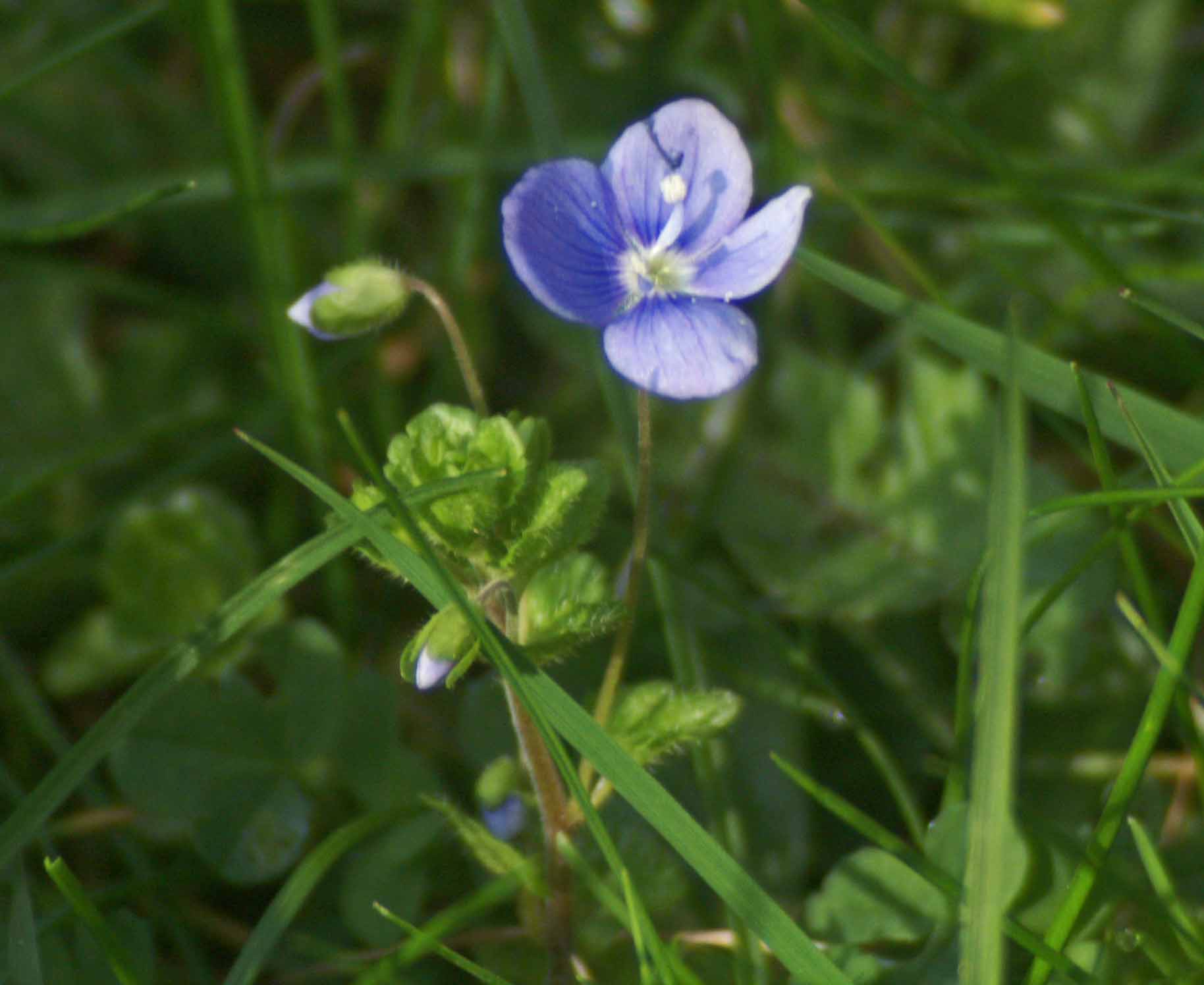
Dainty blue speedwell is another wild flower I hate to cut down. They don't take up much space and are so pretty.

Hoverfly on lesser celandine

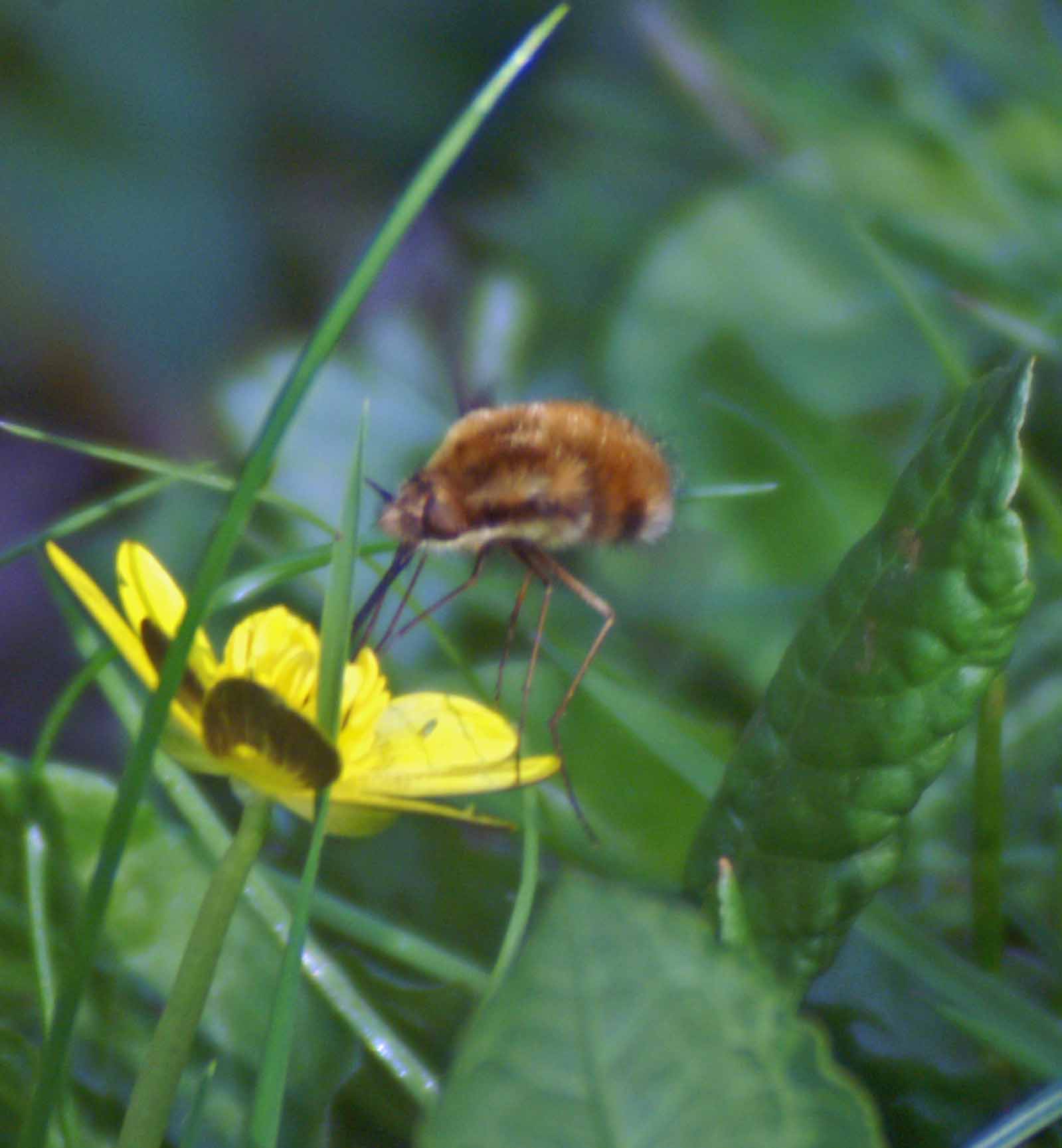
There are a couple of patches of lesser celandine in the lawn in this little garden that I am loathe to cut , even though I know they are just going to continue to grow and spread and probably get out of hand, but whilst I’m care-taking here they’ll stay. I was gratified to see a small hoverfly on a flower and delighted by a visit from one of my all-time favourite insects, a crazily-constructed bee-fly.

A favourite insect of mine, the bee-fly has a permanently projected long proboscis and ridiculously long legs to balance it

Bee-fly – Bombylius major

A very distinctive fly, a bee-mimic, these fascinating insects are most frequently seen in the early spring, from April to June when they may attract attention as they hover for several seconds at a time in the same spot, either over bare ground or over a  flower then dart off and return to the spot facing in a different direction.  Their hovering may be accompanied by a high-pitched buzz.

The body is rounded and furry,  the legs appear disproportionately long and spindly, but are probably required to balance the long rigid proboscis which is permanently fixed on the front of the head. Their boldly patterned wings have a distinct dividing border through the horizontal middle between the dark and clear portions. Their antennae are typically very short and pointed. The bee-fly’s behaviour belies its cute appearance though. The adult female lays her eggs close to the underground nest of a solitary bee 0r wasps, then flicks them towards the entrance. After hatching, the bee-fly larvae find their way into the nests to feed on the nest owner’s larvae.

A bee-fly resting on the ground showing better the patterned wings

There were lots of drone  flies about and a lesser number of smaller species hoverflies. Surprisingly my first butterfly sighting of this year was a little Holly Blue, followed a while later by the species I had expected to see first, a Speckled Wood. Neither obliged by resting for long enough for me to photograph and it feels like cheating to use ‘one I made earlier’, so I’ll have to wait.

Drone-fly-eristalis pertinax

An early marmalade fly

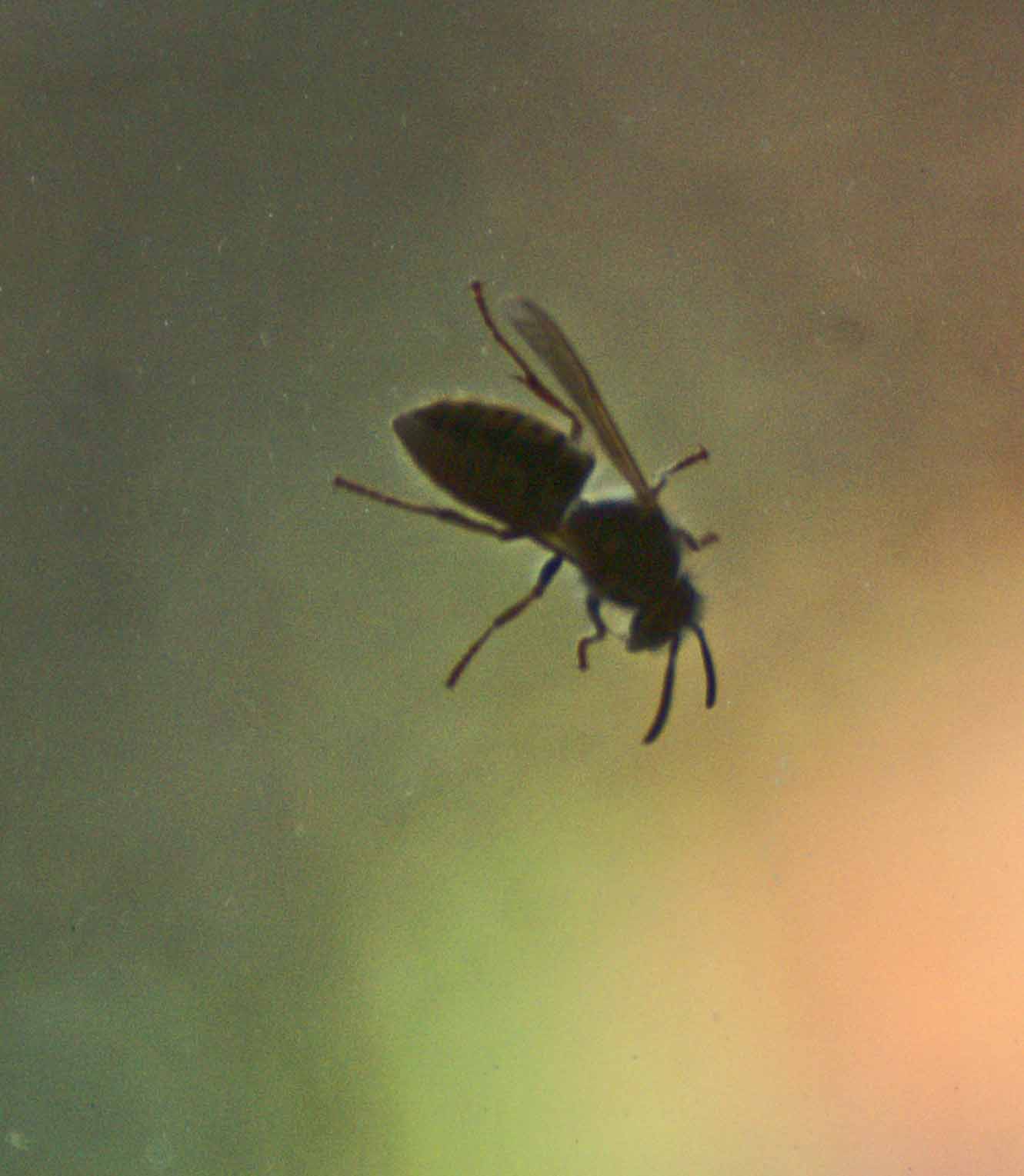
Inside the house, a large queen wasp had become trapped against the kitchen window: I had watched it earlier  flying back and forth along the bottom of the hedge. After taking the photograph I let it out. Must clean that window.

Wasp trapped on the inside of the kitchen window

On the living room window a pair of flies were mating - underside view

The upperside view of the flies on the outside of the window. Difference in size between the sexes is appreciable, the male considerably smaller.

Share this:

  • Share on Facebook (Opens in new window) Facebook
  • Share on Pinterest (Opens in new window) Pinterest
  • Share on X (Opens in new window) X
Like Loading...

Lunchtime nature ramblings

25 Sunday Mar 2012

Posted by theresagreen in Local Nature Reserves, Nature, nature photography, wildflowers

≈ 1 Comment

Tags

Fairy Glen, grey wagtail, long-tailed tit, marsh marigold, nesting birds, Nuthatch, nuthatch nest, primrose, spring flowers, wood anemone

I first spotted two  Grey Wagtail one morning last week when they flew across the road in front of me as I was driving to work. They landed somewhere close to the water of the river close to the footbridge that crosses into the little woodland area called Min-y-Don, near the promenade at Old Colwyn. I looked out for them each time I passed since then, but with no luck until this Thursday when I walked there to look for spring flowers. Both birds must have been down close to the water as they flew up to a nearby shrub as I approached, taking me by surprise. I was pleased to see them but thought I had missed an opportunity to photograph them, but then luckily one returned to resume their hunt for food.
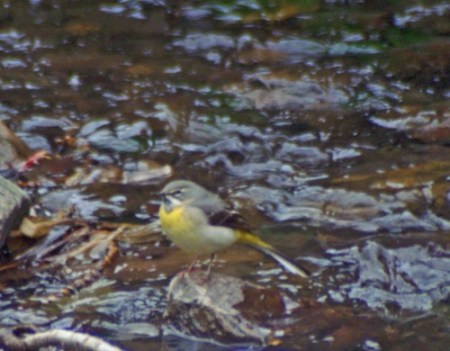
Grey Wagtail-Motacilla cinerea

The grey wagtail is similar in size, shape and to some extent, behaviour, to the pied, or white wagtail, but has an appreciably longer tail. They are very attractive little birds with upperparts that are always blue-grey and a greenish-yellow rump contrasting with whitish underparts makes it distinctive. The breeding male is a brighter yellow than the female and has a black throat that is edged by whitish moustachial stripes. I had assumed the birds were a pair and thought the one I was watching was a female, but looking at my photographs there are definite moustachial stripes and  the throat area looks quite dark: not black though.

Watching the water closely for prey; the birds feed on a variety of aquatic invertebrates including adult flies, mayflies, beetles, crustacea and molluscs.

The grey wagtail’s breeding season is April to July and the nest is placed near fast running streams or rivers, naturally on an embankment between stones and roots or opportunistically on convenient man-made structures such as walls or bridges.
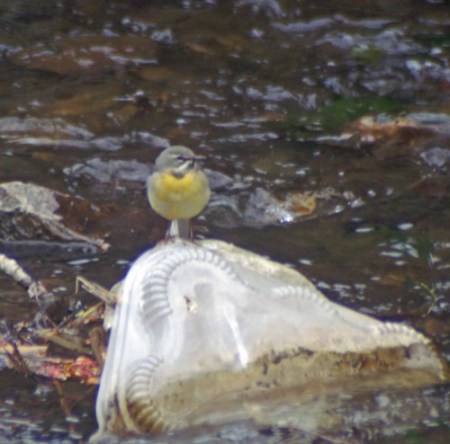
A front view of the bird perched atop an indeterminate piece of plastic

Woodpecker carved into the side of a dead tree trunk

The woodland is at the bottom end of the Old Colwyn Nature and Historical Trail and forms part of  the North Wales Coastal Path.  It continues up into Tan y Coed Gardens, described as ‘ a very pleasant public open space on a sloping site, consisting of deciduous and coniferous trees, lawns and a network of paths. The park extends for most of the eastern side of the valley from behind the property on Abergele Road to near the promenade’. Tan y Coed garden is regarded as a valuable part of the conservation area which it is vital to sustain. The gardens themselves have been recognized as an important habitat that holds a great deal of wildlife and are recognized for their biodiversity.’ Much of the garden space has been left in a natural state and I found the wildflowers I was hoping  for growing on the banks beneath the trees.

Primrose-primula vulgaris

The harbinger of spring, creamy yellow primroses are amongst the earliest and best-loved wildflowers, flowering well before the trees come into leaf.  The name “Primrose” is originally from  Old French primerose or Latin  prima rosa, meaning “first rose”. 

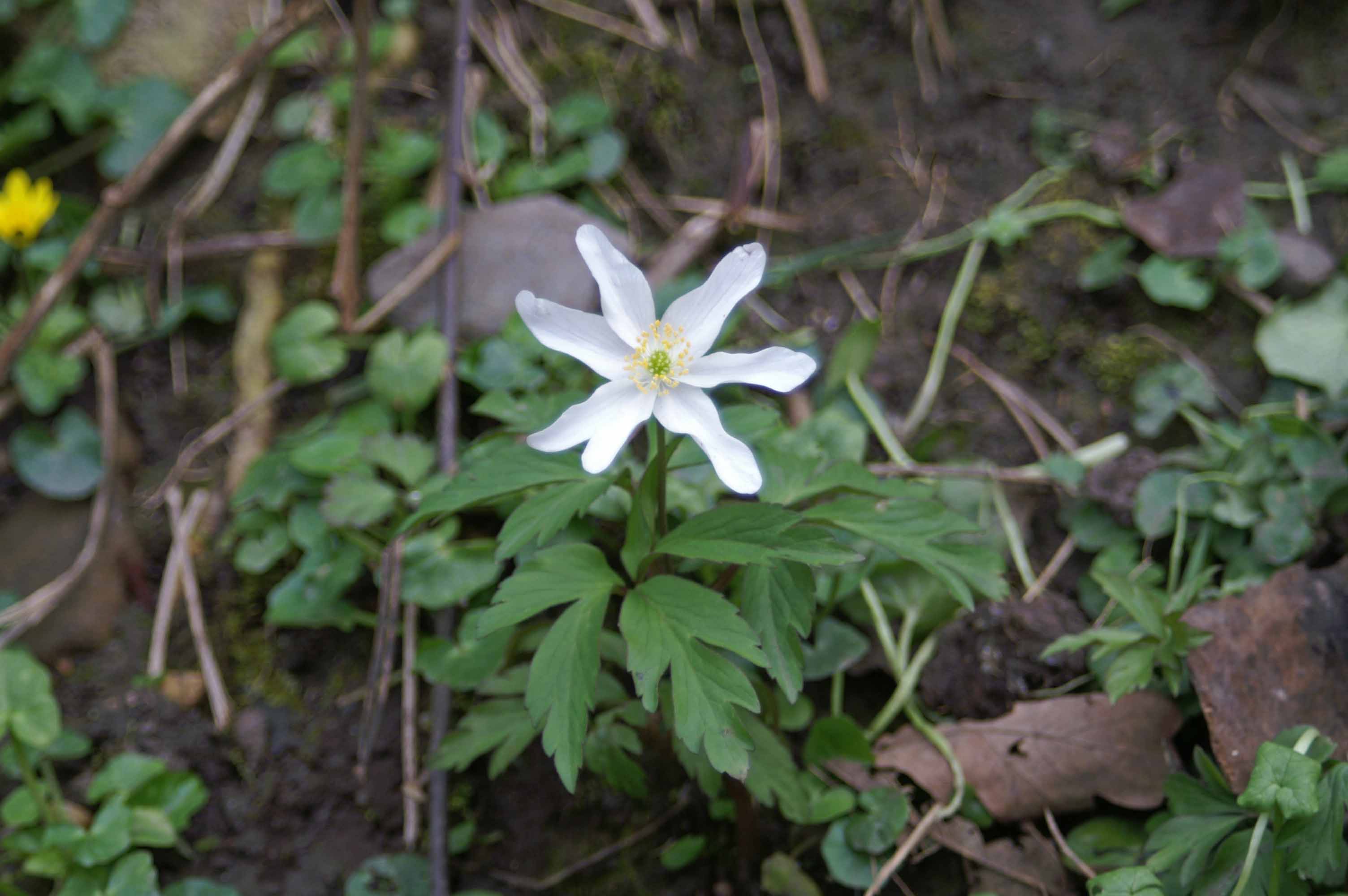
Wood anemone-Anemone nemorosa. The presence of these beautiful wildflowers is often an indicator of an old woodland

Usually appearing slightly after the primrose, the sight of the bright starry flowers of the wood anemone on a sunny spring day leaves you in no doubt that spring is truly here. However, on a dull or wet day they seem  to disappear as the flowers remain closed and hang their heads, protecting their delicate and precious pollen from rain. When the sun shines again, stems straighten and the flowers are held aloft, fully open, their faces following the sun’s course across the sky.
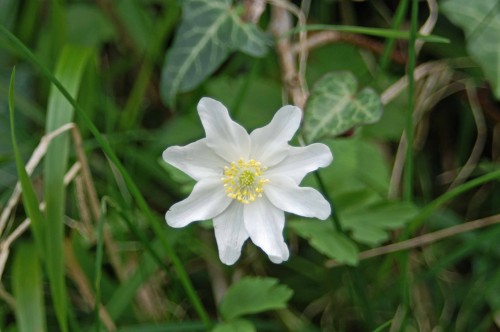
Wood anemone's are also evocatively known as 'windflowers'.

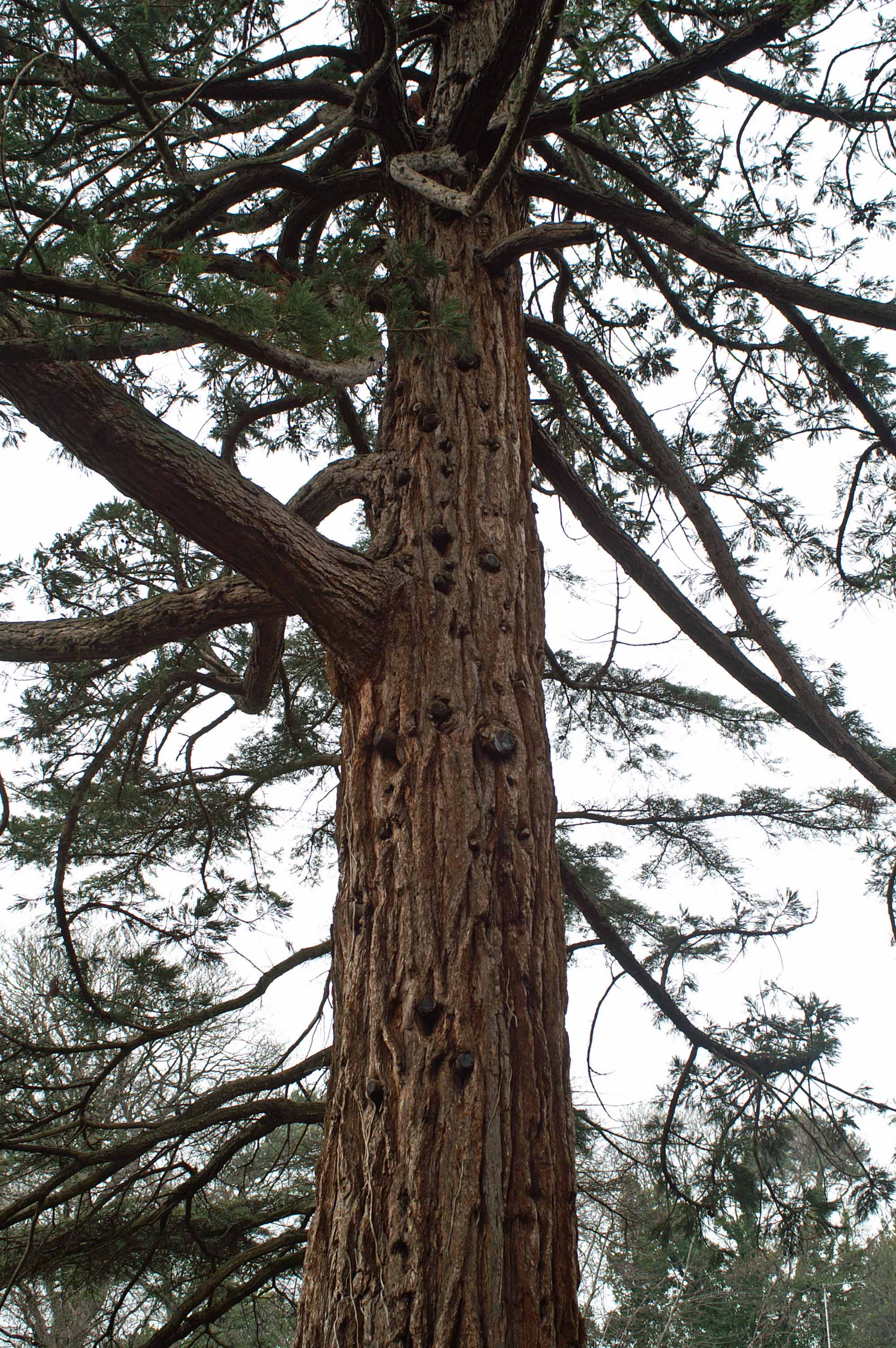
This old pine tree is magnificent, very straight and tall and has the most amazing bark

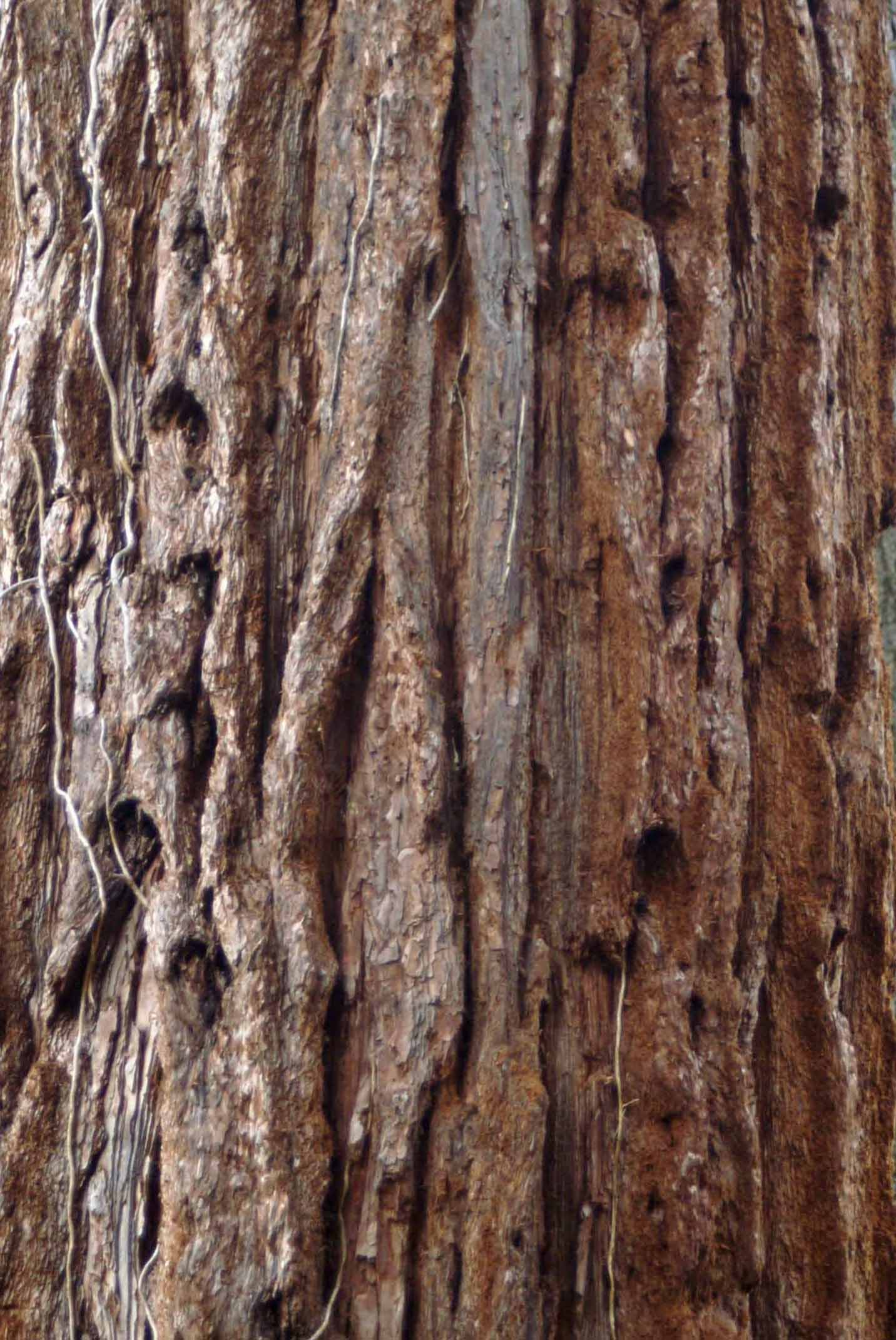
The amazingly deeply textured bark of the pine tree

A snippet of local history

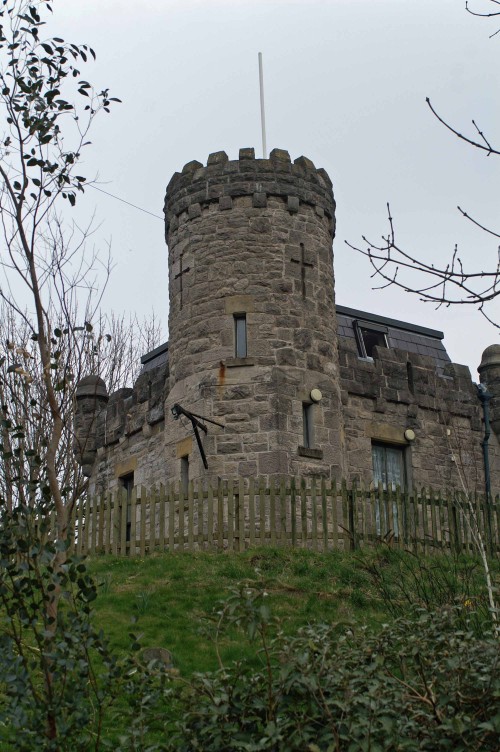
The Folly

At the top of the hill, at the Cliff Road access to the gardens, is an intriguing small castle-like building known locally as ‘The Folly”. It was built by Sir Charles Woodall, a Manchester shipping magnate who lived in the now demolished Tan-y-Coed mansion. It appears that Sir Charles had it built as a retreat so he could indulge his pipe-smoking habit which his wife wouldn’t allow him to do  at home. The tower has been restored in recent years, but remains unoccupied.

On Friday, after a morning  spent catching glimpses of the sunshine through the window, I just had to escape for a while at lunchtime and headed for the nearby Fairy Glen.
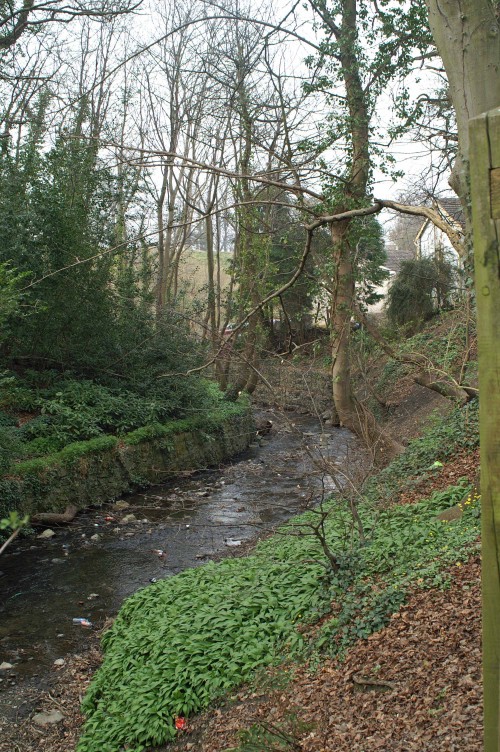
The River Colwyn flowing through Fairy Glen, Old Colwyn

The sound of the river and the birds singing were an instant tonic, and the sight of masses of golden yellow celandines interspersed here and there with blue violets  was a delight to the eyes.

Masses of celandines beneath the trees
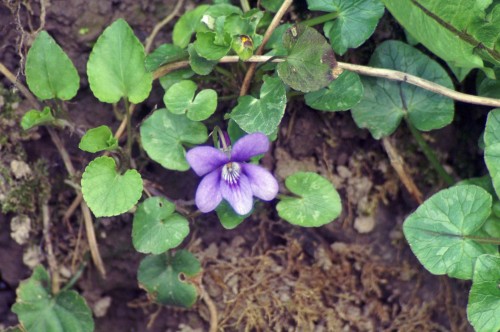
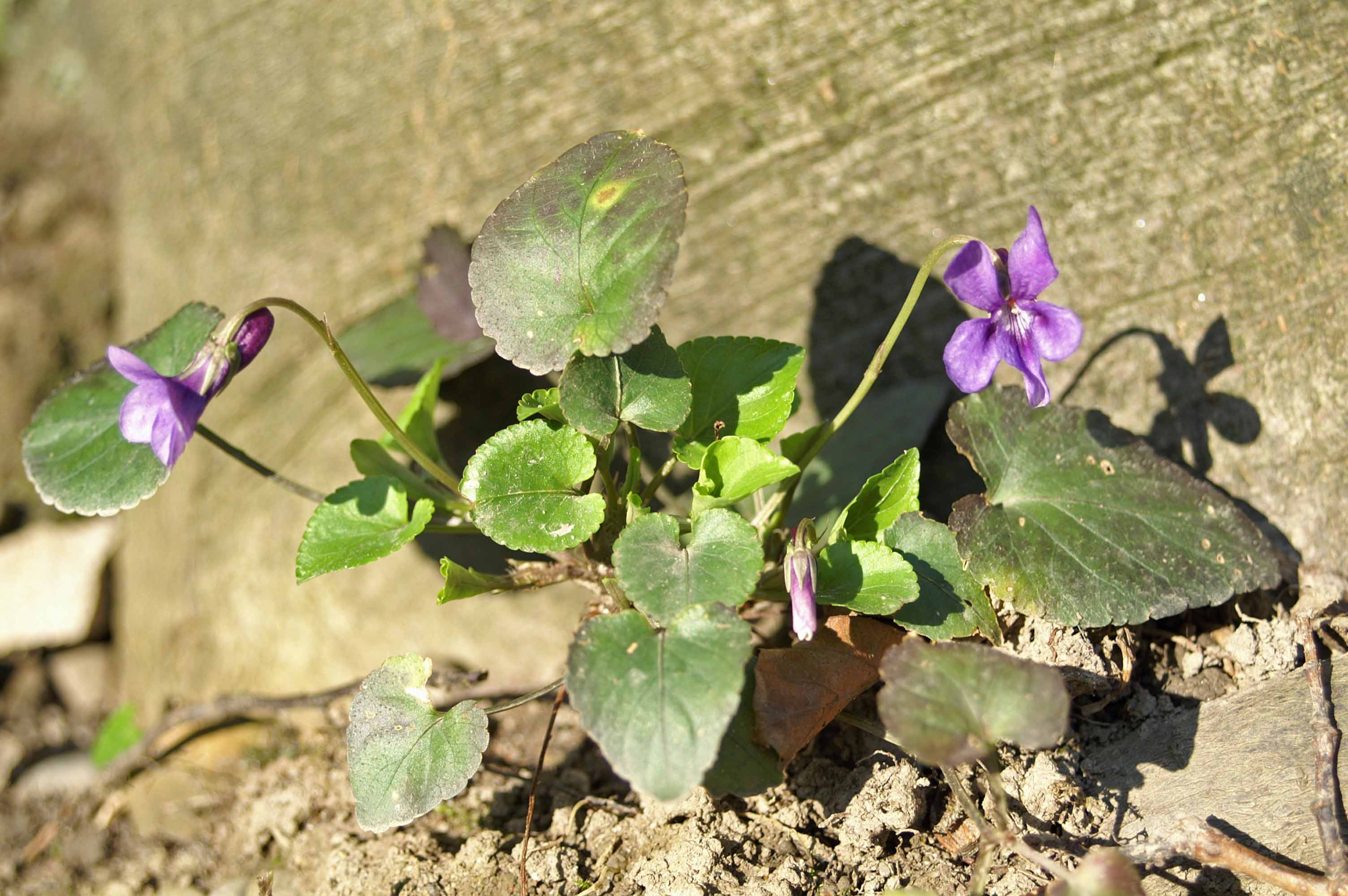
Common Dog Violet - viola riviniana
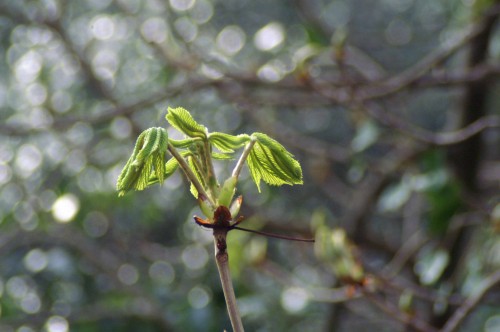
Sycamore leaves unfolding

There were birds singing all around me, but none that I could really see properly until I just caught a glimpse of movement and a flash of black and white     from a tangle of shrubbery. It was not till a bird emerged and flew up into a tree that I realised it had been the tail end of a long-tailed tit that I had seen. There were at least two flitting about, but this was the best view I had; a very brief one, and the photograph was almost good – it really shows the length of the tail shame it was looking away from me.
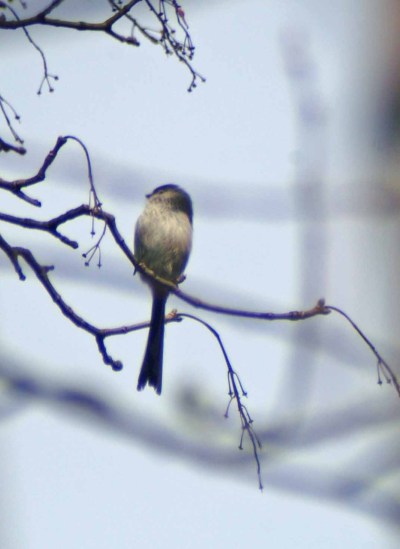
Long-tailed Tit- Aegithalos caudatus

As always I was thrilled to catch sight of the delightful little birds and to add another species to my list of birds seen in this small local nature reserve. Whilst watching the long-tailed tits I was half aware of another bird calling; it was a call I recognised but could not place until I traced it back to a bird quite high in a tree almost next to me – a nuthatch.
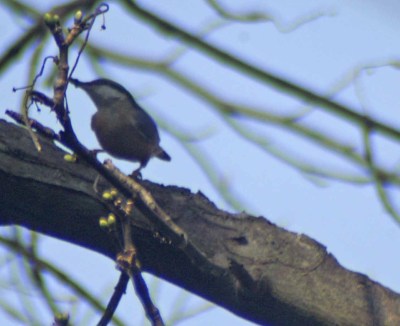
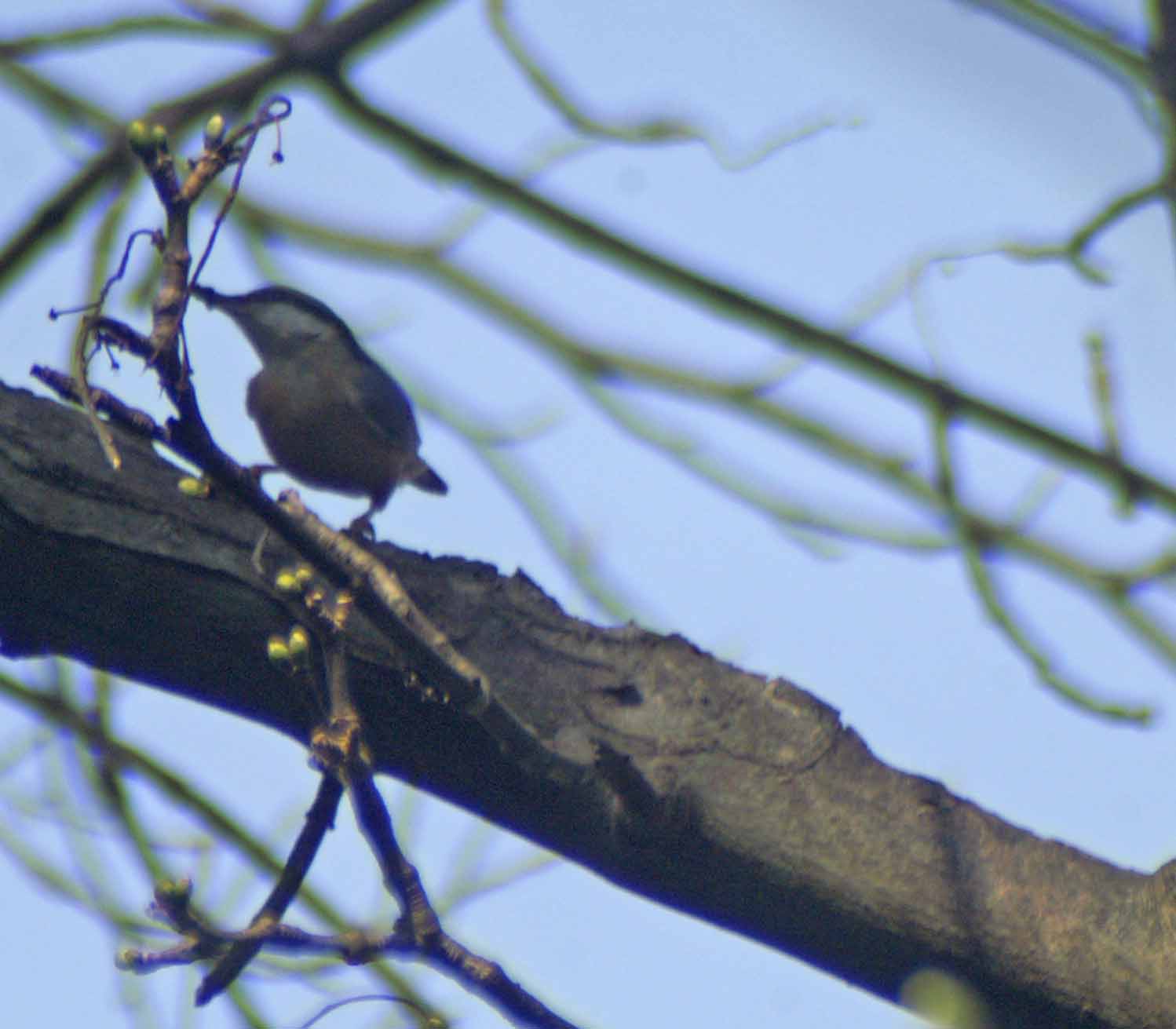
Nuthatch - Sitta europaea, with something in its beak, possibly mud

I was even happier now, with two new species for my list and things just got better; there were two nuthatch there and it quickly became apparent that they were in the process of working on a nest hole. This was located on a kind of ‘elbow’ of a branch high up on a very tall tree, a sycamore I think, and well covered with ivy. Both birds were working away in turn and occasionally small pellets of material fell to the path beneath them.

One of the nuthatch pair at the nest hole
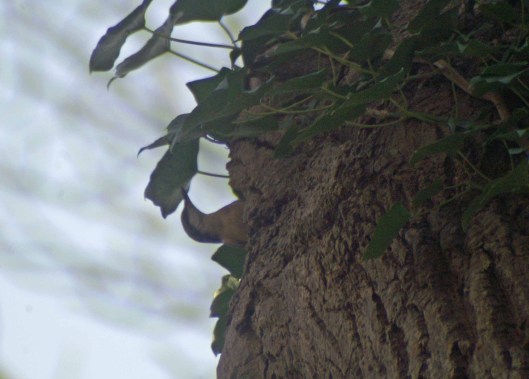
Very acrobatic birds, this one is working upside down

The nest hole of a nuthatch is beautifully crafted. Firstly they select a suitable hole in a tree, usually near to a source of water. The hole is then excavated and cleaned out and lined with dry grass, leaves etc. When the interior work is finished the birds then fetch mud which they mould around the entrance hole until it is the perfect size and shape for them to pass through. The best views of this process I have had were in Southern Spain on a gonhs* member’s outing to a part of the Alcornocales Natural Park known as el Picacho (March 2007).

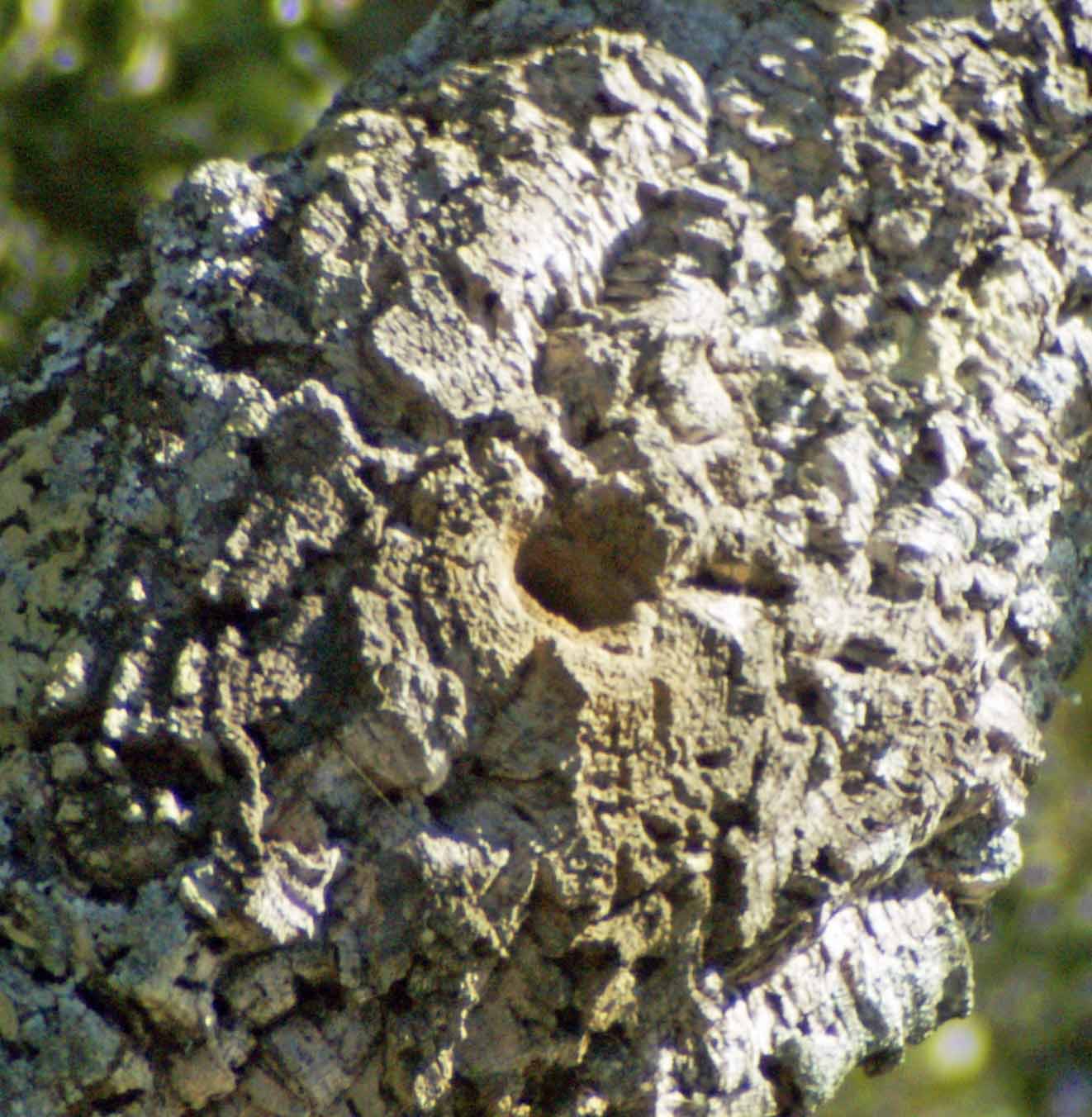
A newly-completed nuthatch nest hole in a cork oak tree, with mud in the process of drying

We watched a pair of nuthatch finishing off their construction with mud from the nearby lagoon, went off on our walk then stopped for another look on our return a few hours later. The job was clearly completed to the satisfaction of the female as now she allowed the male to mate with her.

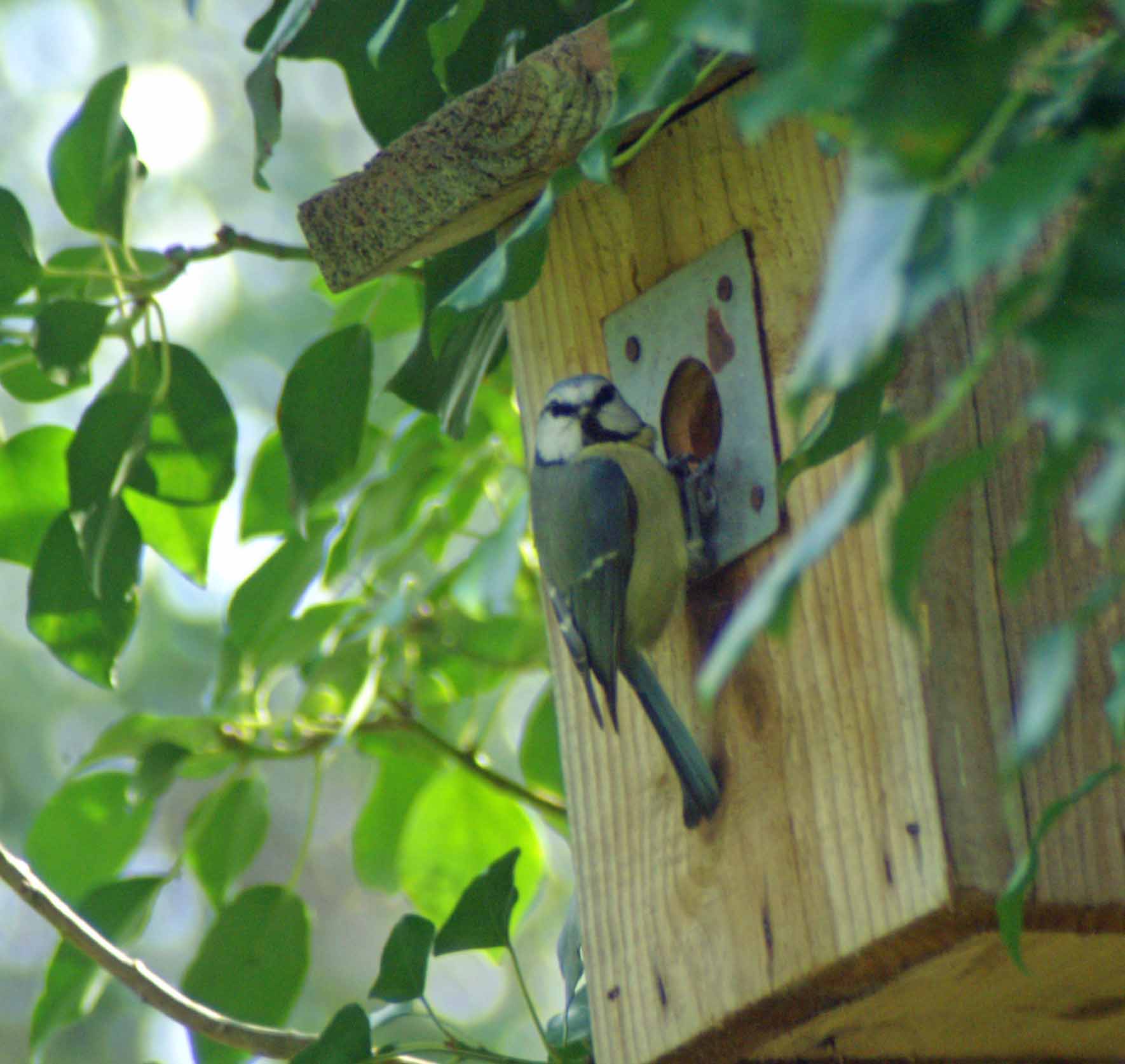
I moved from one side of the tree to the other to try to get a better view of the nuthatch, and as I did so a blue tit flew down to the nest box fastened to the same tree much lower down. Deciding I was just a nuisance rather than a threat, it went in, rummaged around a bit, threw out some rubbish then left to be replaced by its partner. So now I know the location of two nests to keep an eye on.
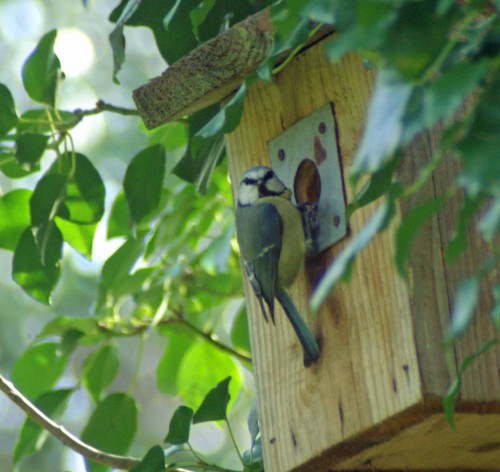
The blue tit was not happy that I was so close to the nest box

One of the blue tits throwing out the rubbish from their new home

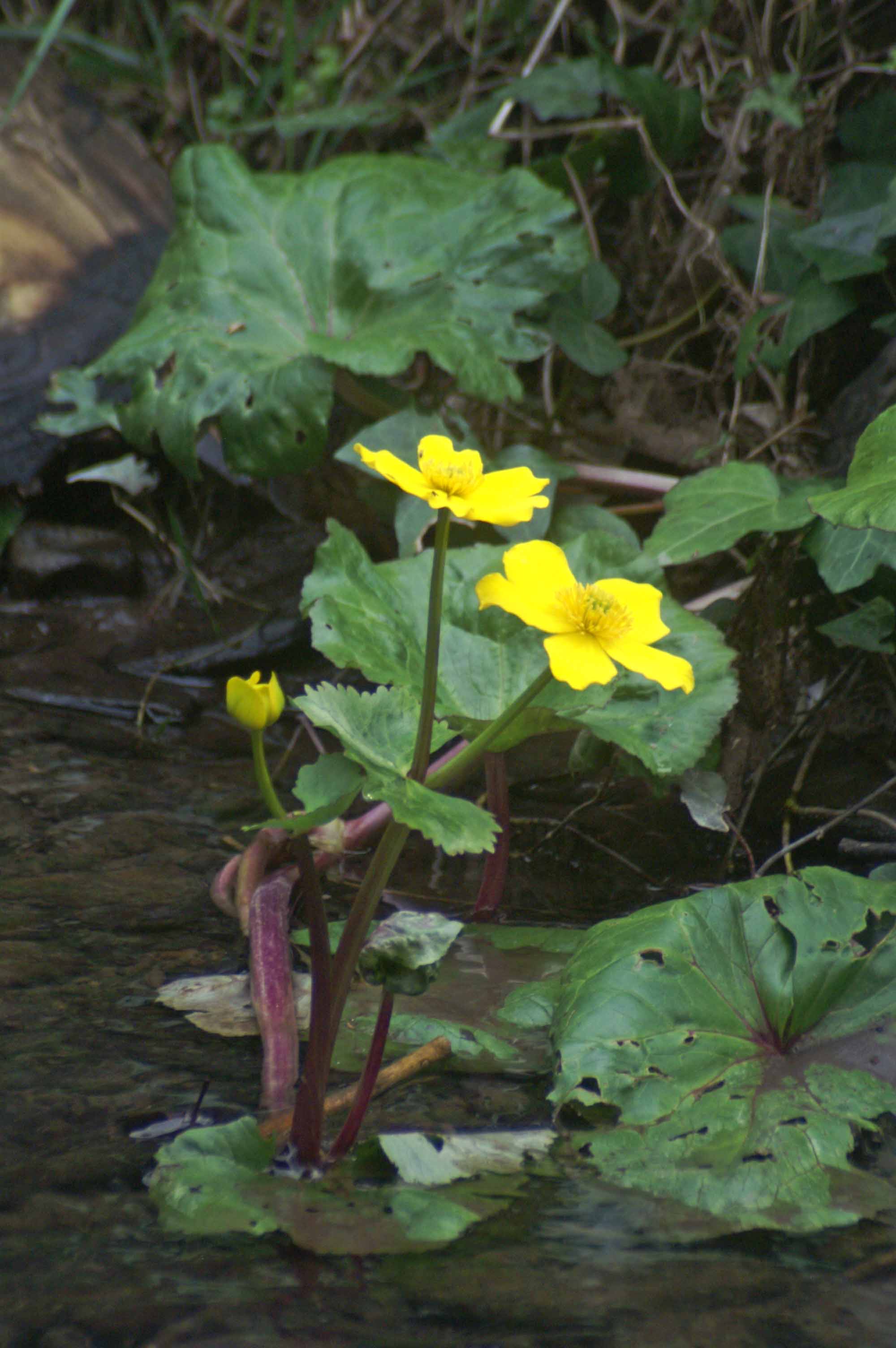
On the way back to work I made a stop to photograph these glorious golden marsh marigolds, or to me King Cups.

Marsh Marigolds- Caltha palustris, or to me King Cups, growing on the muddy river bank

In the UK, Caltha palustris is known by a variety of common names. These include Marsh Marigold and Kingcup, Mayflower, May Blobs, Mollyblobs, Pollyblobs, Horse Blob, Water Blobs, Water Bubbles, Gollins. Balfae (in Caithness) and the Publican. The common name of marigold refers to its use in churches in medieval times at Easter time as a tribute to the Virgin Mary, as in Mary gold.

I couldn’t  ignore the beautifully singing Robin either
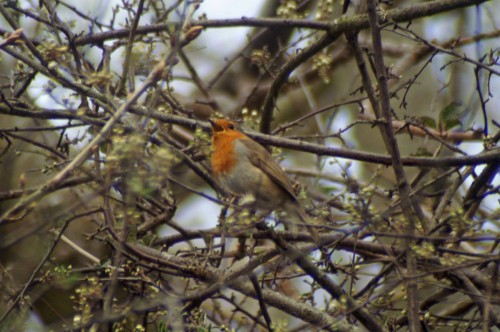
The robin was singing a few phrases then stopping to listen with his head on one side as another responded.

I heard a Wren singing and located it; it was my 'tail-less' one from the last time I was here. Looks like the tail may be growing back.

* gonhs – Gibraltar Ornithological & Natural History Society
Share this:

  • Share on Facebook (Opens in new window) Facebook
  • Share on Pinterest (Opens in new window) Pinterest
  • Share on X (Opens in new window) X
Like Loading...

Farmland fields,rooks, ducks & waders

20 Tuesday Mar 2012

Posted by theresagreen in Nature, nature photography, wading birds

≈ 5 Comments

Tags

corvus frugilegus, pochard, rhos on sea, rook

On a recent drive back from the supermarket in Llandudno. It was a lovely sunny afternoon and the countryside looked so beautiful I made a couple of stops to take these photographs. I love this time of year when the shape and structure of the fields and the architecture of the trees and hedgerows is visible and highlighted by the bright sunlight.

There is a rookery located in a stand of  trees close to the road I was driving along; rooks are early nesters, sometimes having eggs in the nests by the end of February. I was hoping to get a couple of  pictures that would show them in some detail to compare against the related carrion crow, but although there were plenty about they were all either  flying or  foraging in the nearby fields.

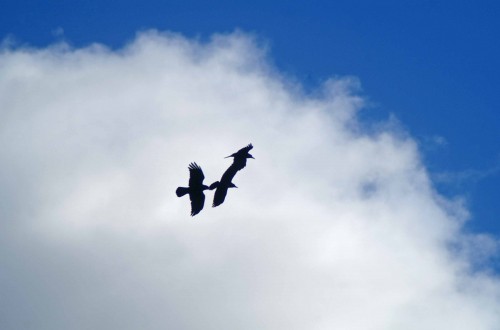
Three Rooks flying contrasted against a white cloud

Rook – Corvus frugilegus. The species name frugilegus is Latin for “food-gathering”. The adult rook is the only large black bird with a bare grey/white face patch. They can be told from the similar-looking Carrion Crow by the purplish gloss to its  plumage and the baggy appearance of the thigh feathers.

The UK has the largest population of rooks in Europe. They are gregarious throughout the year, characteristically nesting communally in the tops of trees in ‘rookeries’ and collectively known as a ‘parliament’. Nests are built from twigs freshly picked by industrious individuals and are very likely to be plundered by unscrupulous neighbours. There is a distinct ‘pecking order’ in the community; the oldest bird lives at the centre of the rookery, best protected and sheltered from the wind. When the flock is feeding, rook sentries are posted to warn the others when danger threatens.

In folklore they are reputed to be able to predict the weather; rooks feeding in village streets or close to nests in the morning means inclement weather is to come – usually storms or rain. Conversely, rooks flying far from their nest means fair weather.

The presence of a rookery on your land is considered to be lucky in many parts of the country and that should the birds decide to abandon the rookery ill-fortune would befall the family. Rooks used to be told of a landowner’s death. The new landowner would stand under a rookery and give the news, usually adding the promise that only he and his friends would be allowed to shoot the birds in future. If he neglected the ceremony, the birds would desert the rookery – an evil omen in itself. This forecast the loss of the land and downfall of the family through poverty.

A Rook & a wing tip

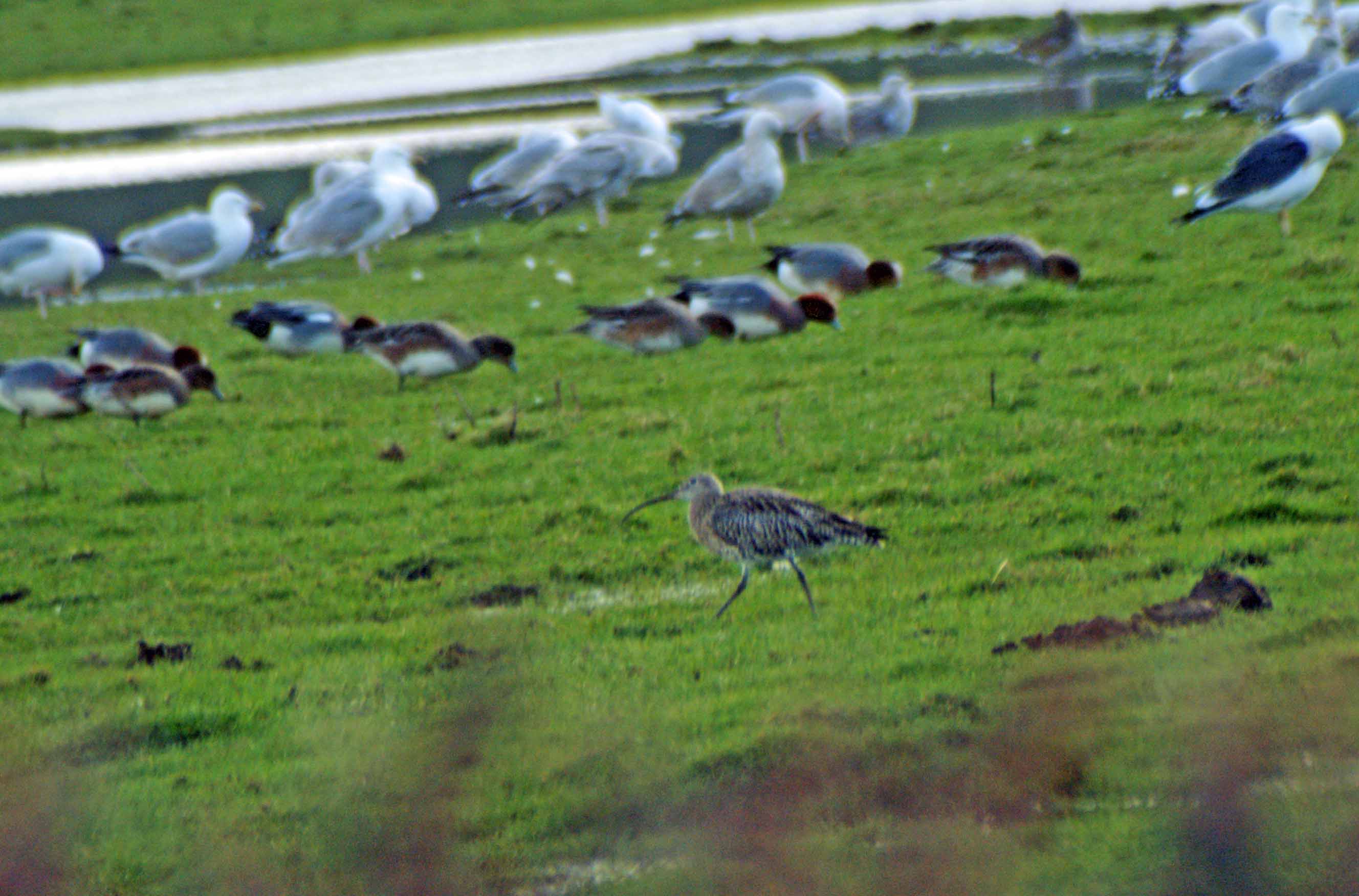
Passing by the  field the curlew occupy I noticed a number of ducks on the water that pools there when it rains. As I already mentioned, it was a very bright sunny day and unfortunately the only vantage point I had from which to photograph the birds involved shooting into the sunlight, rarely a good move, but I wanted to record the sightings. I thought the ducks were Pochard, but could not really see properly. As I watched they left the water and began moving over the grass, heads and beaks down, almost perfectly synchronised. I’m not great at duck identification, so if anyone can tell better  from my rather blurry image that they are not pochard, please let me know.

The field opposite the golf course, Llandudno Rd. Herring gulls, Lesser Black-backed gull, grazing Pochard & a Curlew

I had no problem identifying the male shelduck there all alone.

a single male Shelduck making for the water

Redshank

Share this:

  • Share on Facebook (Opens in new window) Facebook
  • Share on Pinterest (Opens in new window) Pinterest
  • Share on X (Opens in new window) X
Like Loading...

Newborough Warren and Ynys Llanddwyn

16 Friday Mar 2012

Posted by theresagreen in Nature, nature photography

≈ 2 Comments

Tags

brent goose, canada goose, mistle thrush, Newborough Warren and Llandwyn Island, oyster catcher

My dad made the journey from Leicester to visit me this weekend and we decided to visit a place that is very special to both of us and evokes many happy memories of holidays spent with him and my sisters on the Isle of Anglesey.

When we first used to spend days at Newborough Warren and Llanddwyn Island, the area was much less visited than it is now and there were many occasions when we hardly saw another person there. To reach the beach  there was just a very rough track through the then forestry commission owned pine woodland and you just parked at the end of it. Now the entrance to the forest has a barrier which costs £3 to pass through in a car, the track is tarmacked and there is a designated carpark with toilets and picnic areas. It is still a magical place, with history, myth and legend as well as wild beauty and if you ever get to visit this area, especially outside the summer months, it is a place to put at the top end of your must-explore list.

Newborough Warren and Llanddwyn Island (Ynys Llanddwyn) are situated near the southern entrance to the Menai Strait. The areas are national nature reserves holding a diversity of habitat including  dunes, mudflats and saltmarshes that support a wide range of plants and invertebrates.

The view across the dunes to Llanddwyn Island. The sand dunes around this area are known as being the largest in Wales and are amongst the finest in Europe.

Our visit this weekend was brief as my dad is no longer able to walk far and it was too cold for sitting around on the beach. Back in the day he would have walked us the length of the beach, which is about a mile long, through the nature reserve on the headland to reach the lighthouse, where we may have had a bit of a picnic before exploring the beach on the other side of the headland and walking back again.

The view across Llanddwyn beach and the Menai Strait to the mountains of Snowdonia

Llanddwyn beach

When you arrive at the beach you are confronted by this wonderful expanse of golden sandy beach and by a stretch of sea that is generally tranquil and often lake-like, but yet you can hear the sound of surf. That was always a big part of the magic for me; as on the other side of the headland you discover the source of the noise as here big foamy waves come roaring in to the beach.

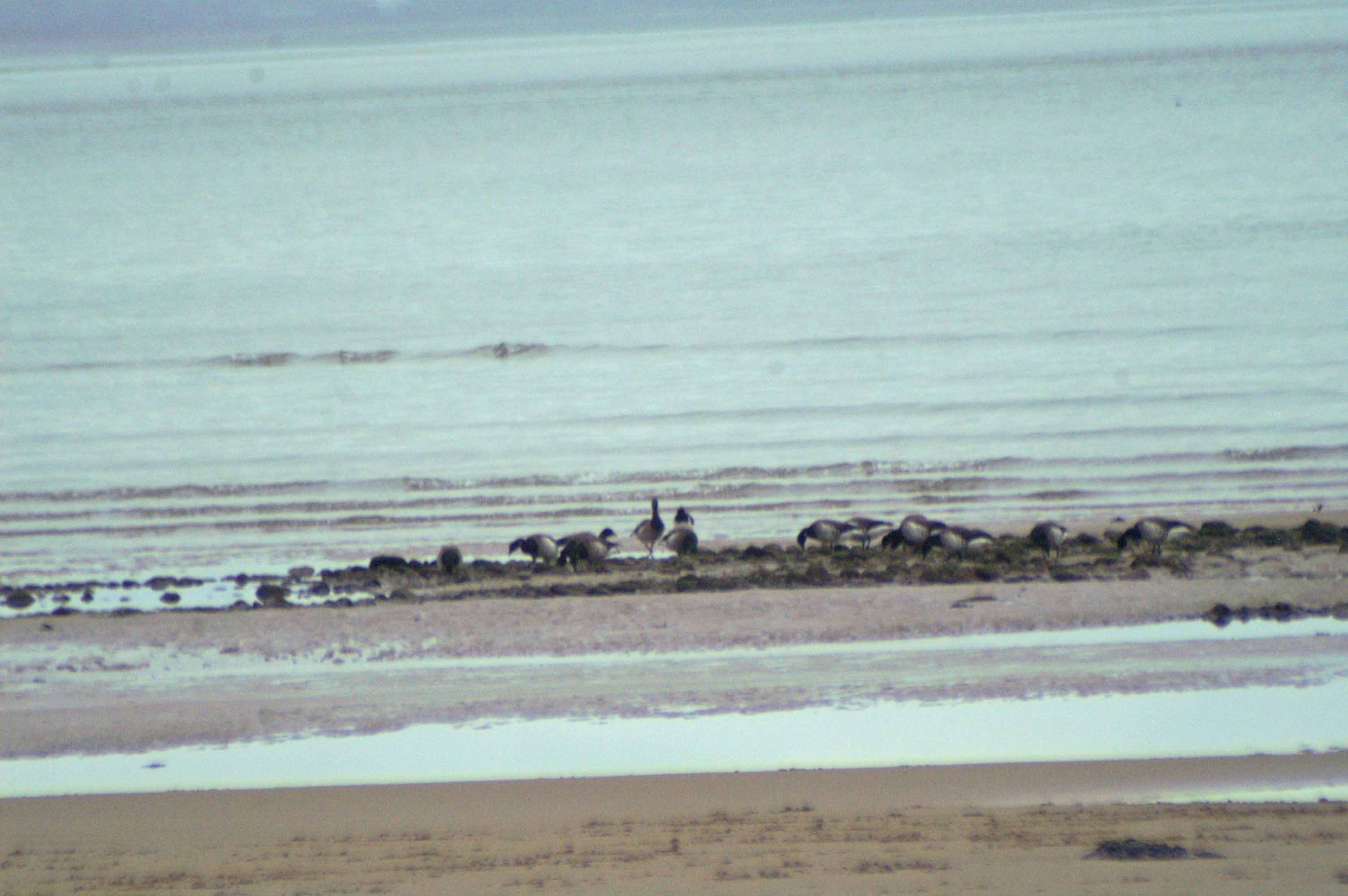
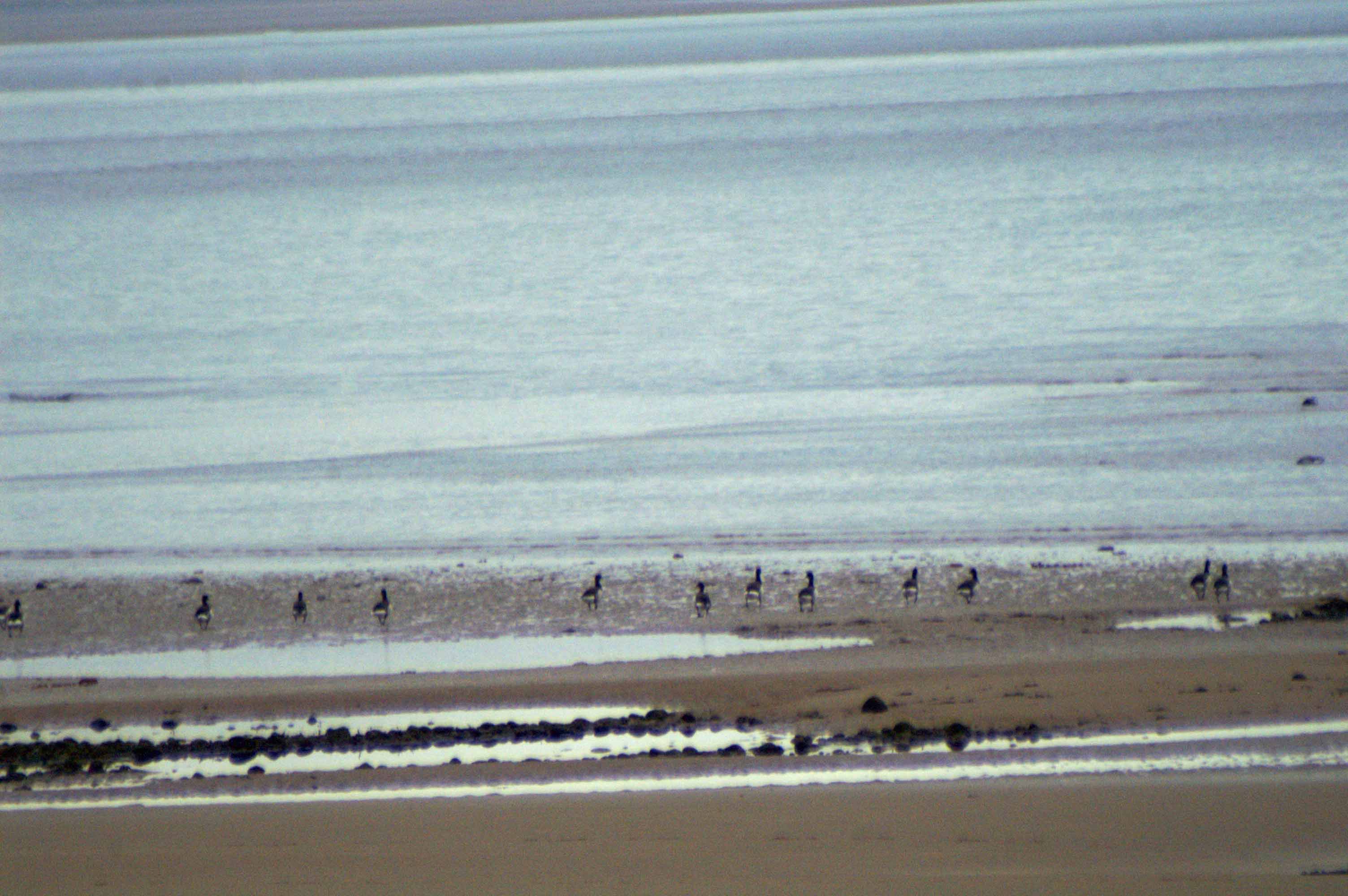
Geese on the sea edge may be Canada geese or possibly pale-breasted Brent geese; both species occur here on Anglesey

The forest area has red squirrels and is locally famed for its roosting ravens. The cliffs around the island support a wide variety of nesting seabirds, including cormorants, shags and oystercatchers. Ynys yr Adar (Bird Rock), a small islet off the tip of Llanddwyn, throngs during the spring with one percent of the total British breeding population of cormorants. Waders such as turnstones and sandpipers are found along the coast and terns can be seen fishing in the bay. Today I had to content myself with those birds I could see easily from the beach in  front of the carpark and at a distance away. There were mainly oystercatchers and gulls with one or two curlew, but there were also a number of large birds that I first thought were shelduck but decided upon geese. I didn’t have binoculars with me and the light was poor, so I was relying heavily on the camera lens to help me out with a good enough shot to identify the species; Canada, Greylag and Brent Geese are all a possibility.
Oystercatchers from behind

Mistle thrush from the front holding something in its bill

Sitting at a picnic table close to the carpark I watched  a largish bird balance quite precariously on a short branch low on a pine tree before venturing down to hunt in the grassy area below.  It was a mistle thrush, which despite its size was very well camouflaged in low light and against a background strewn with dry grass and twigs.

On the forest edge a Mistle Thrush ventured out to hunt

As I said earlier this was just a very brief look at a beautiful and complex area, but now I’ve reacquainted myself with it I intend to return very soon for a proper exploration.

Other claims to fame:

CD album cover shot of Manic Street Preacher's 'This is my truth, tell me yours' was taken here

In 2004, Llanddwyn Island was used as a filming location in Demi Moore’s romantic thriller Half Light. Tŵr Mawr was used as a lighthouse which plays a key role in the film. CGI was used to create the effect of a real light on top of the lighthouse.

Bryn Terfel filmed his video for Cavatina (arranged by Chris Hazell) on Llanddwyn Island “a very beautiful romantic place” (Bryn on BBC Breakfast)

In 2009, a scene for the Hollywood blockbuster Clash of the Titans was filmed at Llanddwyn.

Share this:

  • Share on Facebook (Opens in new window) Facebook
  • Share on Pinterest (Opens in new window) Pinterest
  • Share on X (Opens in new window) X
Like Loading...

Bryn Euryn in preparation for Spring

12 Monday Mar 2012

Posted by theresagreen in Local Nature Reserves, Nature, nature of woodlands, nature photography, woodland birds

≈ 1 Comment

Tags

Bryn Euryn Nature Reserve, catkins, dunnock, long-tailed tit, pussy willow, Robin, treecreeper

I hadn’t visited the Bryn Euryn Local Nature Reserve for quite some time and thought I would rectify that last weekend. The morning weather had been varying between sunshine and showers, and arriving at the site during a sunny spell I  walked first around the edge of the small quarry field to see what was growing there.

Lush growth of leaves of Arum maculatum -cuckoo pint, or lords & ladies

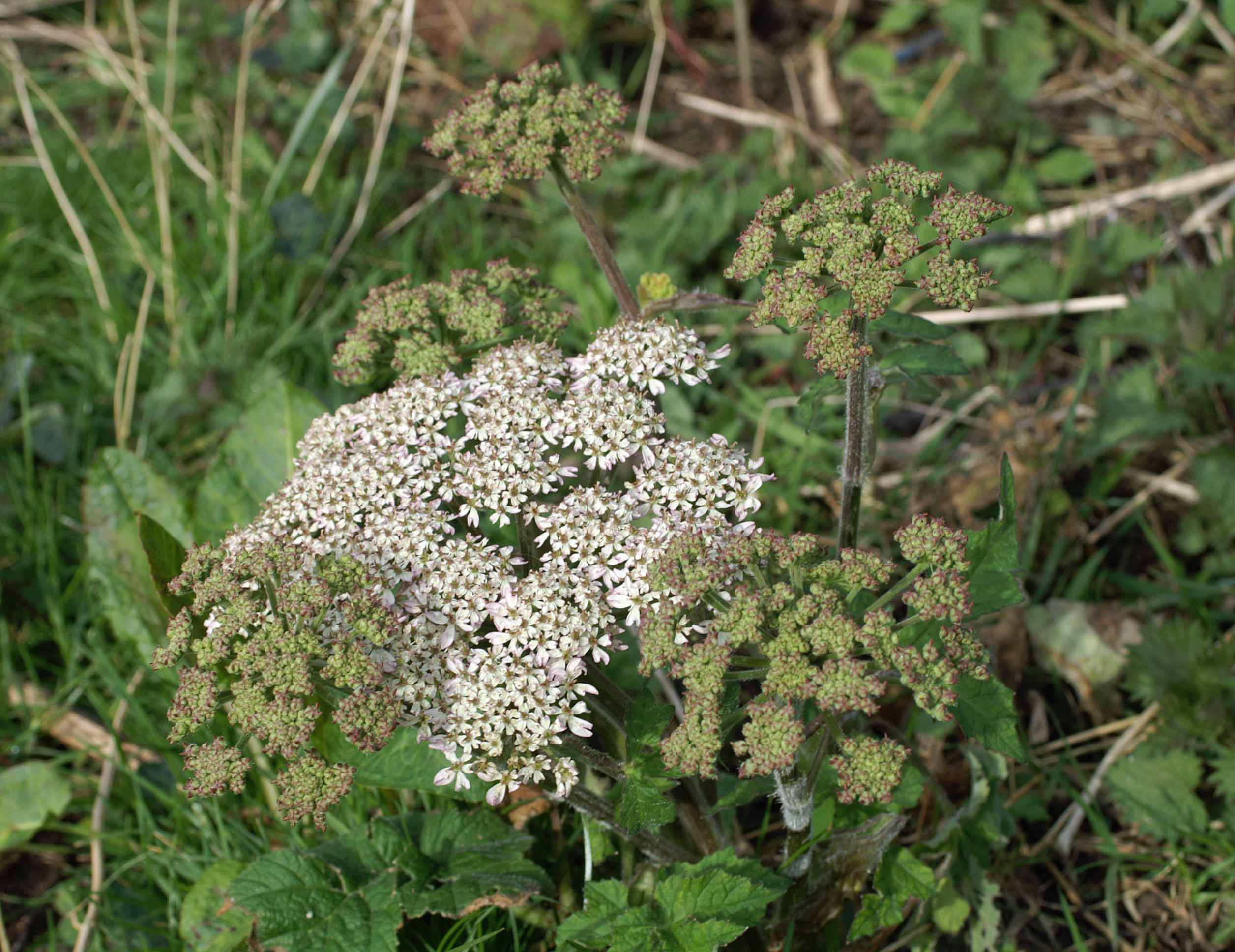
A very early flowering specimen of Heracleum sphondylium - common hogweed or cow parsnip. This is a herbaceous perennial or biennial belonging to the family Apiaceae. It is an umbelliferous plant, in the same group as fennel, cow parsley, ground elder and giant hogweed.

Dry seed heads of burdock

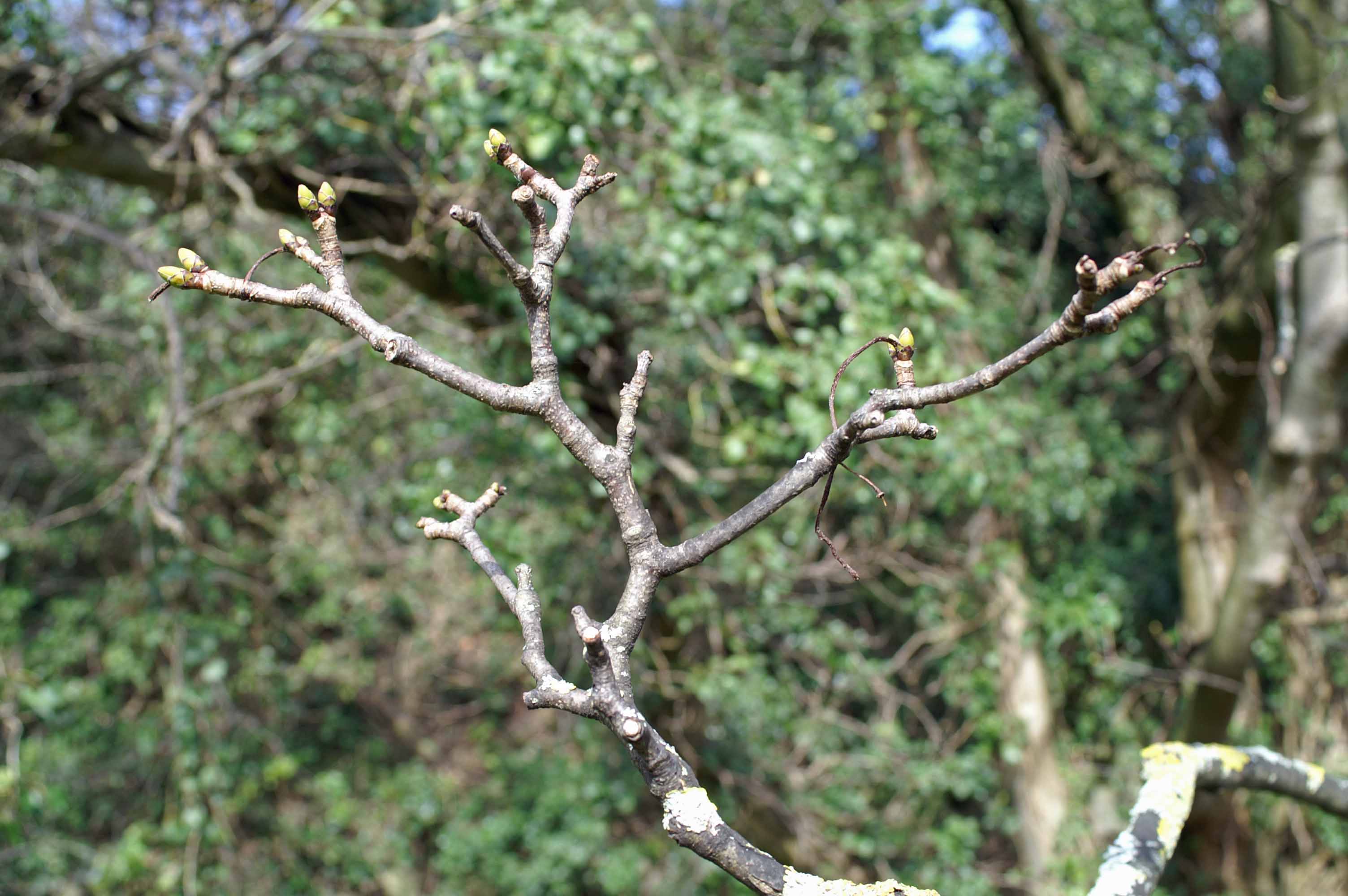
Swelling leaf buds

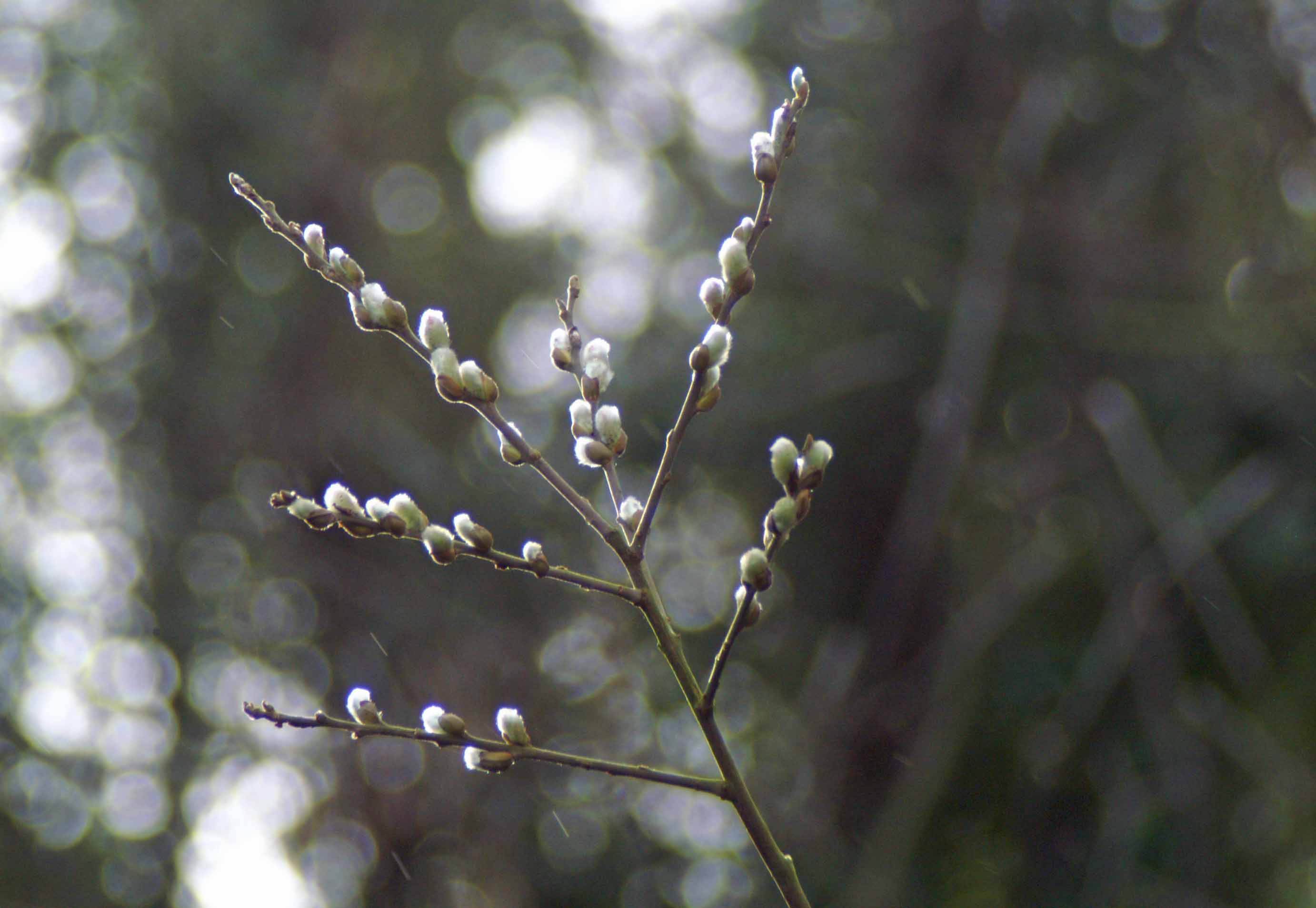
Silvery pussy willow

Pussy willow is a name given to many of the smaller species of the genus Salix (willows and sallows) when their furry catkins are young in early spring. Before the male catkins of these species come into full flower they are covered in fine, greyish fur and hence likened to tiny ‘pussy cats’. The catkins appear quite some time before the leaves, and are one of the earliest signs of spring. It is customary to gather branches of  pussy willow to decorate the house in the springtime, particularly on Palm Sunday, as a substitute for palm branches.

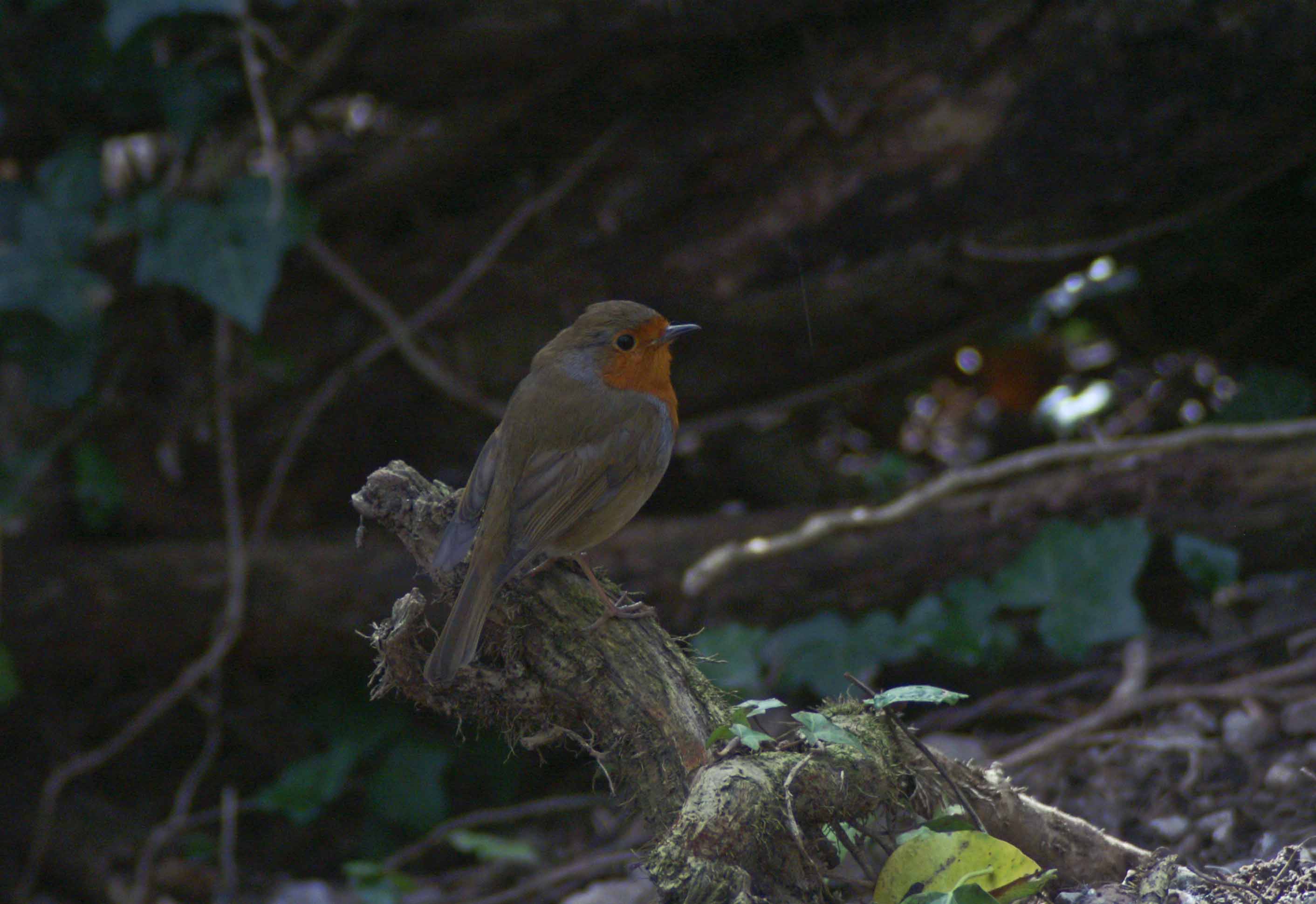
From the field I crossed onto the track on the edge of the woodland which passes by an open area of allotments. There is often  a robin  to be seen here, which today continued with its foraging regardless of me being very close by, even stopping to pose on a nice mossy wooden perch in a patch of  sunlight.


Posing robin

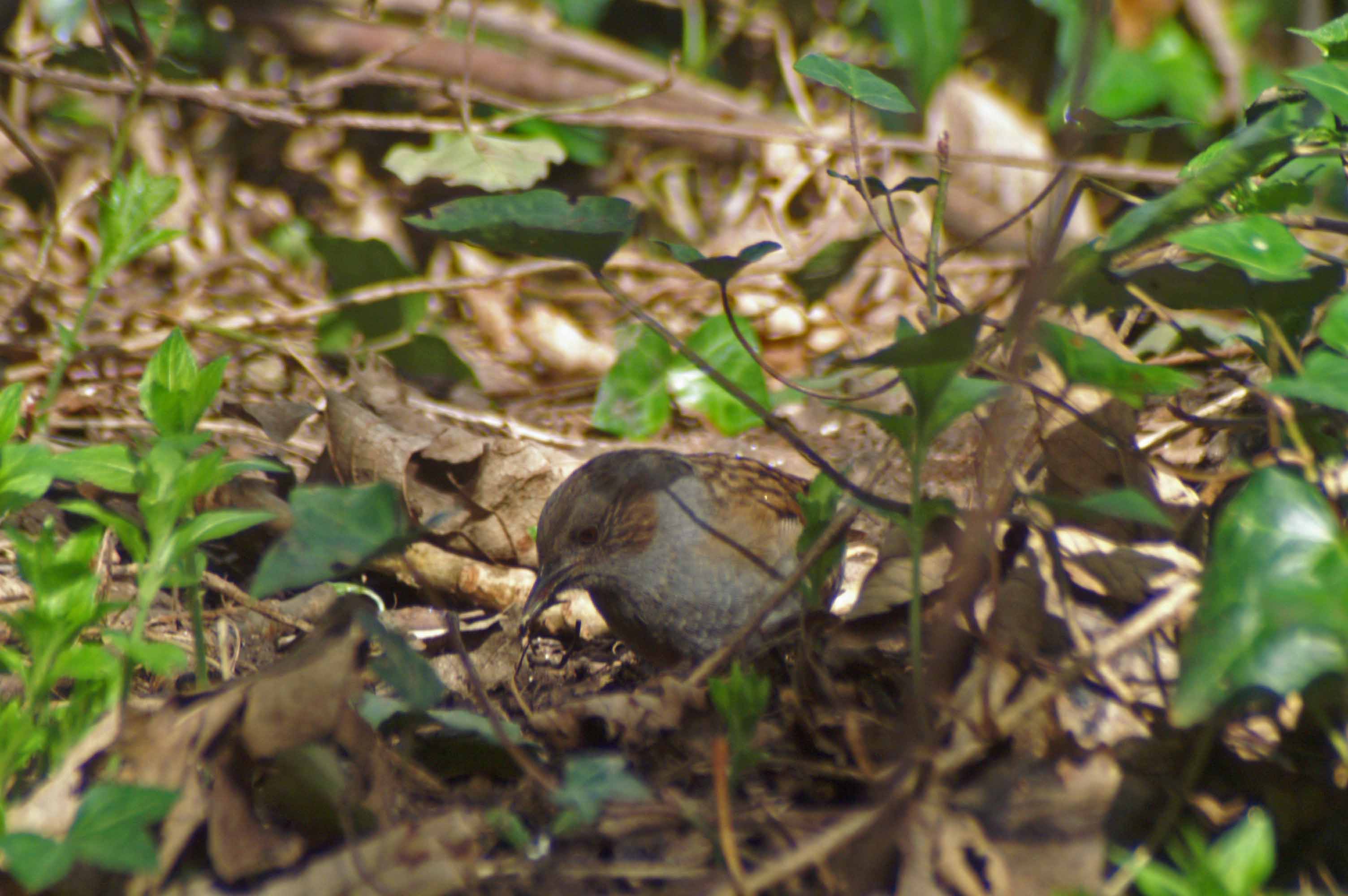
I had some good views of a dunnock there too as it pecked around amongst the dry leaves beneath the trees.

Dunnock -Prunella modular - almost at my eye-level

Dunnock-back view

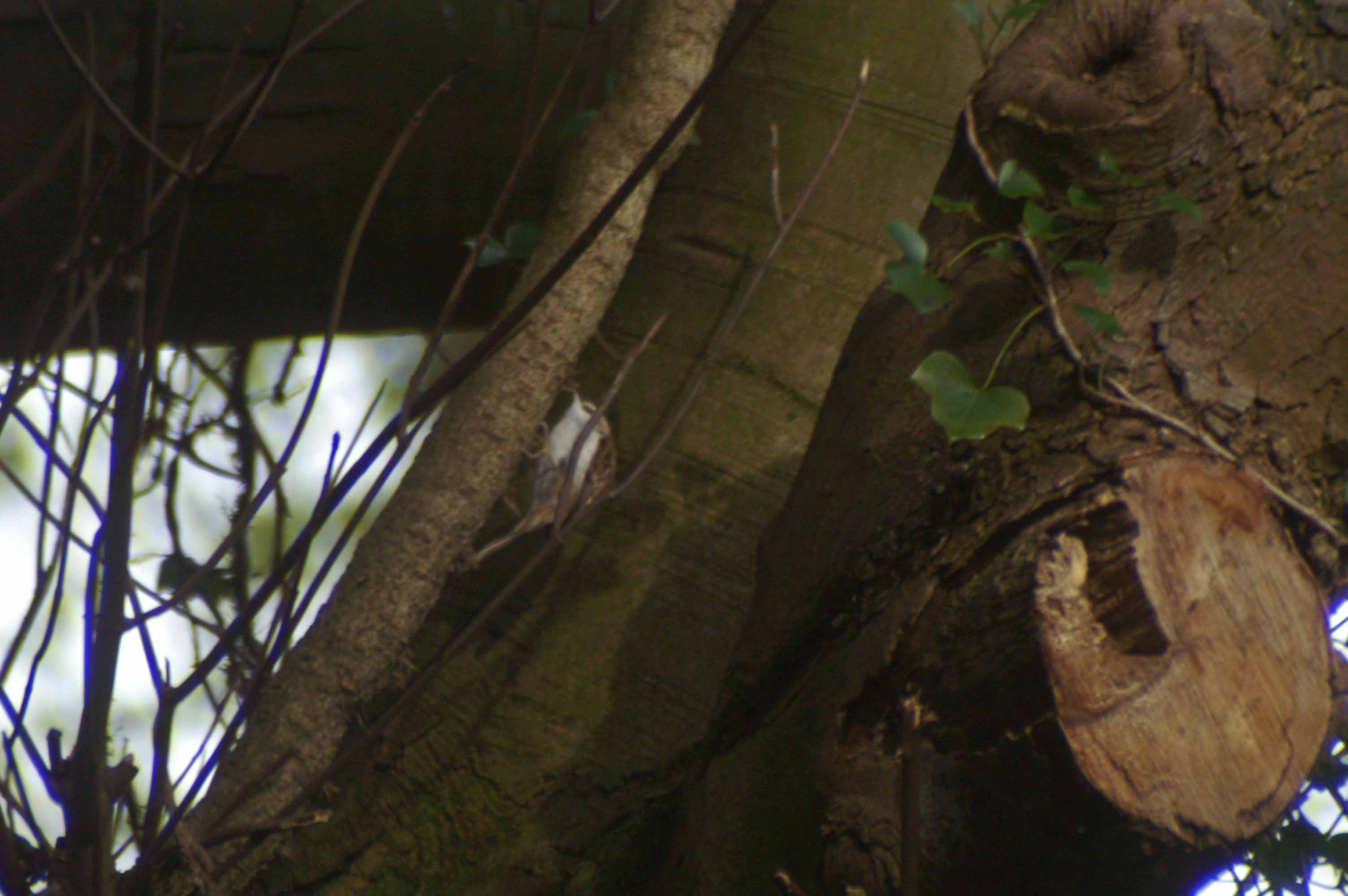
Moving on towards the bottom of the steps, another brown bird flew past me and landed on the trunk of a big sycamore tree; a treecreeper. I was delighted to recognise it as a treecreeper, the first and only one I have seen so far in this location. I watched it or quite some time as it explored the tree trunk and higher branches, probing its beak into nooks and crannies searching or insects and spiders.

Treecreeper - the first I have sen in this location

The Treecreeper– Certhia familiaris is small, very active, bird that lives in trees. It has a long, slender, downcurved bill, patterned brown upperparts, whitish underparts, and long stiff tail feathers which help it creep up tree trunks. It breeds in the UK and is resident here. Birds may leave their breeding territories in autumn but most range no further than 20 km.

In Spain the very similar short-toed treecreeper – Certhia brachydactyla occurs. They are frequent visitors to our garden there, where they are equally as comfortable scuttling up the tall straight trunks of the palm trees as they are exploring the nooks and crannies of the native cork oaks. They are much easier to photograph there too being more in the open and in better light.

e

A short-toed treecreeper on the trunk of a palm tree, Sotogrande, Southern Spain.

According to my bird books, the main points of difference between the two species are location and that the short-toed species has brownish flanks and a different voice: the short-toed’s song is said to be louder and less high-pitched and the call note louder, more piping and sometimes trilling. However, it is a possibility that there is in actuality only one species as presented convincingly in this brilliant blog:  http://10000birds.com/short-toed-treecreepers-do-not-exist.htm 

Catkin - A long, thin, indeterminate inflorescence of tiny, petalless flowers growing on willows, birches, oaks, poplars, and certain other trees. The flowers on a catkin are either all male or all female. The female flowers are usually pollinated by the wind. Also called ament.

The woodland was full of birdsong and following the track up through the trees towards the summit of the hill (bryn) I was accompanied by a chorus of robin, blackbird, chaffinch, blue tit and great tit with stand-out performances from a couple of  wrens and intermittent coo-ing interventions from wood pigeons. As I neared the top it began to rain quite heavily so I stood under an ivy-clad tree branch for a few minutes just listening until it stopped.

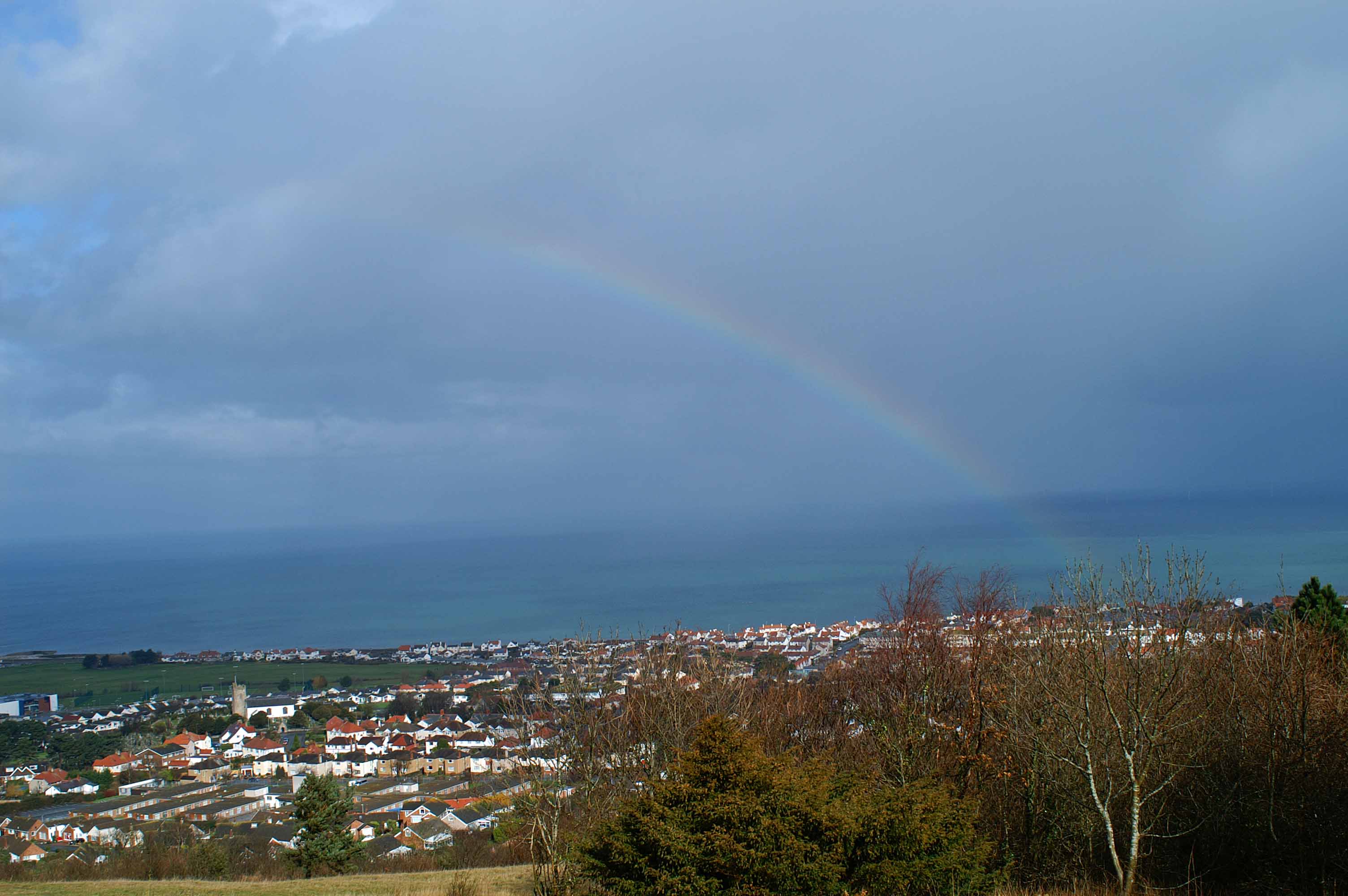
I carried on up to the summit, passing the trig point and over onto the open meadow or downs area that covers one slope of the hill. I was greeted by the sight of a complete arc of a rainbow that  spanned a width far greater than I could fit into my viewfinder.

A rainbow arced across the sky bridging Rhos-on-sea and Penrhyn Bay

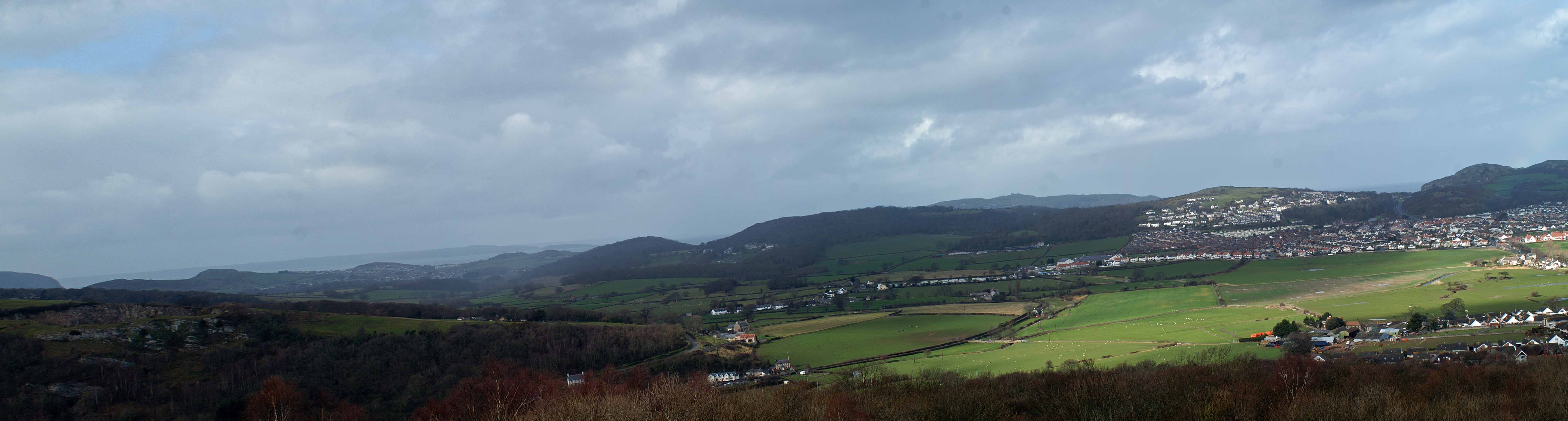
Part of the spectacular view from the summit of Bryn Euryn (click on photo to enlarge)

A close up of golden common gorse flowers and spiky leaves

On the path back down to the bottom a female blackbird was taking a bath in a newly filled puddle, disturbed from her ablutions by, yes, you’ve guessed, a bounding unleashed dog. I had been standing watching a small number of goldfinch foraging in the tops of a stand of tall trees, but I know when it’s time to leave and let the dogs have their share of the day.

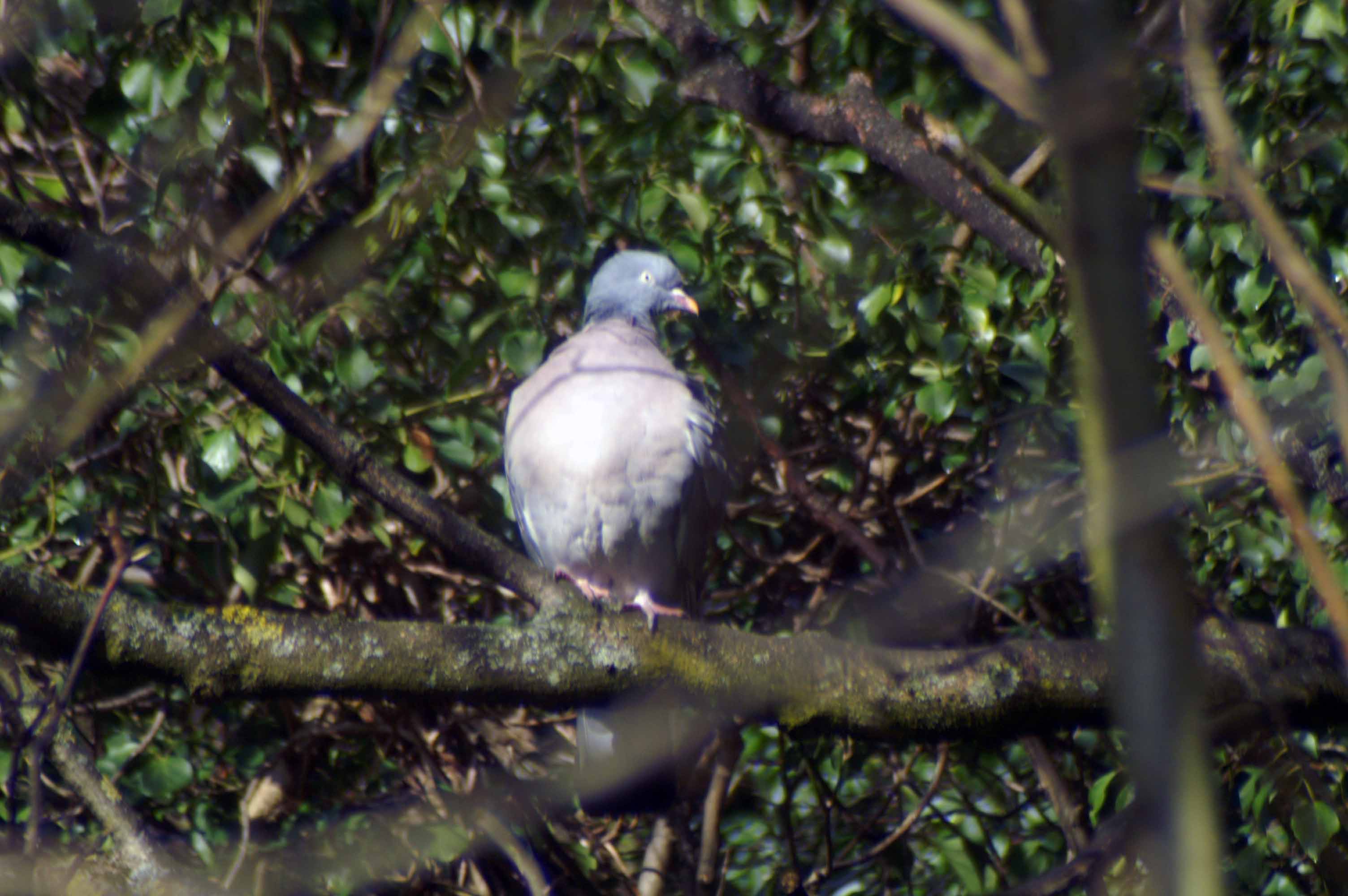
There were a few more treats awaiting me in the car-parking area however. Two wood pigeons, probably a pair, sat preening on a branch in a patch of sunlight and a pair of great tit were foraging around the fenced part of the field.

Wood pigeon - Columba palumbus

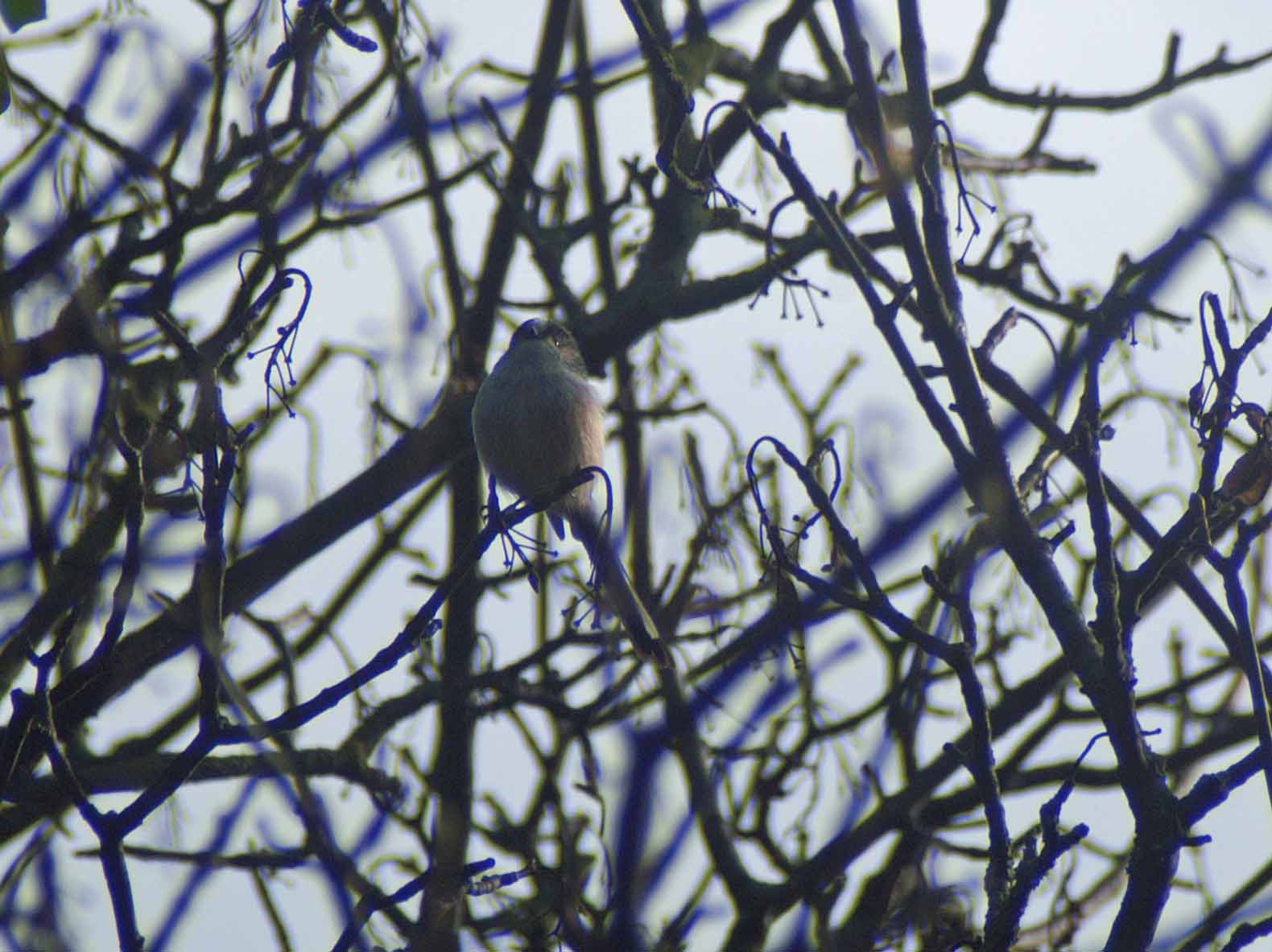
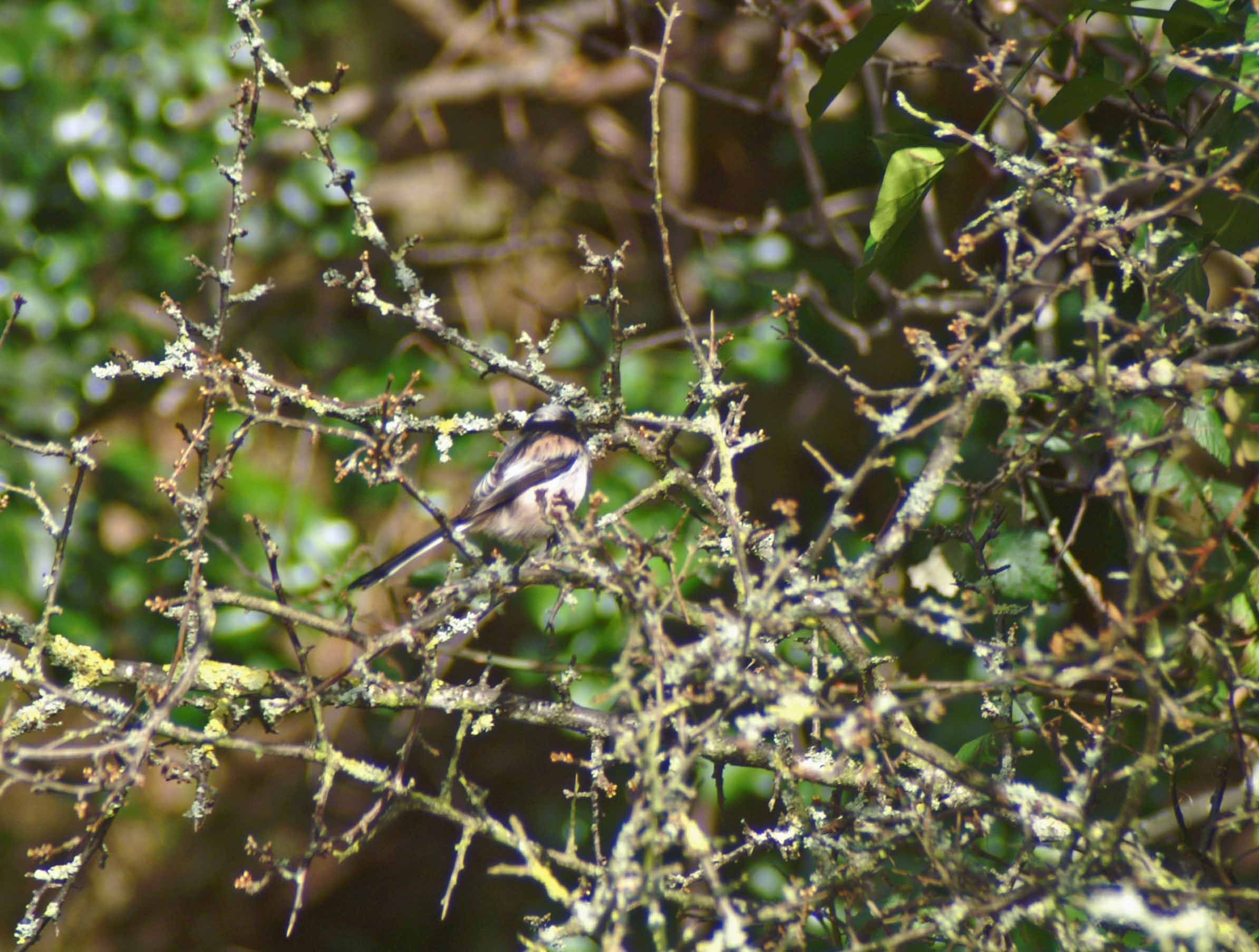
I have always found great tit elude me when it comes to photographing them, so I hung around for a while hoping to capture an image or two. They flew across the car park into the low trees there and attempting to pick up on them I found four long-tailed tits instead. A special favourite of mine, I was more than happy with that, especially as they stayed around acrobatically and thoroughly scouring the intricate twigs of the trees.

Long-tailed tit - Aegithalos caudatus

Long-tailed Tit, back view

A robin was investigating the ground beneath the shrubbery the long-tailed tit was photographed in, then unexpectedly flew up onto a branch in full sunshine and began to sing.

Another robin singing, but this time in sunshine

Share this:

  • Share on Facebook (Opens in new window) Facebook
  • Share on Pinterest (Opens in new window) Pinterest
  • Share on X (Opens in new window) X
Like Loading...

Fairy Glen

04 Sunday Mar 2012

Posted by theresagreen in Local Nature Reserves, Nature, nature of woodlands, nature photography, woodland birds

≈ 2 Comments

Tags

blackbird eating berries, Blue tit, coal tit, Fairy Glen, Old Colwyn, Wren

I am currently working in Old Colwyn and as it would have been a pity not to take advantage of some of last week’s sunny spring-like weather, so I ventured out during my lunch breaks to explore some  of the locality. In a recent blog – What a beautiful day- I featured photographs that I had taken in the small area of woodland alongside the final stretch of the river Colwyn. This is called Min-y-Don woodland and is a remnant of an ancient woodland that would once have covered the whole valley. From there it is possible to walk along a footpath leading up to the village that follows the course of the river. At the top, if you cross the Abergele Road and follow the signs to ‘Fairy Glen’, you reach a narrow wooded dell that the river runs through, bounded by roads and houses.

In present day Old Colwyn, much of which sadly has seen better days, Fairy Glen seems an incongruous name for a part of it, but it harks back to when this whole area was wealthier and hugely popular with well-to-do Victorian holidaymakers. This area of woodland was said to contain many different spirits including fairies, hence its name, which dates from the Victorian era and is a common name from that period (another local one being the “Fairy Glen” in Penmaenmawr).

The wooden road sign for Fairy Glen

Fairy Glen has recently been designated as a Local Nature Reserve and has undergone  regeneration with funding from the local council and it is now possible to walk through it easily. Presently the Fairy Glen is subject to an ownership dispute between Conwy County Borough Counciland the water company, Dŵr Cymru, each claiming that the maintenance of the area is the responsibility of the other. The trail was funded by Cydcoed Forestry Commission Wales.

“A path broadly follows the Afon Conwy which, with the Fairy Glen (then known as Y Nant), was mentioned by the traveller Edward Llwyd in 1699. He described the area as having seven wells and being completely wooded. There are, in fact, remaining indicators in Fairy Glen which identify it as an ancient woodland.”

I doubt that today’s Fairy Glen would have suited the Victorian visitors romantic aesthetic, but it is a pleasant enough place to spend half an hour. It is barely a five minute walk from work and I headed there for my first ‘reccie’ last Friday afternoon; I was very pleasantly surprised by the sightings I had there.

My first surprise was finding this violet plant flowering at the base of a large tree

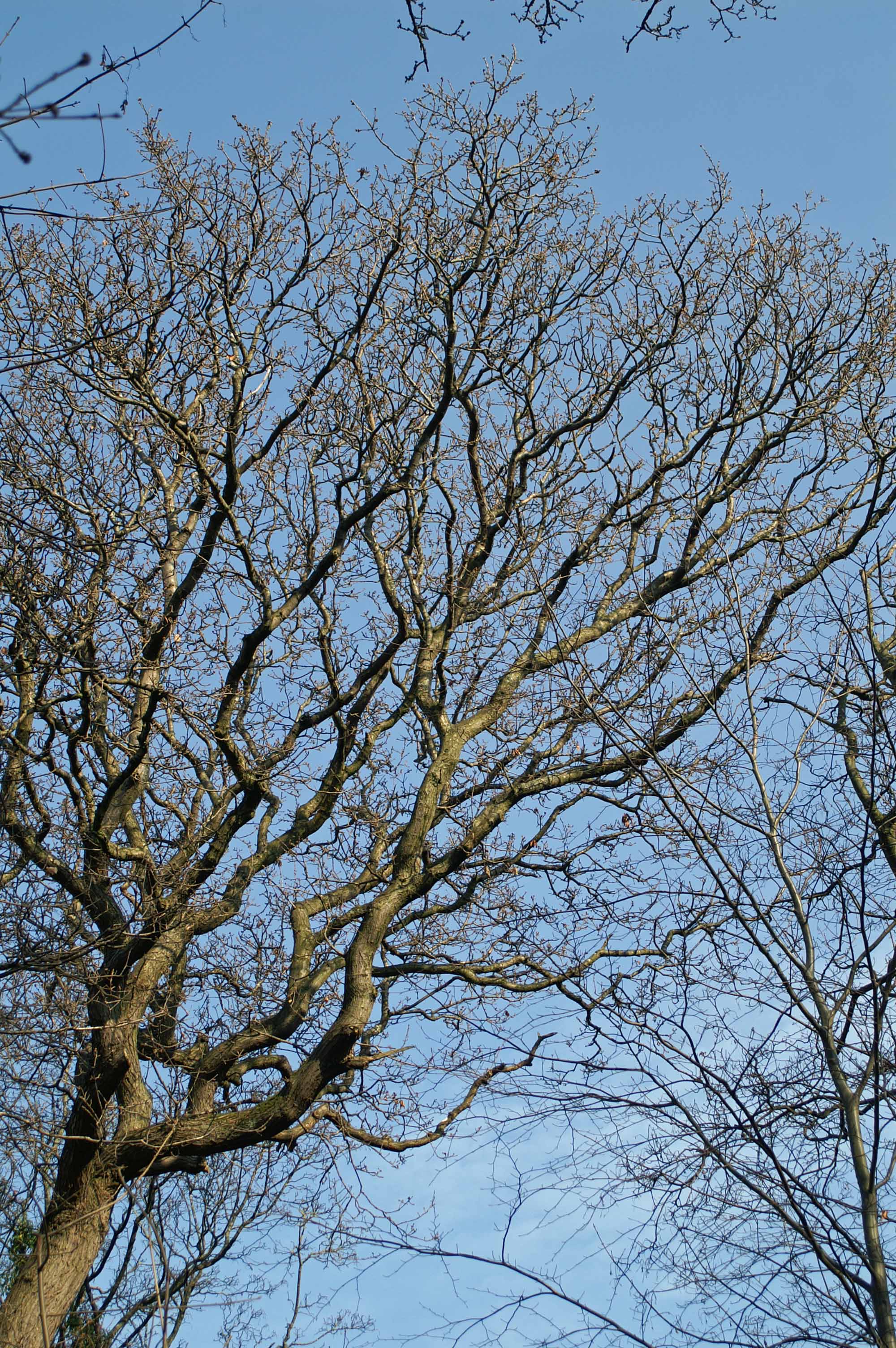
A tracery of bare twigs and branches against a perfectly blue cloudless sky

Blue Tits seemed to be everywhere

Blue Tit picking delicately around the sticky leaf buds

Hazel catkins

A grey squirrel sat on a tree branch eating something held in its paws, possibly an acorn it had buried back in the autumn

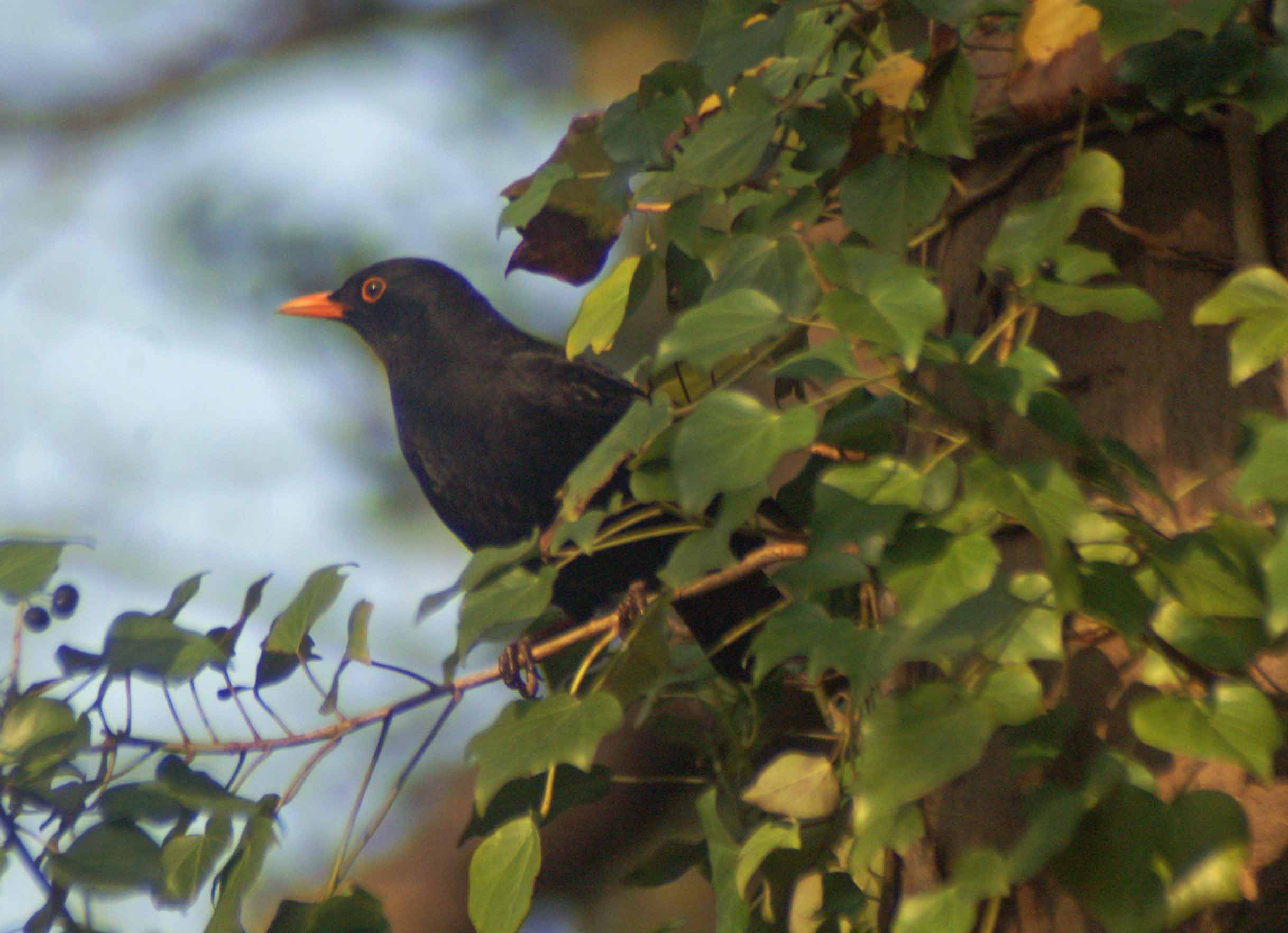
A beautiful male blackbird was picking off ripe ivy berries

The blackbird contorted himself to reach a berry

The blackbird with a berry in his beak

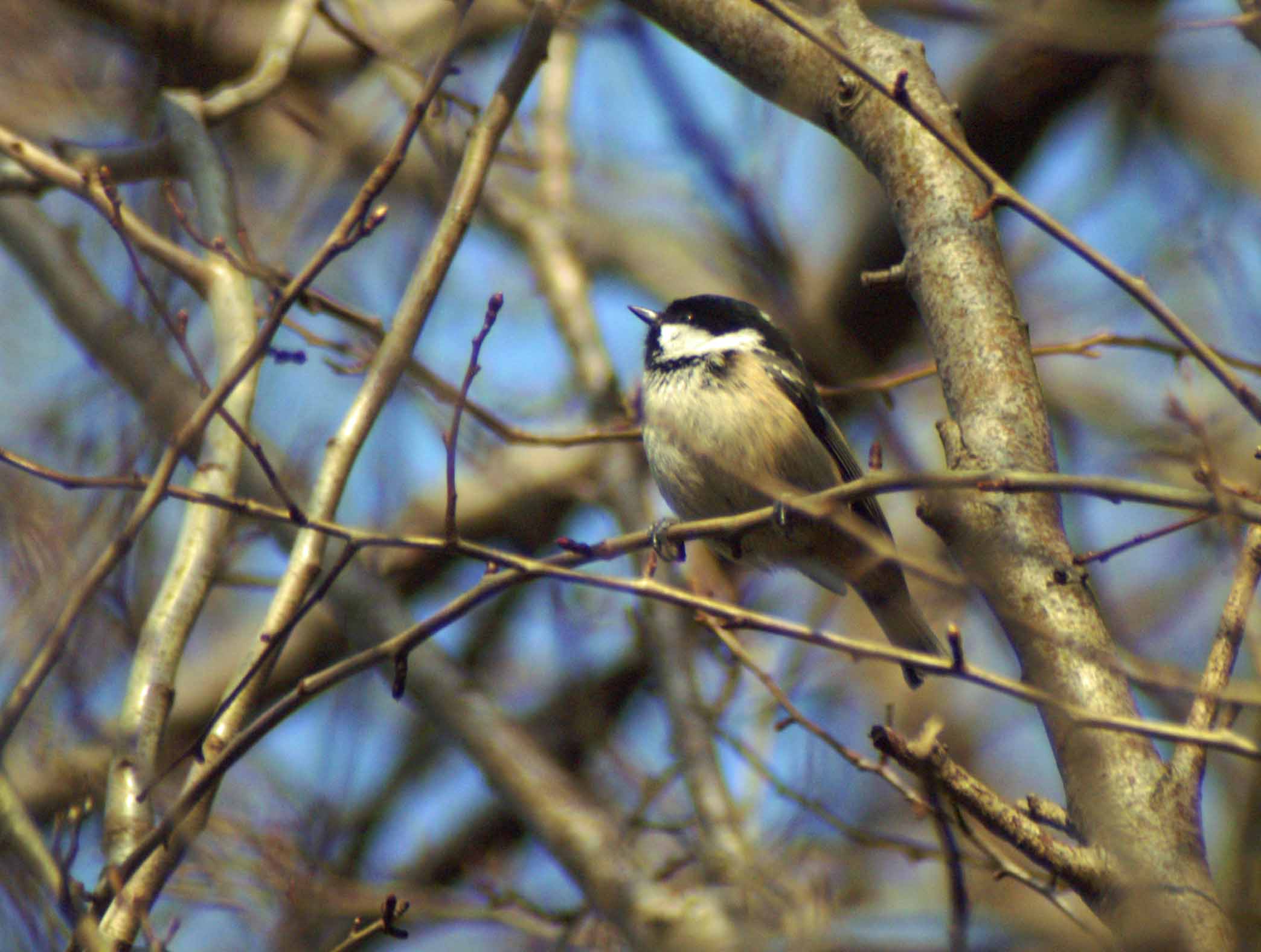
A big surprise was the sighting of this lovely coal tit

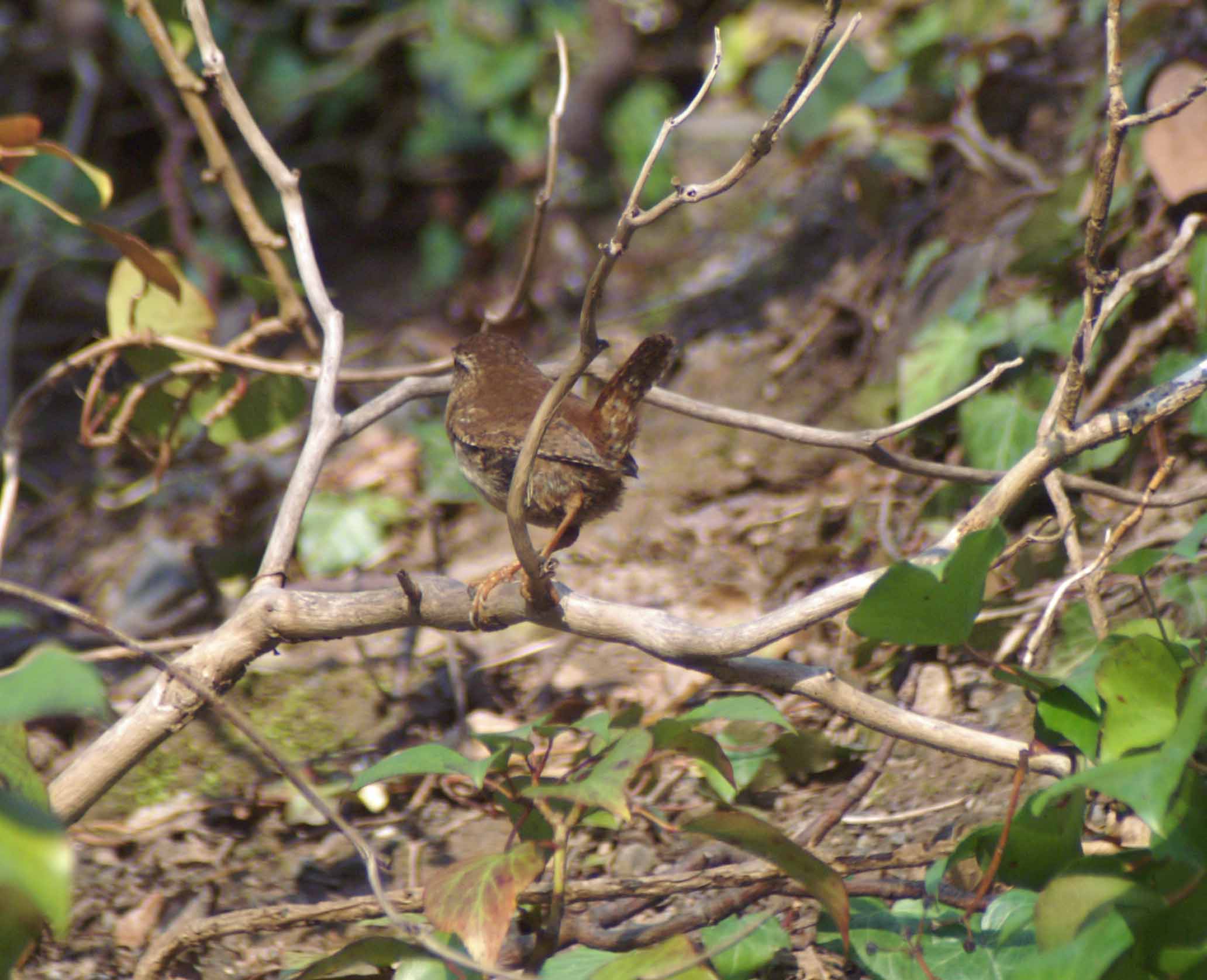
A wren singing from a low branch

Another wren flew across the path and perched on the fence. It looked a little odd, but it took a few seconds to realise it was because he was missing his characteristic upturned tail

The missing tail did not seem to be inhibiting the little bird too much – he was bright eyed and flitting around singing enthusiastically

A robin singing beautifully, but in the shade

A pair of nike trainers thrown up into a tree. A reminder that this is a just an oasis in a small urban jungle

Share this:

  • Share on Facebook (Opens in new window) Facebook
  • Share on Pinterest (Opens in new window) Pinterest
  • Share on X (Opens in new window) X
Like Loading...

Daffodils and leeks

01 Thursday Mar 2012

Posted by theresagreen in Nature, Nature of Wales, nature photography

≈ Leave a comment

Tags

leek, lent lily, narcissus pseudonarcissus, narcissus pseudonarcissus ob vallaris, St David's Day, Tenby daffodil, Welsh daffodil, Welsh leek

Today is Saint David’s Day (Welsh: Dydd Gŵyl Dewi)- the feast day of  the patron saint of Wales, which falls on March 1st each year. This date was chosen in remembrance of the death of Saint David as tradition holds that he died on that day in 589. The date was declared a national day of celebration within Wales in the 18th century.

Many Welsh people wear one or both of the national emblems of Wales on their lapel to celebrate St. David: the daffodil, a generic Welsh symbol which is in season during March or the leek, Saint David’s personal symbol on this day. The association between leeks and daffodils is strengthened by the fact that they have similar names in Welsh, Cenhinen (leek) and Cenhinen Pedr (daffodil, literally “Peter’s leek”).

There are several slightly varying versions of exactly how the leek came to be recognised as the emblem of Wales, but the general theme is that it was worn on the caps of  Welshmen in battle to distinguish them from their foes. Nowadays the leek, in various forms, is often sported by welsh rugby supporters and is featured on the reverse of the pound coin issued between 1985-1990.

 1985 One Pound Coin 1985
1990
Leek and royal diadem representing Wales.Edge Inscription:
PLEIDIOL WYF I’M GWLAD

Designed by:
Leslie Durbin

(The edge inscription roughly translates as ‘I am true to my roots’).

Welsh and Tenby daffodils

The adoption of the daffodil as a national emblem is more recent and may be that  during the Victorian era, a common vegetable such as the leek wasn’t considered glamorous enough to be the Welsh national emblem and the daffodil, whose flowering coincides with the Welsh patron saint’s holiday, seemed like a fitting replacement.

There are two varieties of daffodil unique to Wales – the Tenby and the Welsh or Lent daffodil. Both species have suffered decline over the years as a result of property development on land where they once thrived.

Tenby daffodil-Narcissus pseudonarcissus obvallaris

Tenby daffodils suffered in Victorian times from being too popular as they were regularly dug up and became quite scarce but replanting has helped and nowadays you’ll see plenty in the spring time around Tenby,  South Pembrokeshire, and also in Carmarthenshire and parts of Ceredigion. One of the biggest displays of Welsh daffodils can be seen at Coed y Bwl Wood, at Castle Upon Alun, St.Brides Major in the Vale of Glamorgan, South Wales. The Welsh variety is more widespread, but still scarce.

This little daffodil only grows about 8″ or 30cm high and can be found growing wild around Tenby in Wales, hence the name. It seems no-one is quite sure if the Tenby daffodil was introduced to this country, or whether it could be a natural variation of our only truly native daffodil, Narcissus pseudonarcissus, also known as the Lent Lily as it usually flowers during the period of Lent, through February and March.

Lent lily – Narcissus pseudonarcissus

The Lent Lily is a similar tiny size and shape, but the outer petals are paler than the yellow trumpet, or corona, whereas the Tenby Daffodil has both a yellow trumpet and outer petals. Both have sword-like grey-green leaves and the plants are perennials. The species is native to Western Europe from Spain and Portugal east to Germany and north to England and Wales. It is commonly grown in gardens and populations have become established in many other parts of Europe. Wild plants grow in woods, grassland and on rocky ground. In Britain native populations have decreased substantially since the 19th century due to intensification of agriculture, clearance of woodland and uprooting of the bulbs for use in gardens.

Share this:

  • Share on Facebook (Opens in new window) Facebook
  • Share on Pinterest (Opens in new window) Pinterest
  • Share on X (Opens in new window) X
Like Loading...
← Older posts
Newer posts →
Follow everyday nature trails on WordPress.com

Enter your email address to follow this blog and receive notifications of new posts by email.

‘But it is the common species that keep the living world ticking over and provide most of our experiences of wildlife, and I would argue that maintaining the abundance of these is as important a conservation priority as maintaining the existence of rarities’. Richard Mabey
MOST RECENT POSTS

  • A Glimpse of Spring to Come January 22, 2025
  • Hunting the Wren December 28, 2024
  • Oh, Christmas Tree December 18, 2024
  • In and Out of the Ivy February 15, 2024
  • Nature’s Fireworks November 30, 2023
  • Wild Autumn along the Coast Path November 3, 2023

OLDER POSTS

LOOKING FOR SOMETHING IN PARTICULAR?

  • Sights and Sounds from the Little Orme 1
    Sights and Sounds from the Little Orme 1
  • The Foxglove - of Fairytales, Myths & Medicine
    The Foxglove - of Fairytales, Myths & Medicine
  • Following a river to a Fairy Glen
    Following a river to a Fairy Glen
  • Butterflies and more rare treats
    Butterflies and more rare treats
  • May Bee Appearing on Ivy near You
    May Bee Appearing on Ivy near You
  • A Windy Wildflower Trail - completion
    A Windy Wildflower Trail - completion
  • Shades, Sounds and Scents of the Woods
    Shades, Sounds and Scents of the Woods
  • Pretty prickly Thistles
    Pretty prickly Thistles
  • Everyday Birds - The Blue Tit
    Everyday Birds - The Blue Tit
  • The Windhover
    The Windhover

nightingale trails

The Walk of the Monarch Butterfly-Sendero de la Mariposa Monarca

The Walk of the Monarch Butterfly-Sendero de la Mariposa Monarca

MY WILDFLOWER BLOG: where the wildflowers are

Snowdrop

Snowdrop

most recent posts

Follow everyday nature trails on WordPress.com

Social

  • View teresamaygreen’s profile on Twitter

Enter your email address to follow this blog and receive notifications of new posts by email.

Website Built with WordPress.com.

  • Subscribe Subscribed
    • everyday nature trails
    • Join 358 other subscribers
    • Already have a WordPress.com account? Log in now.
    • everyday nature trails
    • Subscribe Subscribed
    • Sign up
    • Log in
    • Report this content
    • View site in Reader
    • Manage subscriptions
    • Collapse this bar
 

Loading Comments...
 

    %d