• Home
  • about
  • about the photographs
  • Local Nature Reserves
    • Bryn Euryn Local Nature Reserve
    • Mynydd Marian
  • Wales Coast Path
    • Grey Seals in North Wales
    • St.Trillo’s Chapel
    • Wildflowers of North Wales Coastal Paths, Cliffs and Dunes

everyday nature trails

everyday nature trails

Monthly Archives: July 2015

Summer along a Welsh Woodland Trail

30 Thursday Jul 2015

Posted by theresagreen in British hoverflies, Bryn Euryn Nature Reserve, bumblebees, butterflies, Butterflies of Wales, hoverflies, Insects, Nature, Nature of Wales, nature photography, wildflowers, Wildflowers of Wales

≈ 6 Comments

Tags

ash tree, episyrphus balteatus, eristalis pertinax, flesh-eating fly, hedge woundwort, helophilus pendulus, hypericum montanum, large pied hoverfly, marmalade fly, Pale St John's Wort, sarcophoga carnaria, Stinking Iris-Iris foetidissima, syrphus ribesii, tapered drone fly, volucella zonaria, wild strawberry fruit, woodland flowers

Variable summer weather is perhaps more the norm here in North Wales than in some other parts of the UK, although we still feel hard done to when yet another day dawns doomed to be overcast. There are many compensations though, one of which is that when the odd sunny, or partially sunny day occurs, the insects come out in force in search of sustenance. I photographed all of the following along Bryn Euryn’s Woodland Trail during a fleeting sunny spell a couple of weeks ago.

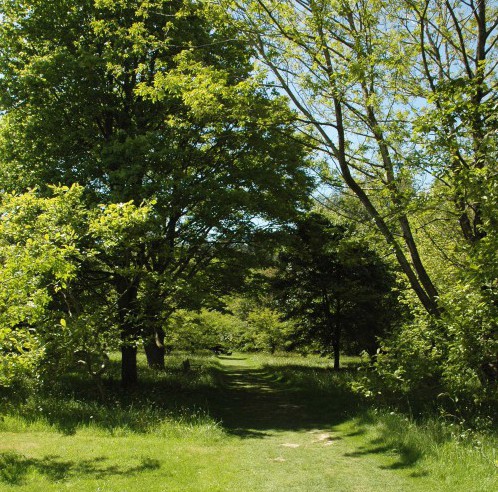
The woodland trail

The shady woodland trail

On the edge of the trail a substantial bramble was still flowering and literally buzzing with insects, mostly hoverflies and bees. There were two butterflies, a Red Admiral and a Comma that were flying around rather frantically, both of which briefly (and separately) landed on my arm. Poor things were clearly overcome by the presence of both sun and nectar. I would have liked a more conventional shot of the Comma, this being the first I’d seen here this year, but it was taunting me from high over my head so this was my best view. I rather like it and it’s clear from the outline that it is a Comma.

The Comma insisted on playing hide and seek

The Comma insisted on playing hide and seek

The hoverflies were very active, not pausing for long but these are the ones I could get to fairly easily:

Volucella pellucens-Pellucid fly is the largest fly in Great Britain

Volucella pellucens- sometimes called the Pellucid fly, this is the largest fly of Great Britain

150712TG-Bryn Euryn-hvfly-Volucella pellucens (7)

A gorgeous Volucella zonaria

A gorgeous Volucella zonaria – my first sighting here

A Tapered drone fly-eristalis pertinax grooming its legs

A Tapered drone fly – Eristalis pertinax

Eristalis nemorum (interruptus)

Eristalis nemorum (interruptus)

A more distant view of a Helophilus pendulus

A more distant view of a Helophilus pendulus

A Syrphus sp hoverfly-Syrphus ribesii - one of the most common species

A Syrphus sp hoverfly-Syrphus ribesii – one of the most commonly seen species

A tiny Marmalade fly-Episyrphus balteatus, probably our most common hoverfly

A tiny Marmalade fly-Episyrphus balteatus, probably our most common hoverfly

There were bees too, including lots of tiny red-tailed and buff-tailed worker bumblebees that were way too quick for me to focus on.

Honey bee

Honey bee

A less charming insect to many, I find the Flesh-eating fly-Sarcophaga carnaria rather attractive to look at. I think the white feet complete the look, makes it look rather dapper.

Flesh-eating fly-Sarcophoga carnaria

Flesh-eating fly-Sarcophoga carnaria

The trees are still green and fresh-looking thanks to the rain and cooler weather, although those in the top right of the next picture are looking quite lacy.

150712TG-Bryn Euryn-looking up into an ash tree

Looking up into an Ash tree

Continuing along the trail I hear a few birds letting the world know they are still about, Chiffchaff song bursts were fairly frequent, I heard Wrens and the contact calls of Blue Tits and plenty of corvid cawings. I found this feather too, maybe once belonging to a Magpie, it gleamed shades of almost peacock-blue in the dappled sunlight.
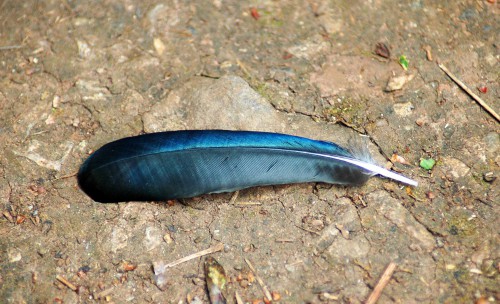
A corvid feather

A corvid feather

Honeysuckle is in flower now on the trail’s  edge and I couldn’t resist stopping to inhale its clean, fresh fragrance.

Lovely scented honeysuckle

Lovely scented honeysuckle

There is purple Hedge woundwort too, which has an earthy pungent, nettle-like scent.

Pungently scented Hedge Woundwort

Pungently scented Hedge Woundwort

Foxgloves are almost over-flowering reduced to the tips of the long bent-over  stems

Foxgloves are almost over-flowering reduced to the tips of the long bent-over stems

Wood sage-Teucrium scorodonia

Wood sage-Teucrium scorodonia

And a St John’s Wort I’d not spotted before, which I think is hypericum montanum, but happy to be corrected as always.

Pale St John's Wort-Hypericum montanum

Pale St John’s Wort-Hypericum montanum

A rather unusual plant grows here in the shady woodland, delightfully named the Stinking Iris and sometimes the ‘Roast-beef Plant’, both names allude to the sweetly acrid smell, like ‘high’ meat. This is one of just two Iris species native to the UK; the other is the Yellow Flag Iris.

The charmingly-named Stinking Iris-Iris foetidissima

The delightfully-named Stinking Iris-Iris foetidissima

Closer look at an Iris flower

Closer look at an Iris flower which is a greyish-mauve tinged with a brownish-pink

The much more common Nipplewort

The much more common Nipplewort-Lapsana communis

A Nipplewort leaf showing the path of a leaf-miner

A Nipplewort leaf showing the path of a leaf-miner

I picked a couple of ripe wild wild strawberries, trying not to think about the fly sitting on a leaf above them and their proximity to the path along which there is a regular procession of loose dogs….. They were delicious, regardless.

Sweet-tasting Wild Strawberries

Sweet-tasting Wild Strawberries

Turned off and took the steps up to Adder’s Field

Steps leading up to the meadow

Steps leading up to the meadow

more treats were in store there but there’s far too much to cram into one post, so will be continued….

Share this:

  • Share on Facebook (Opens in new window) Facebook
  • Share on Pinterest (Opens in new window) Pinterest
  • Share on X (Opens in new window) X
Like Loading...

A welcome visit from a ho(o)verfly

17 Friday Jul 2015

Posted by theresagreen in British hoverflies, hoverflies, Nature of Wales

≈ 2 Comments

Tags

pied hoverfly, scaeva pyrestri, small hoverfly with black and white markings

On a warm sunny morning earlier this week I opened my living room windows, as I do most days, and was delighted when a little hoverfly popped in for a visit. It was a black and white one, commonly called the Pied Hoverfly, a species I hadn’t yet seen this year.

12/7/15-Pied Hoverfly-Scaeva pyrastri

12/7/15-Pied Hoverfly-Scaeva pyrastri

It settled on a houseplant in front of the open window, but then I was inspired to go and fetch another plant, a small banana plant that I had previously noticed was under serious attack by greenfly. The hoverfly took to it immediately and quickly began to feast on the sticky honeydew secreted by the aphids.

12/7/15- Pied Hoverfly- Scaeva pyrastri

12/7/15- Hoovering up the honeydew

Watching the little insect at work hoovering up the clearly delicious sticky stuff was fascinating, and I thoroughly enjoyed the opportunity to get some close-up views of it whilst sitting comfortably on a chair. I was feeling a bit guilty about the extent of the marauding aphids on the poor plant though, which was also brought into shaming close-up. I just don’t like killing things, even greenfly.

The distinct creamy-white markings are shaped like commas

The distinct creamy-white markings are shaped like commas

Front view

Front view

150712-hvfly-Scaeva pyrastri (12)a

Huge eyes and a rough, scaly tongue

But the hoverfly was really only quite tiny…

On a more realistic scale

On a more realistic scale

The Pied Hoverfly-Scaeva pyrastri is a migratory species, which as with the Red Admiral and Clouded Yellow butterflies, arrives in Britain in highly variable numbers. In some years it is almost absent, bt when it does occur it may breed locally. (Britain’s Hoverflies-Stuart Ball & Roger Morris)

Share this:

  • Share on Facebook (Opens in new window) Facebook
  • Share on Pinterest (Opens in new window) Pinterest
  • Share on X (Opens in new window) X
Like Loading...

Are bees ‘hooked’ on nectar containing pesticides? — ScienceDaily

12 Sunday Jul 2015

Posted by theresagreen in bumblebees, Nature of Wales

≈ 2 Comments

I found this article really interesting and thought I’d share it.

Bees are attracted to nectar containing common pesticides, scientists at Newcastle University and Trinity College Dublin have discovered. This could increase their chances of exposure to high levels of pesticides.

Previous studies have suggested that exposure of this kind can affect bees’ fitness. The research, published in Nature, discovered that buff-tailed bumblebees and honeybees could not taste the three most commonly used neonicotinoid pesticides and so did not avoid them. In fact, the bees showed a preference for food which contained pesticides: when the bees were given a choice between sugar solution, and sugar solution containing neonicotinoids, they chose the neonicotinoid-laced food.

The lab-based study also showed that the bumblebees ate more of the food containing pesticides than the honeybees, and so were exposed to higher doses of toxins.

Bees and other pollinating insects are important for increasing crop yields — their value has been estimated to be worth at least €153billion per year globally. When pollinating crops, they can be exposed to pesticides in floral nectar and pollen. Several controversial studies have shown that neonicotinoids have negative effects on bee foraging and colony fitness. As a result, public concern has grown over the impact of neonicotinoids on bees and other pollinators. In April 2013, the EU introduced a temporary ban on the use of neonicotinoid pesticides on flowering crops, while further scientific and technical evidence was gathered.

Professor Geraldine Wright, lead scientist on the study at the Institute of Neuroscience at Newcastle University, said: “Bees can’t taste neonicotinoids in their food and therefore do not avoid these pesticides. This is putting them at risk of poisoning when they eat contaminated nectar.

“Even worse, we now have evidence that bees prefer to eat pesticide-contaminated food. Neonicotinoids target the same mechanisms in the bee brain that are affected by nicotine in the human brain. The fact that bees show a preference for food containing neonicotinoids is concerning as it suggests that like nicotine, neonicotinoids may act like a drug to make foods containing these substances more rewarding. “If foraging bees prefer to collect nectar containing neonicotinoids, this could have a knock-on negative impact on whole colonies and on bee populations.”

Jane Stout, Professor of Botany and Principal Investigator in the School of Natural Sciences at Trinity College Dublin, said: “Our findings imply that even if alternative food sources are provided for bees in agricultural landscapes where neonicotinoid pesticides are used, the bees may prefer to forage on the neonicotinoid-contaminated crops. Since neonicotinoids can also end up in wild plants growing adjacent to crops, they could be much more prevalent in bees’ diets than previously thought.”

The study is part of the Insect Pollinators Initiative, jointly funded by the Biotechnology and Biological Sciences Research Council (BBSRC), Defra, the Natural Environment Research Council (NERC), the Scottish Government and the Wellcome Trust under the auspices of the Living with Environmental Change (LWEC) partnership. It was also funded by Science Foundation Ireland, the Irish Research Council, and National Science Foundation.

Are bees ‘hooked’ on nectar containing pesticides? — ScienceDaily.

Share this:

  • Share on Facebook (Opens in new window) Facebook
  • Share on Pinterest (Opens in new window) Pinterest
  • Share on X (Opens in new window) X
Like Loading...

Alien invaders in the Ally Pally Park

05 Sunday Jul 2015

Posted by theresagreen in Insects, Nature of Wales

≈ 5 Comments

Tags

Alexandra Park, harlequin ladybird, Harmonia axyridis, invasive ladybird species, invasive species, ladybird larva, ladybirds, longhorn beetle

I’ve recently spent two weeks in London with my youngest daughter, awaiting the arrival of her first baby. She was a little bit late, as babies often are, so to alleviate everyone’s tension a little, my son took over ‘ entertaining mother duties’ for a couple of days. He lives in North London near to the lovely  Alexandra Palace, and he took me there for some much-appreciated exercise and a glimpse of some natural scenery of the surrounding Alexandra Park.

On the way there we walked by a children’s playground and I could not pass it by without acknowledging the large recumbent and clearly friendly dragon that forms an imaginative raised play area.

Play area built on the back of a dragon

Play area built on the back of a dragon

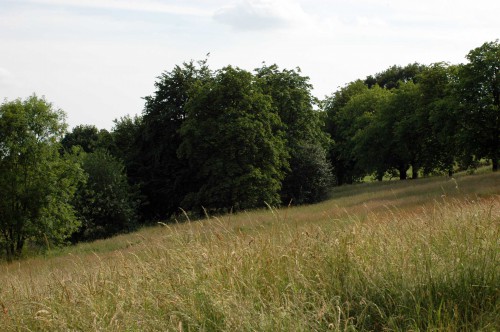
Long grass on the hillside of Alexandra Palace Park

Long grass on the hillside of Alexandra Park

I was pleasantly surprised by the amount of space left in a natural state.

Aleandra Palace & surrounding parkland

Alexandra Palace & some of its surrounding parkland (photo from official website)

Alexandra Palace is set atop a steep hill located between Muswell Hill and Wood Green, in the north of the city. Alexandra Park was opened by the renowned landscape architect Alexander McKenzie as a pioneering Victorian leisure Park and centre for education and entertainment.Originally opened in 1873 but rebuilt in 1875 following a destructive fire, it was designed to serve as a public centre of recreation, education and entertainment and as north London’s counterpart to The Crystal Palace in south London. It was always intended as “The People’s Palace” and later nicknamed “Ally Pally” (supposedly by Gracie Fields)

 Managed by the Alexandra Park and Palace Charitable Trust, the Park’s 196 acres of Grade II listed English Heritage parkland is maintained by a specialist team dedicated to ensuring the beautiful landscape is well preserved and remains very much at the heart of the local community.

Dog Rose-

Dog Rose- Rosa canina

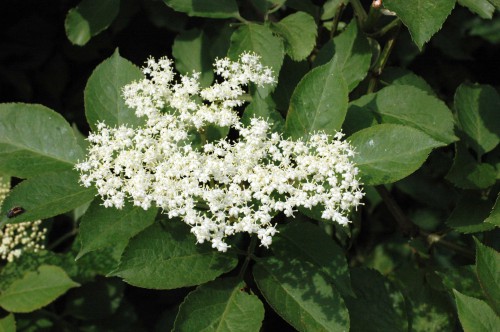
I stopped to photograph elderflower blossom and spotted the first of several ladybird larvae I was to see on and around the elder tree.

Elderflower blossom

Elderflower blossom & first glimpse of a ladybird larva

The larvae were quite sizeable, so would be classed as ‘juvenile’, in a late instar form. I didn’t recognise which species of ladybird they belonged to, although I did think it unusual to see so many and that they were out in the open.

Ladybird larva on an elder leaf

A ladybird larva has four instars, i.e. it sheds its skin four times as it grows. Early instar larvae are very small and difficult to identify, but third and fourth instar larvae, particularly of the larger ladybird species are more recognisable.

The larva

The larva close-up

Then I saw a ladybird actually in the process of emerging into its adult form and it clicked that these were a new generation of the invading alien Harlequin ladybird – Harmonia axyridis. 

An emerging Harlequin ladybird

An emerging Harlequin ladybird

Harlequin ladybird – Harmonia axyridis

Common names: Asian lady beetle: Halloween lady beetle; Multicolored Asian lady beetle

Harlequin ladybirds, native to Asia,  were introduced to north America and mainland Europe as a biological control for aphids, but their voracious apetites and the subsequent decline of native ladybird species has focused attention on them as a subject for control. Large numbers hibernate indoors and in wall cavities during cool winter weather, which doesn’t help their cause.

A recent article in the Guardian newspaper names the species as the world’s most invasive ladybird and states that “Harlequin ladybirds have been declared the UK’s fastest invading species after reaching almost every corner of the country in just a decade. The cannibalistic ladybirds were first realised to have reached the UK in 2004 when they were seen in Essex and have since spread as far afield as the tip of Cornwall and the Shetland Islands, making it the fastest alien invasion of the UK on record.

Dr Helen Roy, of the Centre for Ecology and Hydrology, said a decade of sightings recorded by the public as part of the UK Ladybird Survey since 2005 have revealed just how far and fast the harlequin has spread… adding that it is now consolidating its presence in the UK.

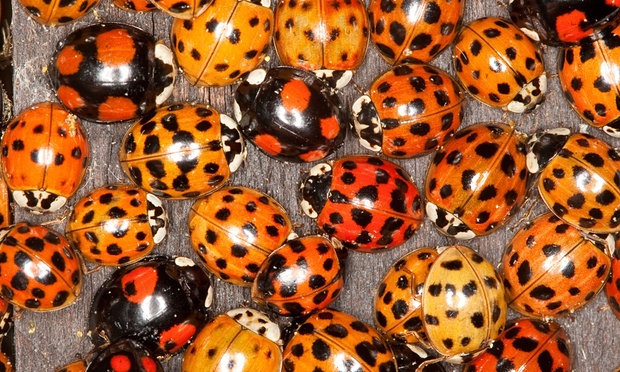
Harlequin ladybirds (image from the Guardian)

Harlequin ladybirds are variable in their appearance (image from the Guardian)

The species is believed to be responsible for the decline of at least seven native ladybirds, including the popular two-spot, which when last assessed in 2012 had slumped 44%. Dr Roy said that there has been no sign of a recovery among two-spots.

On a brighter note, it may be that Harlequins have some benefits as they prey on a variety of smaller insects, especially aphids which can damage crops and garden flowers, but the extent to which they protect plants is undetermined. There is also evidence to suggest that native insects may now have adapted to prey on the Harlequins, helping to keep numbers in check.

The invasion of the Harlequin ladybird (Harmonia axyridis) threatens our native populations. If you want to know more about this species in particular, or want to record sightings, please have a look at the Harlequin Ladybird Survey website.

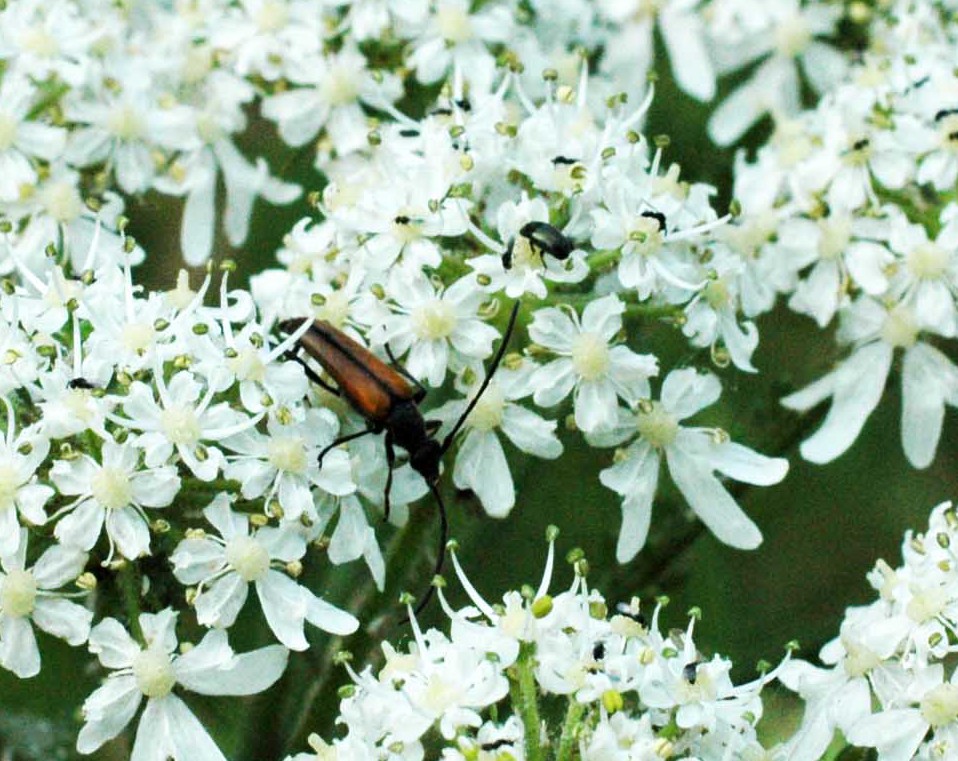
Moving on I found more beetles on a hogweed flowerhead, the large one is a Longhorn beetle.

Longhorn beetle-Stenurella melanura - Stenurella melanura

Longhorn beetle-Stenurella melanura – Stenurella melanura

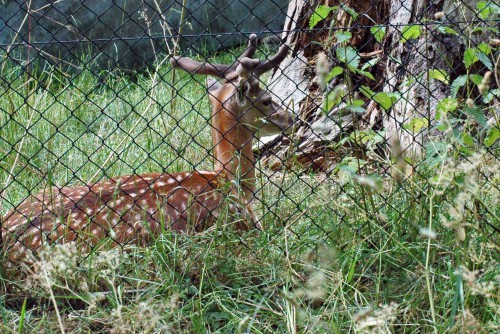
We walked along an avenue lined with enormous London Plane trees and stopped to look at some of  the Fallow Deer in the enclosure. Alexander Mackenzie included a small deer enclosure when he designed the original layout of the park. Fallow deer were reintroduced to Alexandra Park by the GLC and the small herd here today are their direct descendents.

Roe deer male with new antlers still covered with velvet

Fallow deer male with new antlers still covered with velvet

We strolled around the boating lake, eating ice cream and watching mallards, several of which were females with varying-sized ducklings, coots, tufted ducks and canada geese swimming around. At the far end of the lake a flock of opportunistic pigeons and a couple of grey squirrels were feasting on food probably put out for the ducks.

We hadn’t gone to see the Palace itself, but I couldn’t not mention that of course this is where the world’s first television broadcast was transmitted from.

Alexandra Palace is where the first BBC broadcast was made

The world’s first television broadcast was famously made from Alexandra Palace 

I loved this round stained glass window too, it must be even more special viewed from inside the building with the light shining through it.

The jewel-like stained glass window

The jewel-like stained glass window

We had come to the top of the hill for the views – from the terraces of the Palace there are spectacular panoramic views of London’s skyline.

View to the London skyline - click to enlarge

View to the London skyline

The breathtaking views stretch from Canary Wharf to St Paul’s Cathedral and the Shard. The view extends as far as Crystal Palace, with its transmitter being visible on the horizon. (Click on images to enlarge them)

View to London city skyline - click to enlarge

View to London city skyline – I think the large red brick building just left of centre is HM Prison Holloway (sometimes known as Holloway Castle)

The Friends of Alexandra Park organise various nature-based activities that have included a Fungus Foray, Bat Walk, Bird Walk, Tree Walks, Insect Hunt and a Moth Evening.

PS – Mother and baby granddaughter doing well!


Share this:

  • Share on Facebook (Opens in new window) Facebook
  • Share on Pinterest (Opens in new window) Pinterest
  • Share on X (Opens in new window) X
Like Loading...

Through the Laburnum Arch

01 Wednesday Jul 2015

Posted by theresagreen in Nature, Nature of Wales, nature photography

≈ 8 Comments

Tags

blue damselfly, Bodnant Gardens, common blue damselfly, common newt, damselfly, gingko biloba tree, National Trust

Bodnant Gardens is rightly famed for its laburnum arch which during its peak flowering time is a truly glorious sight. Earlier in the year a friend and I visited whilst it was being pruned back, a mammoth task conscientiously performed each year, so we were very keen to see it again when it came into bloom.

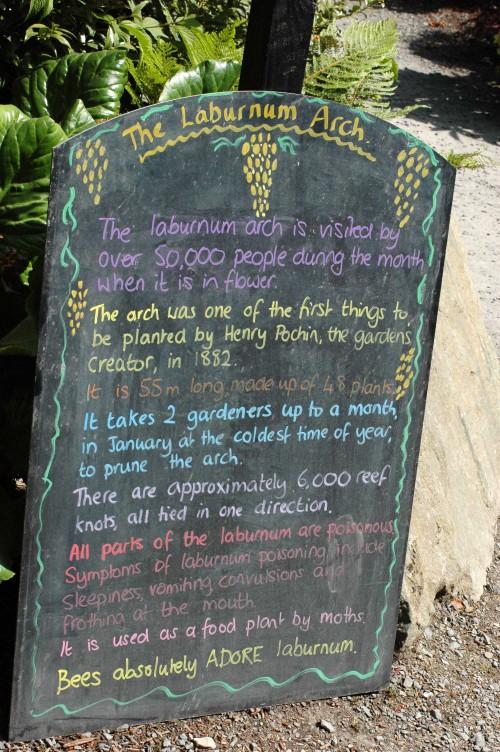
information about the laburnam aarch

information about the laburnum arch

How it looked back in mid-January this year:

Pruning the laburnam arch

Pruning the laburnum arch

I had been a little concerned that we may have missed the arch at its best, but fortunately the cooler than usual Spring weather had delayed the event and it turned out our timing was perfect. The arch was breathtaking; honestly, words and even photographs cannot come close to doing it rightful justice.

Walking through sunshine

Walking through sunshine

A rare moment with no people in view

A rare moment with no people in view

There was hardly a space between the glorious panicles of blossoms

There was hardly a space between the glorious racemes of blossoms

Laburnum, or Common Laburnum –  Laburnum anagyroides  is a species of small tree in the subfamily Faboideae of the pea family Fabaceae. The trees are native to the mountains of southern Europe from France to the Balkan Peninsula. The trees are deciduous. The leaves are trifoliate, somewhat like a clover; the showy flowers are yellow, fragrant and held in pendulous racemes 10–30 cm (4–12 in) long in spring, which makes them very popular garden trees. InL. anagyroides, the racemes are 10–20 cm (4–8 in) long, with densely packed flowers. All parts of the plant are poisonous, and can be lethal if consumed in excess.

Flowers & leaves

Flowers & leaves

Having fulfilled the wish to see the magnificent, but artfully manipulated arch, I was keen to explore the wilder side of the rest of the grounds.

The walkway from the arch

The walkway leading down from the arch

150610-Bodnant 4

Alliums

To the wilder side of the garden

Pathway to the wilder side of the garden

The wildflower meadow

The wildflower meadow

Then along a pathway that is ‘semi-wildly’ planted with long grass and flowering plants that I think are species of Asphodel.

Pathway planted  with asphodels

Pathway planted with asphodels

From their appearance I think these are a species of Asphodel

From their appearance I think these are a species of Asphodel

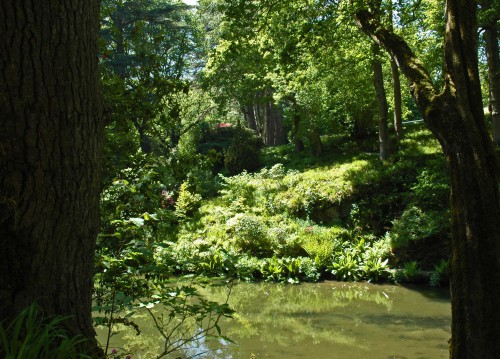
Along a newly-opened woodland path alongside water

Along a newly-opened woodland path alongside a stream

Being a warm, sunny day our walk was much about light, dappled shade, water both running and still that held deep reflections of the lush foliage above it.

Beneath white blossomed rhododendron

Beneath a canopy of white blossomed rhododendron

Cool green

Reflected cool greens

Red

Red-flowered rhododendrons glow amongst the cool greenery

oo

The Skating Pond and its environs, appropriately named ‘Far End’ are a newly restored area of the Gardens and only recently opened to the public.  The area was originally named the ‘Wild Garden’ and is believed to have been designed to give a naturalistic feel, recreating what was seen and experienced in nature. Sightings of kingfishers, herons, otters and woodpeckers are all possible here.

Dozens of brilliant blue damselflies flitted around the edge of the pond, pausing to rest on the foliage that lines its edges.

Damsel fly

Common Blue Damselfly on a hosta leaf

And I have never seen as many tadpoles as there were swimming in ‘schools’ around the lily pads.

150610-Bodnant 48

A small number of the hundreds of tadpoles in the pond

across the Skating Pond

across the Skating Pond

Yellow Flag Iris

Yellow Flag Iris

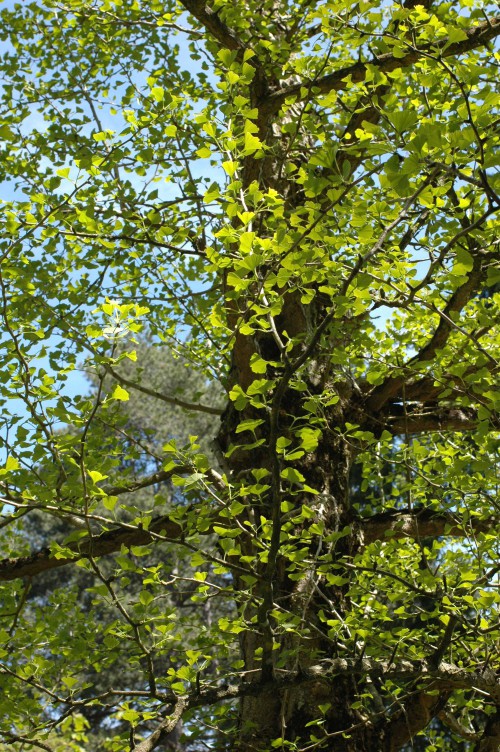
There is a lovely gingko biloba, one of the most ancient of tree species, growing in this part of the garden

A Ginko Biloba tree

A Gingko Biloba tree- also known as Maidenhair tree

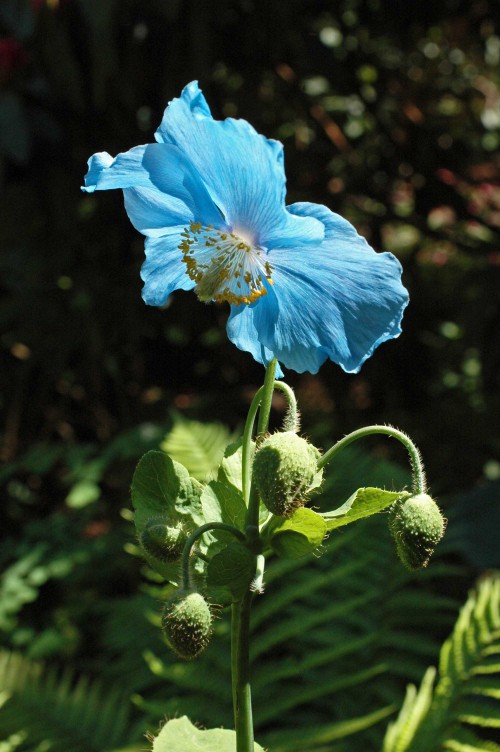
and beneath the tree beautiful blue Meconopsis, or Himalayan Poppy

Meconopsis-Himalayan Poppy

Meconopsis sp – Himalayan Poppy

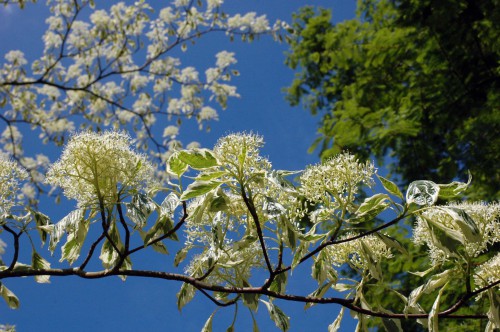
Blossom of a gorgeous   Wedding Cake Tree-Cornus controversa 'Variegata'

Blossom of a gorgeous Wedding Cake Tree-Cornus controversa ‘Variegata’

A buttecup meadow

A buttecup meadow

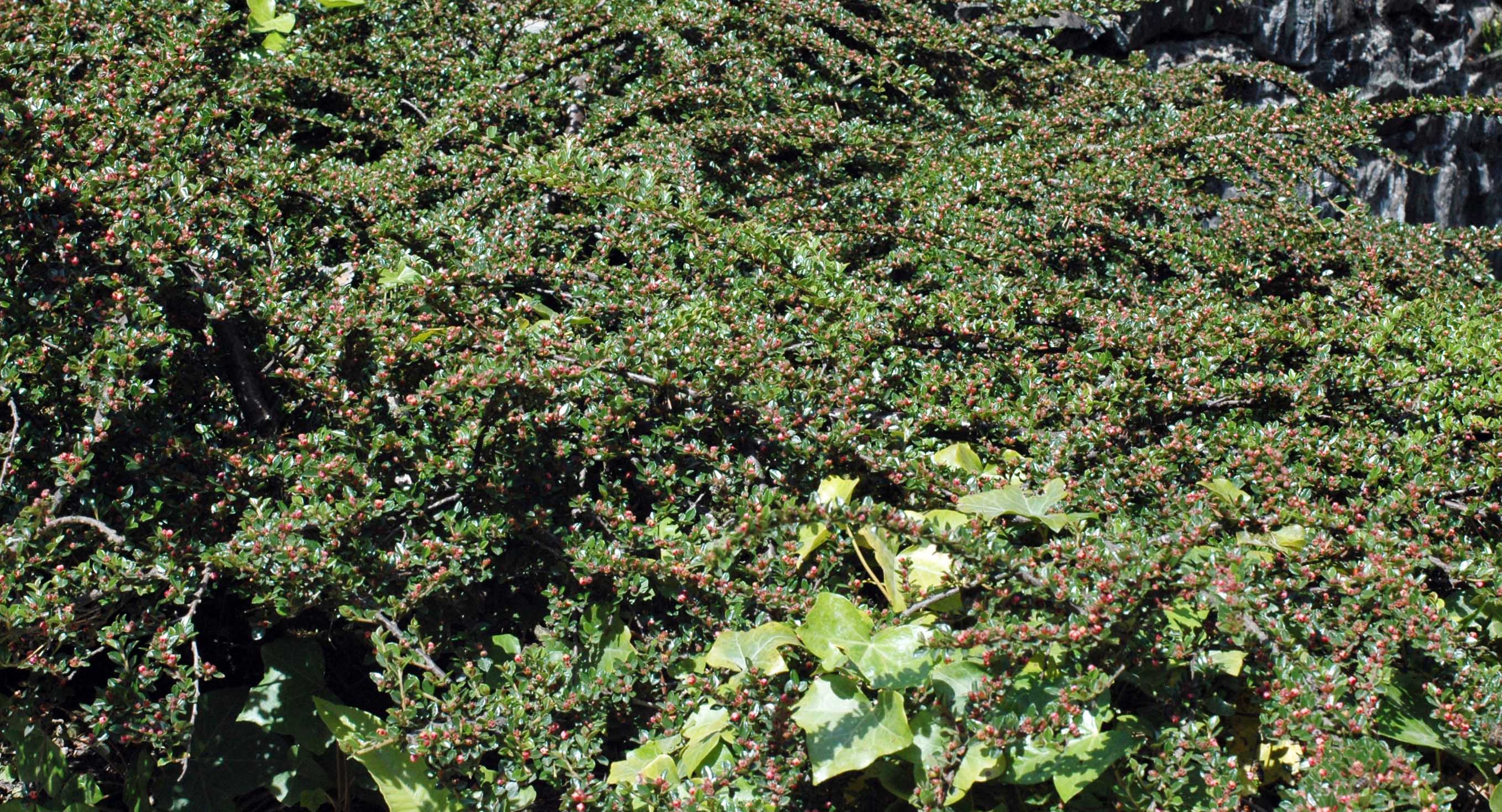
We stopped for refreshment at the café in the Dell, sitting in front of this unremarkable cotoneaster bush which we soon noticed was alive with dozens of nectaring honey bees.

The place to bee

The place to bee

Beneath tall trees

Beneath tall trees

Pink-tinges white rhododendron

Pink-tinged white rhododendron

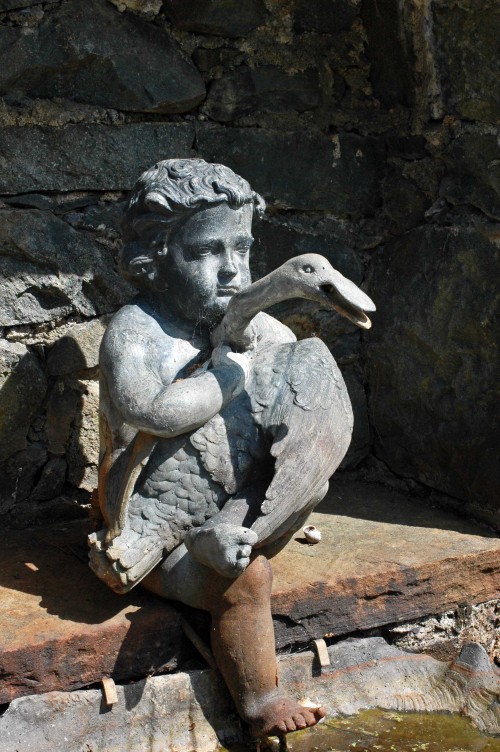
A determined boy holding onto an objecting swan

A determined small boy holding onto an objecting swan

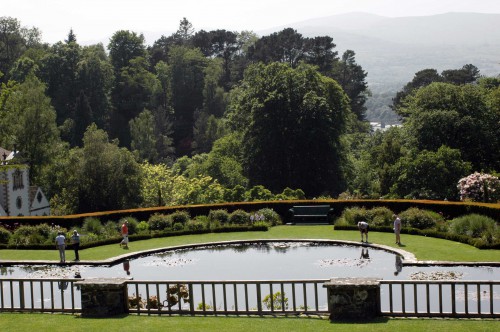
View from an upper terrace garden onto a lily pond

View from an upper terrace garden onto a lily pond

water lilies in the formal pools of the terrace gardens

water lilies in the formal pools of the terrace gardens

On the lily pads that adorn the formal pools of the Terrace gardends were more damsel flies, the males gripping onto their captive females preparing to take off for the task of the depositing of eggs. The females of this species occur in two colour forms; some are blue like the males, others, as here are green.

Coupled damselflies preparing for take-off

Coupled damselflies preparing for take-off

Between the lily pads we  were lucky to spot two newts swimming near the surface. I didn’t have my long lens with me so this is the closest I could get leaning over the edge of the pool, but I think it’s a Common or Smooth Newt.

Newt in a lily pond

Newt in a lily pond

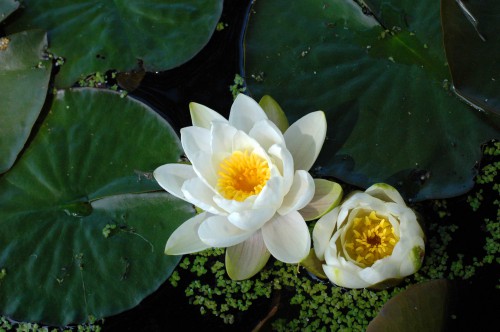
Water Lilies

Water Lilies

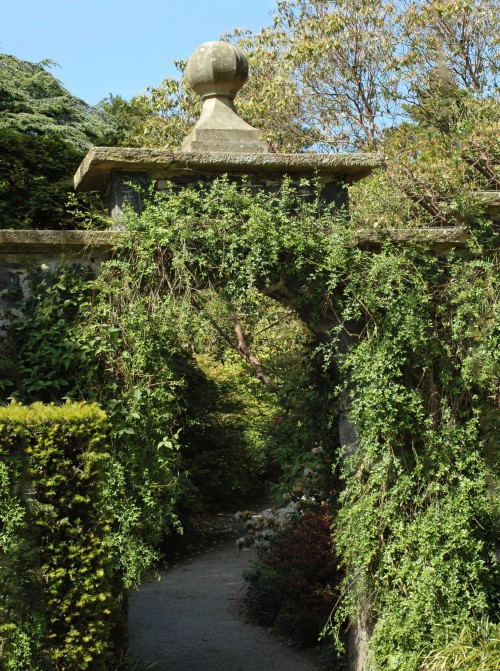
An intriguing archway in a  stone wall

An intriguing archway in a stone wall tempting further exploration

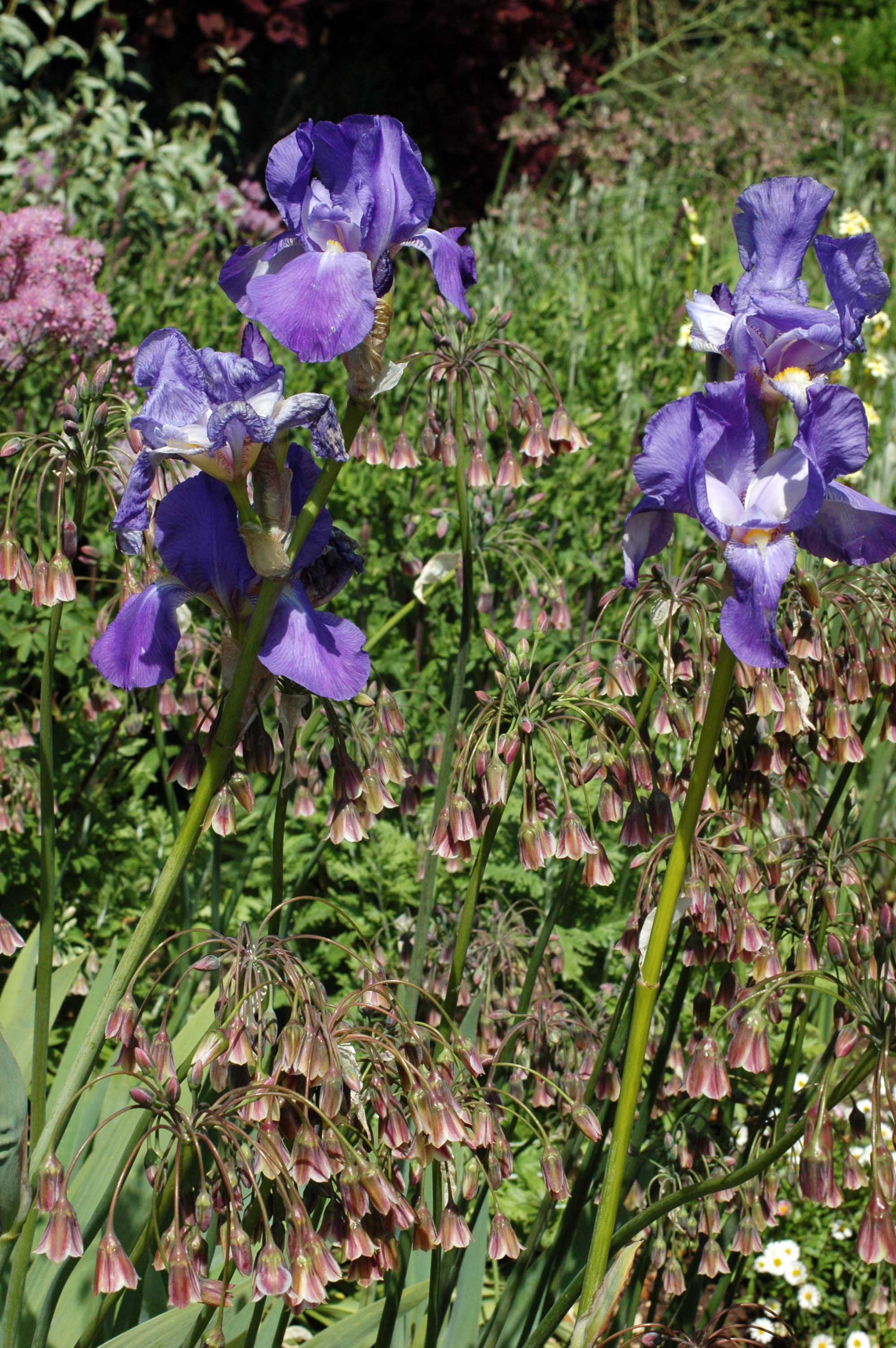
Blue flag irises

Blue flag irises amid the curious flowers of Nectaroscordum siculum

I loved the colour and form combination of the blue flag irises and unusual ornamental onion plants that had umbrellas of hanging, bell-shaped flowers. A nearby plant label named them as Nectaroscordum siculum  and I think they may commonly known as Sicilian honey garlic.

We concluded this tour of my favourite garden savouring the aromas of some of the newly-opening blooms in the rose garden which will be glorious in a few weeks time….. there’s always something here to tempt you back.

Share this:

  • Share on Facebook (Opens in new window) Facebook
  • Share on Pinterest (Opens in new window) Pinterest
  • Share on X (Opens in new window) X
Like Loading...
Follow everyday nature trails on WordPress.com

Enter your email address to follow this blog and receive notifications of new posts by email.

‘But it is the common species that keep the living world ticking over and provide most of our experiences of wildlife, and I would argue that maintaining the abundance of these is as important a conservation priority as maintaining the existence of rarities’. Richard Mabey

MOST RECENT POSTS

  • A Glimpse of Spring to Come January 22, 2025
  • Hunting the Wren December 28, 2024
  • Oh, Christmas Tree December 18, 2024
  • In and Out of the Ivy February 15, 2024
  • Nature’s Fireworks November 30, 2023
  • Wild Autumn along the Coast Path November 3, 2023

OLDER POSTS

LOOKING FOR SOMETHING IN PARTICULAR?

  • Sights and Sounds from the Little Orme 1
    Sights and Sounds from the Little Orme 1
  • Following a river to a Fairy Glen
    Following a river to a Fairy Glen
  • Catchers, a Duck and Divers
    Catchers, a Duck and Divers
  • Things Bright and Beautiful
    Things Bright and Beautiful
  • Shades, Sounds and Scents of the Woods
    Shades, Sounds and Scents of the Woods
  • Fine Dining for Crows
    Fine Dining for Crows
  • A Windy Wildflower Trail
    A Windy Wildflower Trail
  • Butterflies and more rare treats
    Butterflies and more rare treats
  • May Bee Appearing on Ivy near You
    May Bee Appearing on Ivy near You
  • The Windhover
    The Windhover

nightingale trails

The Walk of the Monarch Butterfly-Sendero de la Mariposa Monarca

The Walk of the Monarch Butterfly-Sendero de la Mariposa Monarca

MY WILDFLOWER BLOG: where the wildflowers are

Snowdrop

Snowdrop

most recent posts

Follow everyday nature trails on WordPress.com

Social

  • View teresamaygreen’s profile on Twitter

Enter your email address to follow this blog and receive notifications of new posts by email.

Website Built with WordPress.com.

  • Subscribe Subscribed
    • everyday nature trails
    • Join 358 other subscribers
    • Already have a WordPress.com account? Log in now.
    • everyday nature trails
    • Subscribe Subscribed
    • Sign up
    • Log in
    • Report this content
    • View site in Reader
    • Manage subscriptions
    • Collapse this bar
 

Loading Comments...
 

    %d