• Home
  • about
  • about the photographs
  • Local Nature Reserves
    • Bryn Euryn Local Nature Reserve
    • Mynydd Marian
  • Wales Coast Path
    • Grey Seals in North Wales
    • St.Trillo’s Chapel
    • Wildflowers of North Wales Coastal Paths, Cliffs and Dunes

everyday nature trails

everyday nature trails

Tag Archives: wild arum

Spring greens

20 Friday Apr 2012

Posted by theresagreen in Local Nature Reserves, Nature, nature of woodlands, nature photography, wildflowers

≈ 2 Comments

Tags

common ash, dog mercury, eristalis pertinax, Fairy Glen, fern fronds, garlic mustard, horse chestnut, sycamore leaves, tapered drone fly, wild arum, woodland flowers, woodland wildflowers

Recent rainfall has given a boost to the growth of  new vegetation and in the woodlands fresh greenery, in a myriad of shades and forms abounds….

Perfect new leaves of Sycamore - Acer pseudoplatanus

Oak before ash, in for a splash

Ash before oak, in for a soak ..

Leaves of the Ash tree are breaking from their tight buds

Horse chestnut trees seem to be in differing stages of growth; some still have new leaves breaking from their ‘sticky-buds’, others are in full leaf , while yet others are flowering.

Horse chestnut leaves breaking from their 'sticky-bud'

A fully open horse chestnut leaf

Horse chestnut tree with flower buds

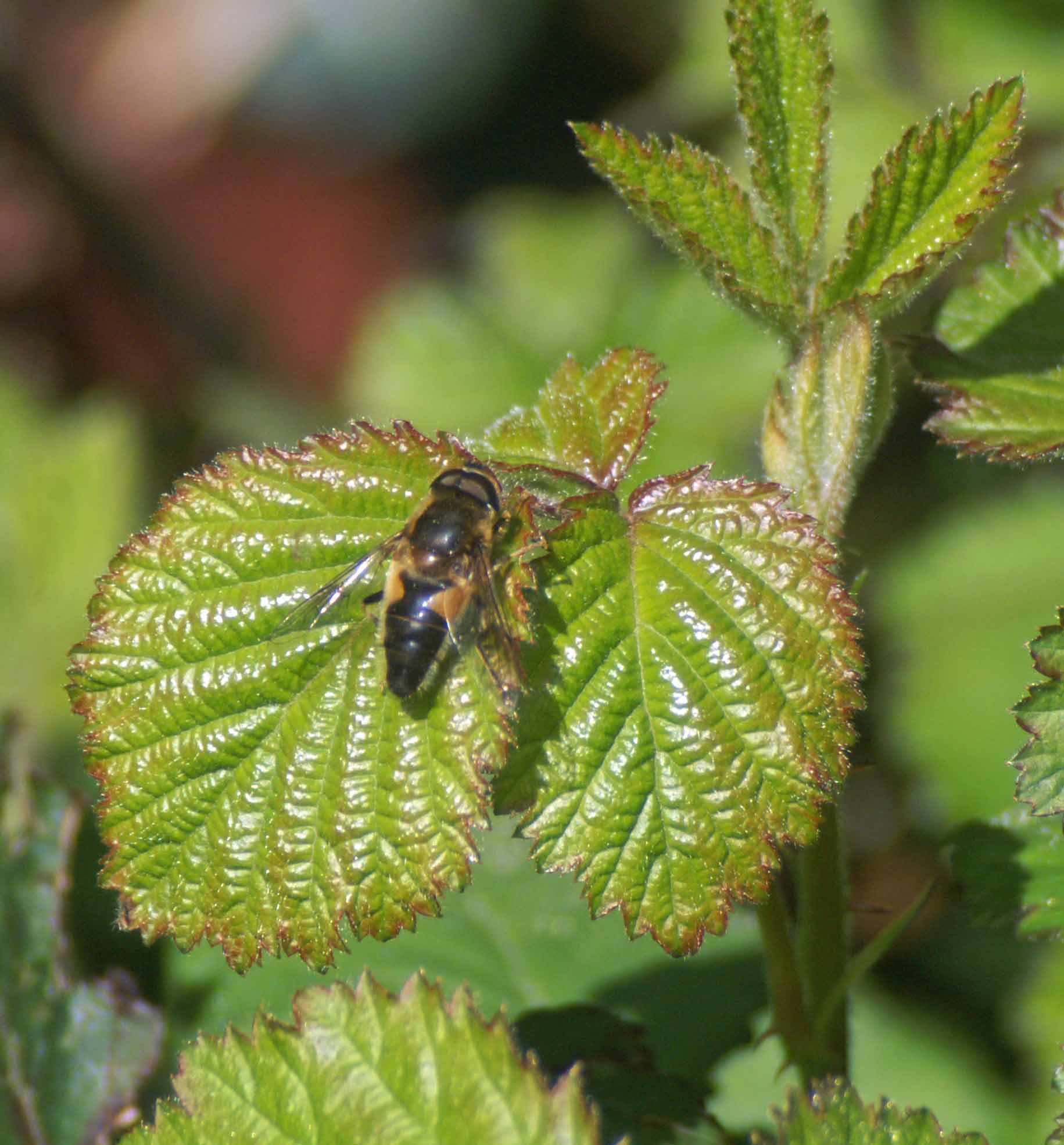
Eristalis pertinax -Tapered drone fly - basking on new leaves of bramble - rubus

A fern frond unfurling

Another 'garlicky' plant; Garlic mustard -Alliara petiolara is an erect herb of open woodlands and disturbed soil that has dark green, heart-shaped, scallop-edged, deeply veined, long-stalked basal leaves that grow up to 5" across. Leaves are a food plant of the Orange Tip butterfly larvae.

Garlic mustard flower buds

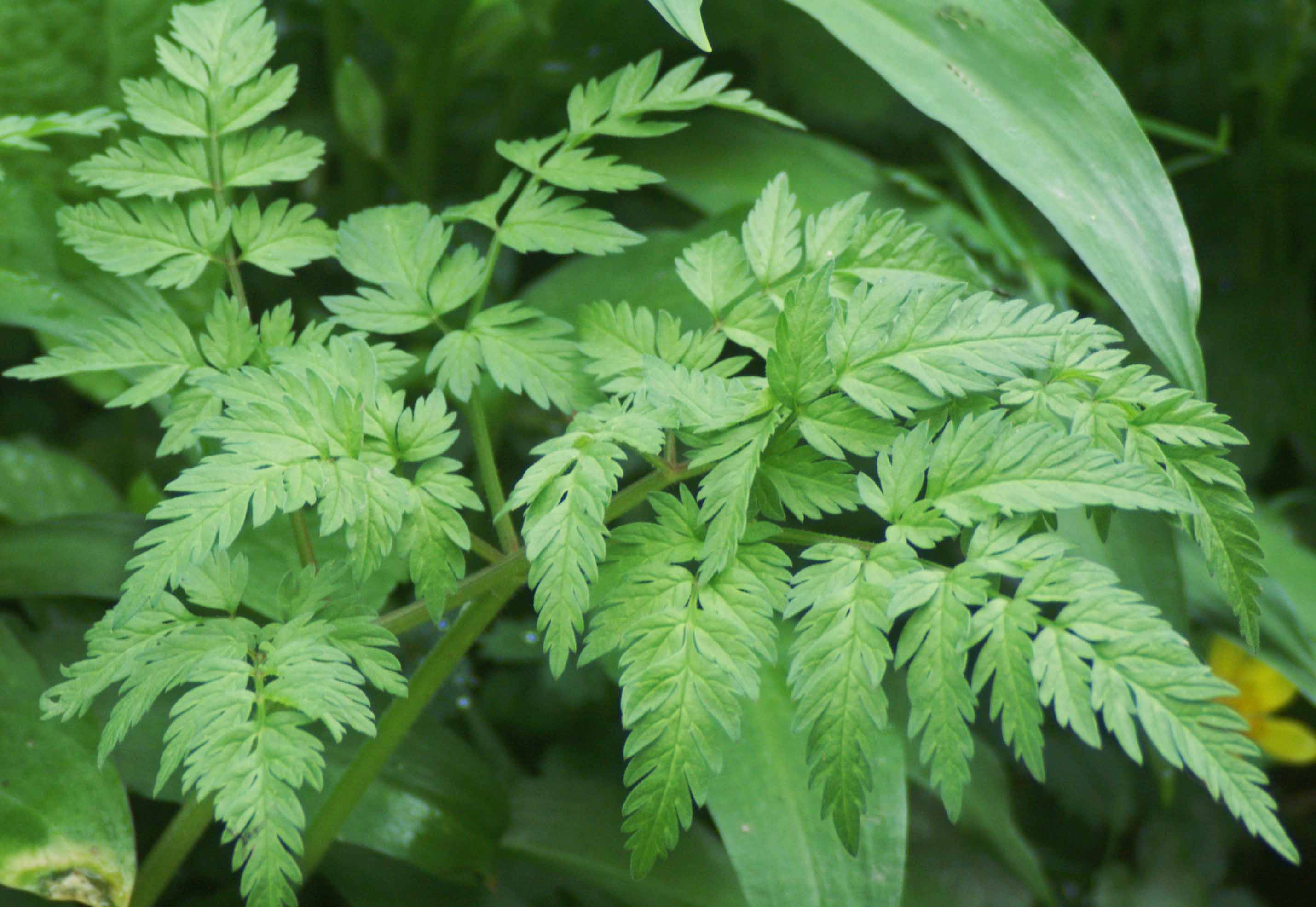
Ferny leaf of Cow parsley - Anthriscus sylvestris

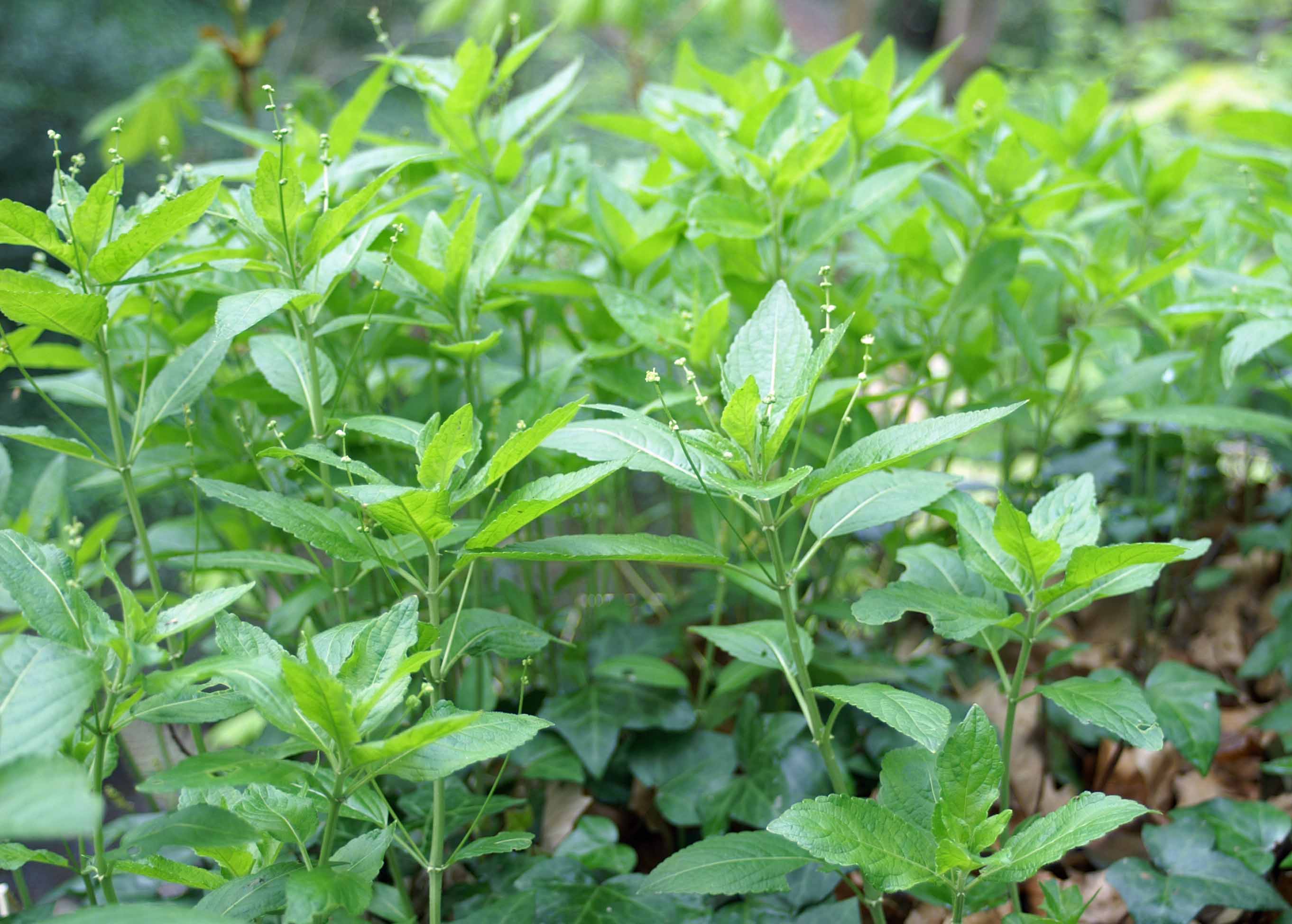
Dog's mercury-mercurialis perennis

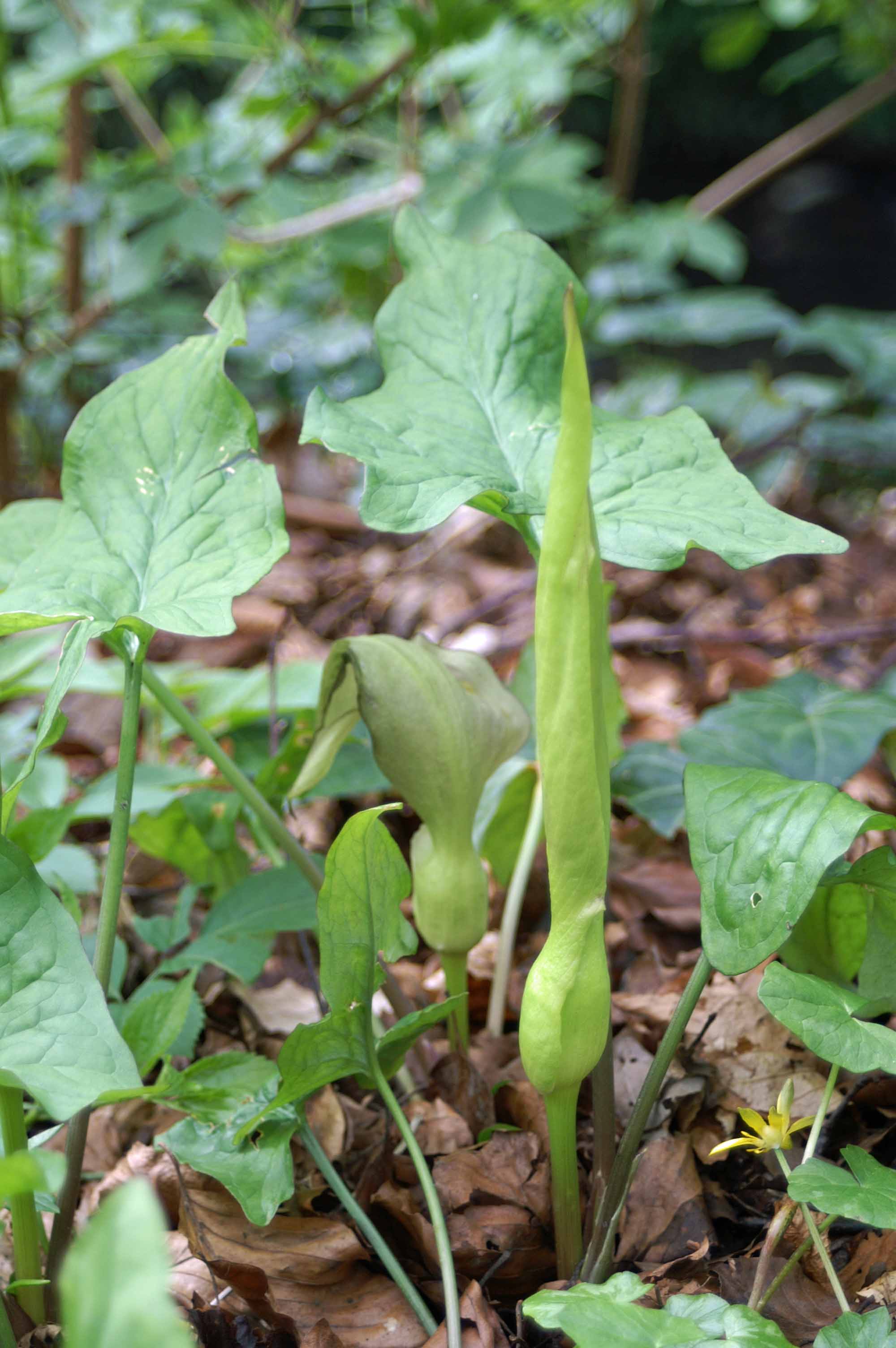
The furled green spathe of a wild arum (cuckoo pint, lords & ladies)

The green spathe unfurls to reveal the purple spadex

Share this:

  • Click to share on Facebook (Opens in new window) Facebook
  • Click to share on Pinterest (Opens in new window) Pinterest
  • Click to share on X (Opens in new window) X
Like Loading...

Red-berry trail

31 Wednesday Aug 2011

Posted by theresagreen in Bryn Euryn Nature Reserve, Nature of Wales, nature of woodlands

≈ Leave a comment

Tags

cotoneaster in the wild, cuckoo pint, haws, hawthorn, hawthorn berries, poisonous berries, red berries, wild arum

11th August

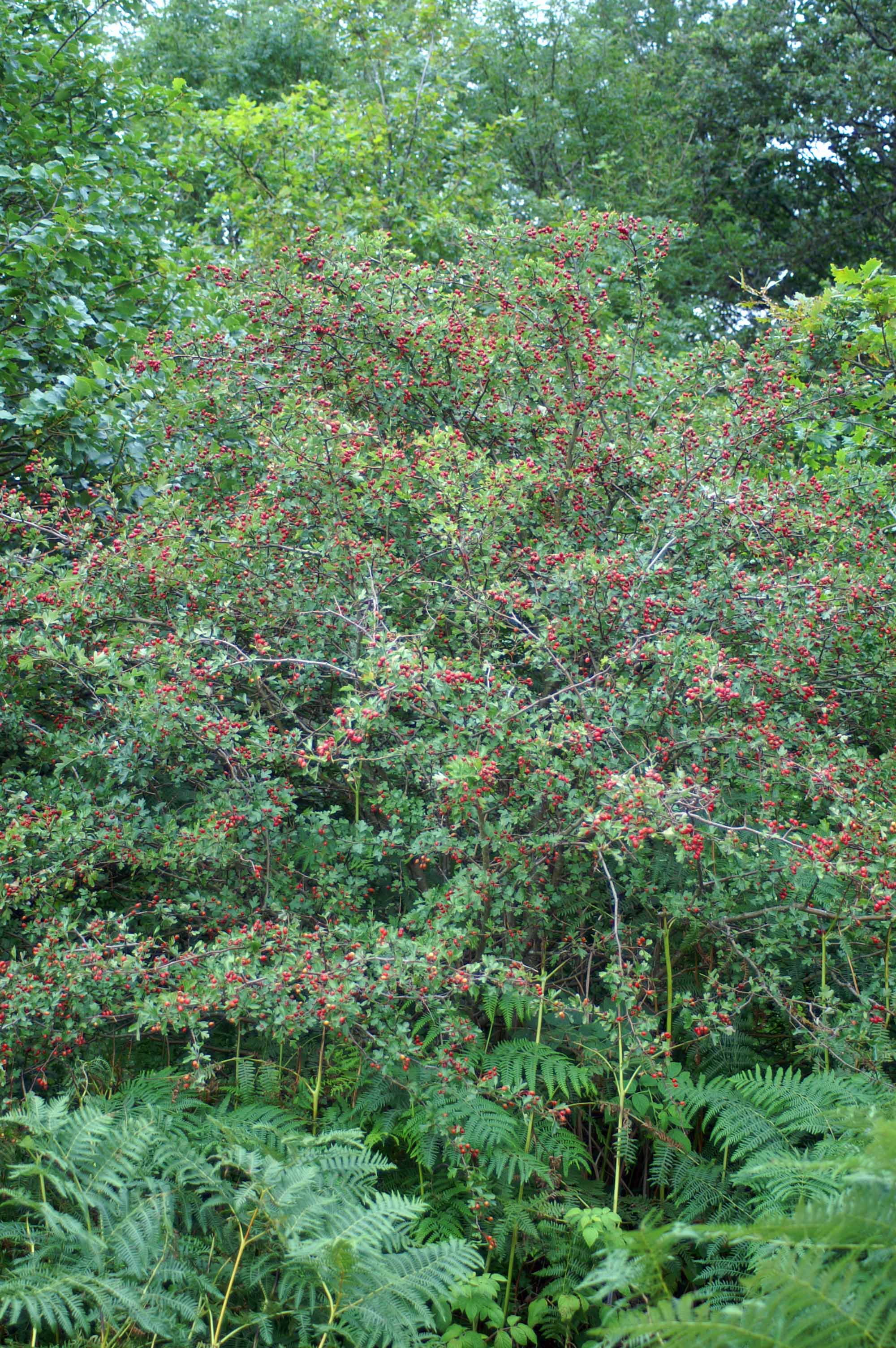
I resumed my woodland walk, passing by a Hawthorn tree laden with red berries.

11/8/11-Common Hawthorn -Crataegus monogyna, fully laden with a crop of berries

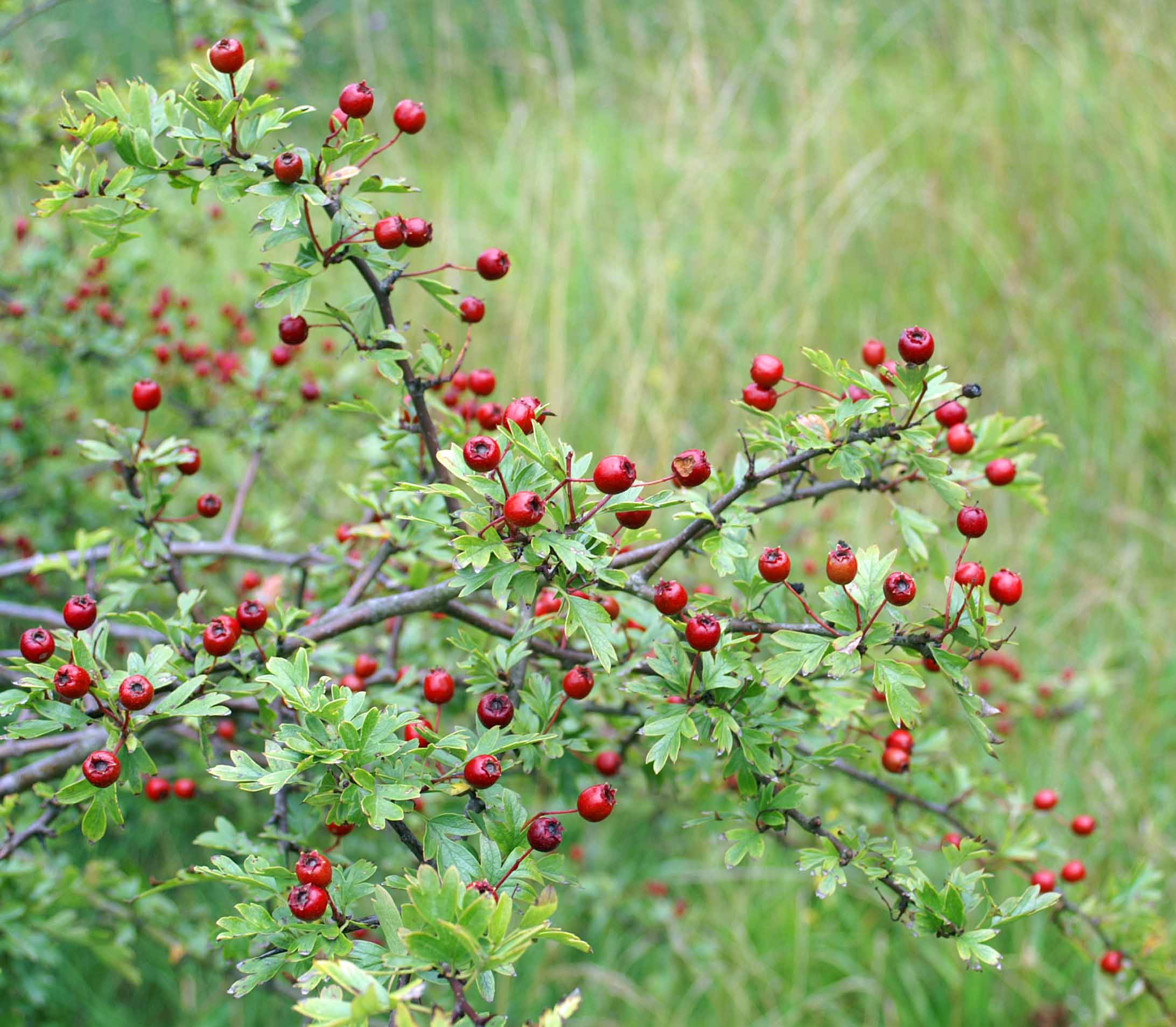
Crataegus commonly called hawthorn or thornapple, is a large genus of shrubs and trees in the rose family, Rosaceae, native to temperate regions of the Northern Hemisphere in Europe, Asia and North America.  They are shrubs or small trees, mostly growing to 5–15 m tall, with small pome fruit and (usually) thorny branches. The thorns are small sharp-tipped branches that arise either from other branches or from the trunk, and are typically 1–3 cm long.  The fruit, sometimes known as a “haw”, is berry-like, but structurally a pome containing from 1 to 5 pyrenes that resemble the “stones” of plums, peaches, etc.

11/8/11-Hawthorn berries, or haws

Hawthorns provide food and shelter for many species of birds and mammals, and the flowers are important for many nectar-feeding insects. Hawthorns are also used as food plants by the larvae of a large number of Lepidoptera species and haws are important for wildlife in winter, particularly thrushes and waxwings.

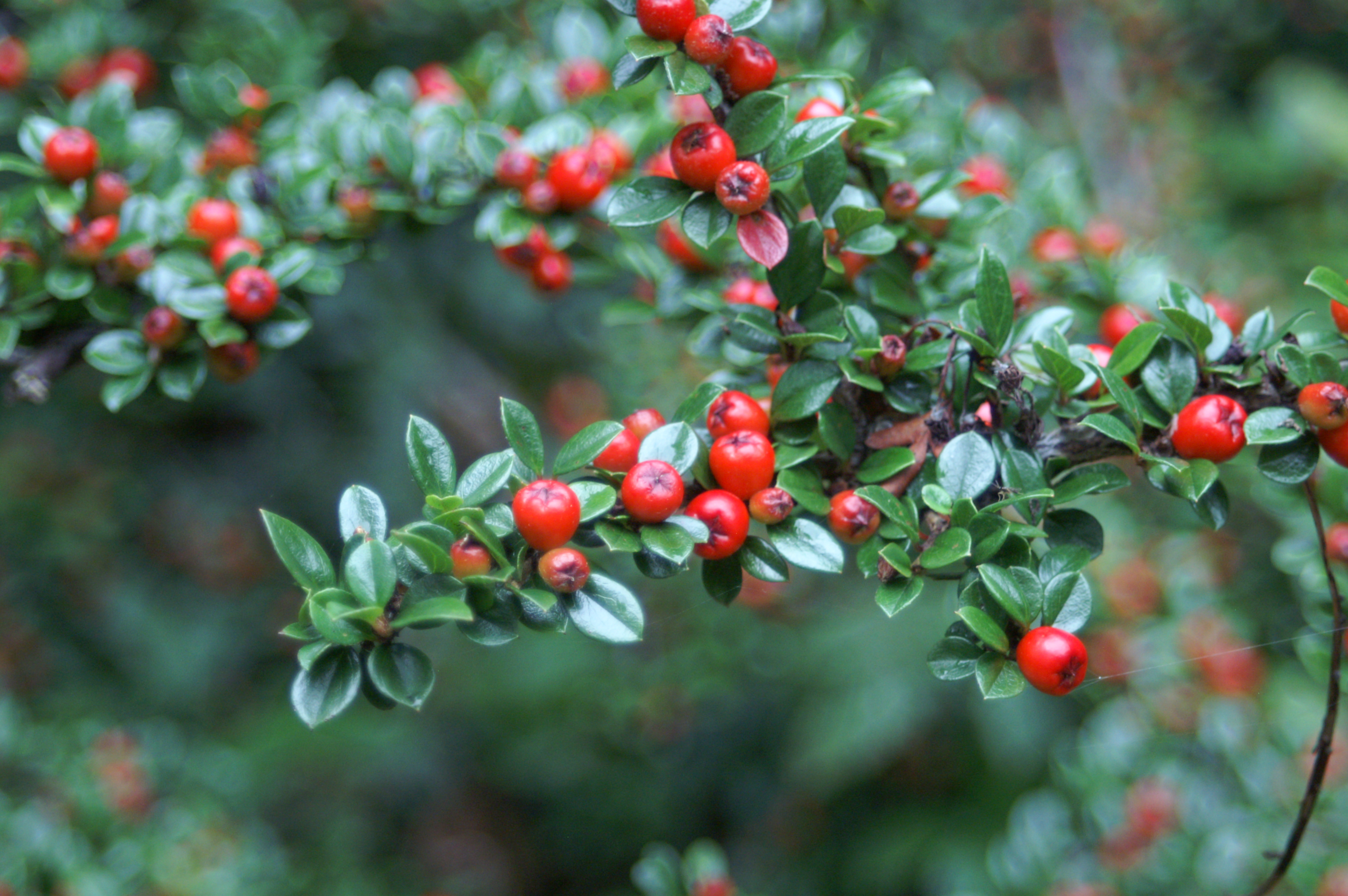
I have noted several cotoneaster shrubs growing throughout this site, which I have assumed to have arrived there via bird droppings as the shrub is not generally a native of Britain, but is widely planted in gardens.
11/8/11-Berries of Cotoneaster horizontalis

* * There is an indiginous native cotoneaster that is found growing only on the Great Orme: Cotoneaster cambricus (Wild Cotoneaster;  Welsh: Creigafal y Gogarth “rock apple of Gogath”) is a species of Cotoneaster endemic to the Great Orme peninsula in north Wales. It is the only species of Cotoneaster native to the British Isles. It has never been found naturally at any other location.

______________________________________________________

I very recently came upon the following on the ‘Plantlife’ website on the very subject of ‘escapee cotoneasters’:

Cotoneaster species

Non-native invasive plants.

Cotoneasters provide an important reminder that even with the best intentions of gardeners, the wind, birds and other animals can help plants to ‘escape over the garden wall’.

Plantlife is particularly concerned about four types of cotoneaster:

  • Hollyberry cotoneaster (C. bullatus)
  • Wall cotoneaster (C. horizontalis)
  • Small-leaved cotoneasters (C. microphyllus agg.)
  • Himalayan cotoneaster (C. simonsii).

What’s the problem?

These popular garden and landscaping shrubs are also popular with birds who enjoy the berries and spread the seed. This can spread cotoneasters in the wild, where they can be difficult to eradicate.

What are we doing about it?

Find out more about Plantlife’s invasive plant programme by clicking here

_____________________________________________________

Another probable garden escape is Hypericum – St. John’s Wort, also growing in various spots throughout the site and also now bearing red berries.

11/8/11-berries of St John's Wort-Hypericum

A native plant, the Arum lily or as I know it, Cuckoo Pint or Lords and Ladies, is also bearing bright scarlet berries now. I found them in a few places, mostly tucked almost out of sight beneath other shrubbery.
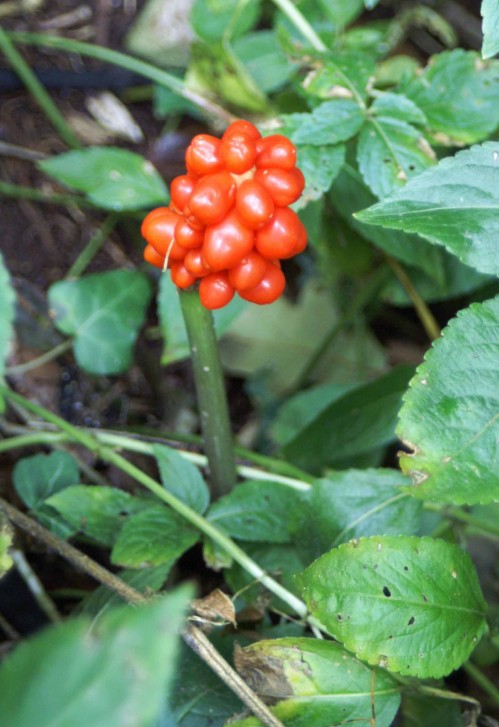
11/8/11-The poisonous berries of the Wild arum

Arum maculatum is a common woodland plant species of the Araceae family. It is widespread across temperate northern Europe and is known by an abundance of common names including Wild arum, Lords and Ladies, Devils and Angels,Cows and Bulls, Cuckoo-Pint, Adam and Eve, Bobbins, Naked Boys, Starch-Root and Wake Robin.
Share this:

  • Click to share on Facebook (Opens in new window) Facebook
  • Click to share on Pinterest (Opens in new window) Pinterest
  • Click to share on X (Opens in new window) X
Like Loading...
Follow everyday nature trails on WordPress.com

Enter your email address to follow this blog and receive notifications of new posts by email.

‘But it is the common species that keep the living world ticking over and provide most of our experiences of wildlife, and I would argue that maintaining the abundance of these is as important a conservation priority as maintaining the existence of rarities’. Richard Mabey

MOST RECENT POSTS

  • A Glimpse of Spring to Come January 22, 2025
  • Hunting the Wren December 28, 2024
  • Oh, Christmas Tree December 18, 2024
  • In and Out of the Ivy February 15, 2024
  • Nature’s Fireworks November 30, 2023
  • Wild Autumn along the Coast Path November 3, 2023

OLDER POSTS

LOOKING FOR SOMETHING IN PARTICULAR?

  • The Foxglove - of Fairytales, Myths & Medicine
    The Foxglove - of Fairytales, Myths & Medicine
  • Pretty prickly Thistles
    Pretty prickly Thistles
  • Willsbridge Mill, Bristol
    Willsbridge Mill, Bristol
  • Everyday Birds - The Blue Tit
    Everyday Birds - The Blue Tit
  • Following a river to a Fairy Glen
    Following a river to a Fairy Glen
  • Fine Dining for Crows
    Fine Dining for Crows
  • Catchers, a Duck and Divers
    Catchers, a Duck and Divers
  • Wild and Windy on West Shore
    Wild and Windy on West Shore
  • Of Gorse, Furze or Whin
    Of Gorse, Furze or Whin
  • Wildflowers of North Wales Coastal Paths, Cliffs and Dunes
    Wildflowers of North Wales Coastal Paths, Cliffs and Dunes

nightingale trails

The Walk of the Monarch Butterfly-Sendero de la Mariposa Monarca

The Walk of the Monarch Butterfly-Sendero de la Mariposa Monarca

MY WILDFLOWER BLOG: where the wildflowers are

Snowdrop

Snowdrop

most recent posts

Follow everyday nature trails on WordPress.com

Social

  • View teresamaygreen’s profile on Twitter

Enter your email address to follow this blog and receive notifications of new posts by email.

Website Built with WordPress.com.

  • Subscribe Subscribed
    • everyday nature trails
    • Join 359 other subscribers
    • Already have a WordPress.com account? Log in now.
    • everyday nature trails
    • Subscribe Subscribed
    • Sign up
    • Log in
    • Report this content
    • View site in Reader
    • Manage subscriptions
    • Collapse this bar
 

Loading Comments...
 

    %d