• Home
  • about
  • about the photographs
  • Local Nature Reserves
    • Bryn Euryn Local Nature Reserve
    • Mynydd Marian
  • Wales Coast Path
    • Grey Seals in North Wales
    • St.Trillo’s Chapel
    • Wildflowers of North Wales Coastal Paths, Cliffs and Dunes

everyday nature trails

everyday nature trails

Tag Archives: Greenfinch

Spring is Coming to the Great Orme – part 2

05 Thursday Apr 2018

Posted by theresagreen in birds of Wales, birds singing, Great Orme, Nature of Wales, North Wales, Wales Coast Path

≈ 8 Comments

Tags

Greenfinch, kestrel, kestrel hovering, scenic drives, wildlife of Wales Coast Path

March 28th 2018

16:50 The shop is closed and the day’s last tram has departed, taking most of the late-afternoon visitors to the Summit back down to the town. Outside the wind is still blowing fiercely and although sunny, it felt even colder than it was when I got here. In the wildflower garden I stopped to watch a Pied wagtail scuttling around on the short turf between the flower borders and the path. These skittish little birds are fascinating to watch. Almost perpetually in motion they walk jerkily, craning their necks forward as they scan the ground in front for prey, wagging their long tails constantly. In pursuit of prey they can move at speed, half-running half-flying.

Pied wagtail-Moticilla alba

Pied Wagtails have adopted a wide range of habitats and landscapes as hunting grounds, from urban streets, wastes and car parks to seashores, wilder stream sides and reed beds. Most often seen singly, in the late afternoon the birds gather together, sometimes in their hundreds and fly off as a flock to roost communally. They often choose roosting sites on roofs such as factories, sewage works, hospitals and supermarkets. 

There is often a Pied wagtail up here around the car park area. This tarmacked area is bounded by stone walls with a strip of rough grass left in front of them and I’ve watched them make a circuit here, making a thorough search of the area. I guess that the combination of the nooks and crannies of the wall and the vegetation make it a good hunting ground.

Pied wagtail checking out the car park

16:52 The tide is out and the cloud has lifted above the Snowdonia mountains although a great bank of it still hovers heavily above the peaks.

Puffin Island and Anglesey behind it are visible but obscured by mist. The light and shade on the sea and the cloud make a beautiful sight but it’s too cold and windy to stand and admire it for long.

16:56 Driving up or down here I always have my car window open, partly to enjoy the super-fresh air but also to listen out for bird sounds. That paid off this afternoon as I drove past a hawthorn tree and heard the unmistakable song of a Greenfinch. I was delighted to hear it, particularly as my sightings of these finches have been very sparse in recent years. In fact, the last time I saw one was last year and not too far from here, singing then from the highest point of St Tudno’s Church roof.

Greenfinch-Carduelis chloris – singing

I stopped just past him and took photographs from the car so as not to frighten him away. Then I thought I’d stop further along at the pull-in I stopped at earlier and walk back to attempt to record his performance. Not to be, a Crow had usurped him and now squatted there, feathers blown akimbo by the wind.

The Hawthorn tree the Greenfinch was singing from was the perfect choice for him. Almost completely covered with lichens, it had caught my eye a couple of weeks ago when I’d stopped to check whether it had leaves!

Of course it didn’t, but that’s how green it appeared to be. A closer look revealed the lichen, an almost-perfect match for the green-yellow of a Greenfinch.

In the few minutes I’d been gone my car had been staked and claimed as a look-out by the Herring gull I’d photographed here earlier. OK by me as he hadn’t left any guano behind!

17:05 Further down, opposite the church, another favourite gull perching post was occupied.

I’d past the point where I thought I may have spotted a Meadow pipit or Stonechat, but there was still hope for Chough. Back down on Marine Drive now I slowed to check every black bird I saw, but all were Jackdaws or Carrion crows until suddenly I caught sight of two birds flying towards the sea; definitely Chough. I stopped and got out of the car and was instantly distracted by another bird that flew into view then hovered, braced into the wind high above the turf-covered clifftop. A male Kestrel.

The Kestrel, once known as the Windhover has perfected the art of hovering to the highest degree. They fly into the wind at the same speed as it is blowing them back, thus remaining stationary in relation to the ground, which saves them a great deal of energy.

I had stopped by a feature of the Great Orme I hadn’t noticed until now, probably because I’m usually looking in front of me or out over the clifftops as I’m driving. A sign informs that here is Ffynnon Gaseg, or Mare’s Well in English.

There are many natural springs feeding wells located around the headland, and there is no factual information about this one or why it was so named, but it’s thought likely that it was created when Marine Drive was constructed as a drinking place for the horses that pulled the carriages of Victorian sightseers for whom the road was originally built. The blackness  of the rock where the water emerges is staining from the peaty ground it runs through.

As I turned back towards my car I spotted the black birds again so crossed the road to try to get a better view just in time to see them fly down and along over the sea. Definitely Chough and though not the sighting I’d hoped for, a sighting none-the-less.

I made a stop to photograph the former Lighthouse as it was nicely lit by the sun. It’s surprising how the light affects the ‘mood’ of a building; this one can look rather intimidating on a gloomy day.

17:25 The clouds had lifted or perhaps drifted a little further over the mountains now revealing the snow that covered the highest peaks. Hardly surprising it felt so cold.

I’m looking forward to watching the seasons develop here Wednesday by Wednesday.
Share this:

  • Click to share on Facebook (Opens in new window) Facebook
  • Click to share on Pinterest (Opens in new window) Pinterest
  • Click to share on X (Opens in new window) X
Like Loading...

There’s more to the Orme

15 Saturday Feb 2014

Posted by theresagreen in Little Orme, Nature, Nature of Wales, nature photography, Rhiwledyn Nature Reserve, The Wales Coast Path

≈ 3 Comments

Tags

cliffs of the Little Orme, Great tit singing, Greenfinch, house sparrow, long-tailed tit, red-throated diver, Robin, textures in landscape

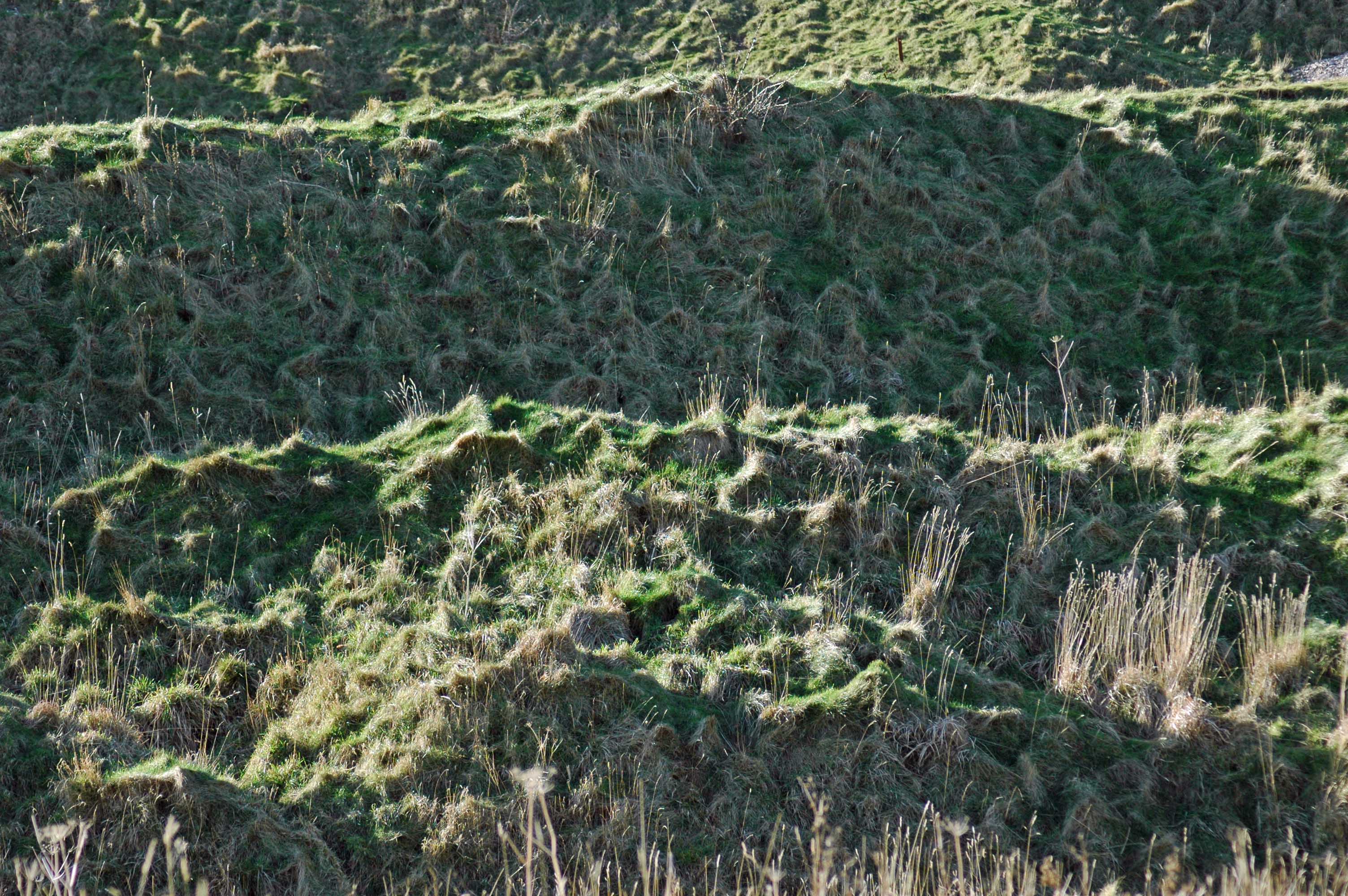
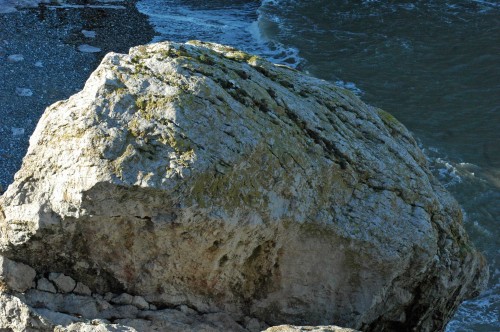
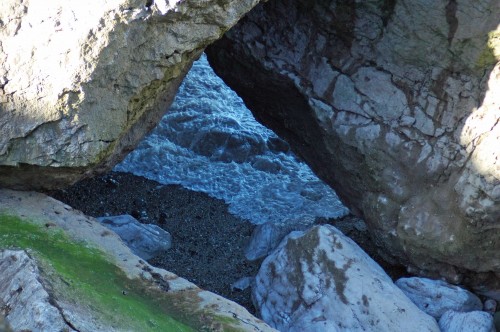
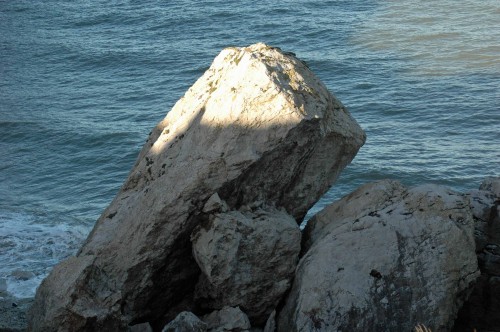
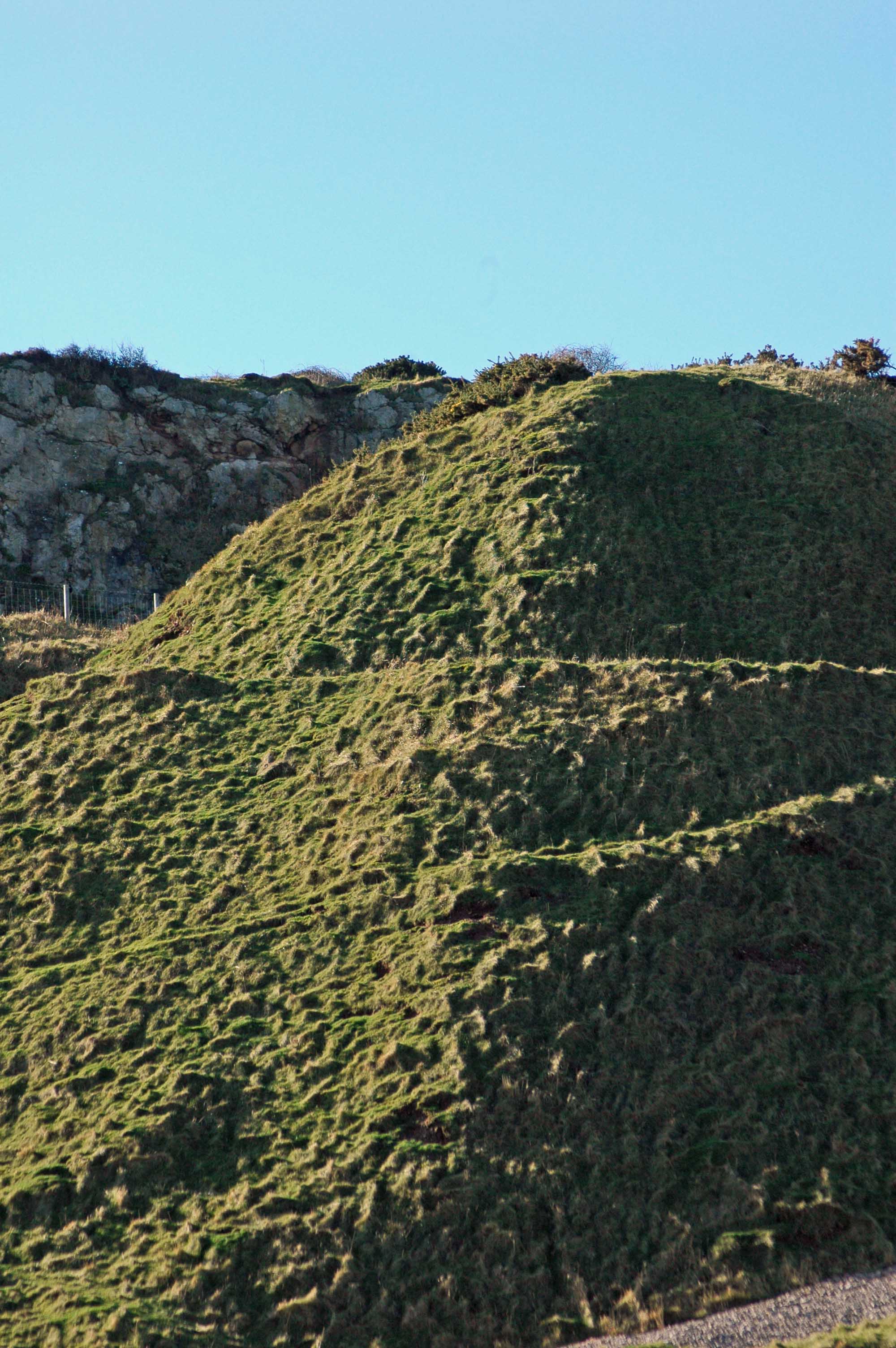
When the wind blows and sunlight slides slowly around the bulk of the Little Orme textures and patterns are revealed on surfaces that may go unnoticed in any other season when the sun is higher in the sky.

CLIFFS

Textures and patterns on a grass-covered cliff

Sunlit cliff face

140206-Little Orme 20-Light and shade on cliff

140206-Little Orme 27-Sunlit cliff

GRASS

Textured grass terraces

Grassy hummocks

ROCKS

Sunlight catches the edge of a rock

140206-Little Orme 23- Sea coming back under rocks

140111-Sunlit rock, Angel Bay

PRICKLY PLANTS 

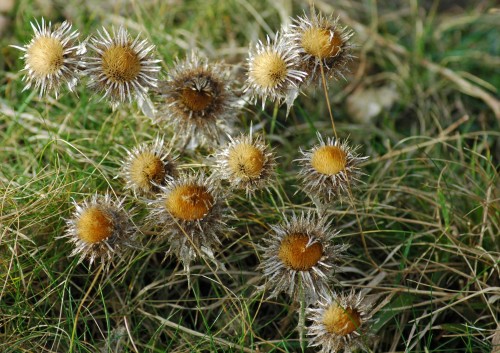
140206-Little Orme 14- Burrs

140206-Little Orme 12- Carline Thistle sunlit

140206-Little Orme 11- Carline Thistle

SEA SWELLS

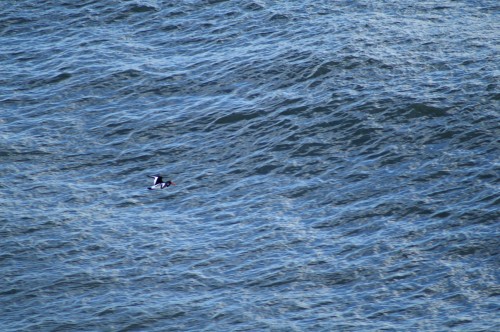
From the cliff and Oyster catcher is a tiny black and white speck against a wind-ruffled sea

140128-Little Orme 2- Grey Seals swimming

Red-throated diver

140207-Red-throated Diver-Little Orme

BIRDS AMONGST TANGLES OF TWIGS

Great Tit singing

140207-Great tit singing-Little Orme

House sparrow eating

140207-House sparrow eating-Little Orme

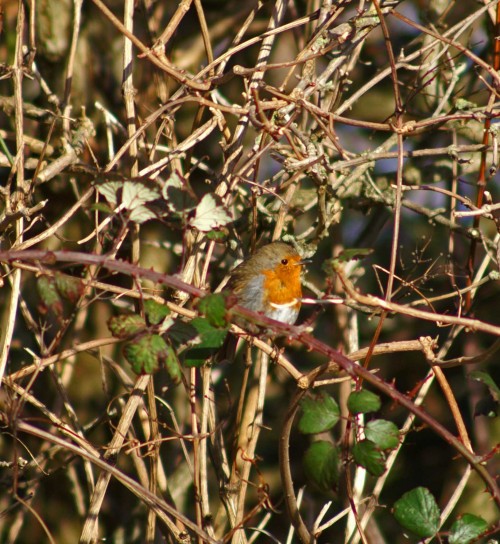
Robin singing

140207-Robin in a bush singing-Little Orme

Greenfinch singing

140207-Greenfinch singing-Little Orme

And a glimpse of a Long-tailed Tit

140207-Long-tailed Tit-Little Orme

Share this:

  • Click to share on Facebook (Opens in new window) Facebook
  • Click to share on Pinterest (Opens in new window) Pinterest
  • Click to share on X (Opens in new window) X
Like Loading...

Bring back Pampas grass

28 Friday Oct 2011

Posted by theresagreen in bird behaviour, grasses, Nature

≈ Leave a comment

Tags

Greenfinch, house sparrows taking pampas grass, invasive weeds, pampas grass

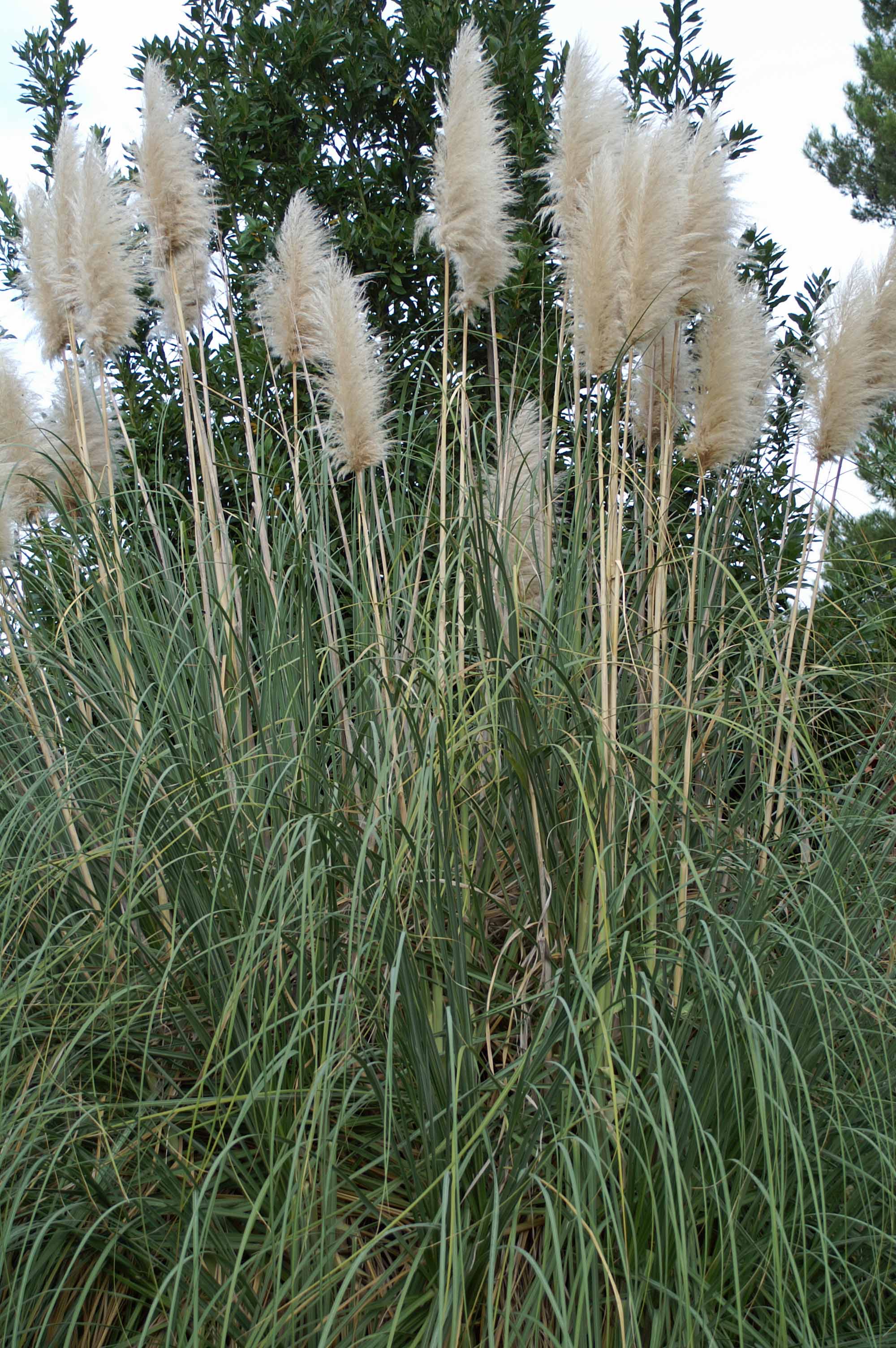
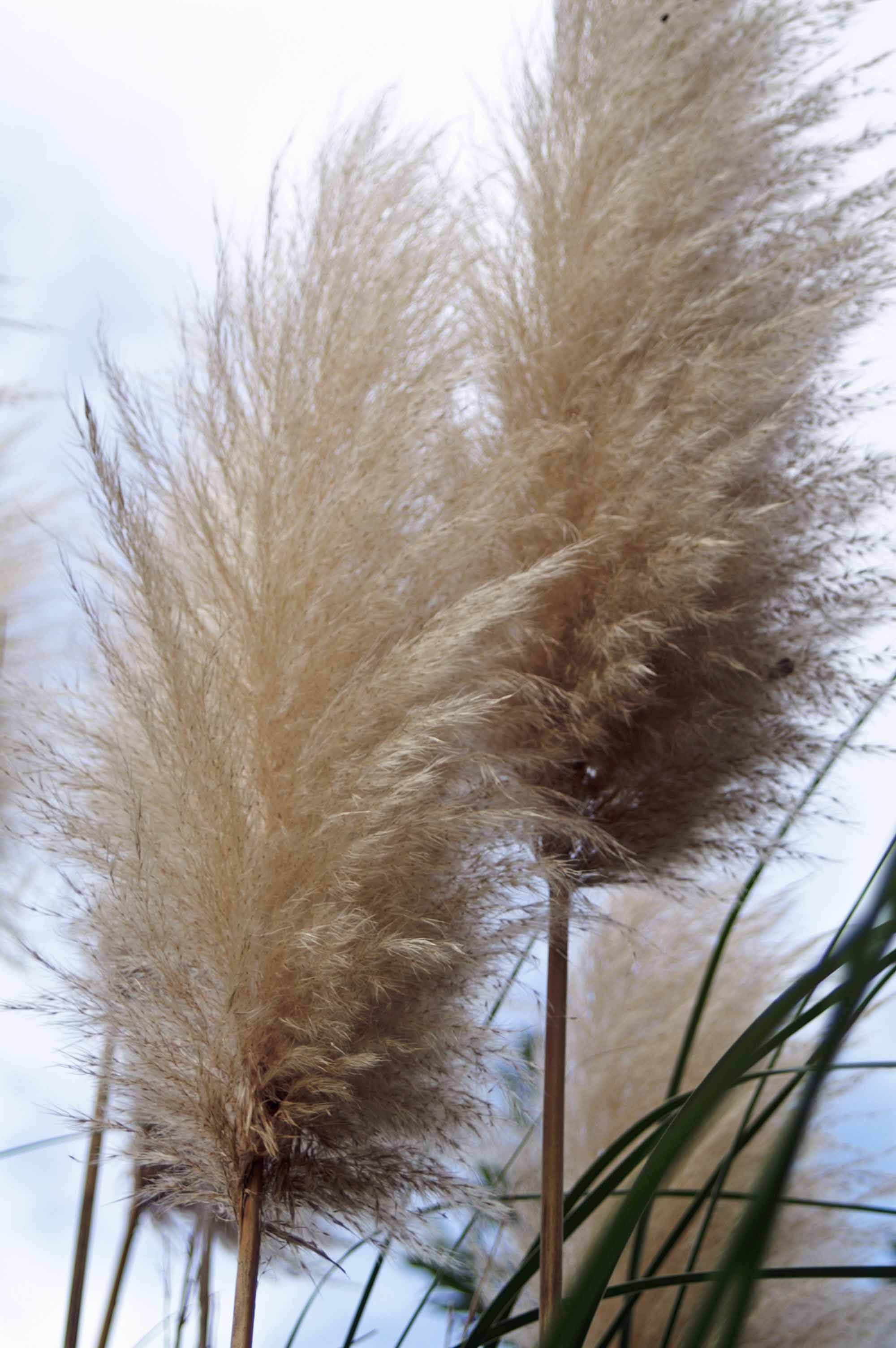
There was a large clump of Pampas grass in full flower in the Botanical Gardens in Leicester, and when I arrived back in Spain the plant in my garden is  flowering also. I like the dramatic appearance of this very large plant, the feathery flowerheads are beautiful when lit by the sun and bow and sway gracefully when the wind passes through.

The clump of pampas grass in my garden

Cortaderia selloana, commonly known as Pampas Grass, is a tall grass native to southern South America and Patagonia and is named for the areas of pampas where it is found.

Pampas Grass is a tall grass, growing in dense tussocks that can reach a height of 3 m (9.8 ft) . The leaves are evergreen, usually bluish-green but can be silvery grey; they are long and slender, 1–2 m (3.3 to 6.6 ft) long and 1 cm broad, and one of the downsides of the plant is that they have very sharp edges and should be handled with care.

Pampas grass flowerheads

The flowers are produced in dense silvery white panicles from 20–40 cm (7.9 – 15.8 inches) long and on a 2–3 m (6.6 – 9.8 ft) tall stem.

The plant was named by Alexander von Humboldt in 1818, after the German botanist and naturalist Friedrich Sellow, who studied the flora of South America, especially that of Brazil.

Pampas grass plants may produce up to a million seeds during its lifetime

Pampas Grass is highly adaptable and can grow in a wide range of environments and climates. In some areas (for example California, Hawaii and parts of the cooler Northern areas of Spain),  it is regarded as an invasive weed, whilst in New Zealand and South Africa the plant is banned from sale and propagation for the same reasons.

I am not too clear how it is regarded here in southern Spain, but it is a frequent sight around our area where it grows on the roadsides and more particularly in our local nature reserve. It does not seem to cause concern there and is actually named on one of the information boards as being present.

House Sparrow (m) atop Pampas

The flowerheads are very long-lasting, appearing first in September, but after a winter of being battered by rain and wind, the plant begins to look rather scruffy. Despite that, I leave mine to stand beacause at some time towards the end of April or early May, the local flock of House Sparrows will begin to arrive to collect what remains of the fluffy flowerheads.

April-May-House Sparrows begin to strip the old flowerheads

It is a delightful scene; over the course of a few days the Sparrows strip the stems piece by piece, cramming their beaks with as much material as possible, then fly off with it, I assume in order to line their nests. They come in relays, both males and females and work industriously until there is nothing left on the dry stems and even pieces dropped to the ground will be gleaned. This has to be instinctive species behaviour as the House Sparrows that shared our garden in South Wales used to do exactly the same thing to the plant in our neighbour’s garden.

A male house sparrow with his beak full

My plant grows a distance away from where I sit to watch the birds and it is in a shaded spot, so I did not immediately spot that Greenfinches sometimes join with the sparrows for a share of the grass. I am not sure whether they too take it for nesting purposes or because there may still be seeds there to eat, but they want it badly enough to squabble over. They are not the only species I’ve spotted muscling in, the last couple of years Blackbirds have also been taking a share.

A Greenfinch squabbling with a House Sparrow

Pampas as a part of social history

Pampas grass was a very fashionable garden plant back in the 1970s, advocated for inclusion by the likes of Percy Thrower and has become a gardening icon of that decade. It was equally stylish to have a large vase of the dried fluffy plumes in the living room, where they looked very decorative, (I confess to having them myself- they collected a lot of dust). In recent years the plant seems to have fallen from favour, perhaps because it is a very large and modern gardens are on the small side, or maybe it is because growing the plant seems to have acquired a new symbolism, particularly if you display it in your front garden….

(tongue in cheek this next bit, no offence intended)

Urban Myth-Swinging

A widespread urban myth is that Pampas grass is used by swingers to advertise their presence to other swingers in the area. The most commonly repeated version states that in the UK and Ireland a patch of Pampas grass is planted somewhere in the front garden to act as a signal to passers by that swingers live in the home.

I had not heard that before and have to say that my plant was in the garden when I arrived, and will remain to attract and benefit a different kind of wildlife ( fortunately a high wall conceals its presence from the sight of non-flying passers-by.)

Despite the connotations, I would still recommend Pampas grass as an addition to a garden designed to benefit wildlife, if only to enhance the lives of your local House Sparrows, just be careful where you place it!

Interesting links relating to growing Pampas grass from: The Daily Telegraph on How to grow Pampas  and The Independent- In Praise of Naff

Share this:

  • Click to share on Facebook (Opens in new window) Facebook
  • Click to share on Pinterest (Opens in new window) Pinterest
  • Click to share on X (Opens in new window) X
Like Loading...
Follow everyday nature trails on WordPress.com

Enter your email address to follow this blog and receive notifications of new posts by email.

‘But it is the common species that keep the living world ticking over and provide most of our experiences of wildlife, and I would argue that maintaining the abundance of these is as important a conservation priority as maintaining the existence of rarities’. Richard Mabey

MOST RECENT POSTS

  • A Glimpse of Spring to Come January 22, 2025
  • Hunting the Wren December 28, 2024
  • Oh, Christmas Tree December 18, 2024
  • In and Out of the Ivy February 15, 2024
  • Nature’s Fireworks November 30, 2023
  • Wild Autumn along the Coast Path November 3, 2023

OLDER POSTS

LOOKING FOR SOMETHING IN PARTICULAR?

  • The Foxglove - of Fairytales, Myths & Medicine
    The Foxglove - of Fairytales, Myths & Medicine
  • Pretty prickly Thistles
    Pretty prickly Thistles
  • Fine Dining for Crows
    Fine Dining for Crows
  • Pines and Primroses
    Pines and Primroses
  • Birds and the art of fly catching
    Birds and the art of fly catching
  • Grey Seals on the rocks
    Grey Seals on the rocks
  • What a beautiful day
    What a beautiful day
  • Everyday Birds - The Blue Tit
    Everyday Birds - The Blue Tit
  • A trip to Pembrokeshire:Part 2: Flowers in the rain
    A trip to Pembrokeshire:Part 2: Flowers in the rain
  • Parakeets in the Ash Tree
    Parakeets in the Ash Tree

nightingale trails

The Walk of the Monarch Butterfly-Sendero de la Mariposa Monarca

The Walk of the Monarch Butterfly-Sendero de la Mariposa Monarca

MY WILDFLOWER BLOG: where the wildflowers are

Snowdrop

Snowdrop

most recent posts

Follow everyday nature trails on WordPress.com

Social

  • View teresamaygreen’s profile on Twitter

Enter your email address to follow this blog and receive notifications of new posts by email.

Website Built with WordPress.com.

  • Subscribe Subscribed
    • everyday nature trails
    • Join 359 other subscribers
    • Already have a WordPress.com account? Log in now.
    • everyday nature trails
    • Subscribe Subscribed
    • Sign up
    • Log in
    • Report this content
    • View site in Reader
    • Manage subscriptions
    • Collapse this bar
 

Loading Comments...
 

    %d