• Home
  • about
  • about the photographs
  • Local Nature Reserves
    • Bryn Euryn Local Nature Reserve
    • Mynydd Marian
  • Wales Coast Path
    • Grey Seals in North Wales
    • St.Trillo’s Chapel
    • Wildflowers of North Wales Coastal Paths, Cliffs and Dunes

everyday nature trails

everyday nature trails

Category Archives: woodland birds

Bryn Euryn in preparation for Spring

12 Monday Mar 2012

Posted by theresagreen in Local Nature Reserves, Nature, nature of woodlands, nature photography, woodland birds

≈ 1 Comment

Tags

Bryn Euryn Nature Reserve, catkins, dunnock, long-tailed tit, pussy willow, Robin, treecreeper

I hadn’t visited the Bryn Euryn Local Nature Reserve for quite some time and thought I would rectify that last weekend. The morning weather had been varying between sunshine and showers, and arriving at the site during a sunny spell I  walked first around the edge of the small quarry field to see what was growing there.

Lush growth of leaves of Arum maculatum -cuckoo pint, or lords & ladies
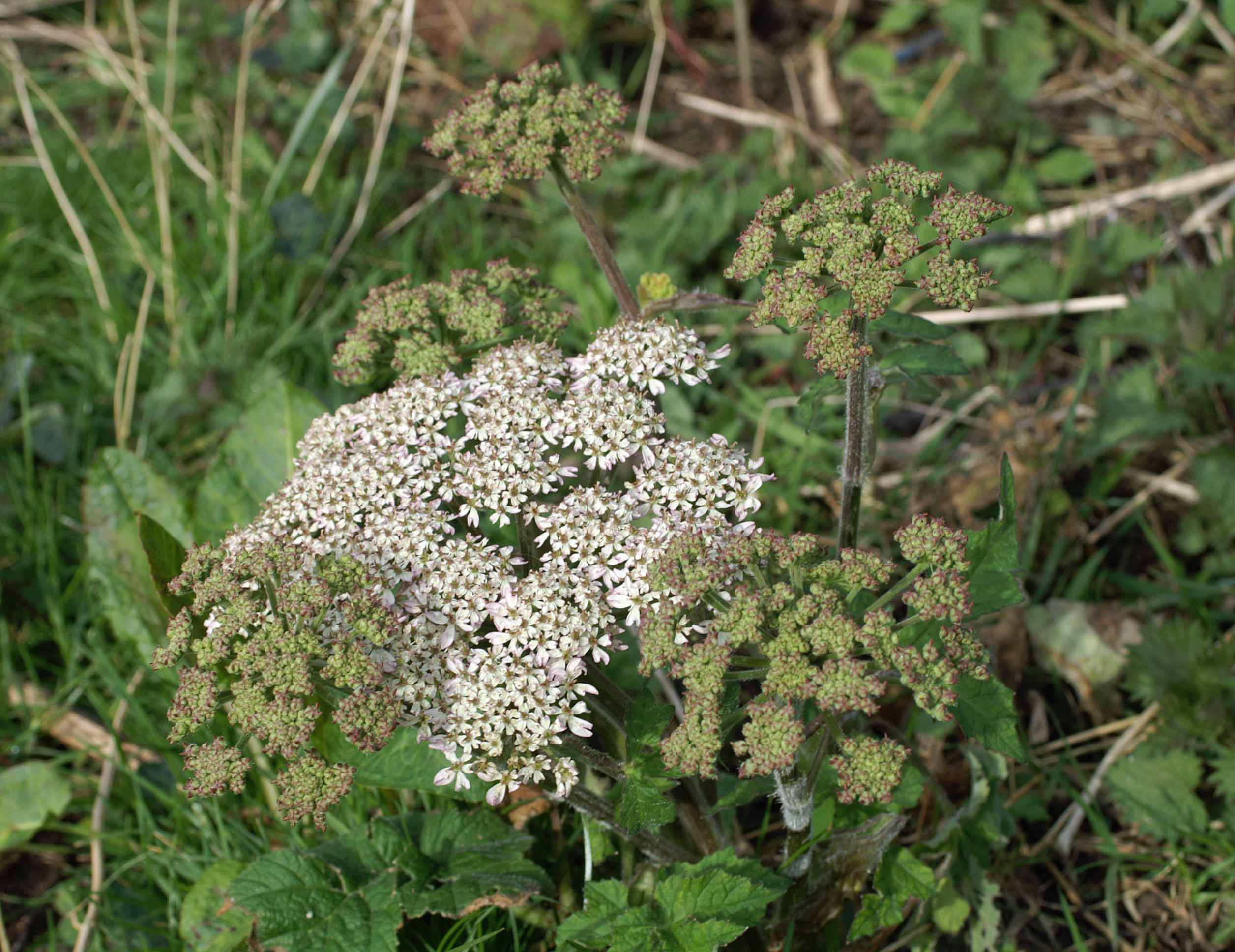
A very early flowering specimen of Heracleum sphondylium - common hogweed or cow parsnip. This is a herbaceous perennial or biennial belonging to the family Apiaceae. It is an umbelliferous plant, in the same group as fennel, cow parsley, ground elder and giant hogweed.

Dry seed heads of burdock
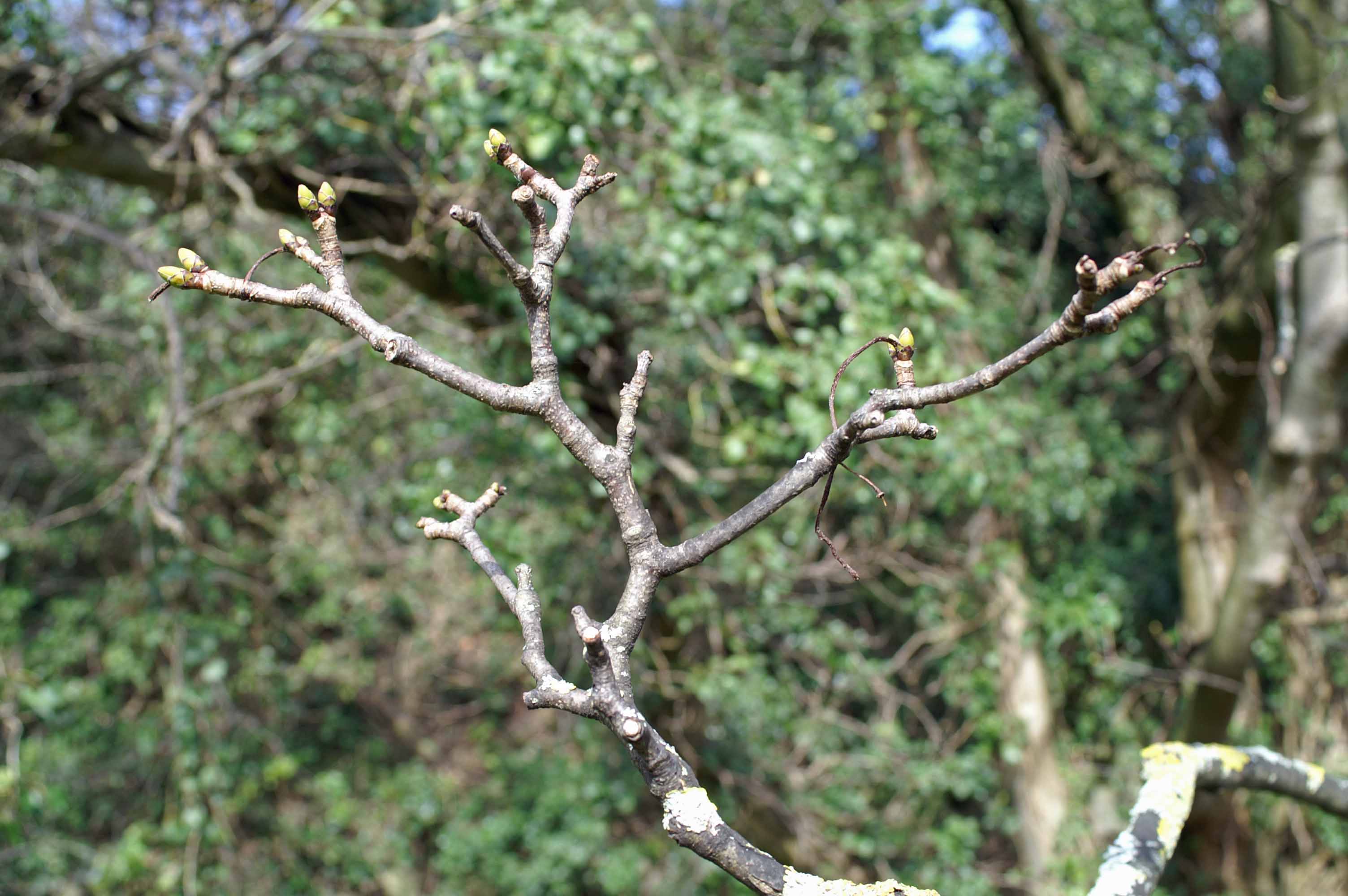
Swelling leaf buds
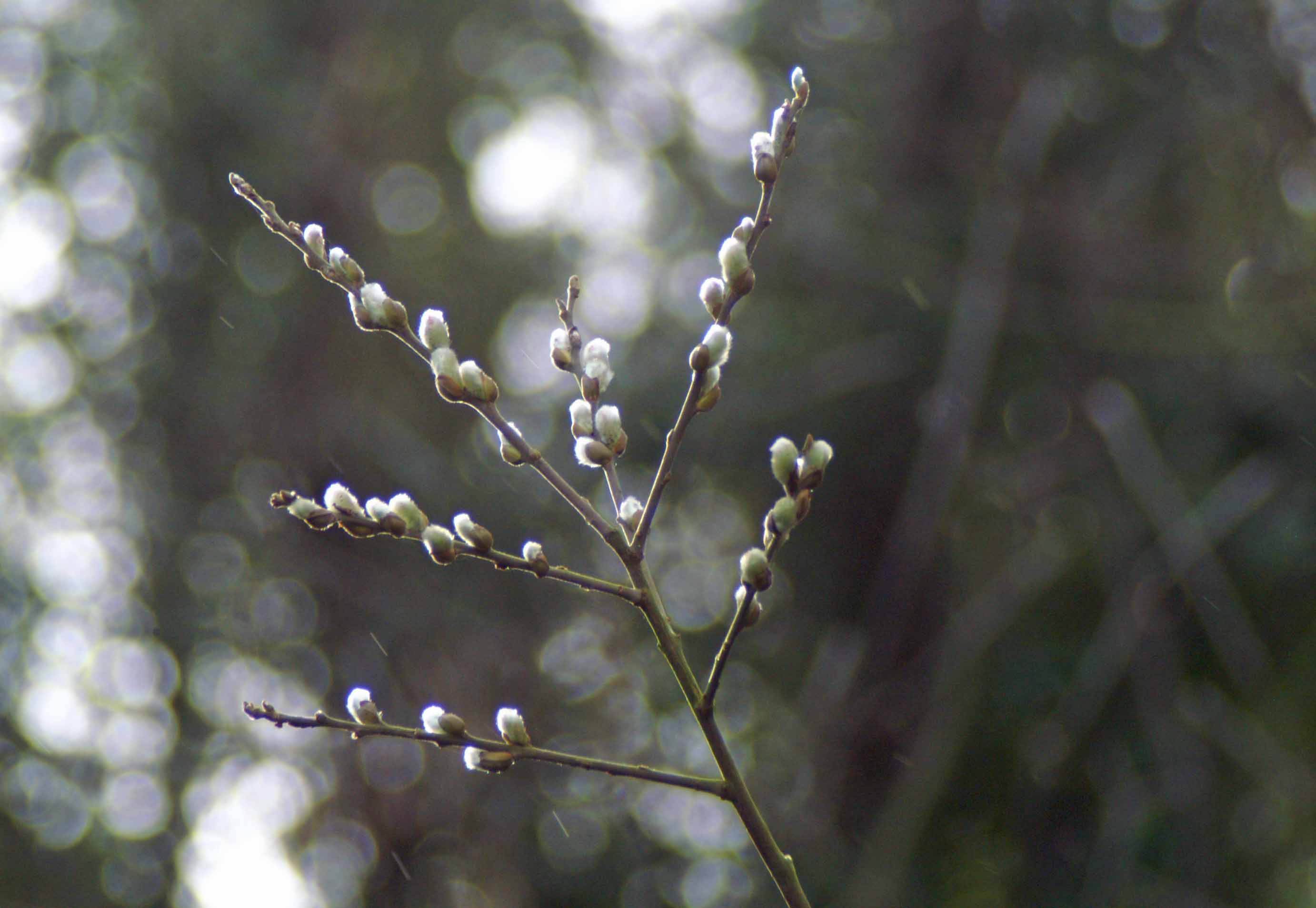
Silvery pussy willow

Pussy willow is a name given to many of the smaller species of the genus Salix (willows and sallows) when their furry catkins are young in early spring. Before the male catkins of these species come into full flower they are covered in fine, greyish fur and hence likened to tiny ‘pussy cats’. The catkins appear quite some time before the leaves, and are one of the earliest signs of spring. It is customary to gather branches of  pussy willow to decorate the house in the springtime, particularly on Palm Sunday, as a substitute for palm branches.

From the field I crossed onto the track on the edge of the woodland which passes by an open area of allotments. There is often  a robin  to be seen here, which today continued with its foraging regardless of me being very close by, even stopping to pose on a nice mossy wooden perch in a patch of  sunlight.
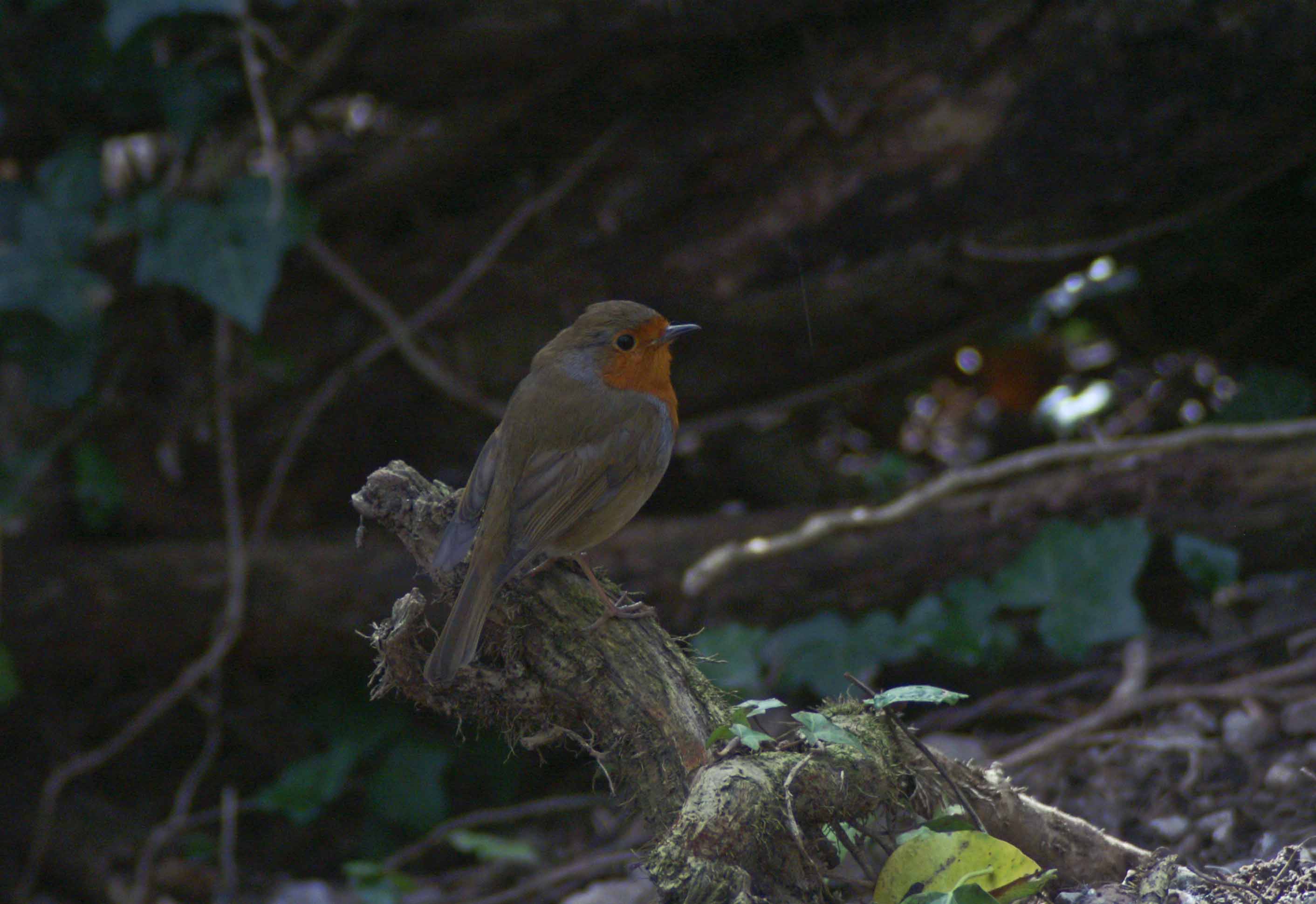
 

Posing robin

I had some good views of a dunnock there too as it pecked around amongst the dry leaves beneath the trees.
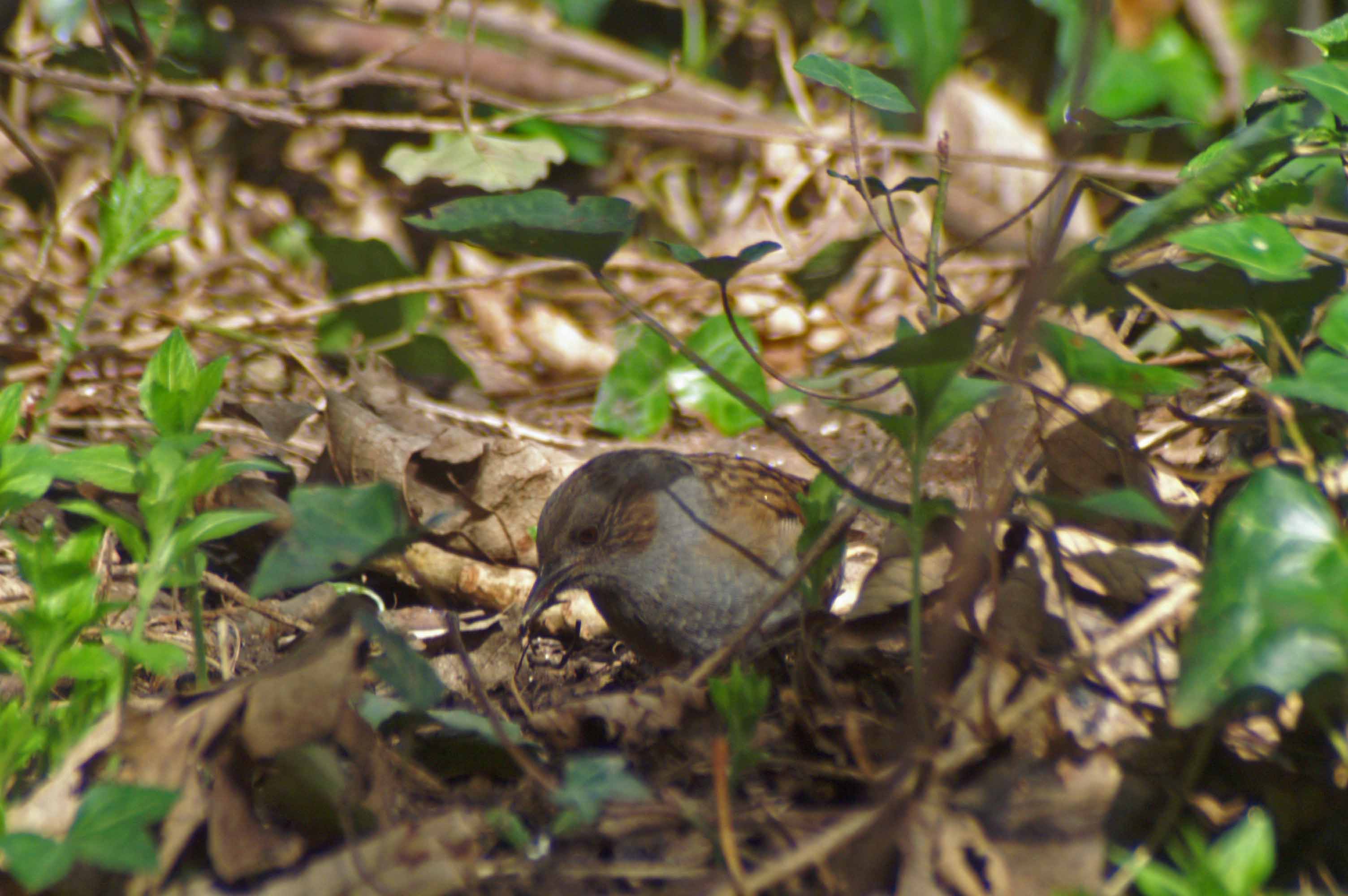
Dunnock -Prunella modular - almost at my eye-level

Dunnock-back view

Moving on towards the bottom of the steps, another brown bird flew past me and landed on the trunk of a big sycamore tree; a treecreeper. I was delighted to recognise it as a treecreeper, the first and only one I have seen so far in this location. I watched it or quite some time as it explored the tree trunk and higher branches, probing its beak into nooks and crannies searching or insects and spiders.
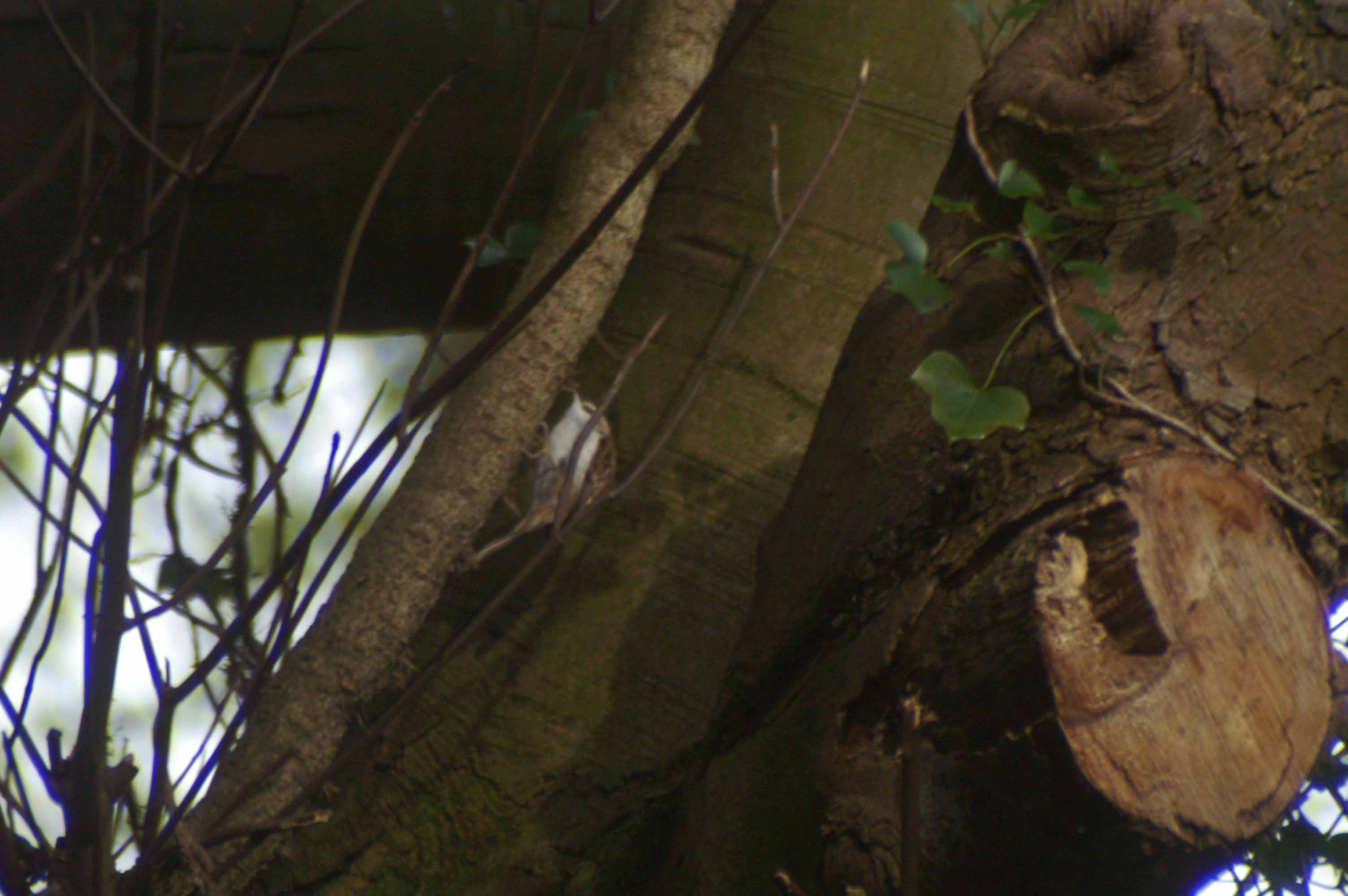
Treecreeper - the first I have sen in this location

The Treecreeper– Certhia familiaris is small, very active, bird that lives in trees. It has a long, slender, downcurved bill, patterned brown upperparts, whitish underparts, and long stiff tail feathers which help it creep up tree trunks. It breeds in the UK and is resident here. Birds may leave their breeding territories in autumn but most range no further than 20 km.

In Spain the very similar short-toed treecreeper – Certhia brachydactyla occurs. They are frequent visitors to our garden there, where they are equally as comfortable scuttling up the tall straight trunks of the palm trees as they are exploring the nooks and crannies of the native cork oaks. They are much easier to photograph there too being more in the open and in better light.

e

A short-toed treecreeper on the trunk of a palm tree, Sotogrande, Southern Spain.

According to my bird books, the main points of difference between the two species are location and that the short-toed species has brownish flanks and a different voice: the short-toed’s song is said to be louder and less high-pitched and the call note louder, more piping and sometimes trilling. However, it is a possibility that there is in actuality only one species as presented convincingly in this brilliant blog:  http://10000birds.com/short-toed-treecreepers-do-not-exist.htm 

Catkin - A long, thin, indeterminate inflorescence of tiny, petalless flowers growing on willows, birches, oaks, poplars, and certain other trees. The flowers on a catkin are either all male or all female. The female flowers are usually pollinated by the wind. Also called ament.

The woodland was full of birdsong and following the track up through the trees towards the summit of the hill (bryn) I was accompanied by a chorus of robin, blackbird, chaffinch, blue tit and great tit with stand-out performances from a couple of  wrens and intermittent coo-ing interventions from wood pigeons. As I neared the top it began to rain quite heavily so I stood under an ivy-clad tree branch for a few minutes just listening until it stopped.

I carried on up to the summit, passing the trig point and over onto the open meadow or downs area that covers one slope of the hill. I was greeted by the sight of a complete arc of a rainbow that  spanned a width far greater than I could fit into my viewfinder.
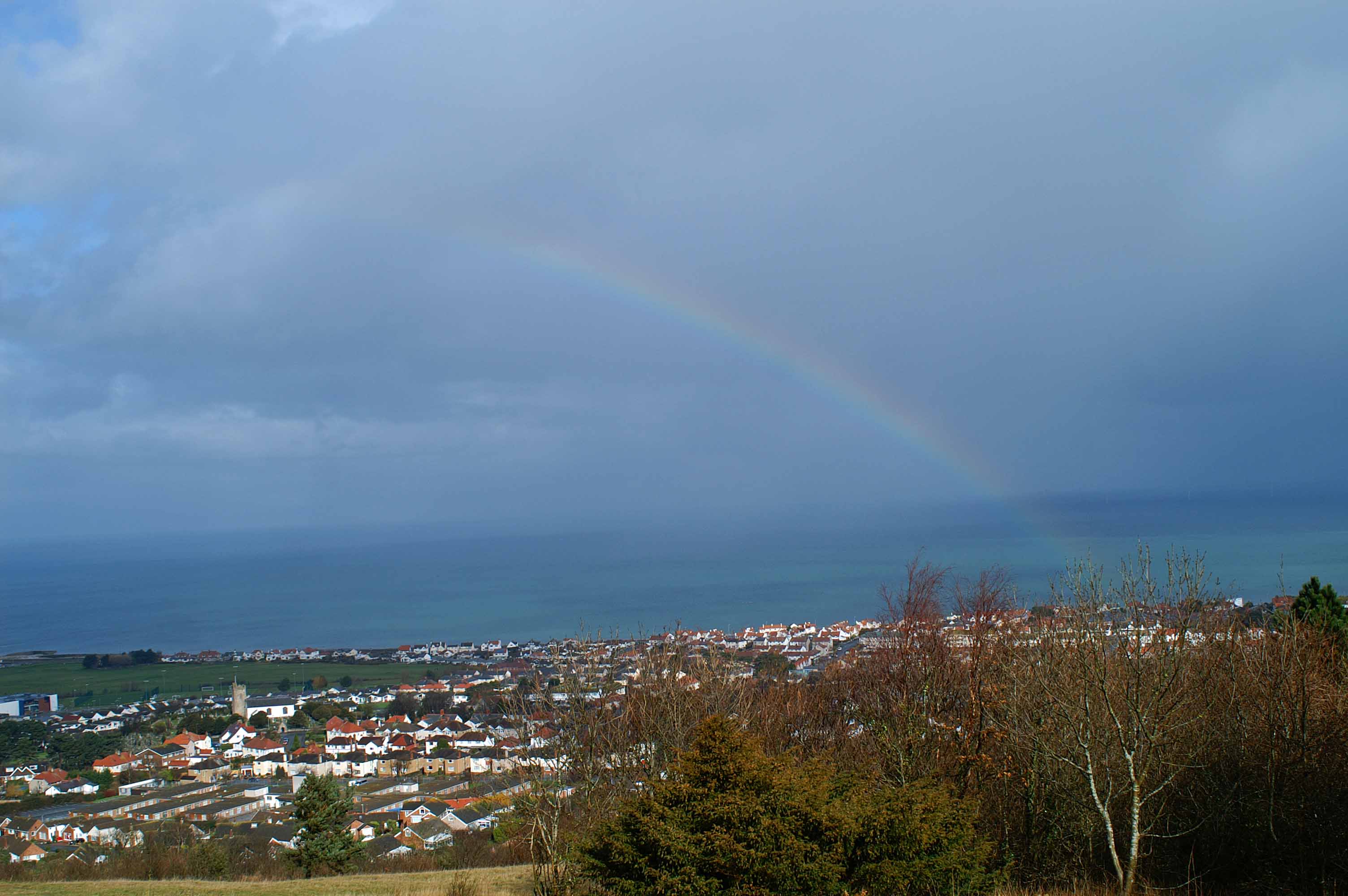
A rainbow arced across the sky bridging Rhos-on-sea and Penrhyn Bay
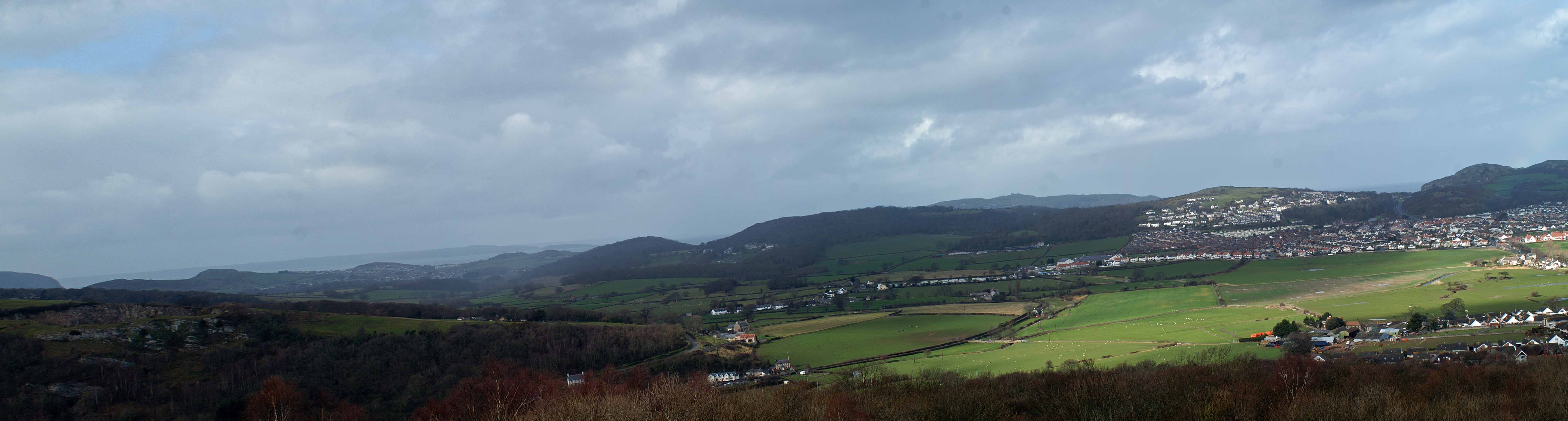
Part of the spectacular view from the summit of Bryn Euryn (click on photo to enlarge)

A close up of golden common gorse flowers and spiky leaves

On the path back down to the bottom a female blackbird was taking a bath in a newly filled puddle, disturbed from her ablutions by, yes, you’ve guessed, a bounding unleashed dog. I had been standing watching a small number of goldfinch foraging in the tops of a stand of tall trees, but I know when it’s time to leave and let the dogs have their share of the day.

There were a few more treats awaiting me in the car-parking area however. Two wood pigeons, probably a pair, sat preening on a branch in a patch of sunlight and a pair of great tit were foraging around the fenced part of the field.
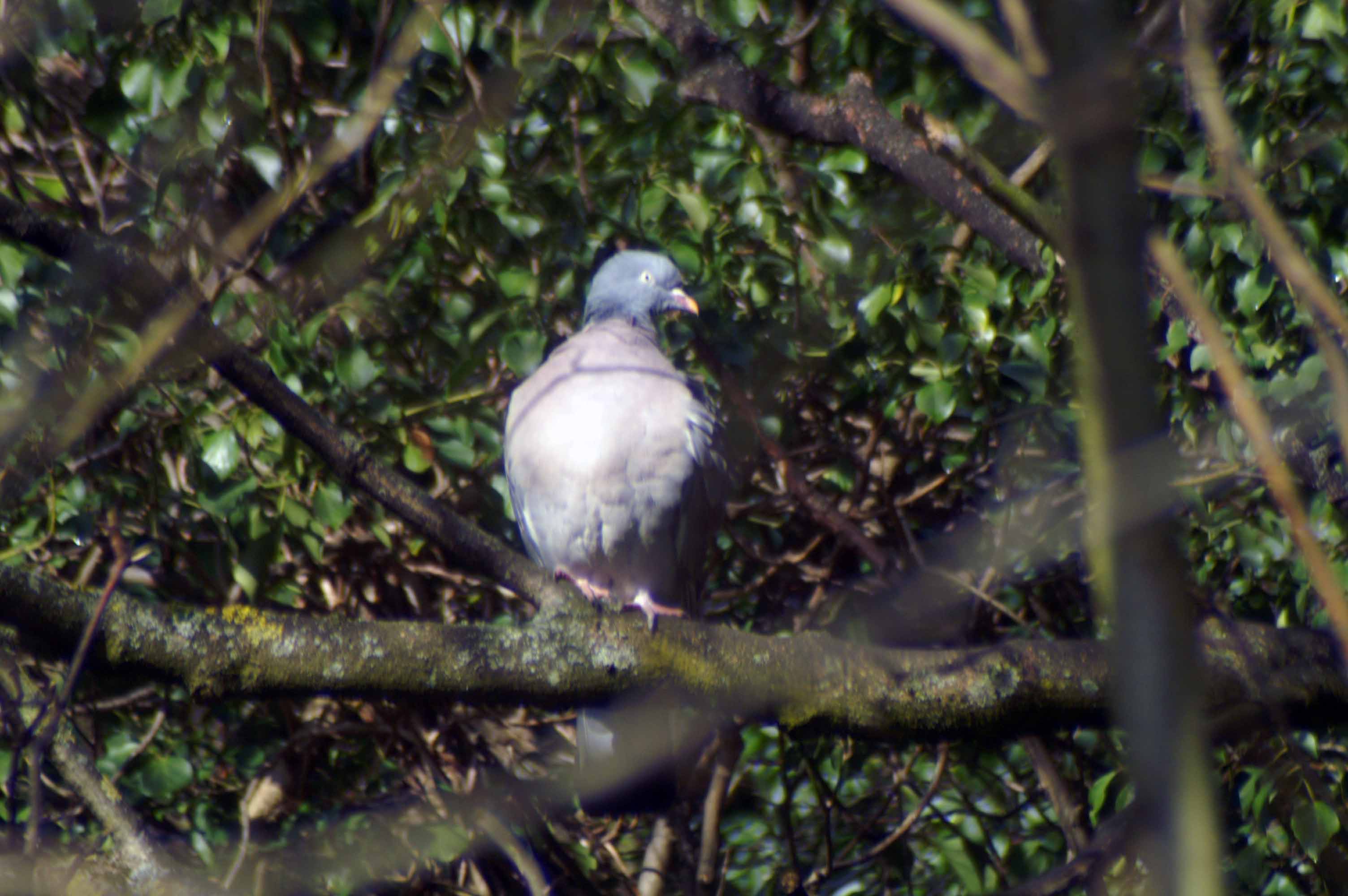
Wood pigeon - Columba palumbus

I have always found great tit elude me when it comes to photographing them, so I hung around for a while hoping to capture an image or two. They flew across the car park into the low trees there and attempting to pick up on them I found four long-tailed tits instead. A special favourite of mine, I was more than happy with that, especially as they stayed around acrobatically and thoroughly scouring the intricate twigs of the trees.
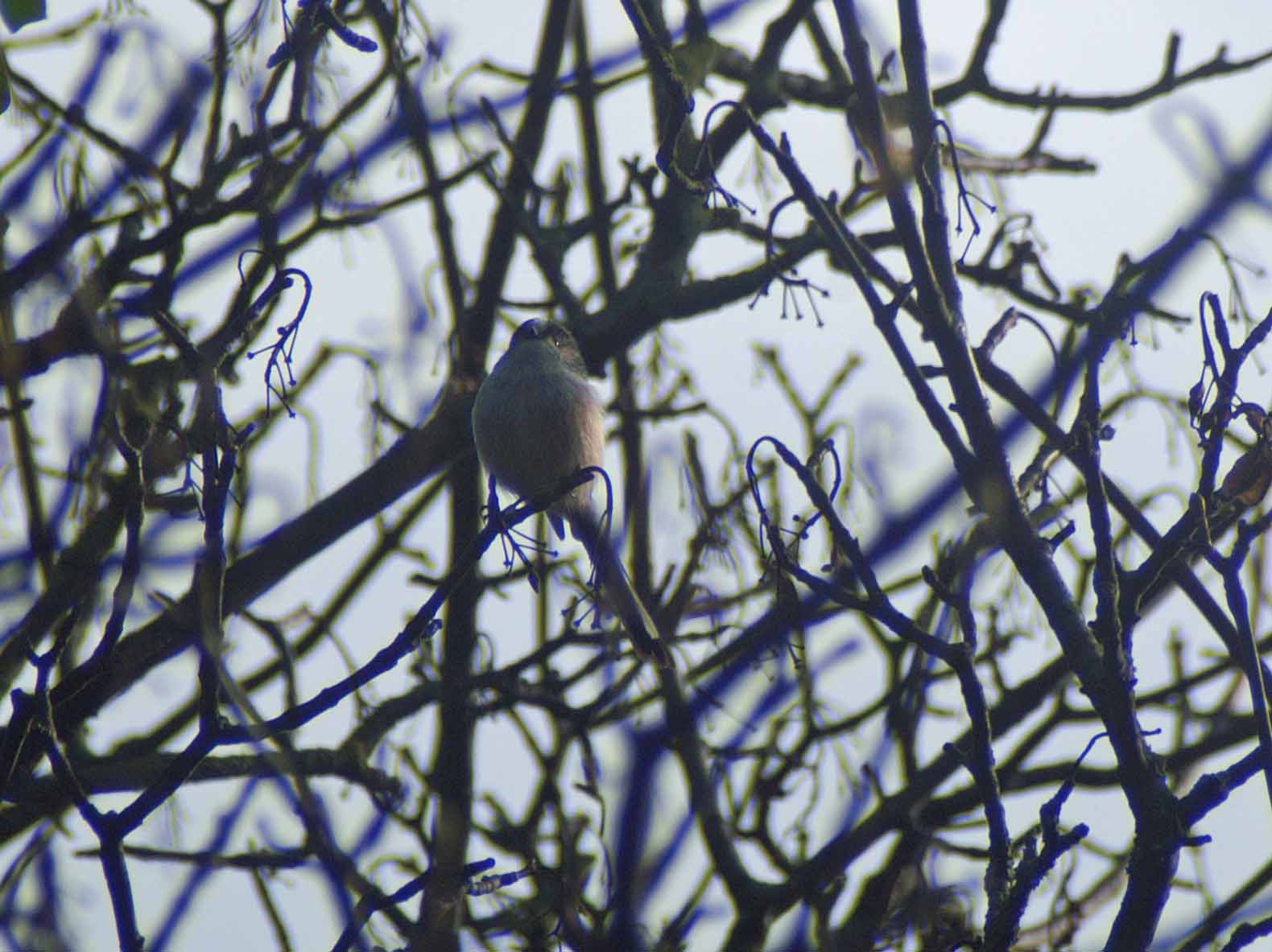
Long-tailed tit - Aegithalos caudatus
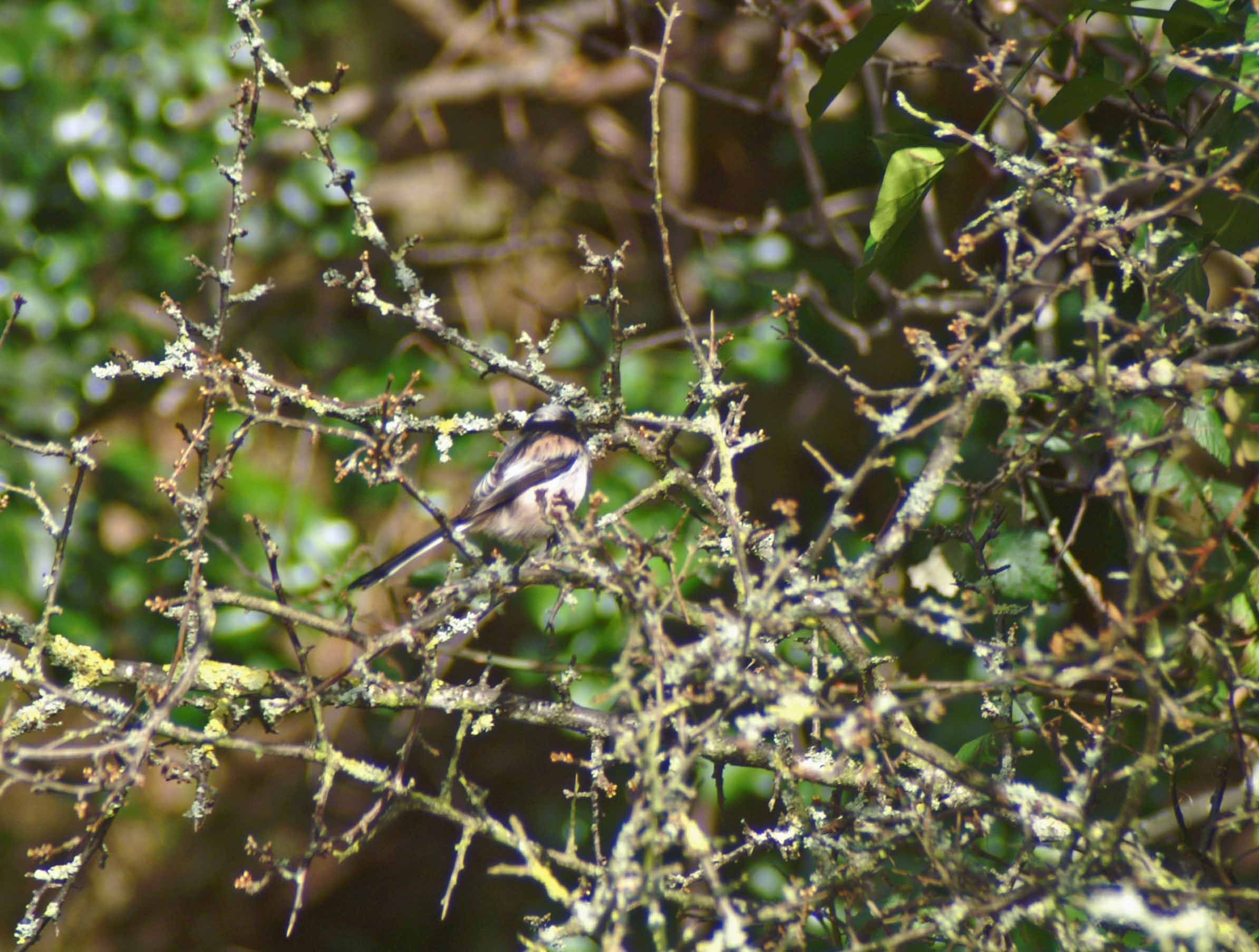
Long-tailed Tit, back view

A robin was investigating the ground beneath the shrubbery the long-tailed tit was photographed in, then unexpectedly flew up onto a branch in full sunshine and began to sing.

Another robin singing, but this time in sunshine

Share this:

  • Share on Facebook (Opens in new window) Facebook
  • Share on Pinterest (Opens in new window) Pinterest
  • Share on X (Opens in new window) X
Like Loading...

Fairy Glen

04 Sunday Mar 2012

Posted by theresagreen in Local Nature Reserves, Nature, nature of woodlands, nature photography, woodland birds

≈ 2 Comments

Tags

blackbird eating berries, Blue tit, coal tit, Fairy Glen, Old Colwyn, Wren

I am currently working in Old Colwyn and as it would have been a pity not to take advantage of some of last week’s sunny spring-like weather, so I ventured out during my lunch breaks to explore some  of the locality. In a recent blog – What a beautiful day- I featured photographs that I had taken in the small area of woodland alongside the final stretch of the river Colwyn. This is called Min-y-Don woodland and is a remnant of an ancient woodland that would once have covered the whole valley. From there it is possible to walk along a footpath leading up to the village that follows the course of the river. At the top, if you cross the Abergele Road and follow the signs to ‘Fairy Glen’, you reach a narrow wooded dell that the river runs through, bounded by roads and houses.

In present day Old Colwyn, much of which sadly has seen better days, Fairy Glen seems an incongruous name for a part of it, but it harks back to when this whole area was wealthier and hugely popular with well-to-do Victorian holidaymakers. This area of woodland was said to contain many different spirits including fairies, hence its name, which dates from the Victorian era and is a common name from that period (another local one being the “Fairy Glen” in Penmaenmawr).

The wooden road sign for Fairy Glen

Fairy Glen has recently been designated as a Local Nature Reserve and has undergone  regeneration with funding from the local council and it is now possible to walk through it easily. Presently the Fairy Glen is subject to an ownership dispute between Conwy County Borough Counciland the water company, Dŵr Cymru, each claiming that the maintenance of the area is the responsibility of the other. The trail was funded by Cydcoed Forestry Commission Wales.

“A path broadly follows the Afon Conwy which, with the Fairy Glen (then known as Y Nant), was mentioned by the traveller Edward Llwyd in 1699. He described the area as having seven wells and being completely wooded. There are, in fact, remaining indicators in Fairy Glen which identify it as an ancient woodland.”

I doubt that today’s Fairy Glen would have suited the Victorian visitors romantic aesthetic, but it is a pleasant enough place to spend half an hour. It is barely a five minute walk from work and I headed there for my first ‘reccie’ last Friday afternoon; I was very pleasantly surprised by the sightings I had there.

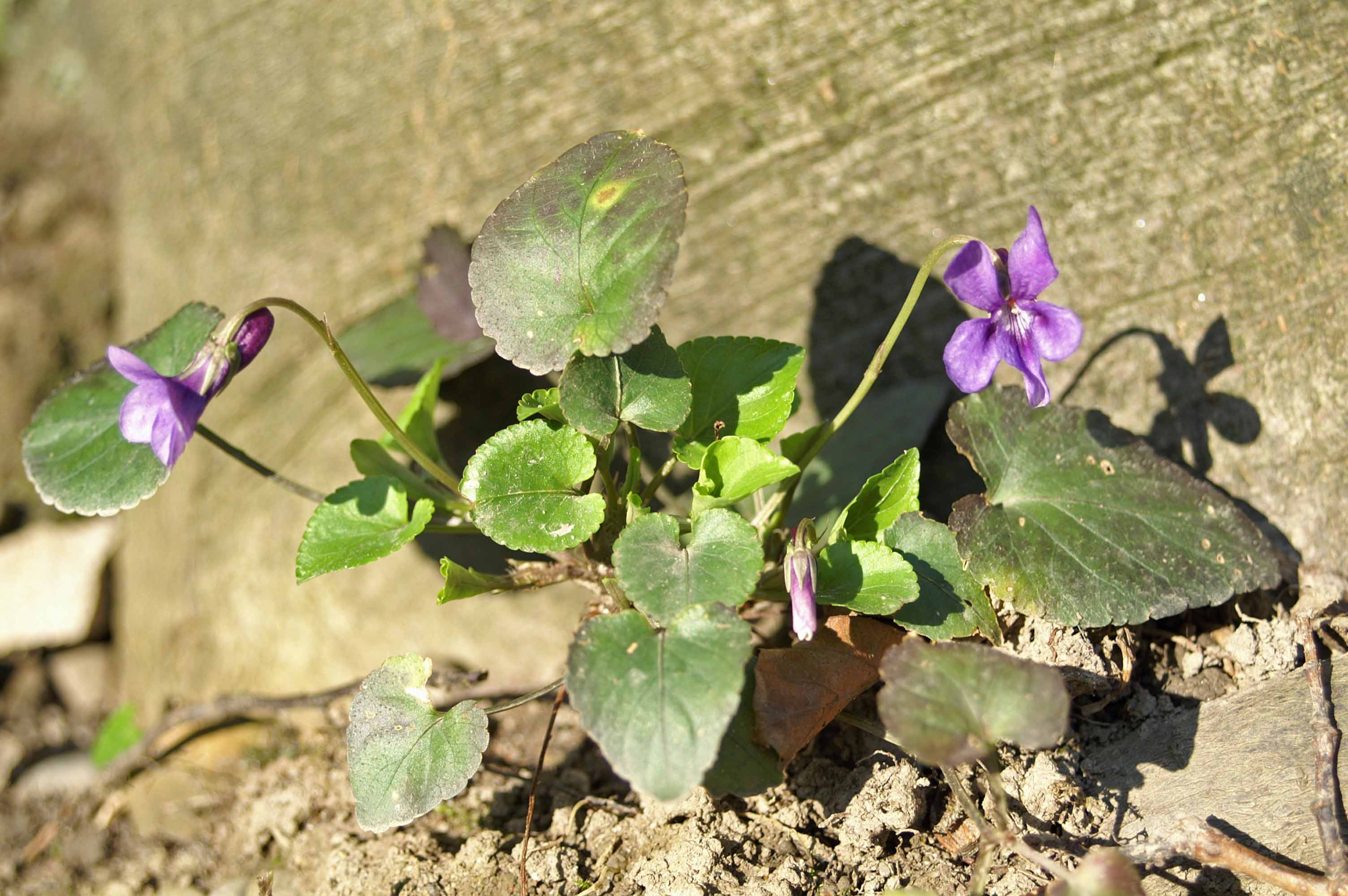
My first surprise was finding this violet plant flowering at the base of a large tree

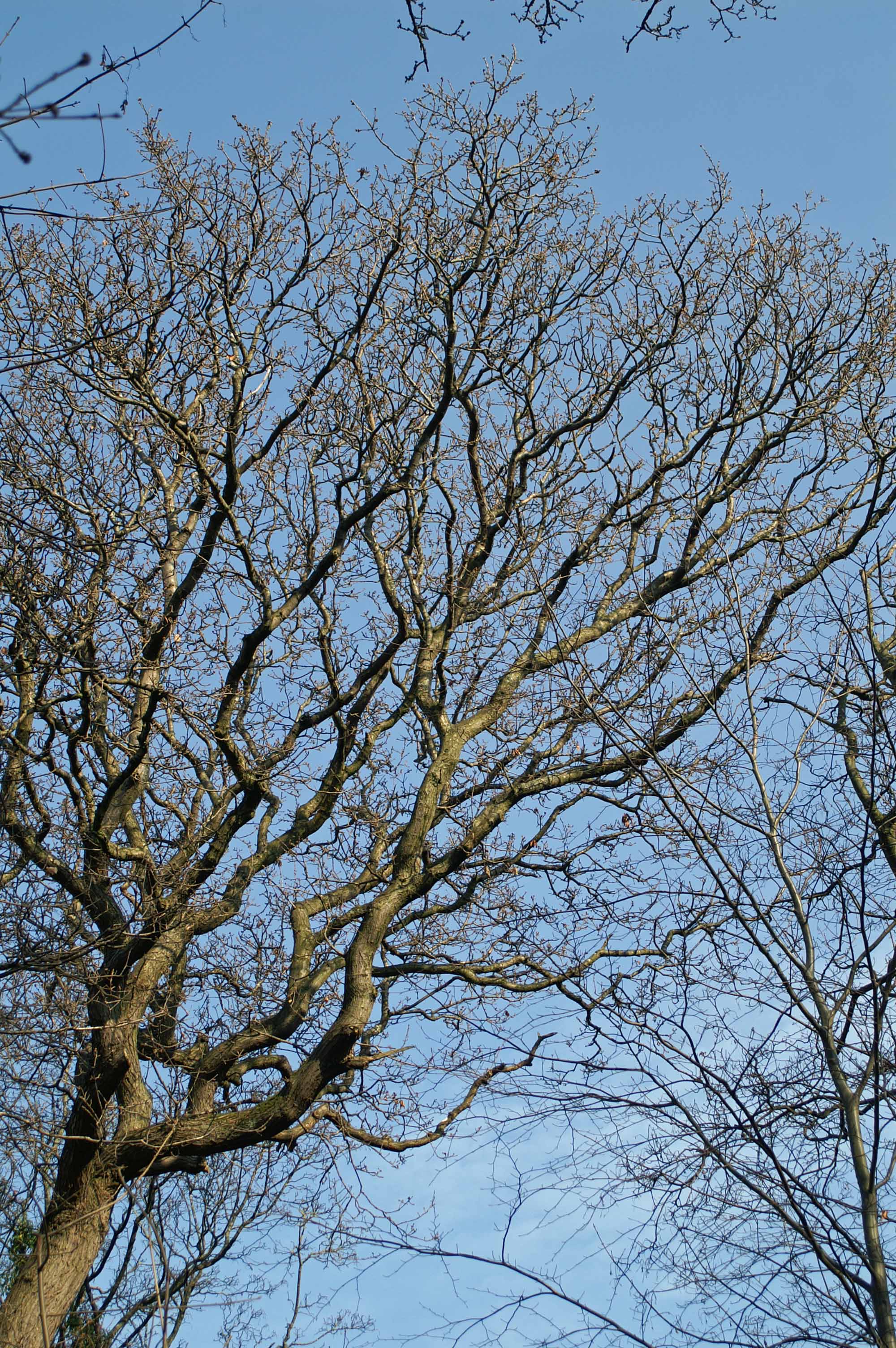
A tracery of bare twigs and branches against a perfectly blue cloudless sky

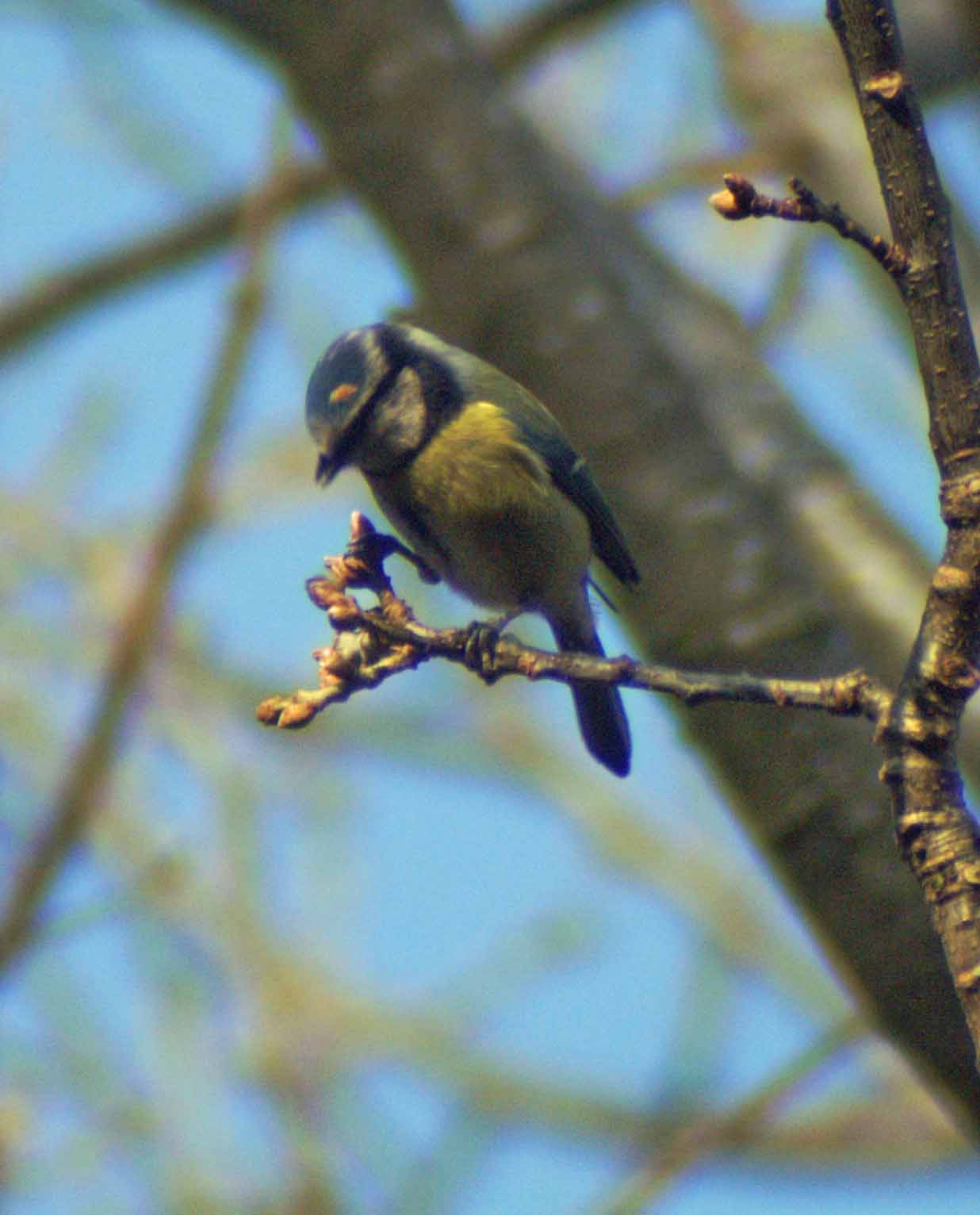
Blue Tits seemed to be everywhere

Blue Tit picking delicately around the sticky leaf buds

Hazel catkins

A grey squirrel sat on a tree branch eating something held in its paws, possibly an acorn it had buried back in the autumn

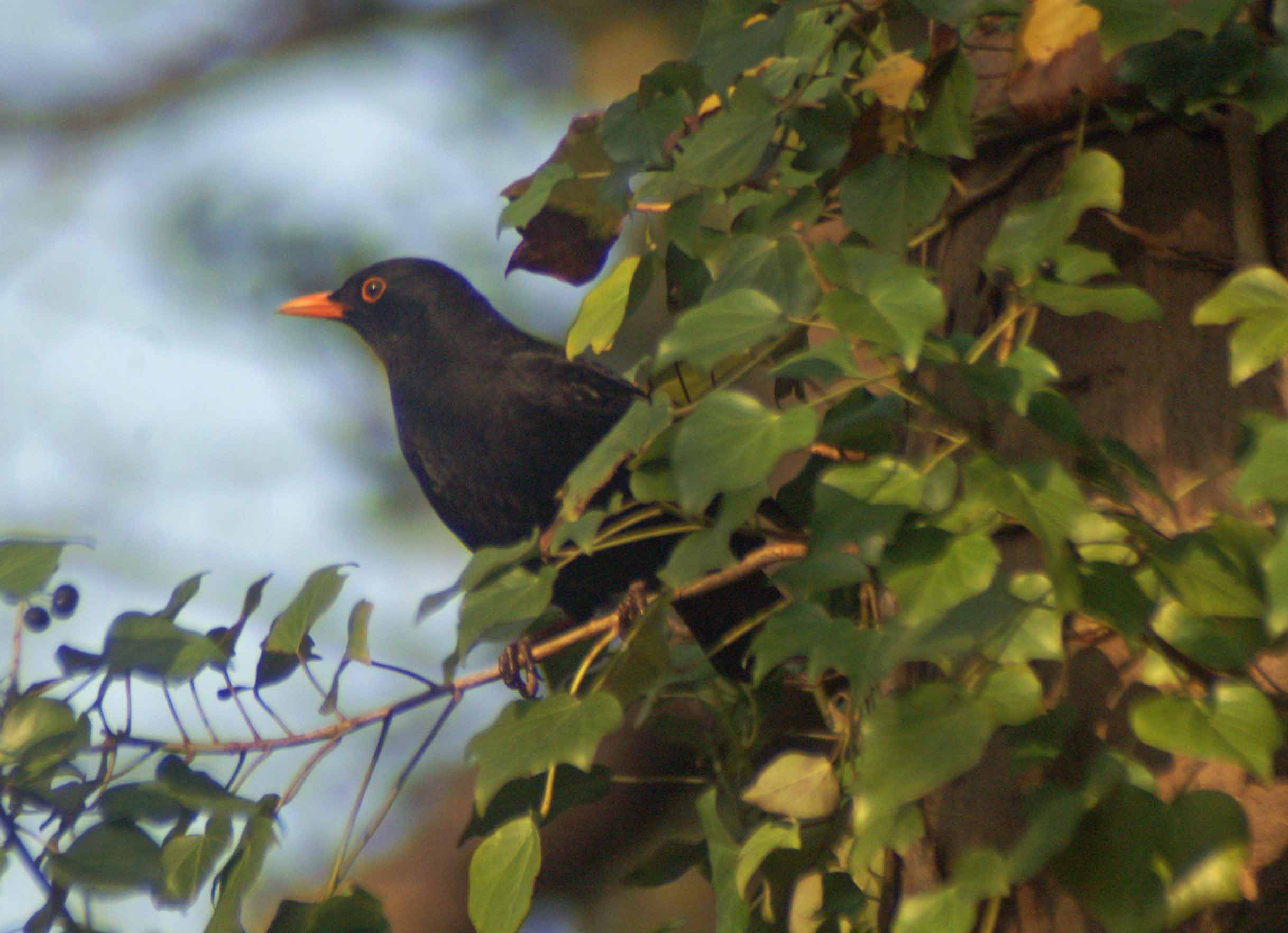
A beautiful male blackbird was picking off ripe ivy berries

The blackbird contorted himself to reach a berry

The blackbird with a berry in his beak

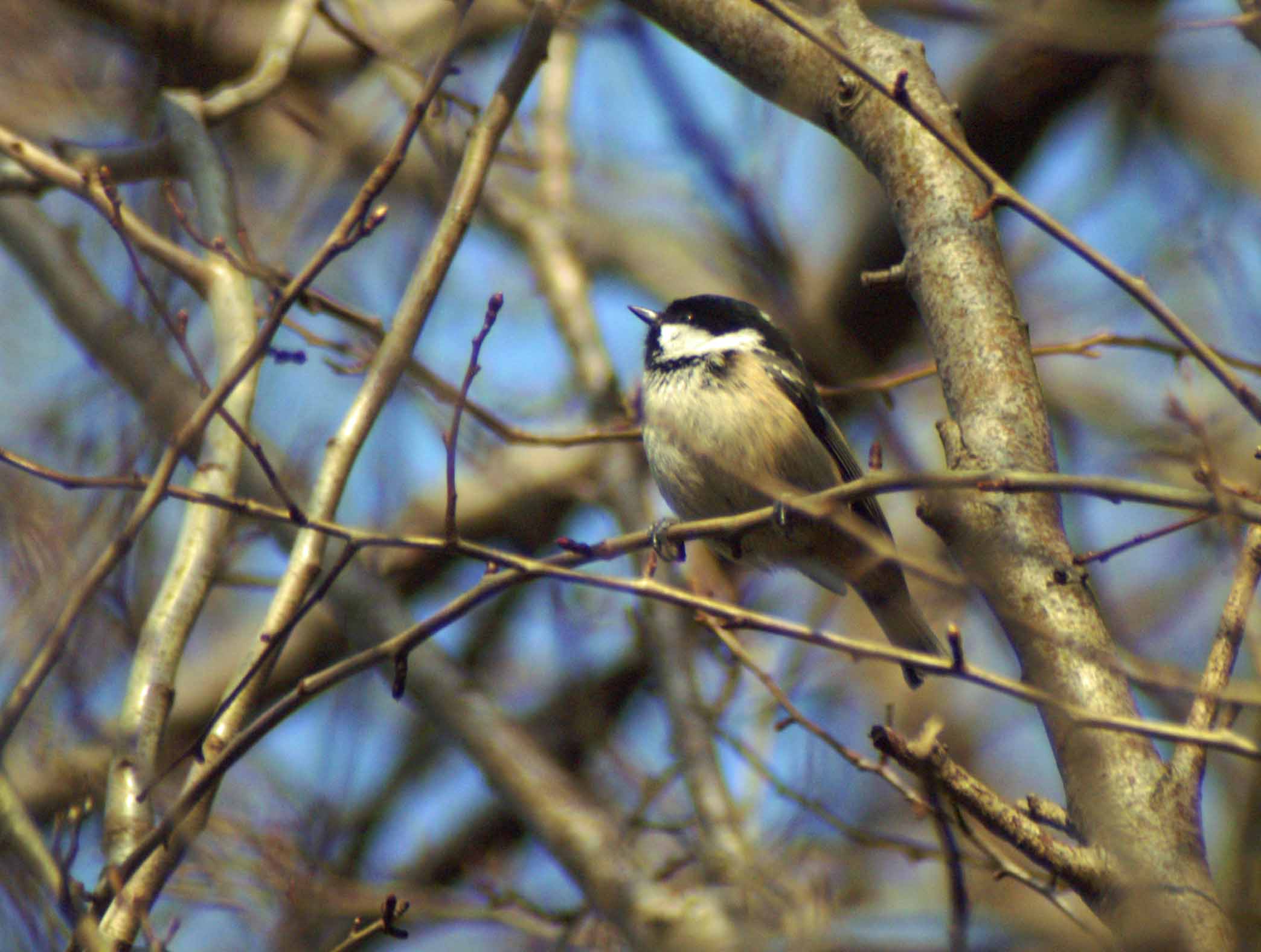
A big surprise was the sighting of this lovely coal tit

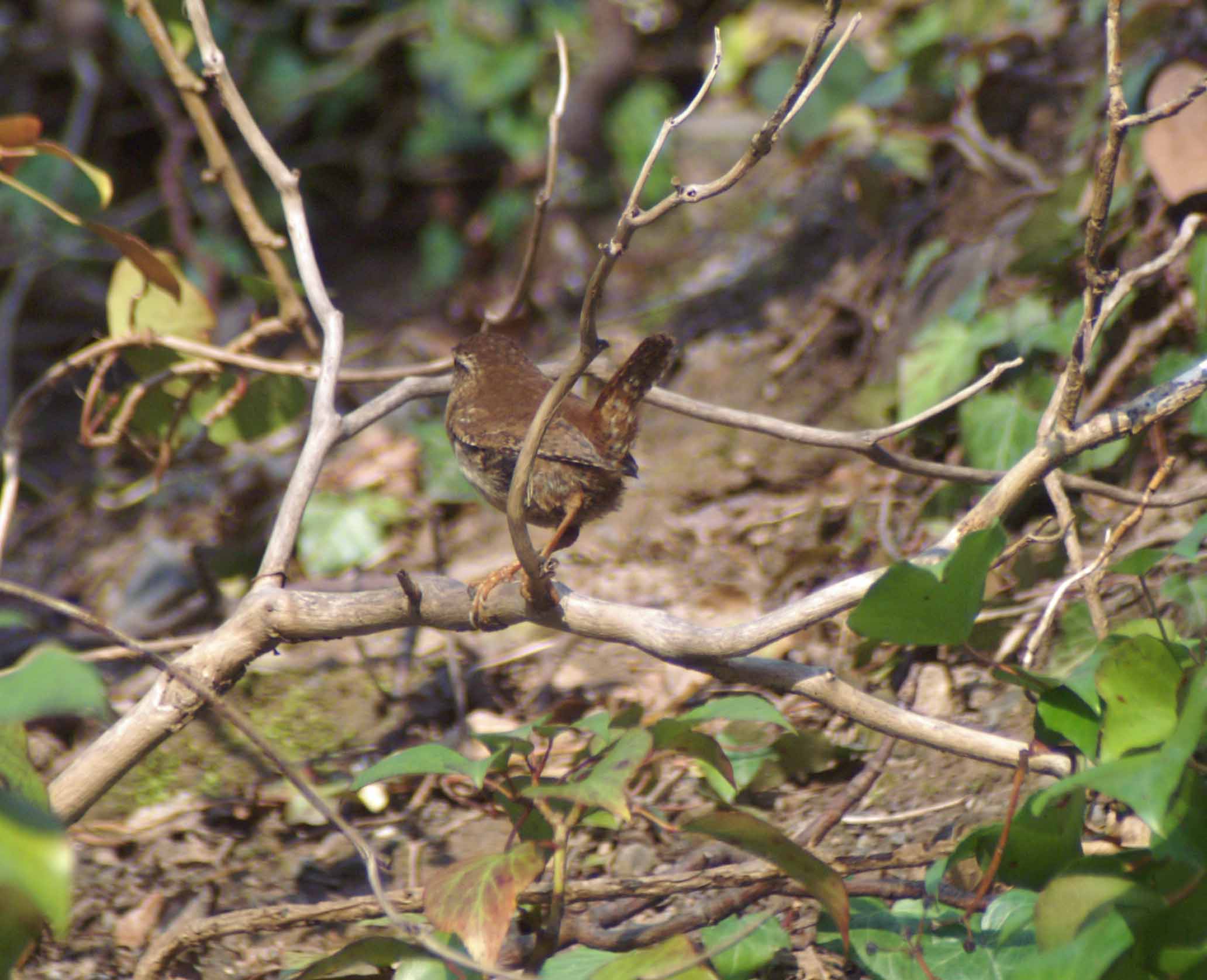
A wren singing from a low branch

Another wren flew across the path and perched on the fence. It looked a little odd, but it took a few seconds to realise it was because he was missing his characteristic upturned tail

The missing tail did not seem to be inhibiting the little bird too much – he was bright eyed and flitting around singing enthusiastically

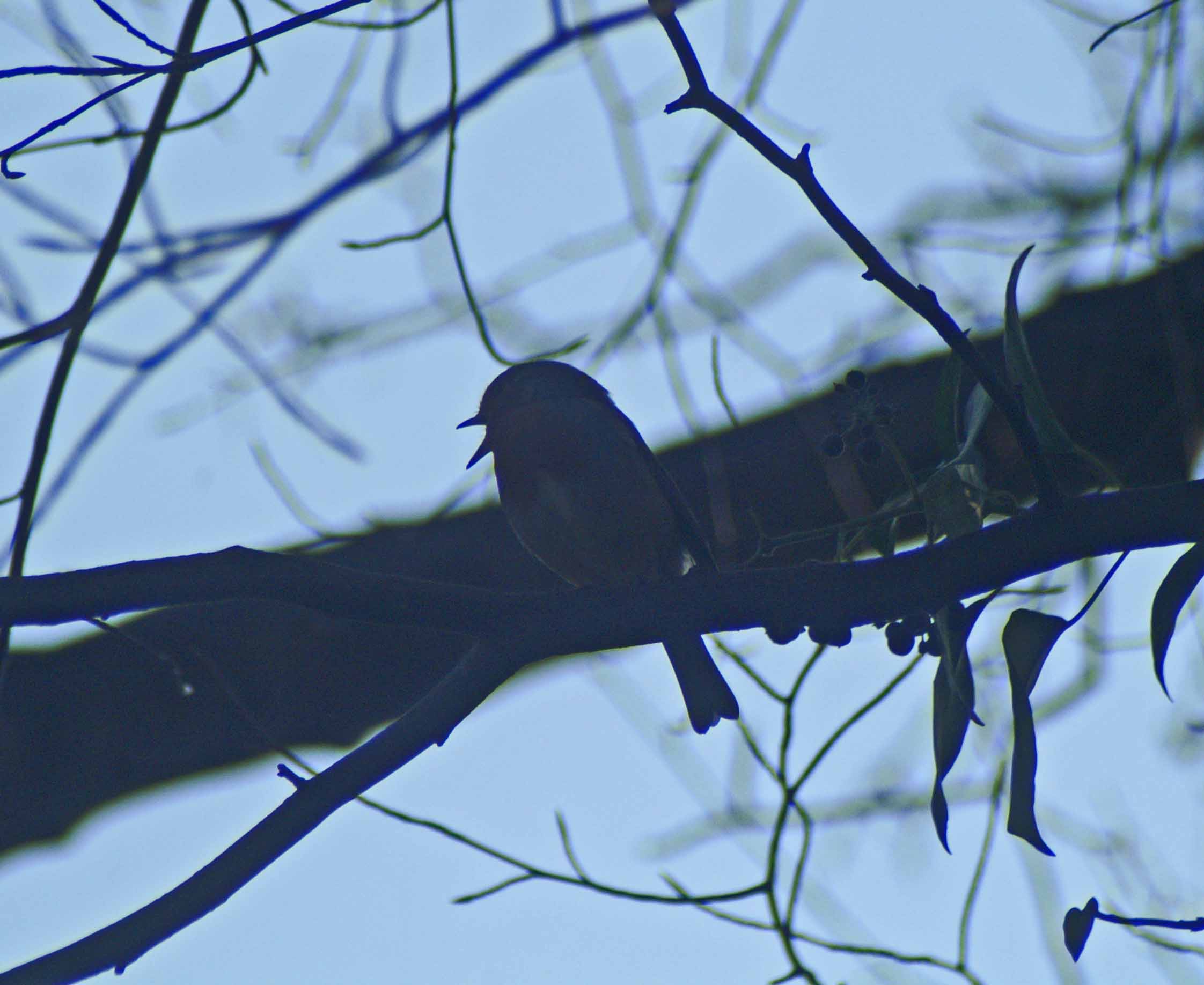
A robin singing beautifully, but in the shade

A pair of nike trainers thrown up into a tree. A reminder that this is a just an oasis in a small urban jungle

Share this:

  • Share on Facebook (Opens in new window) Facebook
  • Share on Pinterest (Opens in new window) Pinterest
  • Share on X (Opens in new window) X
Like Loading...

What a beautiful day

24 Friday Feb 2012

Posted by theresagreen in birds singing, Nature, nature photography, woodland birds, woodlands

≈ 4 Comments

Tags

birds singing, blackbird, lesser celandine, miniature daffodils, river Colwyn, song thrush, starlings roosting on Colwyn bay pier

Today was officially the  warmest February day recorded since 1998, with temperatures reaching 18 degrees in some parts of the UK. These are some of my views of this unseasonally beautiful day.

8.15am - Sunlit tulips

The sky was blue, birds were singing, the sun eye-squintingly bright and the sea calm and almost lake-like.

8.35am-View to Rhos-on-Sea showing the headland of the Little Orme & Bryn Euryn

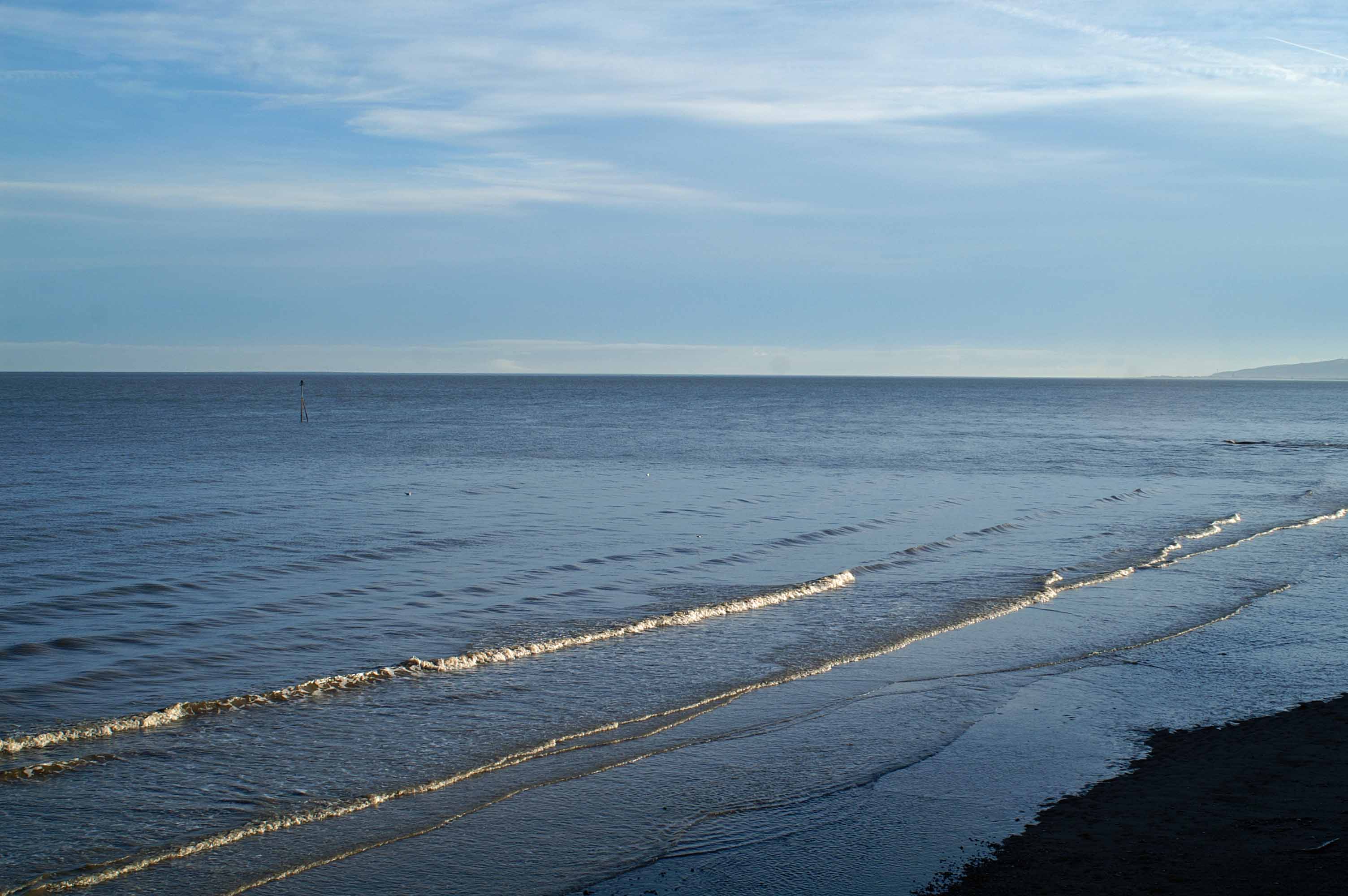
8.37am-Calm, sunlit sea beneath a blue sky

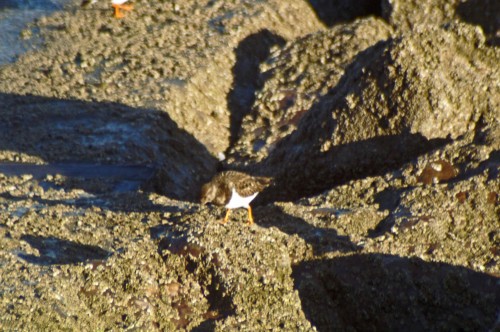
8.38am-Turnstone foraging on barnacle-encrusted rocks

During my lunch break I spent a few minutes in the small wooded area at the bottom of Beach Road.

2pm-River Colwyn at the Beach Road end just before it runs into the sea

The river Colwyn flows through the original township of Colwyn. There are many brooks of the same name in Wales. It means ‘a young animal’ or ‘a pet dog’ and was probably used to describe the playful movement of the water.

Miniature daffodils flowering in the woodland garden

Carved wooden seat alongside the path

Lesser celandines open in the sunlight that filters through the bare tree branches

A wren was singing from a low branch close to the path, a chaffinch from higher up in a neighbouring tree and a robin from somewhere within the shrubbery. I caught sight of two long-tailed tits and a song thrush as it flew down onto the wall alongside the stream.

A blue tit low in a shrub beside the stream

I thought I’d missed the opportunity of a good look at the thrush, but as I was leaving there was another on the bank very close to the path that wasn’t bothered by me being there, even when I pointed the camera at it.

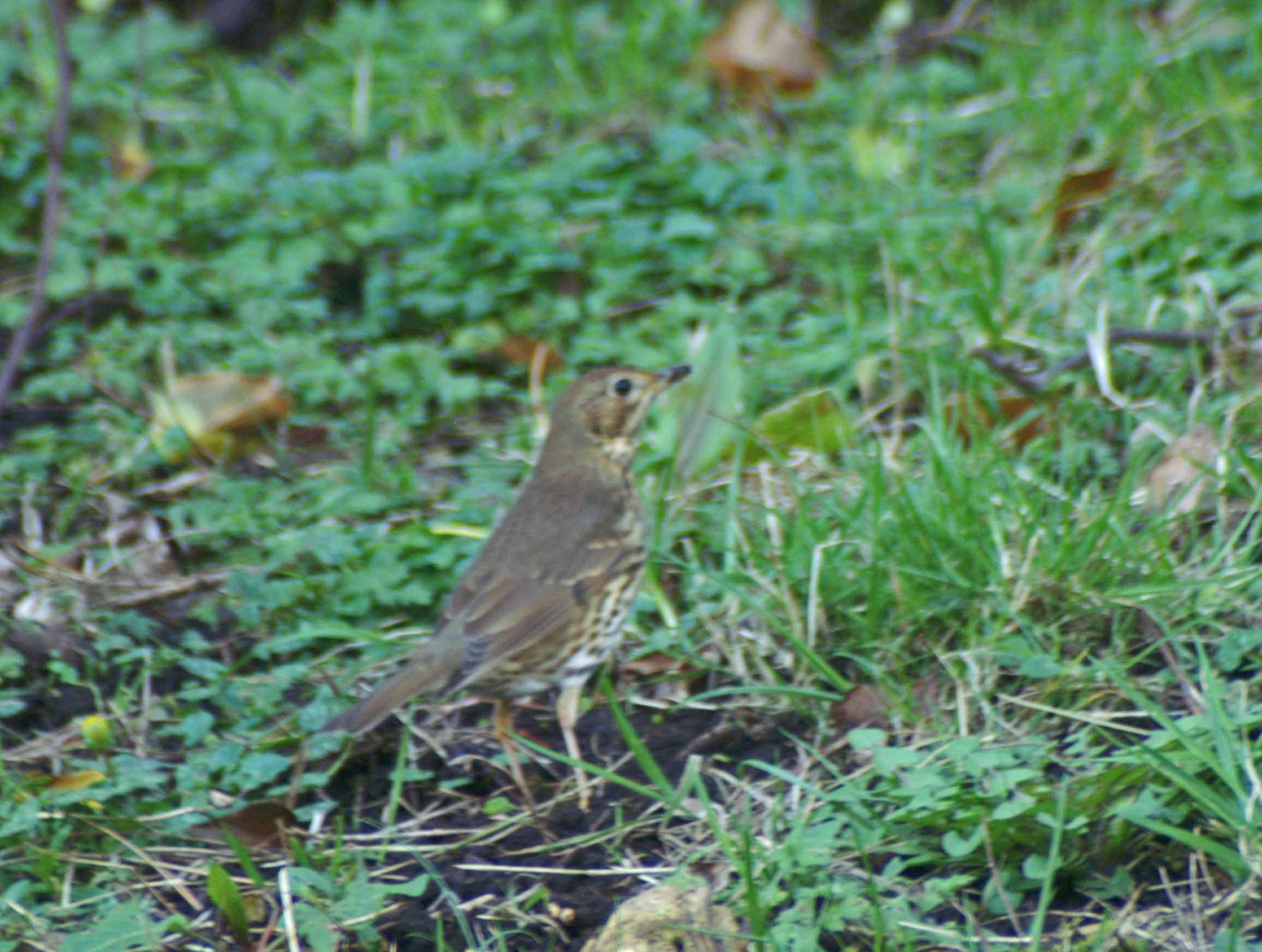
A beautifully marked thrush

Thrush from the front

A successful hunting blackbird

The views on the way home in the evening light were enhanced by the pink glow from the setting sun.

5.50pm - Evening view of Rhos-on-Sea

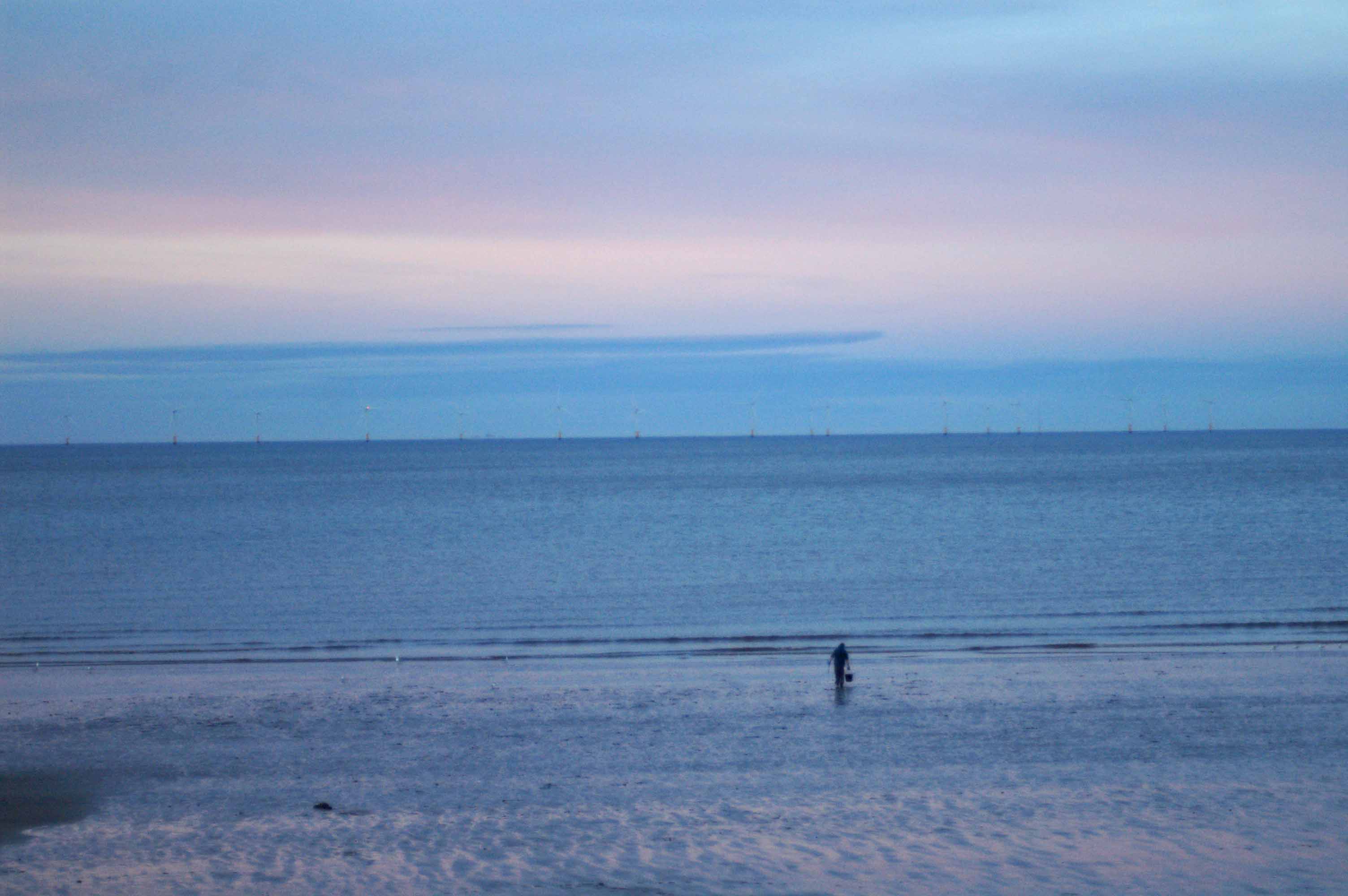
The tide was fully out and although the light was fading there were several people on the beach walking their dogs and a man probing the sand with a stick that I thought may have been searching for razor clams (?); he was too far away to see what he was putting into his bucket.

Man collecting razor clams

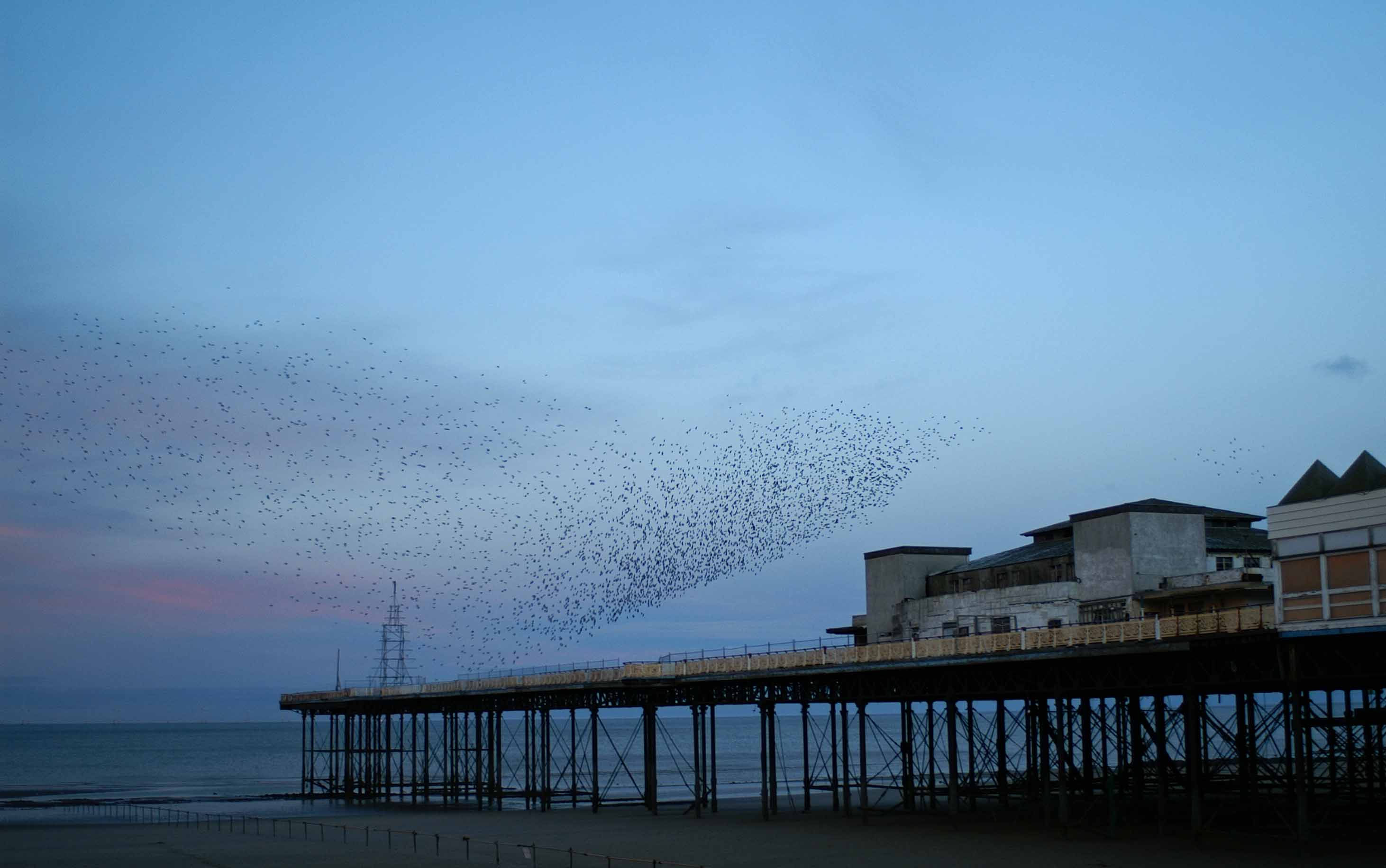
As I hoped, I arrived at the old pier at more or less the same time as the starlings.  The majority had already gathered into a large flock, a smaller flock arrived and blended seamlessly into the outer edges as they wheeled around across the sea then back to the pier. They settled quite quickly this evening, showering down like falling leaves to settle beneath the floor of the pier on either side of the structure.

5.50pm - Starlings arriving at the old pier to roost for the night

Starlings shape-shifting across the pink-tinged sky

Starlings flying out over the water

6pm-A final view of the rosy pink sunset

Tomorrow is predicted to be colder, ‘freshened’ by a NW wind …..


Share this:

  • Share on Facebook (Opens in new window) Facebook
  • Share on Pinterest (Opens in new window) Pinterest
  • Share on X (Opens in new window) X
Like Loading...

Woodland birds on the move

31 Monday Oct 2011

Posted by theresagreen in bird behaviour, nature photography, woodland birds

≈ 3 Comments

Tags

bird migration, Black Redstart, blackbird, Chiffchaff, migrant birds, Robin

This is a wonderful time of year to see numbers of birds here in southern Spain,when many migrants from northern and western Europe arrive to remain for the winter, or stay for a short while to take advantage of available food supplies before continuing their journeys across to north or sub-Saharan Africa.

On my return from the UK, the first bird I looked out for in my garden was a Black Redstart. This species is resident in Spain, breeding in the mountains then migrating in large numbers during the autumn, when they head here to the southern coastal areas of the country. Many will stay until March, while many more cross the Straits of Gibraltar to winter in Africa.

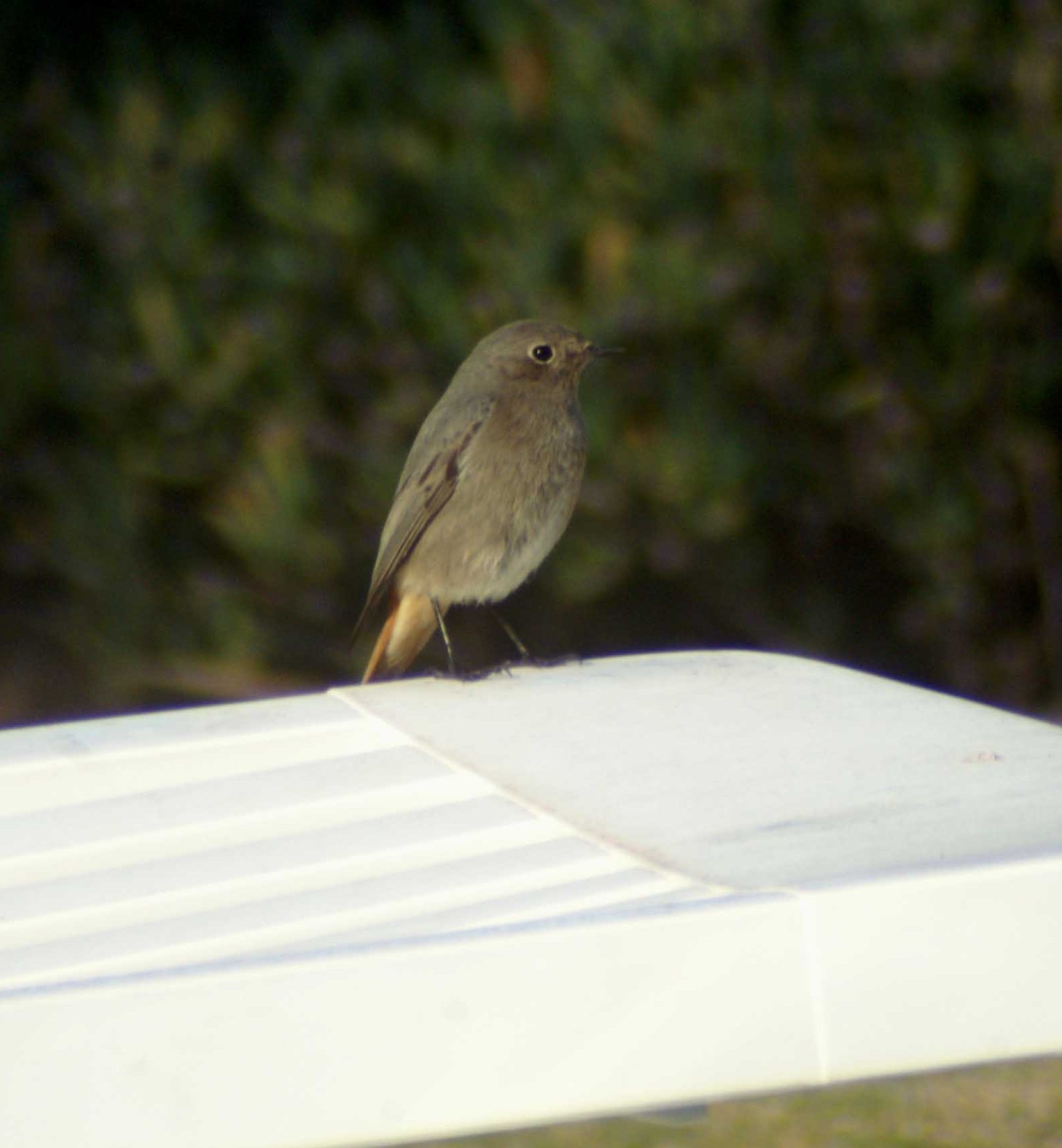
Black Redstart - Phoenicurus ochruros (Spanish-Colirrojo Tizon). This is either a female or possibly a juvenile, perched on a sun-lounger.

The male Black Redstart is a very striking bird

This will be our ninth winter of living in this house and each year a Black Redstart has arrived to stake a claim to a territory that includes our garden. It is always a bird that resembles the one above, so either a female or a young bird, it’s tricky to tell the difference. I would like to believe that it is the same bird that returns each year, but that may be construed as sentimental and not at all realistic or scientific. I am told that this may simply be recognised as ‘a territory’. Anyway, I look forward to the arrival of the delightful little bird. They are always quite a few to be seen throughout the area, some will stay around where there are buildings, others in cultivated areas, on golf courses and even on the edges of beaches.

For the past two or three years, I haven’t got to see ‘my’ Black Redstart as often as I used to, as we  have also had resident Robins. The two species are closely related and the Robins, that are resident locally all year round, stake out the territory earlier on and defend it vigilantly. So, as soon as the Black Redstart puts its beak over the garden wall, the Robin is there to chase it away.

Robin-Erithacus rubecula (Spanish - Petirrojo)

It is interesting to see Robins as migrant birds, and this time of year sees the arrival of birds from the more northern parts of Europe swelling the resident numbers, with numbers of birds peaking in October-November. As with the Black Redstarts, some will stay here to overwinter while others will travel on to Africa.

Blackbird-Turdus merula (Spanish-Mirlo Comun) with very prominent white wing feathers

Blackbirds are amongst the most numerous bird species resident locally, but at this time of year their presence is especially noticeable. Juveniles disperse in August and September and ‘foreign’ birds arrive or pass through the locality, with numbers peaking in mid-October. Numbers of Blackbirds are attracted to our garden now by the masses of tiny berries produced by the Florida palms. As they are present all year, it is usually impossible to spot ‘incomers’ other than by territorial behaviour, when those I assume to be resident birds chase others away. The Blackbird in my photograph made it easy to spot that it was an ‘incomer’ as he was marked with white feathers. I would definitely have noticed him earlier in the year.

Chiffchaff-Phylloscopus collybita (Spanish-Mosquitero Comun)

There are a lot of tiny Chiffchaff around presently, at one time in the garden early this afternoon I counted ten and there could well have been more. A few will stay here for the winter, most will move on. Chiffchaffs are delightful little birds and very entertaining to watch as they flit and flutter through trees and shrubs searching leaves for insects. On sunny days, when there are clouds of flies or gnats about they perch on the tips of twigs and palm leaves, then dive down and chase the insects, balletically turning and twisting in the air.

It never ceases to amaze me that such tiny birds impart on these long journeys, especially those that are no more than a few months old, and marvel at their innate knowledge of where to go and how to get there and back again. And we call people ‘bird-brained’ as an insult!

Share this:

  • Share on Facebook (Opens in new window) Facebook
  • Share on Pinterest (Opens in new window) Pinterest
  • Share on X (Opens in new window) X
Like Loading...
Newer posts →
Follow everyday nature trails on WordPress.com

Enter your email address to follow this blog and receive notifications of new posts by email.

‘But it is the common species that keep the living world ticking over and provide most of our experiences of wildlife, and I would argue that maintaining the abundance of these is as important a conservation priority as maintaining the existence of rarities’. Richard Mabey

MOST RECENT POSTS

  • A Glimpse of Spring to Come January 22, 2025
  • Hunting the Wren December 28, 2024
  • Oh, Christmas Tree December 18, 2024
  • In and Out of the Ivy February 15, 2024
  • Nature’s Fireworks November 30, 2023
  • Wild Autumn along the Coast Path November 3, 2023

OLDER POSTS

LOOKING FOR SOMETHING IN PARTICULAR?

  • Sights and Sounds from the Little Orme 1
    Sights and Sounds from the Little Orme 1
  • Things Bright and Beautiful
    Things Bright and Beautiful
  • Following a river to a Fairy Glen
    Following a river to a Fairy Glen
  • Catchers, a Duck and Divers
    Catchers, a Duck and Divers
  • A Window on the Woods-Winter 1
    A Window on the Woods-Winter 1
  • A Windy Wildflower Trail
    A Windy Wildflower Trail
  • Fine Dining for Crows
    Fine Dining for Crows
  • May Bee Appearing on Ivy near You
    May Bee Appearing on Ivy near You
  • Shades, Sounds and Scents of the Woods
    Shades, Sounds and Scents of the Woods
  • Butterflies and more rare treats
    Butterflies and more rare treats

nightingale trails

The Walk of the Monarch Butterfly-Sendero de la Mariposa Monarca

The Walk of the Monarch Butterfly-Sendero de la Mariposa Monarca

MY WILDFLOWER BLOG: where the wildflowers are

Snowdrop

Snowdrop

most recent posts

Follow everyday nature trails on WordPress.com

Social

  • View teresamaygreen’s profile on Twitter

Enter your email address to follow this blog and receive notifications of new posts by email.

Website Built with WordPress.com.

  • Subscribe Subscribed
    • everyday nature trails
    • Join 359 other subscribers
    • Already have a WordPress.com account? Log in now.
    • everyday nature trails
    • Subscribe Subscribed
    • Sign up
    • Log in
    • Report this content
    • View site in Reader
    • Manage subscriptions
    • Collapse this bar
 

Loading Comments...
 

    %d